
One Year in Shibam: Lessons in Mud, Memory, and Resilience
* by Hedaya Gharaibeh, Project Manager – Preserving the Unique Earthen Architecture of Shibam
All my career, I dreamed of working in Yemen—of contributing to the protection of its extraordinary earthen cities that I had studied and admired for years. With HERITΛGE, I finally had that opportunity: to lead the project “Preserving the Unique Earthen Architecture of Shibam”, in partnership with GOPHCY, the American Foundation for Cultural Research (AFCR), and with the generous support of the ALIPH Foundation.
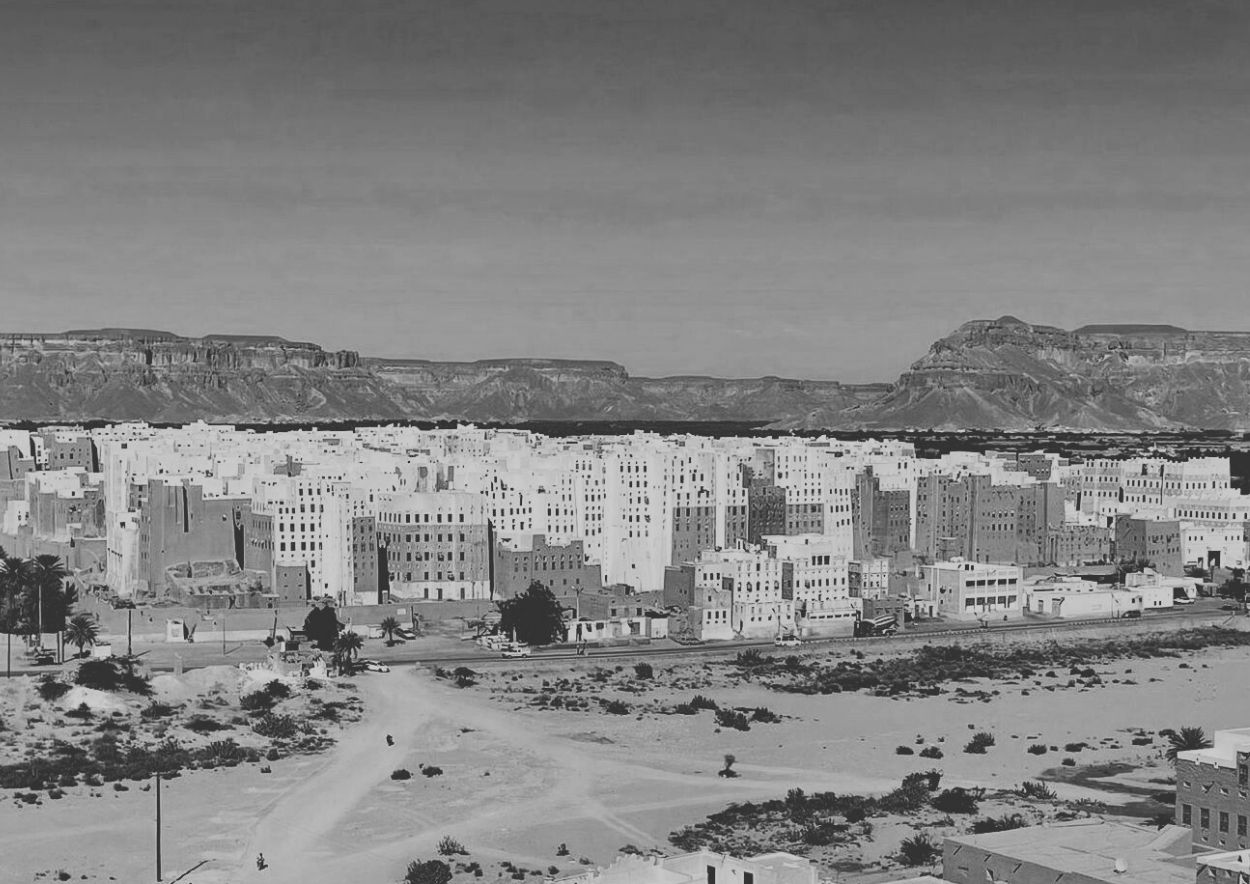
When I first arrived in Shibam, a UNESCO World Heritage Site in Eastern Yemen, I was struck by how alive the city still is—its mud-brick towers rising from the valley floor, shaped by centuries of craftsmanship and resilience. Our first year focused on understanding and documenting this living architecture. Together with our Yemeni technical team, we assessed more than sixty historic buildings, including the North and South Palaces and the Civil Affairs Building, producing detailed drawings and damage maps that formed the basis of an Action Plan for the coming rehabilitation phase.
Working side by side with the Yemeni team was one of the most enriching parts of this journey. At first, some were uncertain about working closely with women in the same office—especially since Maja and I were the first two women to arrive and work on-site. Yet within weeks, respect and trust replaced hesitation, and the team became one of the kindest and most professional groups I have ever worked with. Even though I am from another Arab country, our differences in dialect and customs soon turned into shared laughter and daily lessons in collaboration.
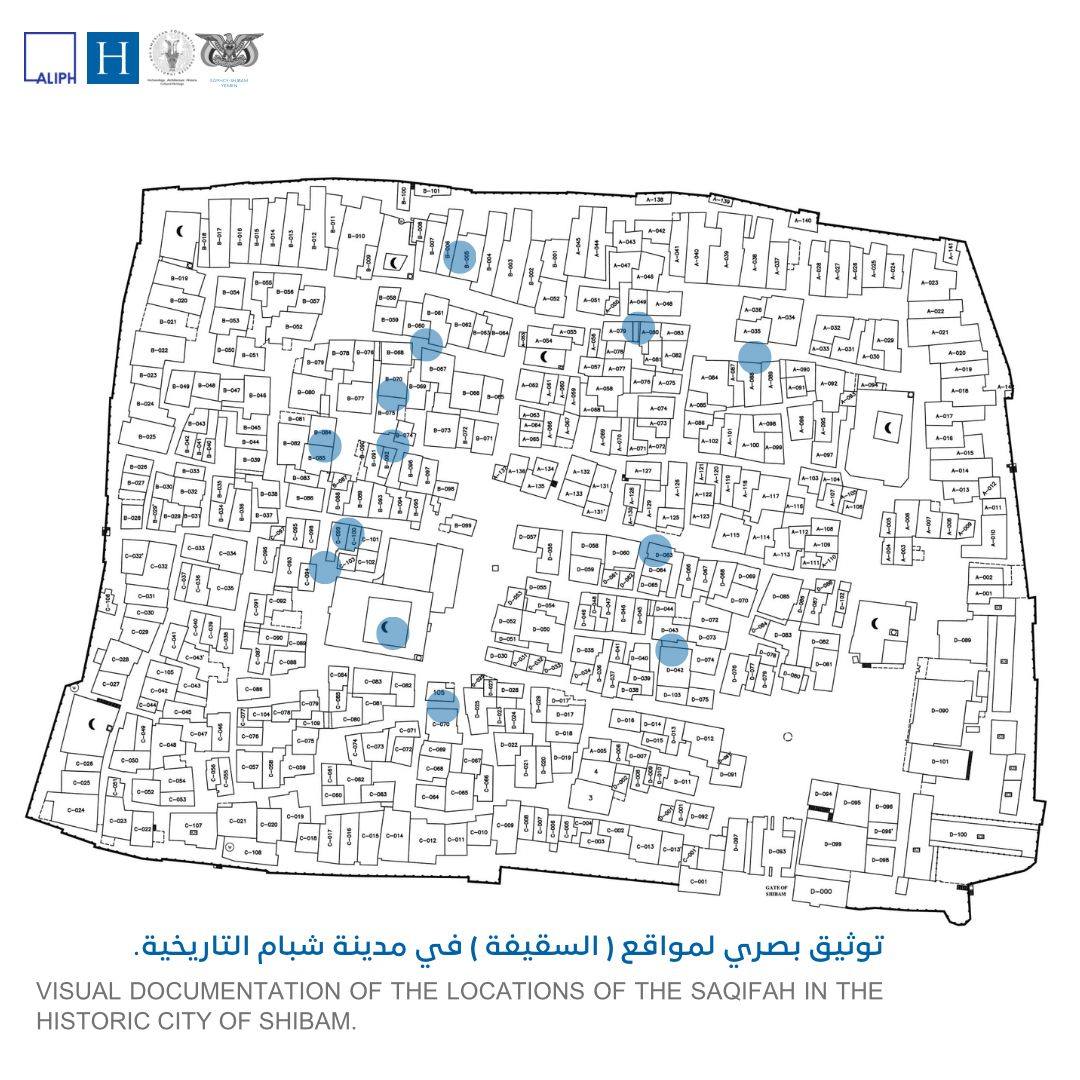
A key focus was building local capacity. Fifteen young architects and conservators joined our training program, which included a one-day workshop with Tom Leiermann and a week-long photogrammetry and 3D-modeling course with Shatha Safi and Khulood Al-Najjar. Five trainees completed six-month internships, carrying out site visits and photo documentation—the foundation of our studies. I was especially proud that three were women, opening doors for a new generation of Yemeni professionals.
We also developed the design concept for the future Museum in the South Palace with Shatha Safi and her team in Palestine, through a wonderful cooperation that included meetings with women’s groups, youth, and a local committee representing Shibam’s residents.
On the technical side, we launched a pilot pavement study, assessed air-conditioning impacts, and carried out urgent stabilization on two houses before the rainy season (July–September). We are now completing another two interventions in November to address new damage.
As we move into the next phase, I feel proud of what this diverse team has built—uniting science, tradition, and community spirit to keep Shibam standing strong for generations to come.