
The EMPATHS Manifesto: Reimagining Heritage Interpretation Through Participation
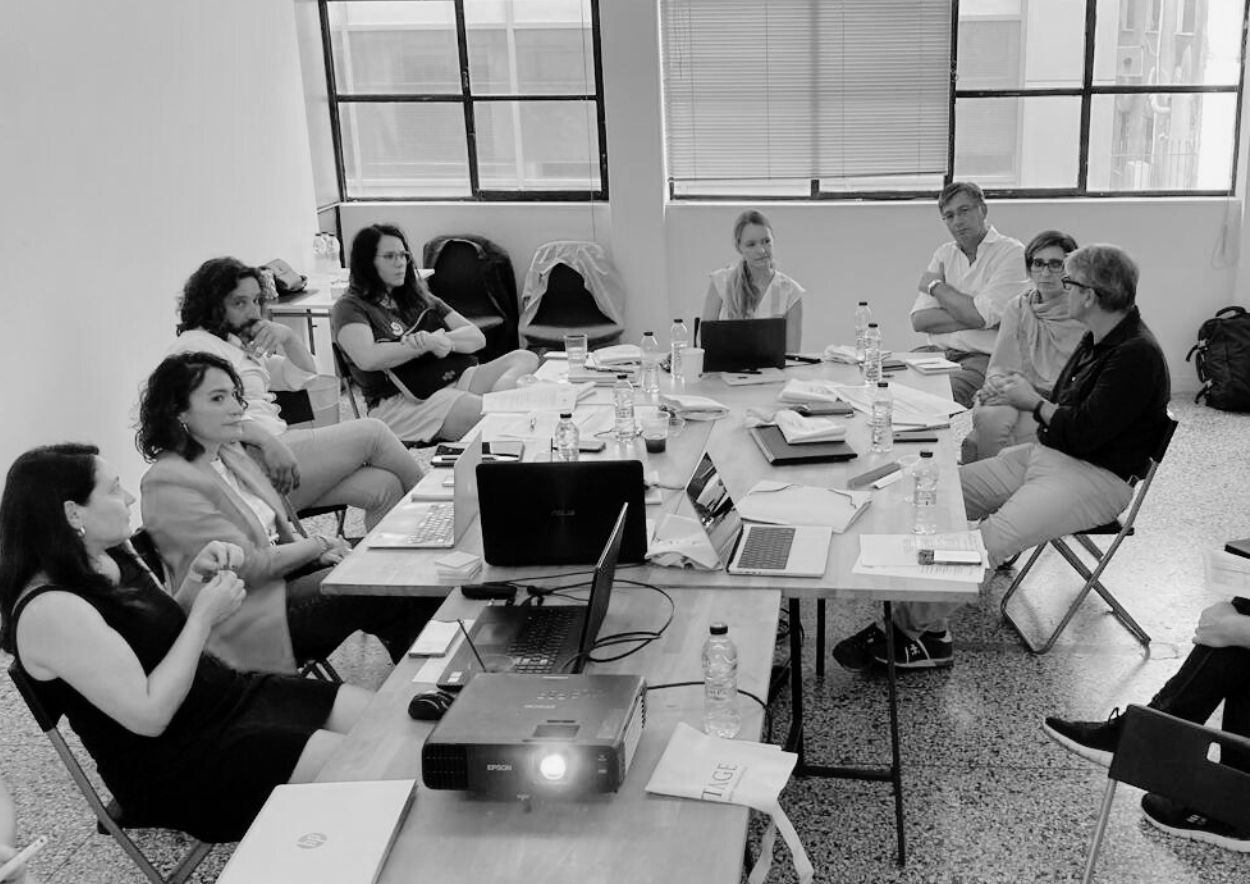
HERITΛGE is proud to be a partner in the EMPATHS project, a European initiative funded by the Erasmus+ Programme that seeks to transform how cultural heritage is interpreted, shared, and experienced. As part of this work, the EMPATHS consortium has recently published the EMPATHS Manifesto — a collective call to reimagine heritage interpretation as a participatory, inclusive, and community-driven practice.
The manifesto challenges traditional, top-down approaches to heritage storytelling and invites heritage professionals, institutions, and communities to rethink their roles. At its core is a simple but powerful idea: heritage becomes meaningful when communities are not just audiences, but active partners in interpretation.
A shared vision for participatory heritage interpretation
The manifesto sets out the values and principles that will guide our 30-month European collaboration dedicated to building new competences for heritage professionals. EMPATHS focuses on dialogue, co-creation, and inclusive engagement, responding to the growing need for heritage practices that are democratic, empathetic, and socially relevant. The manifesto is not just a vision statement; it is the conceptual foundation upon which EMPATHS’ training tools, methodologies, and community labs are being built.
As outlined in the project framework, EMPATHS will:
- Develop a replicable training curriculum for participatory heritage interpretation
- Pilot blended learning programmes combining online and in-person activities
- Engage heritage professionals and local communities in testing and shaping new interpretive practices
- Strengthen the capacity of the sector to work across disciplines, communities, and landscapes
The EMPATHS Manifesto speaks directly to contemporary challenges facing heritage and society more broadly — social fragmentation, disconnection from place, and the urgent need for shared responsibility. It responds with a clear and hopeful vision: heritage as a bridge, communities as co-creators, and professionals as facilitators rather than sole authorities.
As articulated in the manifesto’s Vision for the Future of Heritage Interpretation, participatory approaches can help heritage become a space for dialogue, mutual understanding, and sustainable futures — grounded in local contexts but open to multiple voices and perspectives.
Read the manifesto and join the conversation
We invite heritage professionals, practitioners, researchers, and community members to read the EMPATHS Manifesto, explore the project’s work, and join us in shaping a more participatory, empathetic, and sustainable future for heritage interpretation.