
Connecting Voices, Sharing Progress: the 8th HerMaP Africa Network Convening
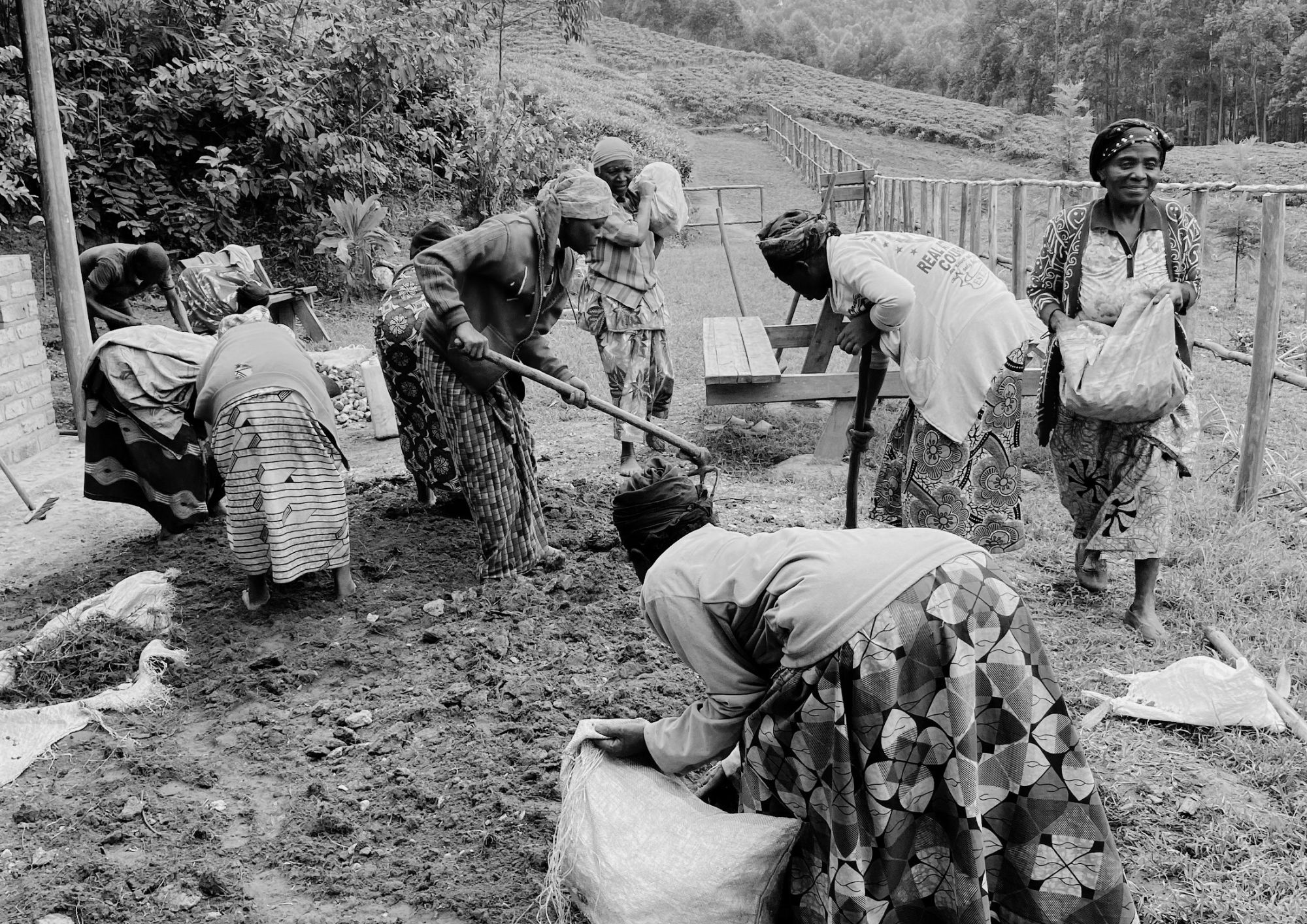
A team of women working for the creation of the Imanzi Heritage Village In Rwanda. The project has received a small grant from our HerMaP Africa program.
On Wednesday 22 April 2026, HERITΛGE hosted the 8th Online Network Convening of the HerMaP Africa programme, bringing together grantees, partners, and supporters for a dynamic two-hour online session focused on exchange, reflection, and collaboration. Held via Zoom, the convening welcomed over 40 active participants.
The session opened with welcoming remarks from Richard A. Brown, followed by reflections from Dr. Evangelos Kyriakidis, who noted that while this marked the final convening in the current series, further gatherings are already being planned for later in the year. Coordination efforts will continue through the HERITΛGE networking task force, reinforcing the organisation’s commitment to sustained community-building.
At the heart of the convening were project presentations from grantees across Africa. 12 invited projects, from Kenya, Rwanda, and Sourth Africa, presented their work. The presentations offered a compelling snapshot of the diversity and ambition of initiatives supported through HerMaP Africa and HERITΛGE’s fiscal sponsorship model.
Projects ranged from the establishment of cultural heritage centres in Kenya and Namibia to community museums and agro-tourism initiatives in Rwanda, as well as efforts to revitalise rural communities through sustainable heritage tourism. Additional presentations highlighted initiatives such as the creation of a cultural space in the Ndiyona Constituency in Namibia and the Pan African Solidarity School (PASS) in Kenya, expanding the programme’s reach into education, cultural exchange, and grassroots capacity building.
Several Rwandan projects showcased a strong focus on cultural infrastructure and innovation, including the upgrading of the Rwanda Art Museum, the development of cultural hiking trails in Nyanza, and the creation of studios dedicated to preserving performance traditions.
Across presentations, a shared emphasis emerged: the importance of linking heritage preservation with community development, tourism, and local economic resilience. Many projects demonstrated how heritage can serve not only as a cultural asset but also as a driver of sustainable livelihoods and social cohesion.
The session concluded with an open group discussion, allowing participants to exchange feedback, identify common challenges, and explore opportunities for collaboration.
As HerMaP Africa continues to evolve, convenings like this remain central to HERITΛGE’s approach: supporting projects not only through funding, but by fostering connection, shared learning, and collective impact across the continent.