
Roundtable: Heritage as a Driver of Community and Economic Development
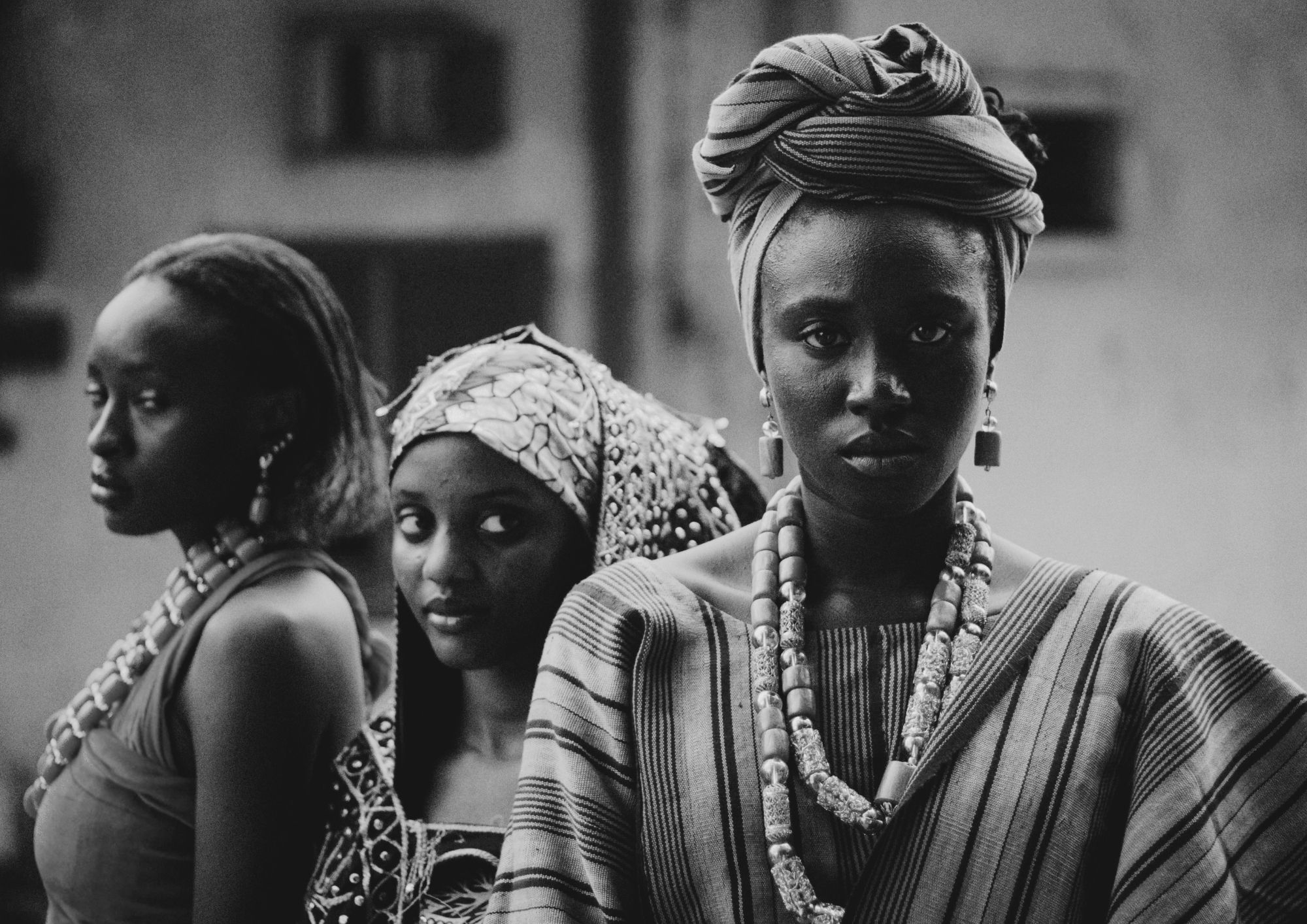
To celebrate the start of a new academic year, HERITΛGE is proud to host a public roundtable bringing together distinguished heritage leaders from five African countries. The discussion will explore how heritage—and its effective management—can serve as a lever for community and economic development, and how this potential is being approached in different national contexts.
The roundtable marks the opening of a special edition of HERITΛGE’s Community and Economic Development workshop for heritage professionals in Africa. Around 30 participants from Ethiopia, The Gambia, Ghana, Kenya and Rwanda will take part in the programme, developing the knowledge and practical tools needed to create sustainable economic and social benefits through heritage.
Joining the roundtable:
Essel Blankson – Executive Director, Ghana Museums & Monuments Board
Dr Fredrick Manthi – Director of Antiquities, Sites and Monuments, National Museums of Kenya
Abebaw Ayalew Gella – Director General, Ethiopian Heritage Authority
Amb. Robert Masozera – Director General, Rwanda Cultural Heritage Academy
Sanna B. Jarju – Director of Literature, Performing and Fine Arts, National Centre for Arts and Culture, The Gambia
Roundtable: Heritage as a Driver of Community and Economic Development
Date: 16 September 2026 | 13:00–14:30 UTC
Register here: The roundtable is open to the public upon registration. Please register here.
The discussion will be moderated by Dr Paul Burtenshaw, the workshop’s lead instructor and an expert in heritage economics, heritage tourism, and the role of cultural heritage in sustainable and community development. Dr Burtenshaw is currently Senior Director of Project Impact at World Monuments Fund.
Cultural heritage managers are increasingly expected both to demonstrate the economic value of heritage and to create tangible benefits for local, regional and national economies. The Community and Economic Development workshop provides participants with a firm understanding of why cultural resources are mobilised for economic benefit, the limits and potential risks of this mobilisation, the different strategies available, and the ways in which economic impacts can be measured and communicated.
Participants are guided through the development of an economic development plan for their own heritage projects or case studies. This includes setting goals, selecting appropriate strategies, assessing economic feasibility, and establishing effective monitoring and evaluation procedures. By the end of the workshop, participants are equipped to implement context-sensitive economic development strategies in their own locations.
HERITΛGE is also currently accepting applications for the next edition of the Community and Economic Development workshop, taking place in November 2026. Heritage professionals interested in strengthening the contribution of their projects and organisations to sustainable local and community development are warmly invited to apply.