
Tag Archives: Mexico
Oral History Workshop in Coahuila
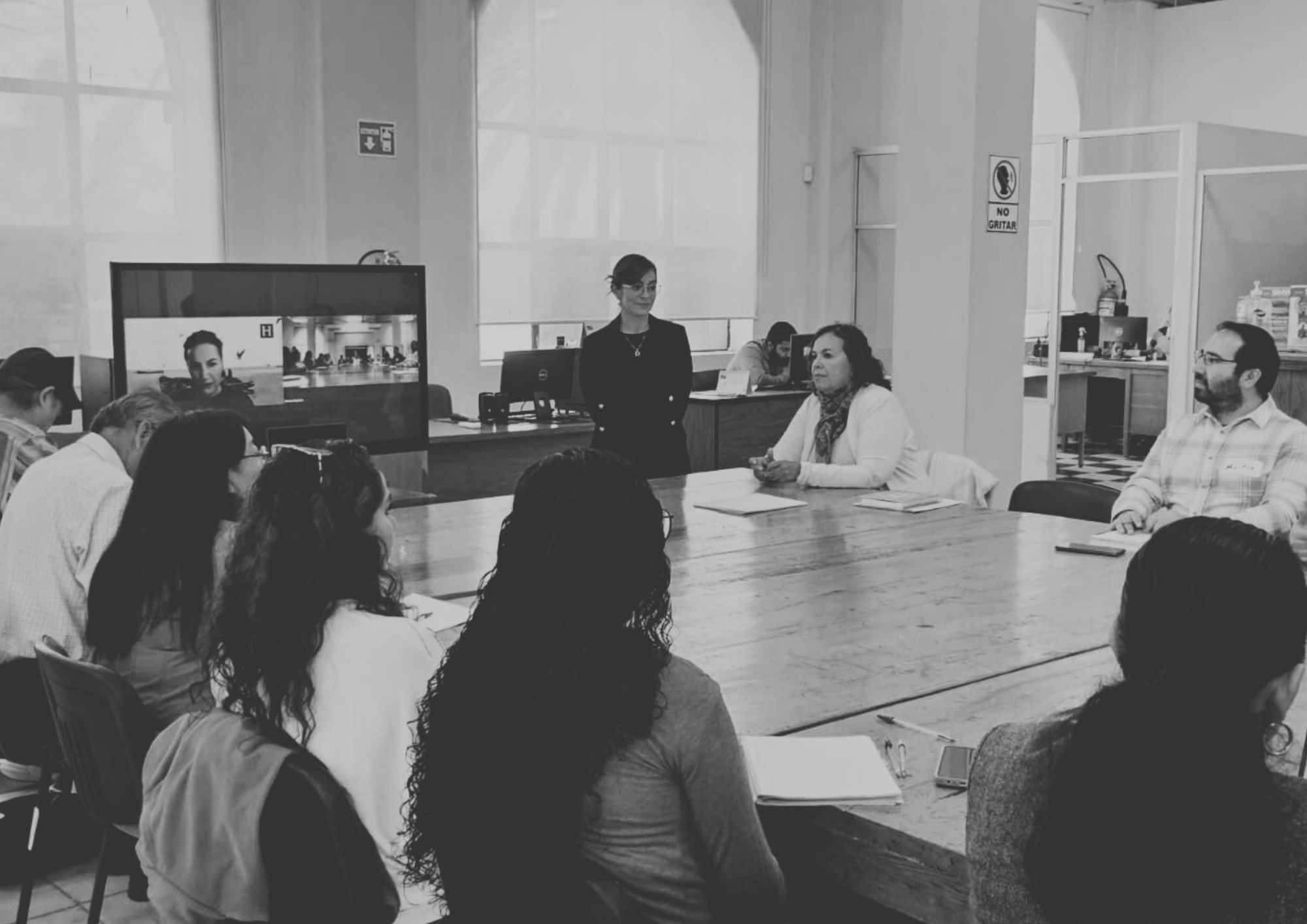
HERITΛGE successfully delivered a second Oral History Workshop in Mexico, further advancing the implementation of the HerMaP Mexico initiative. The workshop took place from March 11–13, 2026 in Saltillo, Coahuila, bringing together 17 participants interested in strengthening their skills in working with memory and cultural heritage.
Hosted in the capital city of Coahuila, the workshop was made possible through the collaboration of three key institutions dedicated to the preservation of memory: the General Archive of the State of Coahuila, the Municipal Archive of Saltillo, and the Archive for Memory of Universidad Iberoamericana.
The training focused on oral history as a tool for documenting collective memory and intangible cultural heritage, equipping participants with both conceptual understanding and practical methodologies. It was led by Dr. Eleni Stefanou and Denise Navarro.
Participants explored:
- The relationship between oral history, memory, and heritage
- The design and implementation of interviews
- Ethical considerations in working with testimonies
- The application of oral history in cultural heritage projects
The group brought together individuals from diverse backgrounds, including cultural practitioners, researchers, and professionals engaged in heritage-related initiatives.
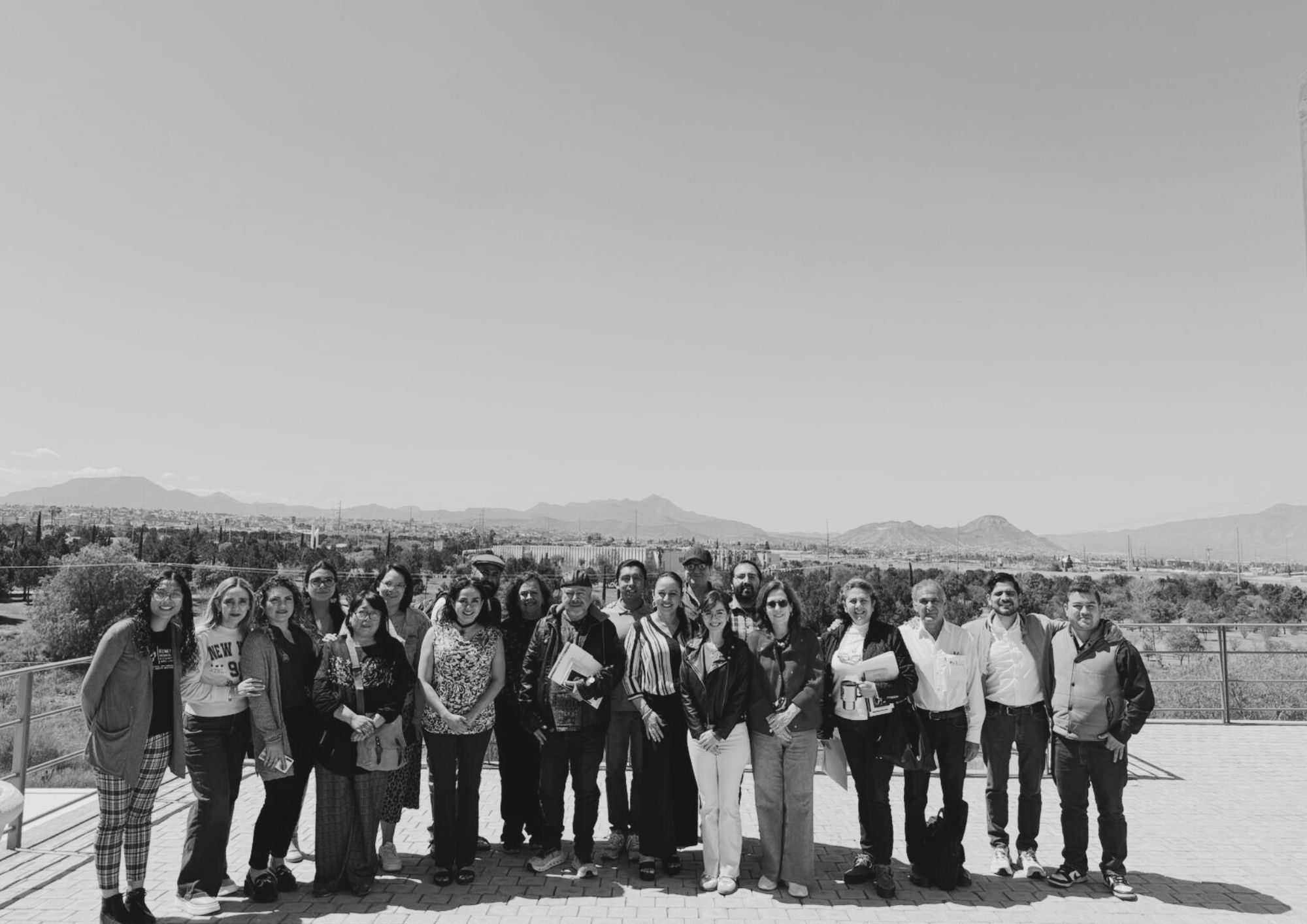 The workshop reflects the strong collaborative framework that underpins HerMaP Mexico, which works in close partnership with local institutions to ensure that training activities are grounded in local realities and needs.
HERITΛGE extends its sincere thanks to the host institutions for opening their spaces and supporting this initiative, as well as to the Ministry of Culture of the State of Coahuila for its valuable role in promoting and facilitating the workshop.
We also recognize the commitment and active participation of all attendees, whose willingness to share experiences enriched the learning environment.
This workshop is part of a broader series of training activities under HerMaP Mexico, aimed at strengthening cultural heritage management across Mexico’s northern border states.
By creating spaces for learning, exchange, and collaboration, HERITΛGE continues to support local actors in documenting, preserving, and activating cultural heritage as a resource for community identity and sustainable development.
HERITΛGE launches HerMaP Mexico
The Heritage Management Organization (HERITΛGE) is proud to announce the launch of HerMaP Mexico, a two-year intervention that will support heritage management initiatives across six Mexican states that share a border with the United States — Baja California, Sonora, Chihuahua, Coahuila, Nuevo León, and Tamaulipas — and empower local communities to harness their cultural heritage as a source of identity, learning, and sustainable development.
Building on the success of HERITΛGE’s international programs, this new project represents a major milestone in the organization’s growing engagement in North America. It will bring together heritage professionals, community organizations, and cultural leaders from across the region to map heritage ecosystems, build capacity, and support community-led projects.
“We see HerMaP Mexico as a transformative initiative — both for the organization and for heritage professionals across Mexico’s border states,” said HERITΛGE’s Denise Navarro Becerra, HerMaP Mexico Project Manager. “With the Mellon Foundation’s generous support, we aim to connect and empower those heritage managers and stewards in one of the world’s most dynamic cultural regions.”
A Four-Pillar Approach to Strengthening Heritage
HerMaP Mexico’s activities are structured around four key pillars:
- Mapping: Identifying actors, capacities, infrastructure, and gaps in heritage management across the six states.
- Capacity Building: Delivering targeted heritage management training programs adapted to and inspired by the local contexts through in-person and online sessions.
- Networking: Organizing regional networking events to connect local, national, and international actors in heritage management.
- Re-granting: Distributing small grants to community-focused heritage projects.
These activities will engage a wide range of stakeholders and topics in cultural heritage management, highlighting the richness and diversity of the border region’s cultural heritage. The program will run until September 2027, combining in-person activities with digital learning resources available through HERITΛGE’s Training Platform.