
: AHEAD EU Project
HERITΛGE 2025 Wrap-Up
In 2025, HERITΛGE continued to translate its mission of community-centred, inclusive, and sustainable heritage management into action across continents. From building local capacity across the world to advancing digital innovation and participatory practice in Europe and beyond, the year was defined by strong partnerships, expanded training, and tangible impact. HERITΛGE’s work in 2025 demonstrated how heritage can act as a driver of resilience, dialogue, and long-term social value, rooted in communities, connected globally, and oriented firmly toward the future.
1.The HerMaP Gambia successful completion
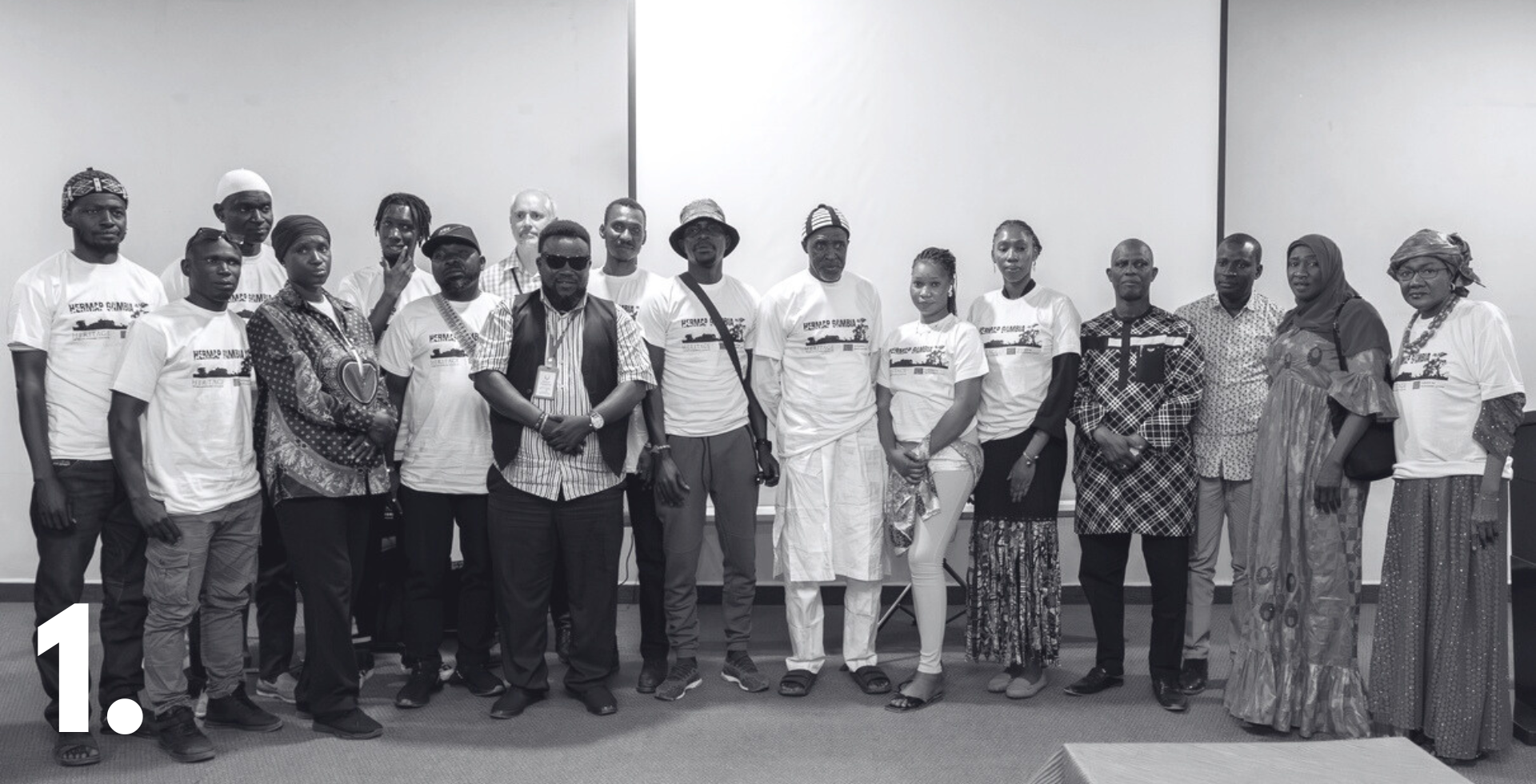
In February, HERITΛGE marked the successful completion of HerMaP Gambia, an initiative co-funded by the EU, by celebrating a milestone in community-driven heritage management. A certificate ceremony and visual art exhibition was held as part of The Gambia’s 60th Independence Anniversary celebrations, bringing together EU representatives, parliamentarians, and the Chair of the National Assembly to honour the dedication of the programme’s trainees. One week later, the Minister of Tourism, Members of Parliament, EU representatives, and a broad range of stakeholders convened for a high-level stakeholder lunch focused on sustaining the transformative results of the project. Already, we are seeing HerMaP Gambia graduates applying their new skills across the country—strengthening local heritage initiatives, engaging communities, and even training others. The programme’s impact is now firmly rooted in the sector, creating momentum that will shape heritage management in The Gambia for years to come.
2. HerMaP Africa: Building Capacity and Partnerships Across Three Countries
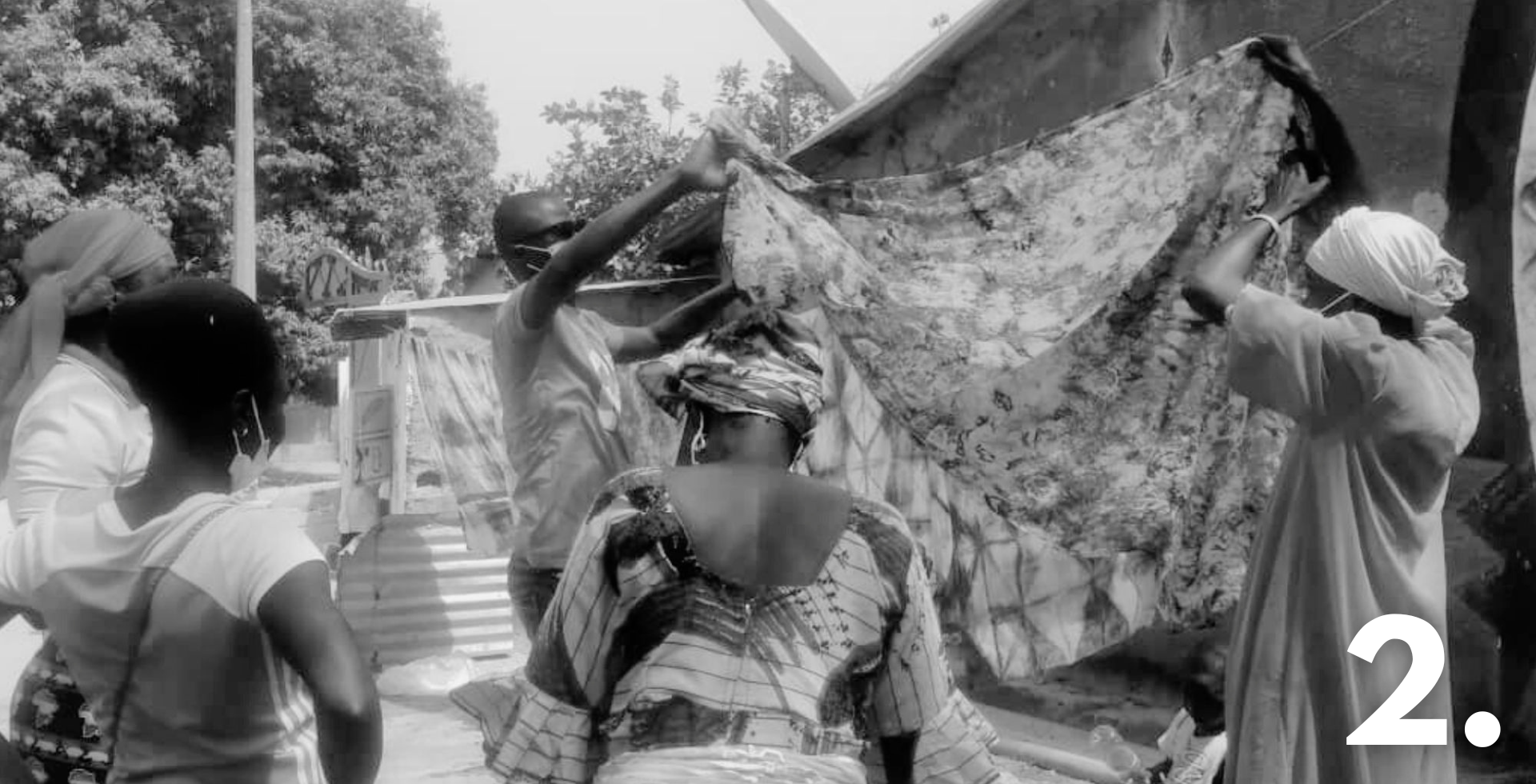
In 2025, HERITΛGE deepened its impact across Ethiopia, Ghana, and Rwanda through targeted capacity building, strategic partnerships, and close engagement with local cultural ecosystems, as part of the HerMaP Africa initiative supported by the Mellon Foundation. In Ethiopia, HERITΛGE delivered seven workshops and trained 127 participants, with a strong emphasis on hands-on, in-person conservation training. Notably, conservation workshops in Harar focused on equipping the next generation of staff from the Culture and Tourism Bureau with practical skills to safeguard this unique living heritage site, reinforcing long-term, community-based preservation. Institutional collaboration was further strengthened through the signing of two Memoranda of Understanding with key Ethiopian organisations. In Ghana, HERITΛGE delivered four workshops and trained 80 participants, ensuring broad regional representation and inclusive access to capacity building beyond major urban centres. A national networking roundtable brought together stakeholders and project leaders to exchange experiences, align priorities, and address shared challenges in the heritage sector, alongside the signing of two strategic MoUs. In Rwanda, four workshops trained 78 participants, and three MoUs were signed with leading institutions, including a milestone partnership with the Ministry of Youth and Arts. HERITΛGE also contributed to the Ubumuntu Arts Festival through programme consultations and a participatory session with young creatives, strengthening connections between heritage, contemporary culture, and youth engagement. Across all three countries, a dedicated Train-the-Trainers programme equipped 19 heritage professionals to act as HERITΛGE ambassadors, significantly amplifying local capacity and long-term impact.
3. Small Grants for African Heritage
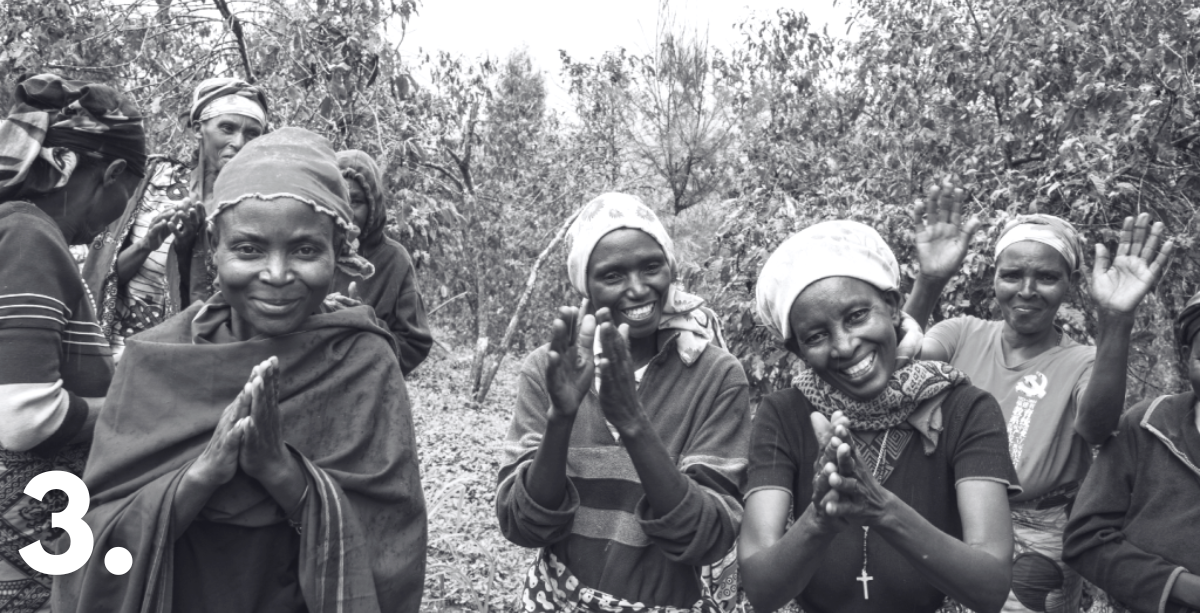 The regranting phase of HerMaP Africa reached its conclusion, marking one of the most ambitious and impactful heritage-support programmes on the continent. Since 2023, HERITΛGE has received more than 2,500 applications from across Africa and funded over 74 small heritage projects, each led by local actors working to safeguard, reinterpret, and activate their cultural heritage. This regranting initiative was made possible with the generous support of the Mellon Foundation. Throughout the year, grantees participated in six regional convenings, creating spaces to exchange experiences, strengthen their skills, and learn from peers—building a growing network of practitioners committed to community-centred heritage work. Several more convenings are planned for 2026 to continue nurturing this collaborative ecosystem. The results have been remarkable: from revitalised cultural practices to restored and more resilient cultural sites, to new opportunities for local development, these projects are already transforming lives. We are proud to showcase this work through dedicated social media features and a new publication that brings together the stories, challenges, and achievements of the HerMaP Africa grantees.
4. HerMaP Mexico: Launching a New Border Region Initiative
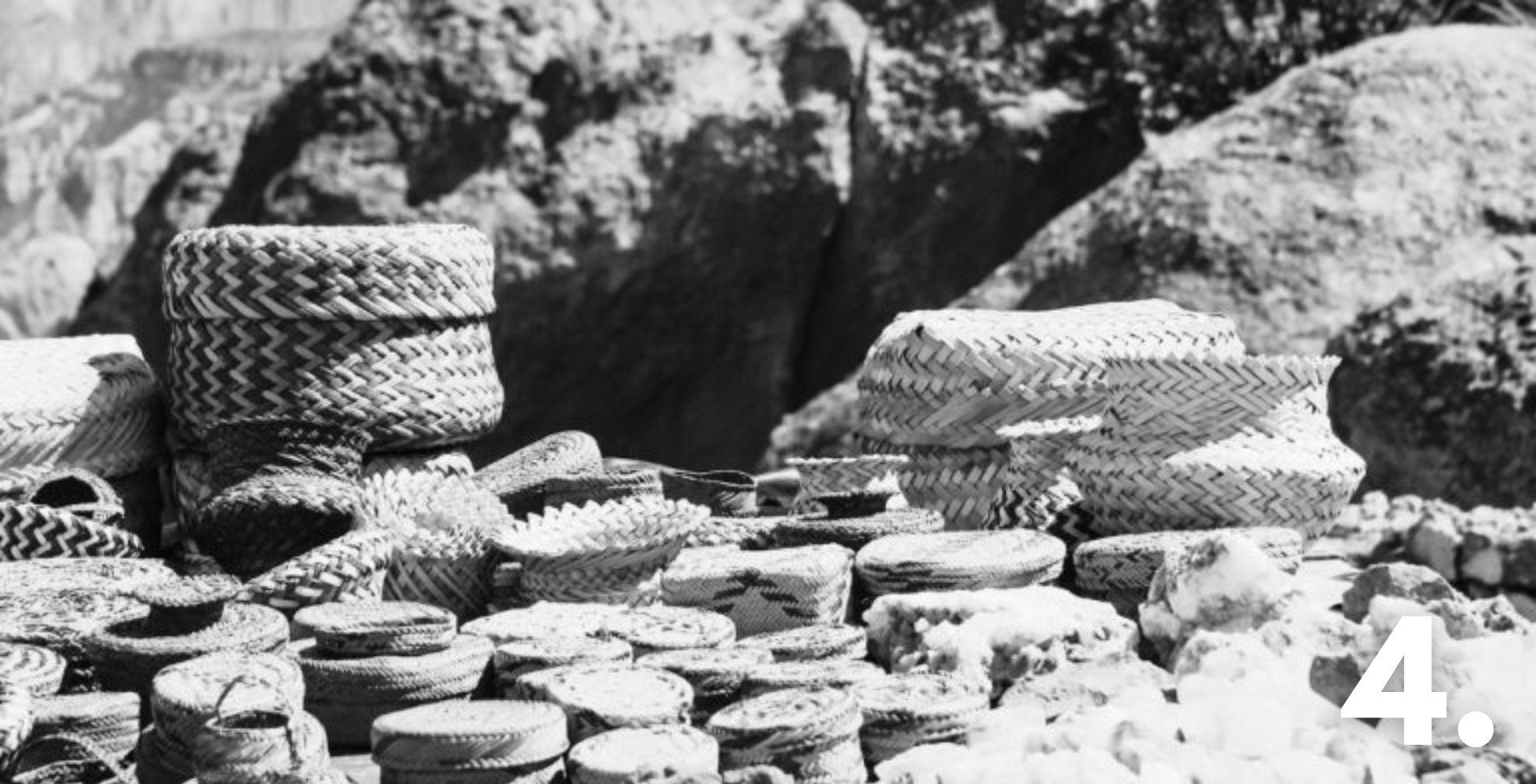
This year also marked the launch of HerMaP Mexico, a major new initiative that expands HERITΛGE’s work into North America and supports cultural heritage actors across Mexico’s northern border states. Funded by the Mellon Foundation’s Humanities in Place programme, the project brings a comprehensive, community-focused approach to heritage management through mapping, training, networking, and small grants. In 2025 we established the foundations of the programme: building local partnerships, initiating the mapping of heritage professionals and institutions across six states, and preparing the first round of capacity-building workshops to be delivered in both Spanish and English. HerMaP Mexico responds to the region’s unique cultural landscape—shaped by Indigenous, mestizo, migrant, and Chicano communities—and aims to strengthen local skills while creating new opportunities for collaboration and sustainable development. As the project moves forward, it will support locally led initiatives and grow into a long-term platform that connects heritage practitioners across the border region with global networks and resources.
5. Professional Training and Executive Leadership Education Programmes
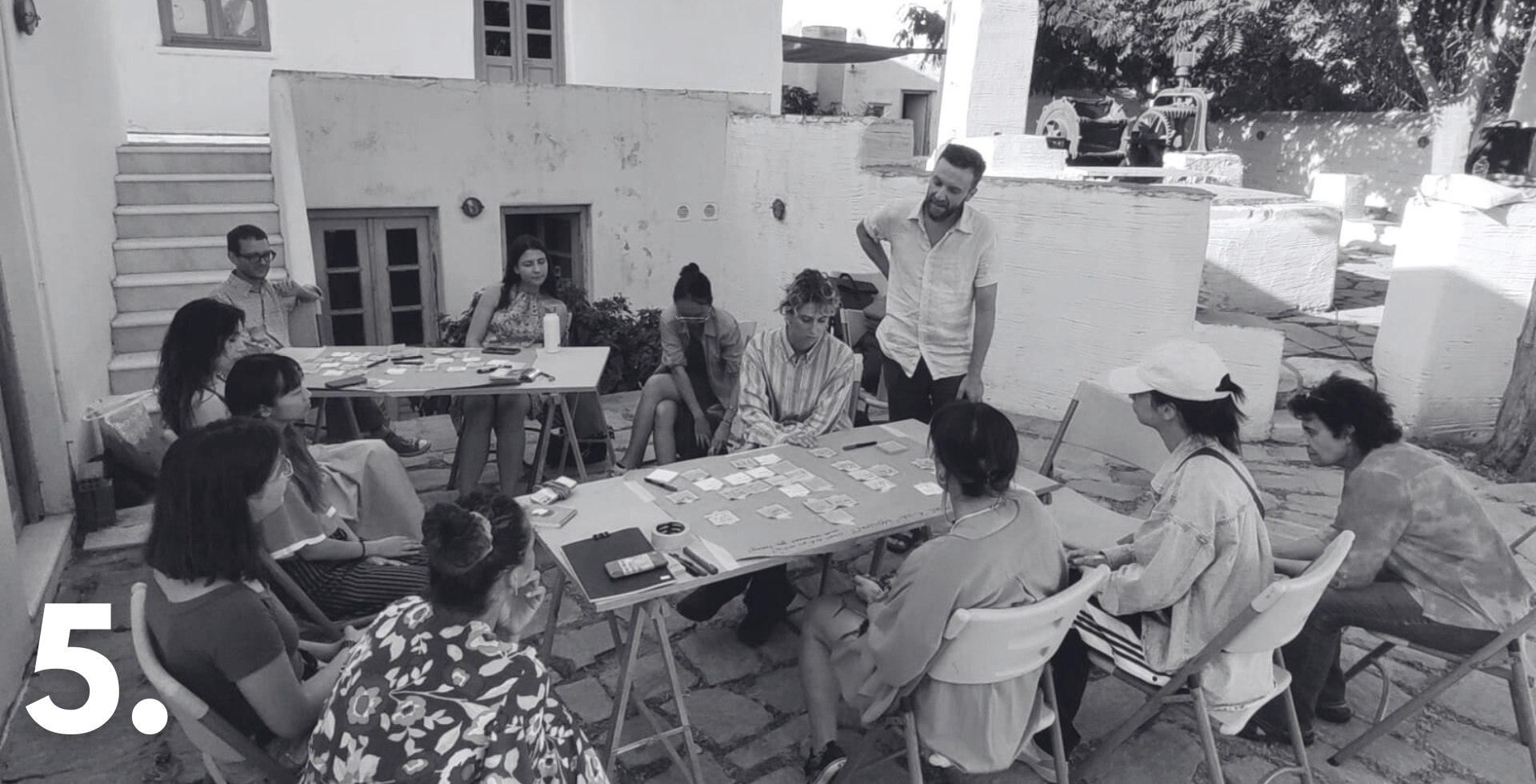
HERITΛGE continued to strengthen its leadership in professional training by expanding its Executive Leadership Education programmes and reinforcing its global learning community. A key milestone was the introduction of Community Tourism and Development into the curriculum, responding to the growing need for heritage managers to understand how cultural resources can generate sustainable economic benefits while reinforcing social cohesion, identity, and community resilience. This year also saw the first alumni conference of the Engaging Communities in Cultural Heritage Summer School, bringing together former participants from around the world to share research, field experiences, and community-based practices. Alongside this, HERITΛGE successfully delivered its Conservation Series Training Programmes for the second time, expanding the offer to include First Aid for Finds and Preventive Conservation, and equipping participants with practical skills applicable across diverse heritage contexts. The Training of Trainers (ToT) programme continued to grow, building a global cohort of HERITΛGE Ambassadors—heritage professionals trained to deliver high-quality, cross-cultural capacity building within their own communities. Together, these initiatives reflect HERITΛGE’s ongoing commitment to community-centred heritage management, interdisciplinary collaboration, and the empowerment of professionals working at the intersection of culture, development, and sustainability, supported by a vibrant international network united by shared values and collective impact.
6. Advancing Audience-Centred Heritage Practice through AHEAD
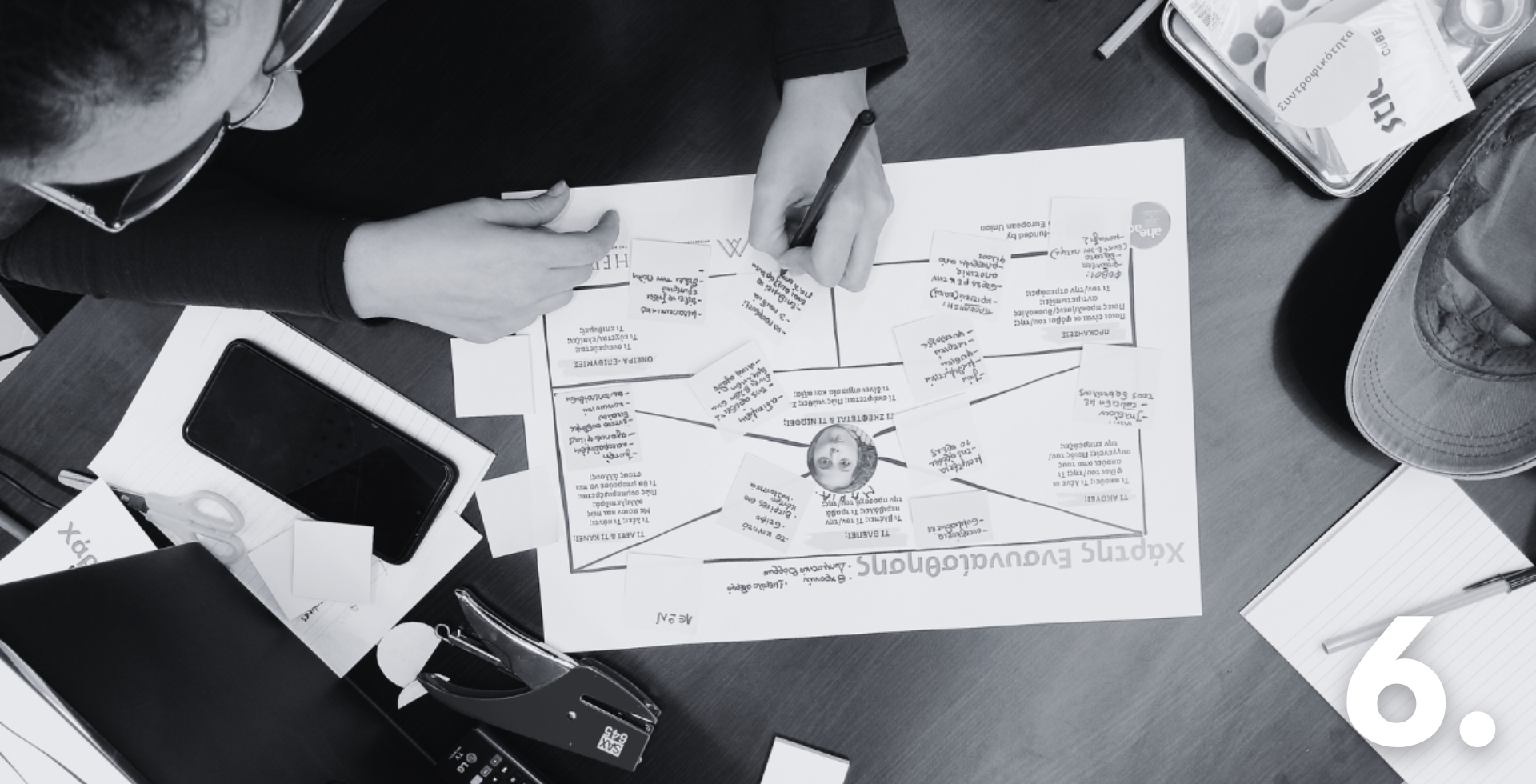
In 2025, HERITΛGE advanced its work on audience-centred heritage practice through AHEAD (Accessible Heritage Experience for Audience Development), a project co-funded by Creative Europe and dedicated to strengthening participation, co-creation, and sustainability across the cultural heritage sector. At the Archaeological Museum of Messara, the project’s Greek hub, HERITΛGE hosted a series of co-creation labs in early 2025, followed by a study visit for AHEAD project partners in May, creating space for peer learning and in-depth exchange around participatory heritage approaches. In July, the 3rd AHEAD Networking Event brought together practitioners and researchers, and featured the presentation of the Living Heritage Network in Greece by Theodosia Maroutsi, highlighting how community-led approaches can be embedded in national heritage ecosystems. In September, HERITΛGE organised a dedicated Multiplier event in Athens to share the results of AHEAD with heritage managers, researchers, and cultural professionals. The project culminated in October with the presentation of AHEAD and its outcomes in Brussels and, for the Greek hub, a public event at the Archaeological Museum of Messara, where Elektra Angelopoulou, the project’s artist-in-residence, presented a site-specific artwork co-created with the local community. Alongside these events, AHEAD produced a dedicated magazine and learning resources that document the project’s insights and offer practical tools for fostering co-creation, inclusion, and long-term sustainability in cultural heritage practice.
7. SHIFT: Inclusive Digital Innovation for the Future of Cultural Heritage
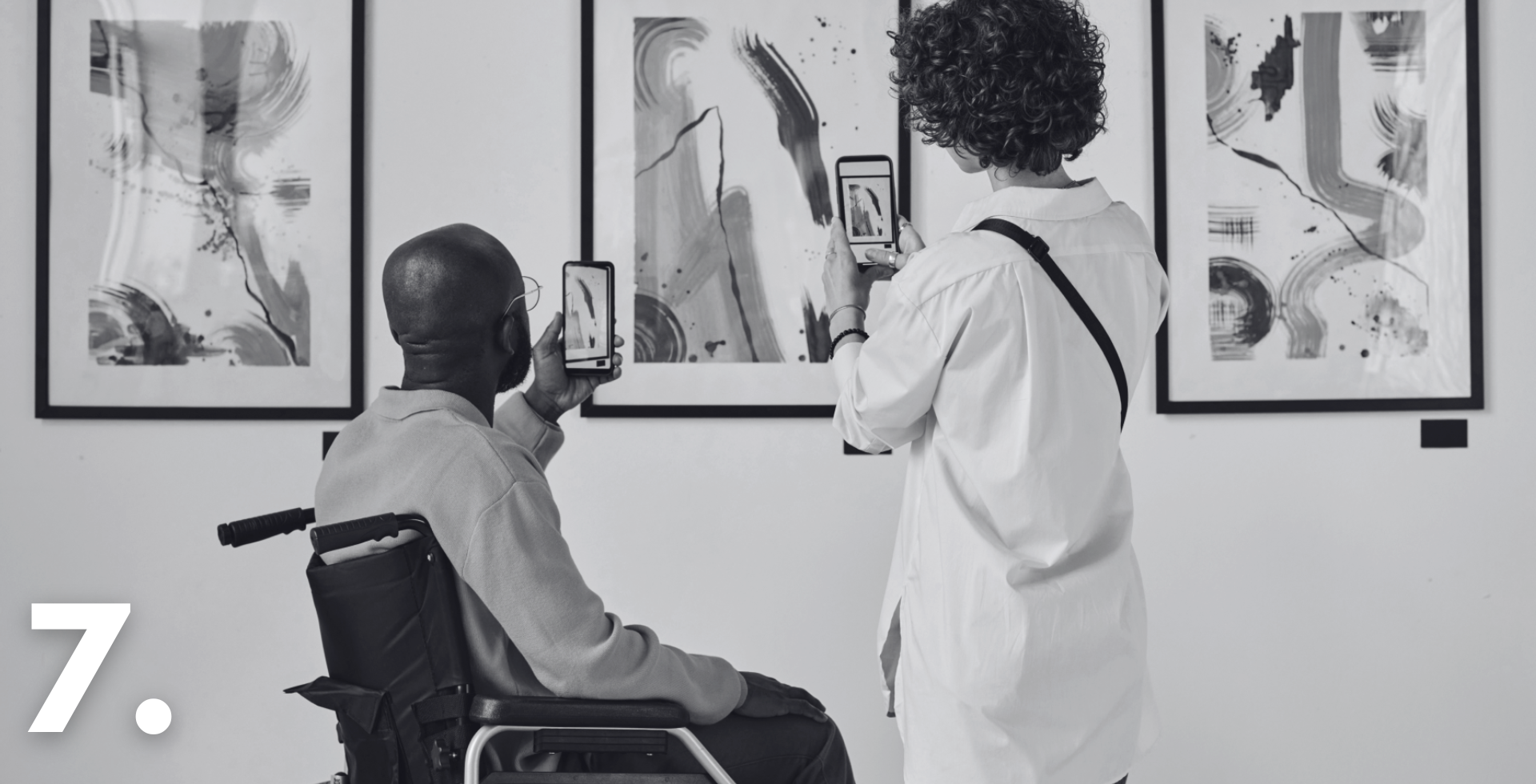
HERITΛGE and its SHIFT consortium partners concluded this ambitious Horizon Europe project aimed at making cultural heritage more accessible, inclusive, and engaging through advanced technologies. Over its lifetime, SHIFT delivered a suite of innovative tools—including an Image-to-Video generator, affective speech synthesis, haptics interfaces, and a platform designed to support inclusive digital storytelling—alongside a pioneering Extended Reality (XR) Accessibility Framework. These results were tested and refined through four pilot events in Germany, Hungary, Romania, and Serbia, ensuring that the tools responded to real needs within museums, libraries, and cultural organisations. The project’s achievements were showcased at major gatherings such as the Digital Heritage World Congress and Expo in Siena, highlighting SHIFT’s contribution to the future of digital cultural heritage. As part of our commitment to long-term impact, HERITΛGE developed a set of training modules to equip cultural heritage professionals with the skills they need to adopt and apply these new technologies in their own contexts.
8. Strengthening a National Platform for Living Heritage
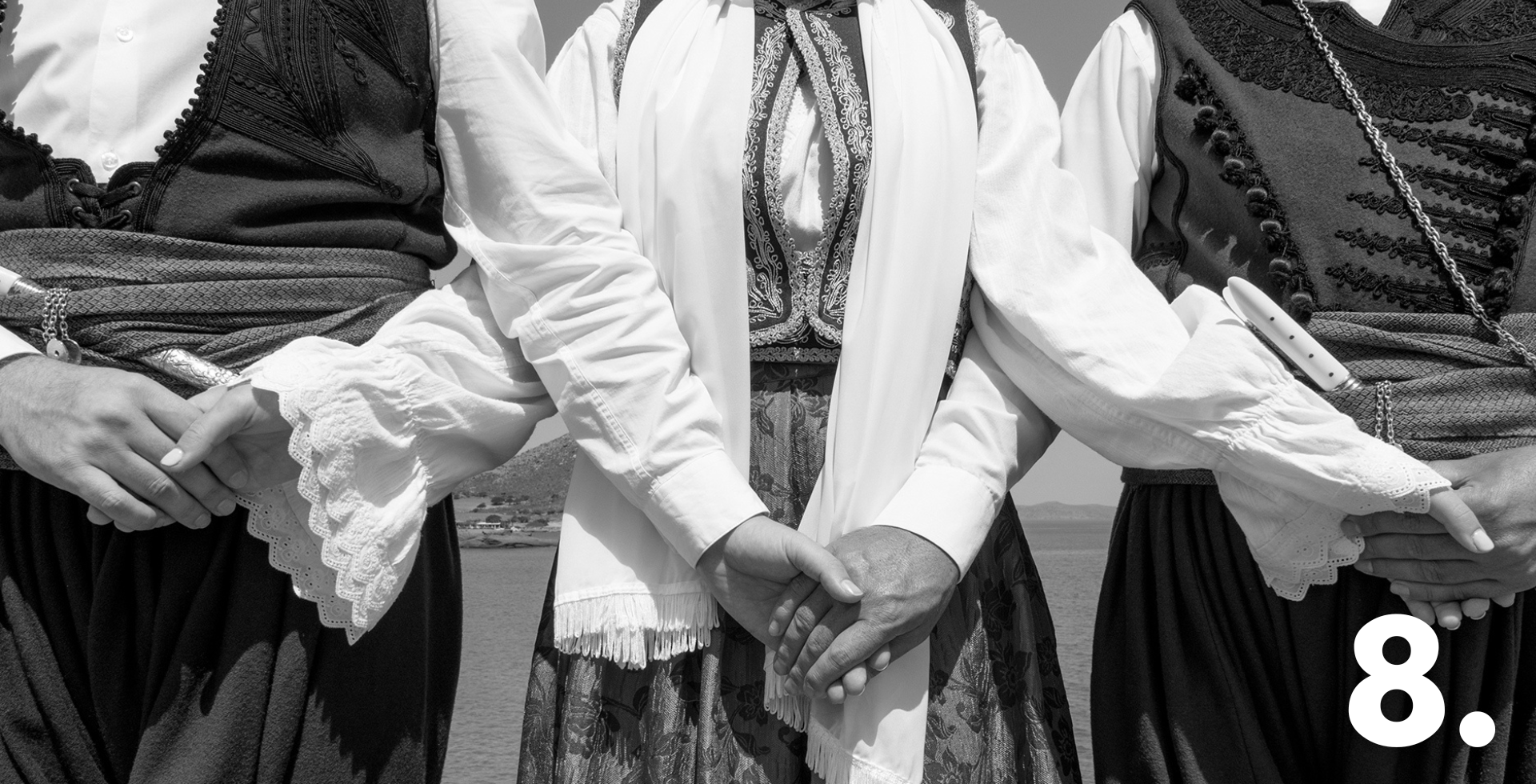
HERITΛGE strengthened its commitment to living heritage in Greece as a founding member of the country’s Living Heritage Network, with our Greek Programmes Manager, Theodosia Maroutsi, serving for the third year on its coordinating committee. In this role, HERITΛGE actively contributed to the Network’s 2nd National Meeting, held in Athens on 21–23 February, a major highlight of the year, where Theodosia welcomed participants and drove the dialogue during the “Living Heritage Network: Formation and Perspectives” roundtable “ reflecting on the Network’s development and future direction. HERITΛGE also delivered one of the leading side events of the 2nd National Meeting, a hands-on workshop, for 30 participants, titled “Working on the Narrative Interpretation of Living Cultural Heritage,” supporting practitioners in exploring narrative approaches to interpreting living heritage. Our impact extended well beyond the 2nd National Meeting’s floor. HERITΛGE was instrumental in drafting the Network’s Mapping Questionnaire, which was also launched in autumn of 2025. This Mapping is a crucial initiative designed to identify the essential needs of the living heritage ecosystem. The Network’s work was further amplified through HERITΛGE’s involvement in European projects: it was featured in AHEAD, where Theodosia participated in the 3rd Online Networking Event and was interviewed for the project’s magazine—freely available in English, Greek, Italian, and Spanish—and in EMPATHS, where the Network informed stakeholder mapping, cross-sector interviews, and co-design findings. Together, these activities positioned the Living Heritage Network as a key grassroots platform for participatory, community-led heritage practice in Greece and beyond.
9. Safeguarding Pakistan’s Most Significant and Vulnerable Cultural Landscapes
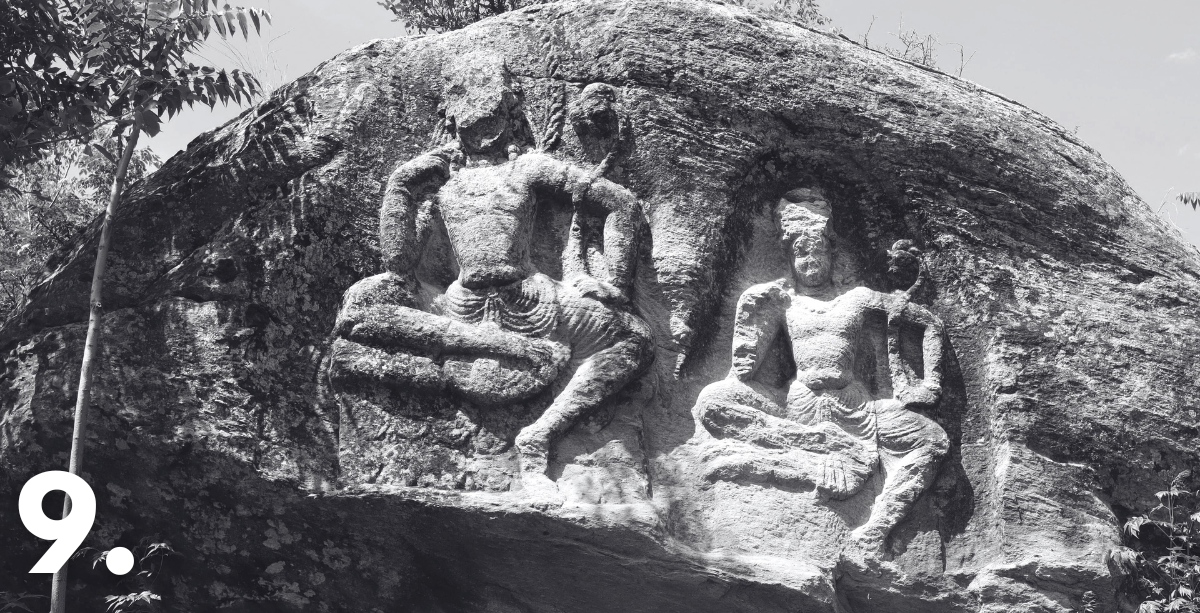
HERITΛGE and our partners completed the first phase of the project Preservation of Buddhist Rock Reliefs in the Swat Valley, safeguarding one of Pakistan’s most significant and vulnerable cultural landscapes. The initiative documented and conserved Buddhist rock carvings dating from the 8th to the 10th centuries, while also recording oral histories, legends, and traditional arts and crafts that link Pashtun culture with the Valley’s Buddhist past. Using advanced digital techniques, 78 rock reliefs were documented and made accessible through a public website featuring interactive maps and 3D models, and first aid conservation was carried out on 39 of the most at-risk sites. Capacity building was central to the project, with local participants trained in digital documentation and climate change adaptation. This first phase concluded with a public event at the Swat Museum and was presented internationally, including at the Lahore Museum, the Venice Biennale, and COP30, where it was cited as a strong example of heritage resilience in the face of climate change. Funded by the British Council’s Cultural Protection Fund and implemented with local and international partners, the project demonstrates how conservation, community engagement, and digital innovation can work together to protect heritage for future generations.
10. EMPATHS: Advancing Participatory Heritage Interpretation Across Europe
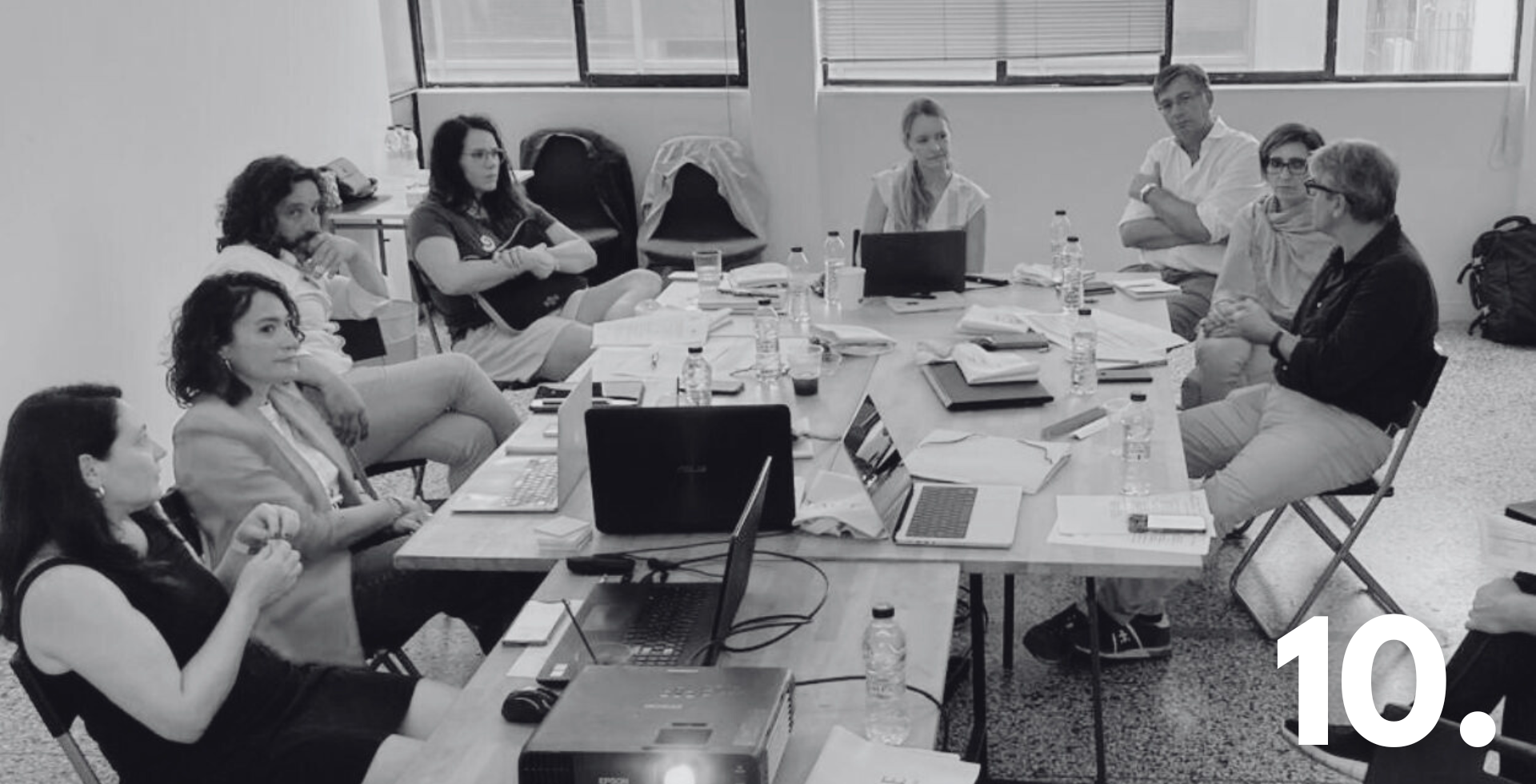
In 2025, HERITΛGE deepened its engagement in the Erasmus+–funded EMPATHS project, which aims to equip heritage professionals with the skills needed for participatory, community-driven heritage interpretation. Early in the year, the project contributed to international dialogue through a LDnet webinar on empowering local communities for smart and sustainable cultural heritage, while in May it published the EMPATHS Baseline Report, offering a comprehensive overview of current practices, challenges, and opportunities in participatory heritage interpretation across Europe and beyond. EMPATHS was further showcased at the European Association of Archaeologists (EAA) Congress in Belgrade, through the session “Voices of the Past, Hands of the Present: Collaborative Pathways in Archaeology and Heritage Interpretation.” In parallel, HERITΛGE led two online co-design sessions in Greece with heritage professionals from Alexandroupoli and Rizía, marking the project’s first structured dialogue between technical partners and piloting organisations and directly informing the design of the forthcoming training programme. Over the summer, EMPATHS published four key deliverables, including stakeholder mapping, cross-sector interviews, and co-design findings, all reinforcing the demand for skills in facilitation, storytelling, and emotionally resonant communication. The year culminated with the project’s second Transnational Project Meeting in Athens, where partners advanced work on the EMPATHS methodological compendium and training framework, the presentation of the project during a Global Alliance for Heritage Interpretation Webinar, and, importantly, with the publication of the EMPATHS Manifesto—a collective call to move beyond top-down interpretation and embrace heritage as a shared, democratic, and future-oriented process shaped with communities.
11. Community-Led Preservation of Earthen Architecture in Shibam, Yemen
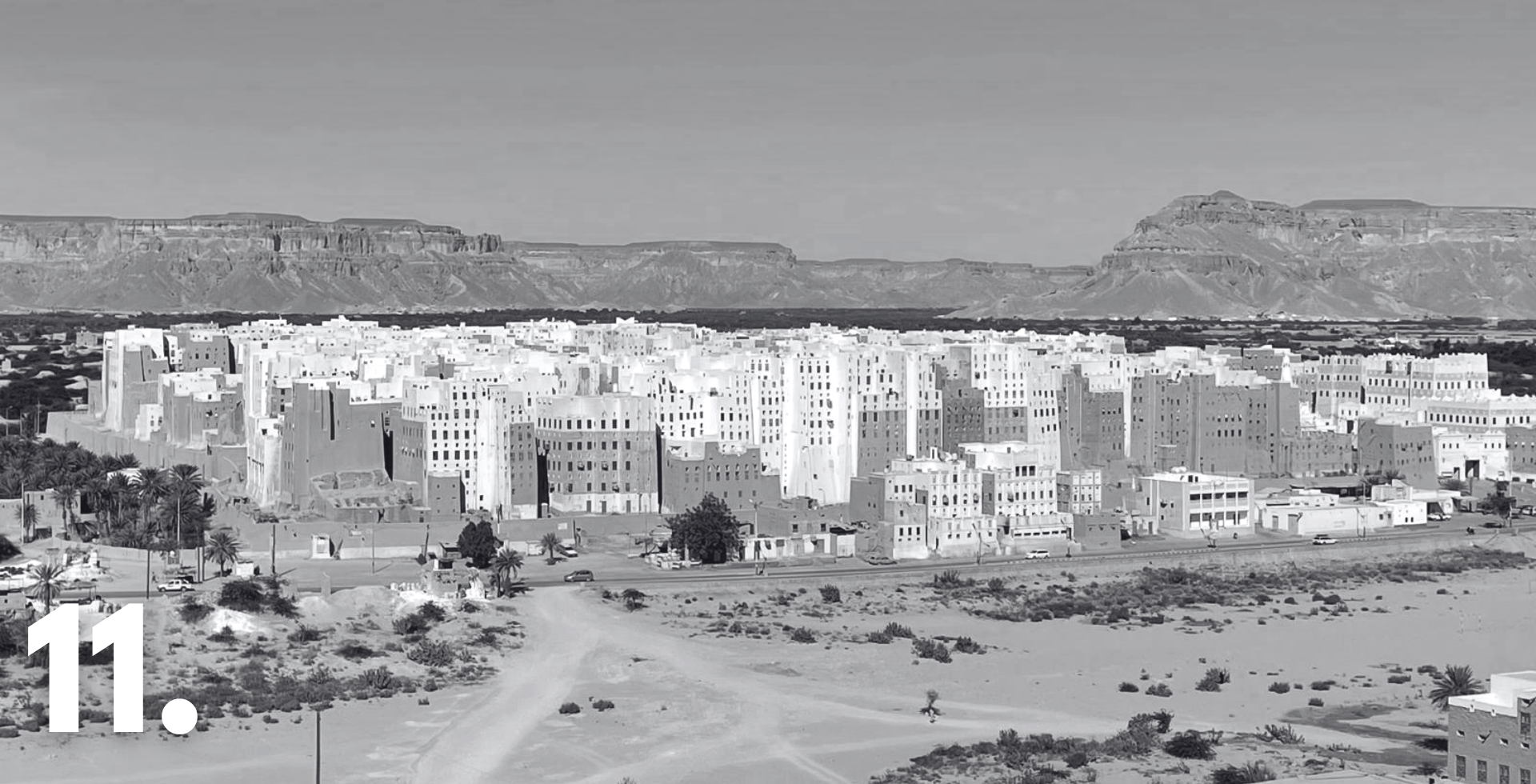
In Yemen, HERITΛGE advanced a major effort to safeguard the cultural heritage of Shibam through the ALIPH-funded project Preserving the Unique Earthen Architecture of Shibam. In early 2025, museum experts Shatha Safi and Khulod Najjar travelled to the UNESCO World Heritage city to guide the community-led planning of a new museum that will bring together collections currently scattered across Shibam and create dedicated spaces for traditional arts, crafts, and digital learning. Their visit marked a pivotal moment in the project, with consultations held with local authorities, heritage institutions, and women from the community to ensure the museum reflects the lived experiences, history, and aspirations of Shibam’s residents. Alongside this vision-setting, HERITΛGE is training local professionals on-site, with four trainees already working with our team on the documentation of the South Palace—future home of the museum. Complemented by architectural assessments and a climate action study, the project is laying the groundwork for a resilient cultural hub that will support preservation and community engagement for years to come.
12. Safeguarding Architectural Heritage in Times of War in Ukraine
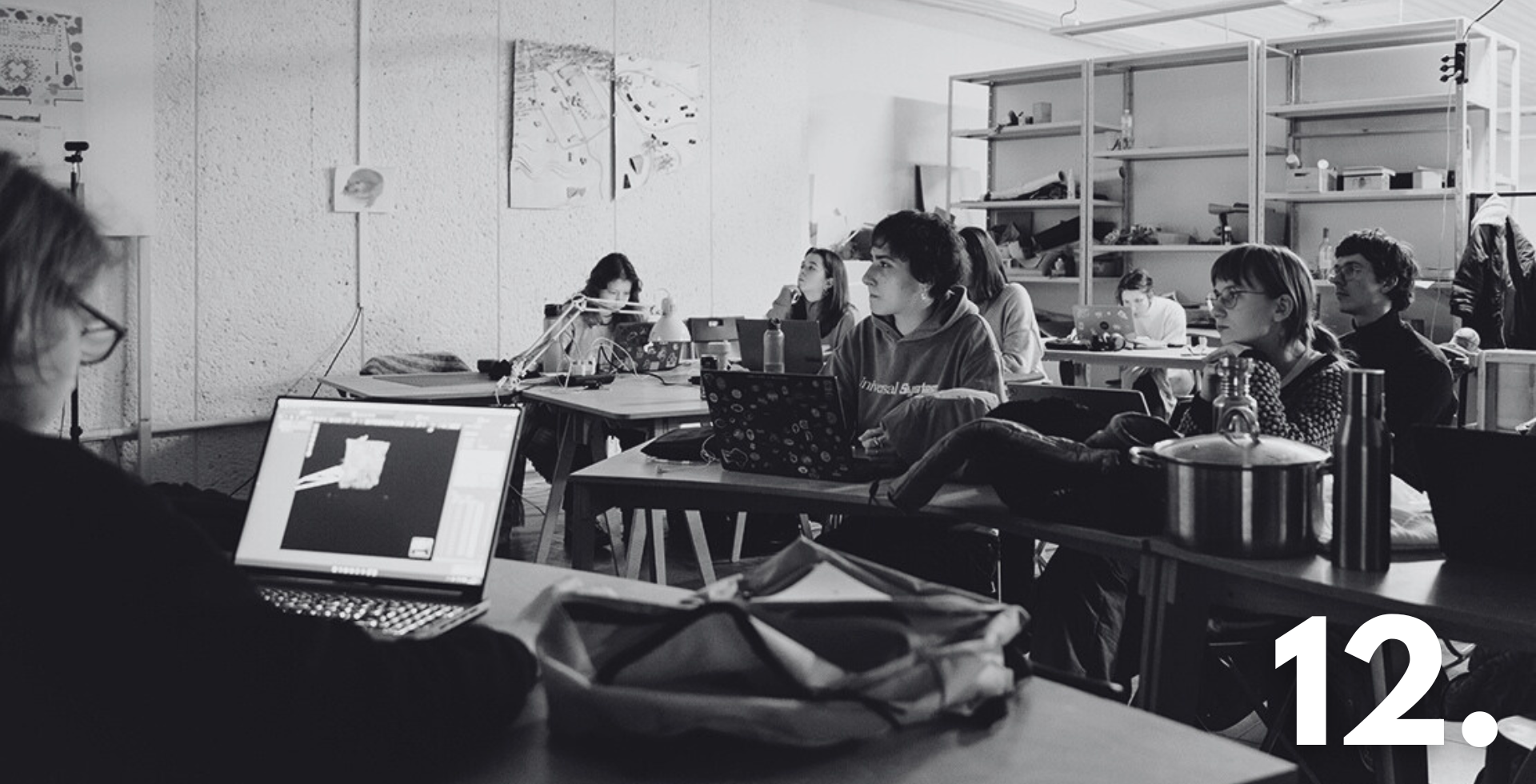
In Ukraine, HERITΛGE advanced critical work to protect architectural heritage threatened by war through the project Architectural Heritage Preservation in Times of War: The Ukrainian Model, delivered with the Kharkiv School of Architecture and 3D documentation specialists Skeiron. Launched in September 2024, the programme trained 30 students and 10 educators from across the country in cutting-edge documentation and conservation techniques—from photogrammetry and 3D laser scanning to international heritage standards—while providing hands-on field internships in Western Ukraine. Together, they created high-resolution digital records of 15 at-risk sites, safeguarding knowledge even as physical structures remain vulnerable. Through educator training and a series of public webinars, the project also planted the seeds for a new nationwide curriculum in architectural heritage preservation. Its impact extends far beyond a single academic year: it has built a cohort of young architects and teachers equipped with the skills, networks, and resolve to protect Ukraine’s cultural memory during conflict and beyond. Their work stands as a reminder that preserving heritage is not only an act of conservation, but an act of resilience and recovery.
13. New Projects for the Digital Transformation of Cultural Heritage
 In 2025, HERITΛGE became a consortium partner in two new projects funded under the EU’s Horizon Europe programme, both contributing to the ECHOES initiative and the development of the European Collaborative Cloud for Cultural Heritage (ECCCH). ECHOES aims to establish a shared digital infrastructure that brings together currently fragmented cultural heritage communities, offering access to data, advanced digital tools, scientific resources, and training materials developed collaboratively by heritage professionals and researchers. HERITΛGE participates in MusicSphere, a project dedicated to preserving and interpreting traditional musical organs—such as pipe organs and their ancient Greek counterpart, the hydraulis—through high-fidelity digital replicas, acoustic modelling, and immersive virtual and augmented reality experiences that capture both their physical structure and sonic interaction with architectural spaces. HERITΛGE is also a partner in EXCALIBUR, which focuses on burial sites, excavation contexts, artefacts, and human remains, developing human-centred, affordable digital twin technologies to support research, conservation, restoration, and museum interpretation. Together, these projects contribute to the long-term preservation, study, and public understanding of complex heritage assets, while ensuring that open, interoperable, and practitioner-driven tools are shared through the ECCCH platform for broad professional and societal impact.
New Release: The AHEAD Magazine is Now Available!
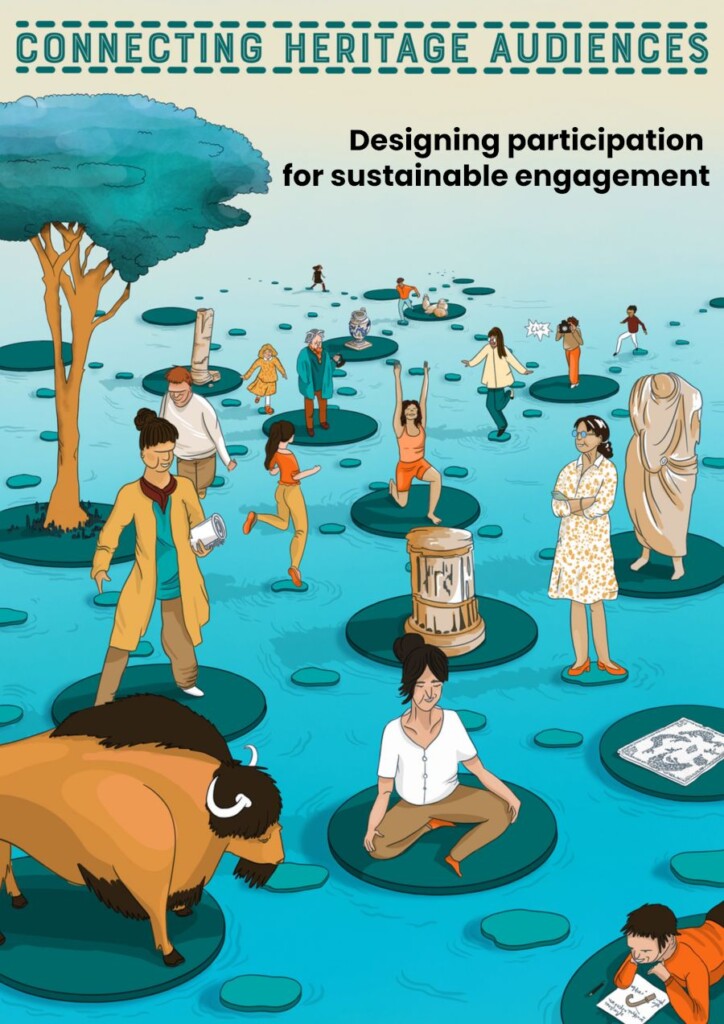
Illustration by Coralie Moy
HERITΛGE is proud to be part of the EU-funded AHEAD project, and today we’re excited to share the publication of the brand-new AHEAD Magazine — a comprehensive look back at our two-year journey transforming how audiences engage with cultural heritage.
This rich publication brings together insights, case studies, and reflections from the project’s three hubs — Ostia Antica, Altamira, and Messara. It highlights how participatory design and audience-centered approaches are reshaping heritage experiences across Europe.
Inside the magazine, readers will find stories of collaboration with local communities, innovative methods for capacity building, real examples of co-creation with cultural professionals, fresh perspectives on making heritage more accessible, inclusive, and engaging
Available in English, Italian, Greek, and Spanish, the magazine offers an inspiring look into the future of heritage interpretation and audience engagement.
HERITΛGE’s Roula Gkika and Theodosia Maroutsi (the latter in her capacity as a member of the Coordinating Committee for the Living Heritage Network) contributed to this publication, along with Elektra Angelopoulou, the artist selected to collaborate with the Greek Hub at the Archaeological Museum of Messara. HERITΛGE head of Public Programs, Aris Anagnostopoulos, was part of the editorial team.
Coralie Moy was commissioned by the AHEAD team to create the magazine cover and illustrations.
Find out more and download the AHEAD Magazine here.
AHEAD Final Event in Brussels: Co-creation Tools for Cultural Heritage
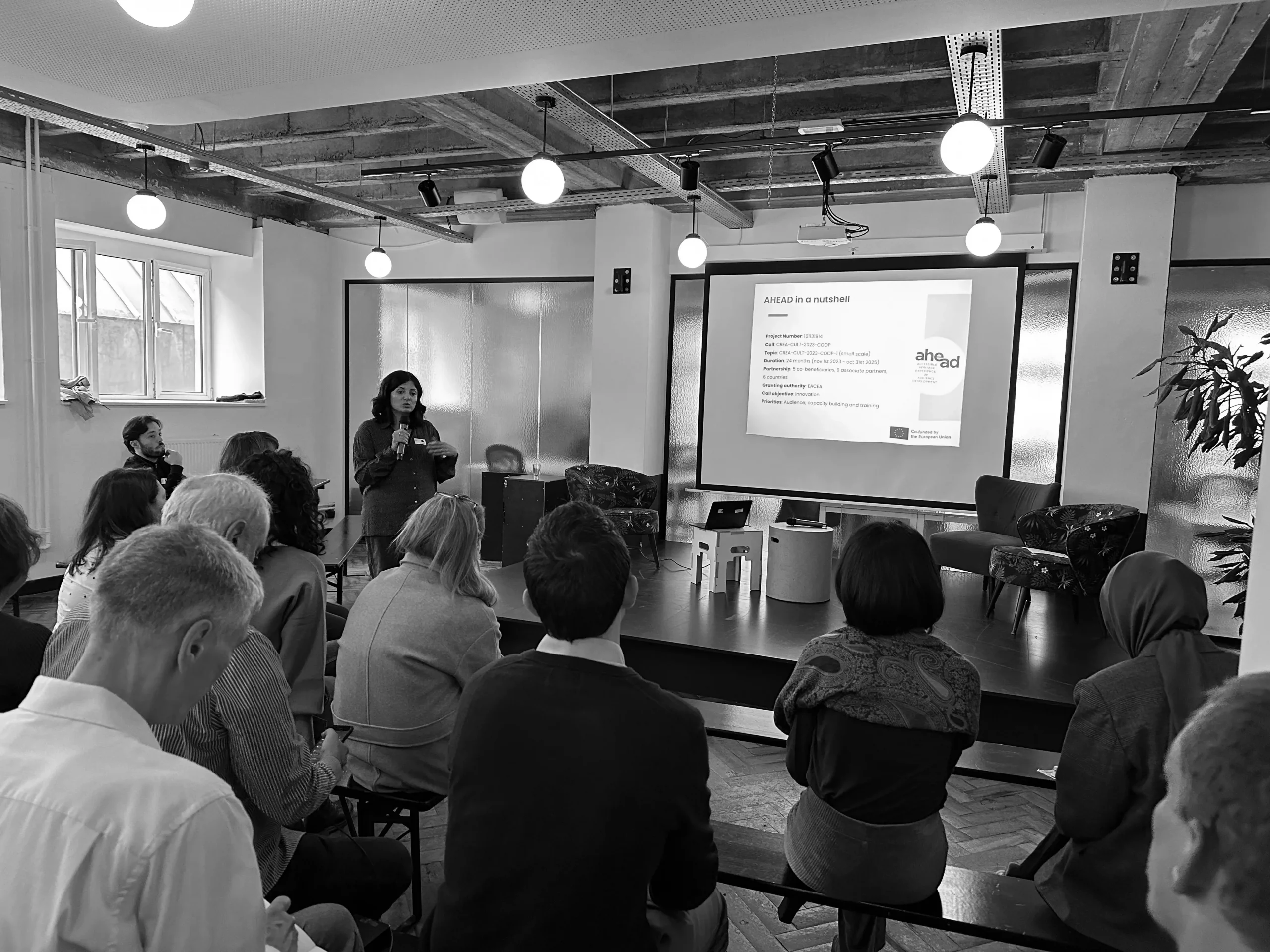
The AHEAD project concluded its journey with a dynamic final multiplier event in Brussels on October 13th, 2025, bringing together cultural professionals, researchers, and policymakers to explore how co-creation and audience-centered approaches can shape a more inclusive and innovative future for the cultural heritage sector.
“HERITAGE is proud to be a part of the AHEAD project, working to give Cultural Heritage Professionals the tools and methods to use design thinking to co-create new experiences with their target audiences and develop new audiences for their institutions,” said Roula Gkika, the organization’s AHEAD project manager.
Hosted at BeCentral, the event, titled “AHEAD in Brussels: Co-creation Tools for Cultural Heritage”, offered an engaging afternoon of presentations, discussions, and collaboration. Gilles Pellayo, representing the European Education and Culture Executive Agency (EACEA), addressed participants, highlighting the project’s contribution to EU priorities in culture, participation, and capacity building.
Participants heard from AHEAD partners including the Archaeological Park of Ostia Antica, the National Museum and Research Center of Altamira, and the Archaeological Museum of Messara, alongside artists, researchers, and cultural managers who have co-developed and tested AHEAD’s participatory tools across Europe.

Through a series of interactive sessions, from a “World Café” on capacity building, innovation, and sustainability to collaborative discussions on turning project learnings into practical, long-term tools, attendees exchanged ideas and charted new paths for audience engagement and institutional change.
The event closed with reflections and a networking reception that celebrated the project’s achievements and the strong partnerships forged throughout its implementation.
Funded by the Creative Europe programme of the European Union, AHEAD has aimed to enhance the capacity of cultural heritage institutions through a participatory audience development model. Over the past two years, the project has developed co-creation frameworks and practical toolkits that empower museums and cultural organizations to engage their audiences as active partners in heritage interpretation and innovation.
HERITΛGE run the AHEAD Greek hub in the Archaeological Museum of Messara in Crete and contributed to the project’s capacity building, community engagement and communications work.
AHEAD Multiplier Event in Athens Marks a Successful Conclusion for the Greek Hub
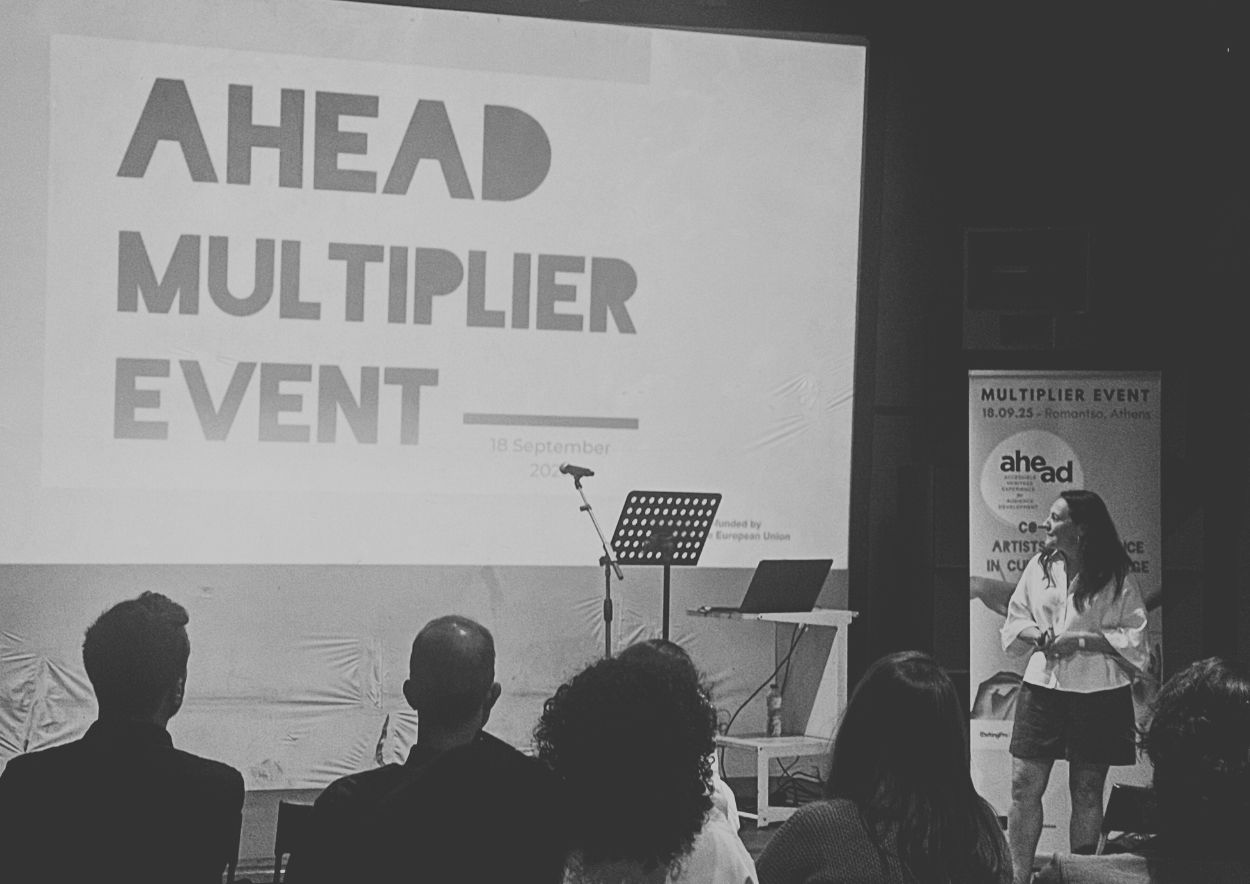 HERITΛGE is delighted to share the success of the AHEAD Multiplier Event, held on 18 September 2025 at Romantso, Athens. The gathering brought together over 40 heritage professionals from Greece and beyond, making it a fitting celebration of the Accessible Heritage Experience for Audience Development (AHEAD) project’s journey as it nears completion.
This final AHEAD event in Greece built on the work carried out over the past two years in the Greek Hub, based at the Archaeological Museum of Messara in Crete. It served as an opportunity to disseminate lessons learned, showcase achievements, and share new ideas with cultural professionals working across the country and abroad.
Throughout the project, AHEAD has explored how design thinking and participatory methods can help museums and heritage institutions better understand and engage their audiences. The Athens event highlighted how these approaches have been applied in practice — from the co-creation processes led by artist Elektra Angelopoulou in collaboration with the Messara community, to the development of prototype experiential museum experiences designed to make heritage more inclusive, accessible, and relevant to diverse audiences.
The evening included a presentation of the project’s outcomes, followed by a lively discussion and networking session over drinks and snacks. Participants exchanged insights on audience engagement, inclusivity, and sustainability in the cultural heritage sector — key themes at the heart of AHEAD’s mission.
As the project comes to a close, the Athens event underscored AHEAD’s legacy in empowering cultural professionals to design experiences that connect communities to their heritage in meaningful ways.
HERITΛGE extends heartfelt thanks to all who attended and contributed to this event — and to the AHEAD consortium partners for their inspiring collaboration throughout the project.
AHEAD Multiplier Event in Athens
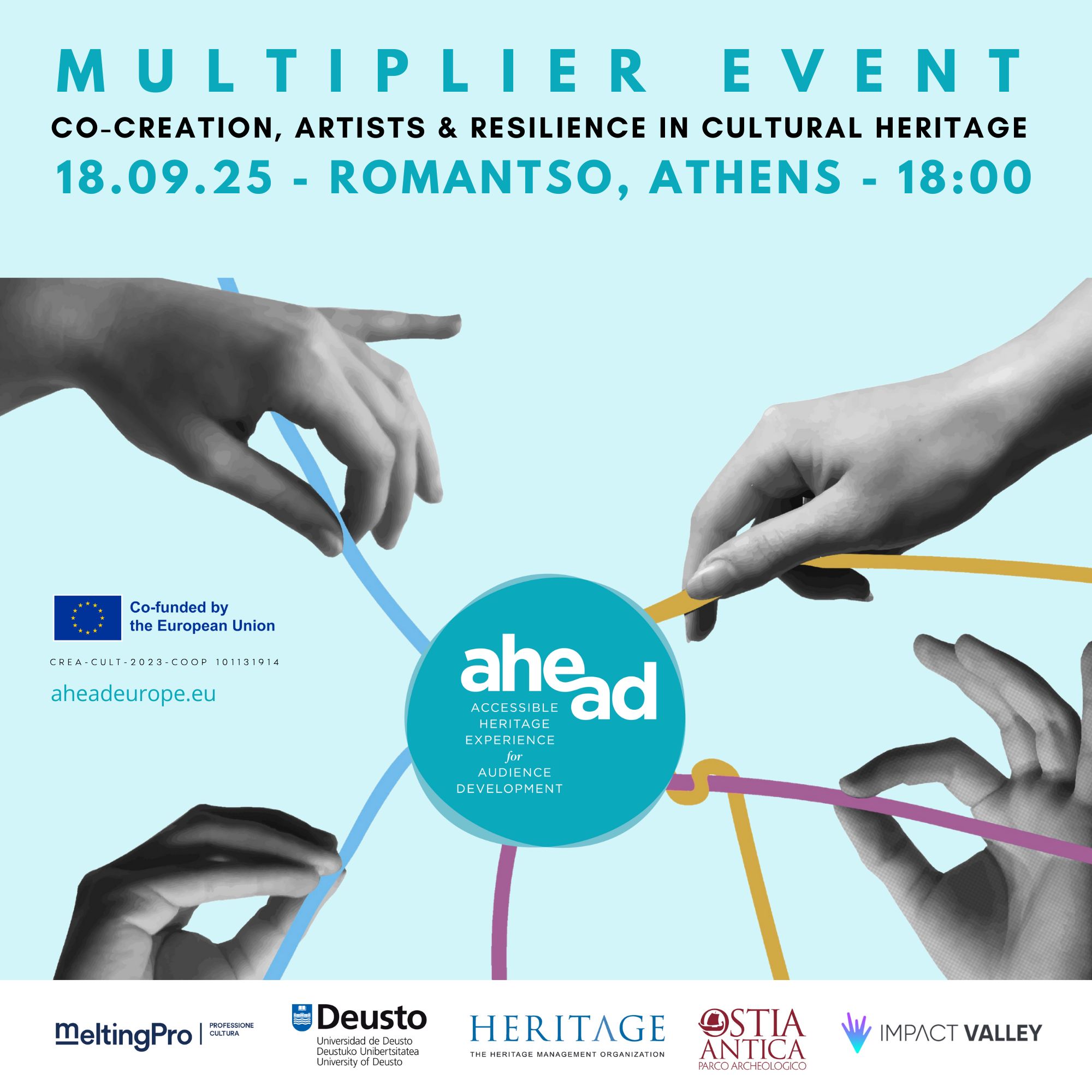
As we enter the concluding weeks of this inspiring project, the multiplier event will be an opportunity to share results, reflect on lessons learned, and celebrate achievements with the community. Over the past two years, HERITΛGE has worked with AHEAD’s Greek hub, the Archaeological Museum of Messara in Crete, on a wide range of activities — including labs, talks, and the development of prototype experiential museum experiences. An artist with ties to the location, Elektra Angelopoulou, was selected to co-create an experience with the local community and offer innovative insights.Through these collaborations, AHEAD explored innovative ways to engage local audiences and make heritage more inclusive, accessible, and participatory, with the dual aim of reaching new audiences and equipping cultural heritage managers with the skills to sustain them.
The evening will open with a presentation of the AHEAD project, its outcomes, and the use of design thinking for the development of cultural heritage audiences. Elektra Angelopoulou, will highlight the artistic dimension of the project, sharing insights into her co-creation work with local communities.
Participants will be invited to take part in an informal networking session over drinks and snacks — a chance to exchange ideas and forge new connections.
The AHEAD Multiplier Event will bring together cultural professionals, institutions, creative SMEs, NGOs, policymakers, and community members to discuss how heritage can become more accessible and relevant to diverse audiences.
We are delighted to celebrate the culmination of this important journey and to share AHEAD’s results with you, our partners, stakeholders, and the public.
Romantso Event Hall, Anaxagora 3, Athens
18 September 2025 | 18:00–19:30
Building Partnerships: HERITΛGE to Host 3rd AHEAD Networking Event
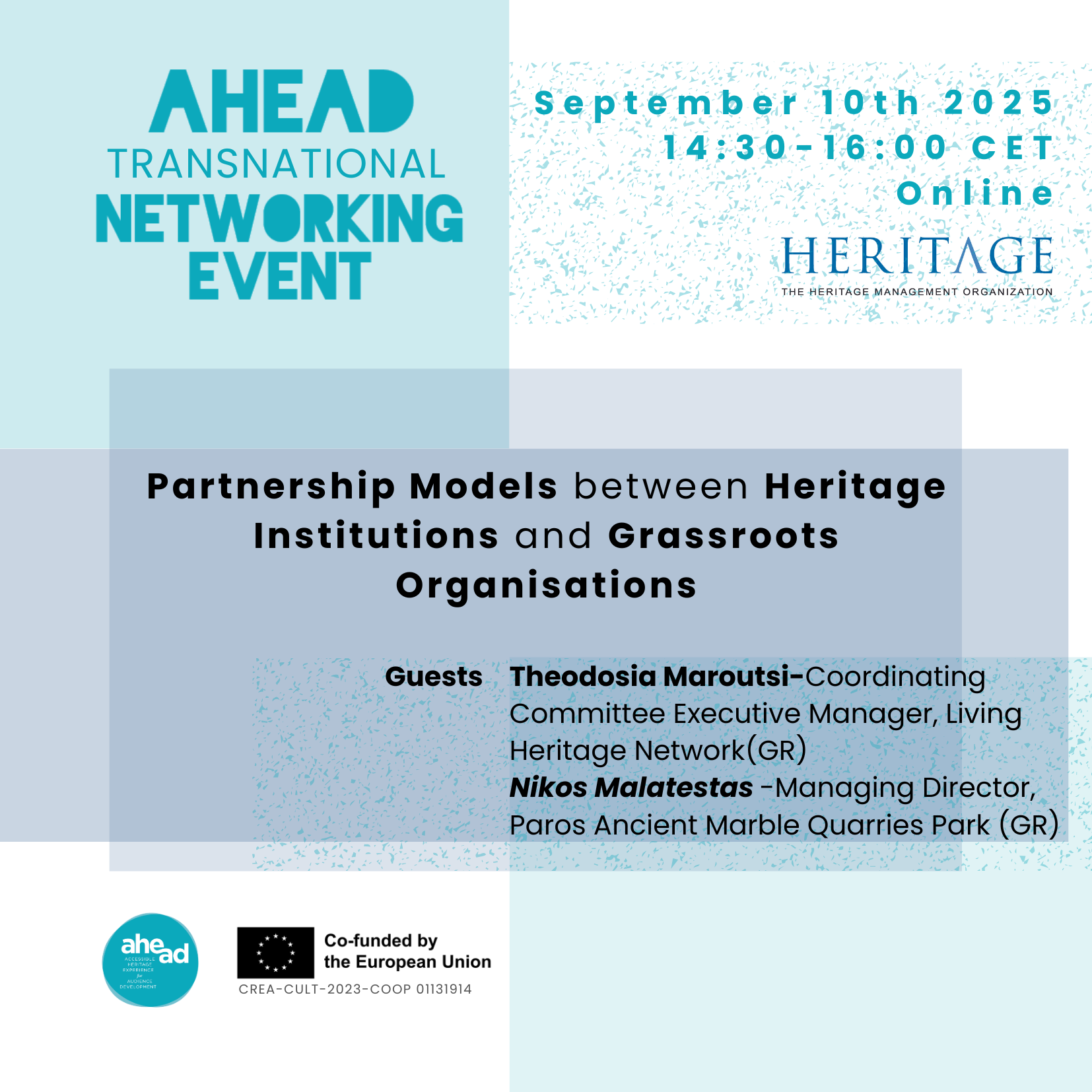
HERITΛGE, as a proud member of the AHEAD (Accessible Heritage Experience for Audience Development) Consortium, is delighted to announce that we will host the third in a series of AHEAD online networking events.
AHEAD, funded by the EU’s Creative Europe Programme, seeks to transform audience development in the cultural heritage sector by applying human-centred approaches, learning by doing, and impact- and data-driven methodologies. The project’s vision is to foster innovation in working practices, empowering the sector to become more relevant to our communities, more financially sustainable, and better able to create opportunities for social, cultural, and economic growth.
Following successful events organised in July by the University of Deusto and Impact Valley, HERITΛGE will lead the next exchange:
Date: Wednesday, September 10, 2025
Time: 14:30 – 16:00 CET
Format: Online (registration required)
Theme: Partnership Models Between Heritage Institutions and Grassroots Organisations
This session will explore how heritage institutions and grassroots, community-based organisations can build sustainable, innovative partnerships that strengthen both cultural heritage and local communities. Through case studies from Greece, the event will highlight practical insights, challenges, and creative approaches to networking that foster collaboration based on mutual respect and shared goals.
The online event will feature two guests: HERITΛGE’s Theodosia Maroutsi, who is also a member of the Coordinating Committee of the Living Heritage Network (Greece), and Nikos Malatestas, Managing Director, Paros Ancient Marble Quarries Park (Greece).
The session will be hosted by Aris Anagnostopoulos, HERITΛGE Head of Community Engagement
We look forward to welcoming trainers, heritage professionals, artists, and changemakers from across Europe and beyond to this vibrant discussion. Don’t miss the opportunity to connect, share, and co-create new ideas for audience development in cultural heritage!
Register here to join the event.
The fourth and final edition of the AHEAD online networking events will be organised by project coordinators MeltingPro. Stay tuned for details.