
: HerMaP Mexico
Oral History and Heritage workshop in Monterrey
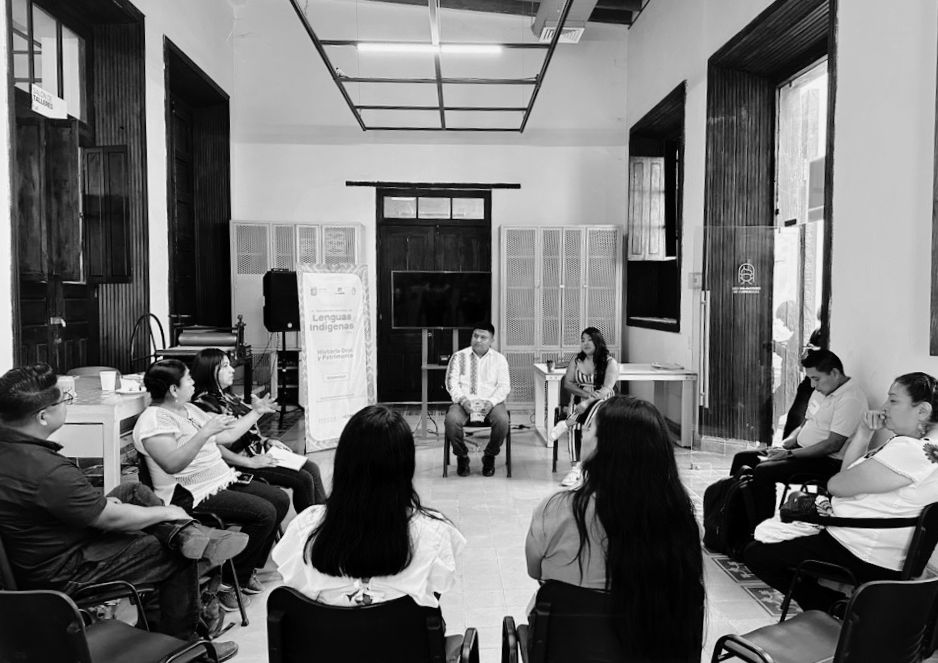
On October 8 and 9, HERITΛGE held the in-person Oral History and Heritage workshop at the Museo Estatal de Culturas Populares de Nuevo León. The workshop – part of our HerMaP Mexico initiative – provided a space for learning and exchange focused on the use of oral history to document, preserve, and transmit cultural heritage and community memory. The program combined methodological tools, ethical considerations, and practical exercises applied to heritage projects.
The workshop brought together a group of eight participants working with Indigenous communities and cultural heritage projects, bringing diverse experiences and perspectives and representing at least five Indigenous peoples residing in Nuevo León. This exchange provided an opportunity to reflect on oral history not only as a documentation methodology, but also as a tool for strengthening the transmission of memories, knowledge, and living cultural practices.
We were joined by guest facilitator Dr. Claudia Uribe Chinen, a Peruvian archaeologist specializing in heritage studies, public archaeology, heritage ethics, and community participation, HERITΛGE exalumna. Claudia also presented a case study from Peru, bringing an international perspective to the workshop and creating connections with the experiences shared by participants in Mexico.
We were also joined by Diana Laura Lozano Linares and David Maldonado Pérez, members of CEMPO in Ciudad Juárez, who had previously participated in HERITΛGE’s in-person Oral History and Heritage workshop in Chihuahua in March 2026. In Monterrey, they shared their experience working with Indigenous peoples residing in Ciudad Juárez during a conversation focused on resident and migrant Indigenous communities in Chihuahua, bringing an important border perspective to the dialogue around memory, identity, and living heritage.
The quality of the work presented and the potential of the initiatives led by this group highlighted the opportunities to continue developing oral history projects from and with communities themselves, while strengthening networks among those working to safeguard living heritage across northern Mexico.
10 proyectos de patrimonio del norte de México reciben apoyos
The Heritage Management Organization (HERITΛGE) se complace en anunciar los 10 proyectos seleccionados para recibir apoyo a través de HerMaP México, su principal iniciativa para fortalecer la gestión del patrimonio cultural en la región fronteriza del norte de México.
Los proyectos seleccionados representan a Baja California, Sonora, Chihuahua, Coahuila, Nuevo León y Tamaulipas, garantizando así la representación de los seis estados que conforman el ámbito geográfico de HerMaP México en esta primera convocatoria de apoyos.
Los proyectos fueron seleccionados entre 115 solicitudes recibidas a través de una convocatoria abierta lanzada a principios de 2026, reflejando tanto la extraordinaria riqueza del patrimonio cultural de la región como el compromiso de las comunidades, profesionales e instituciones que trabajan para salvaguardarlo.
Diez proyectos, múltiples expresiones del patrimonio
Las iniciativas seleccionadas ofrecen una ventana a la extraordinaria diversidad del norte de México. Abarcan desde técnicas agrícolas tradicionales y tradiciones gastronómicas hasta artesanías, música, sitios de memoria, museos y documentación fotográfica del patrimonio cultural inmaterial. Se desarrollan en paisajes igualmente diversos, que van desde las costas y los extensos desiertos hasta regiones montañosas y complejos entornos urbanos.
Igualmente importante es la diversidad de las personas y organizaciones que están detrás de estos proyectos y que trabajan por la salvaguardia del patrimonio en toda la región. Entre los beneficiarios se encuentran personas y comunidades indígenas, iniciativas comunitarias y asociaciones, profesionales independientes e instituciones públicas. Algunos proyectos se desarrollan en pequeñas comunidades, mientras que otros tienen el potencial de generar impacto a nivel estatal. Varios involucran a jóvenes, fomentan el diálogo intergeneracional y crean oportunidades para transmitir conocimientos y saberes de una generación a otra.
“Estos diez proyectos nos muestran lo que realmente significa el patrimonio cuando miramos más allá de monumentos o colecciones individuales: es conocimiento, memoria, habilidades, paisajes y prácticas profundamente arraigadas en la vida de las personas”, señaló el Dr. Evangelos Kyriakidis, Director de The Heritage Management Organization. “Nuestro objetivo no es simplemente proporcionar financiamiento. Queremos ofrecer a las personas y organizaciones con buenas ideas los recursos, las capacidades y las conexiones que necesitan para convertirlas en iniciativas sostenibles que generen beneficios duraderos para sus comunidades”.
El proceso de selección, que se desarrolló en cuatro etapas, fue diseñado no solo para identificar propuestas sólidas, sino también para ayudar a las personas y organizaciones participantes a fortalecer sus capacidades en gestión de proyectos.
Durante los próximos meses, HERITΛGE acompañará a los equipos seleccionados durante la implementación de sus proyectos. Asimismo, se organizarán actividades de creación de redes e intercambio de conocimientos que conectarán a los beneficiarios entre sí, generando oportunidades para compartir experiencias, desafíos y buenas prácticas entre distintos estados y sectores.
La aspiración es que el impacto vaya mucho más allá de estos 10 proyectos. Al reunir a personas con diferentes conocimientos, experiencias y enfoques sobre el patrimonio, HerMaP México busca contribuir a la creación de una red regional más sólida, capaz de impulsar la colaboración y la innovación mucho después de que los proyectos individuales hayan concluido.
Las iniciativas seleccionadas también contribuirán a acercar la diversidad del patrimonio del norte de México a un público internacional más amplio.
Lista de proyectos que han recibido apoyos
| Estado | Proyecto | Organización |
| Baja California | Bosque de los Attenuatas: infraestructura turística comunitaria y centro cultural de encuentro | Bosque de los Attenuatas – Ejido Adolfo Ruiz Cortines |
| Baja California | Caminos en común: Sendero interpretativo del Cañón de los Sauces | Promotora de las Bellas Artes A.C. |
| Chihuahua | Fotoperiódico Revelado | Colectivo Latente |
| Chihuahua | Los colores del desierto: recuperación y transmisión de la tradición de los cubrecamas de retazos del Desierto de Chihuahua | Umbral, Construyendo Comunidad A.C. |
| Coahuila | Saberes de la tierra: Cocina tradicional y educación biocultural | El Fogón de Nacimiento |
| Coahuila | Conservación y restauración de la cubierta del Chalet Wong Lim, actual Museo de la Revolución de Torreón – Primera fase de intervención | Secretaría de Cultura del Gobierno del Estado de Coahuila de Zaragoza |
| Nuevo León | Los colores del noreste | Restāurika |
| Sonora | Ecosistema Sonoro Comunitario e Interactivo del Pueblo Mayo | Centro para el Fortalecimiento Cultural Comunitario y Pueblos Originarios |
| Tamaulipas | Guardianes del Patrimonio de Tamaulipas | Tamaholipa Nuestra A.C. |
| Chihuahua | Preservación y transmisión del patrimonio cultural de la Sierra Tarahumara: semillas nativas y alfarería tradicional | Napawika Tibupo Kawi, A.C. (NATIKA) |
Ten Heritage Projects in N. Mexico Receive Funding
The Heritage Management Organization (HERITΛGE) is delighted to announce the 10 projects selected to receive funding through HerMaP Mexico, its major initiative to strengthen cultural heritage management across Mexico’s northern border region.
The selected projects represent Baja California, Sonora, Chihuahua, Coahuila, Nuevo León and Tamaulipas, ensuring that all six states within HerMaP Mexico’s geographic scope are represented in this first round of funding.
The projects were chosen from 115 applications submitted through an open call launched in early 2026, demonstrating both the extraordinary richness of the region’s cultural heritage and the commitment of communities, practitioners and institutions working to safeguard it.
Ten projects, many different expressions of heritage
The selected initiatives offer a window onto the remarkable diversity of northern Mexico. They encompass heritage ranging from traditional farming techniques and gastronomic traditions to crafts, music, memorial sites, museums and the photographic documentation of intangible cultural heritage. They are rooted in landscapes that stretch from ocean coasts and vast deserts to mountain regions and complex urban environments.
Just as importantly, the people behind them reflect the diversity of those caring for heritage across the region. The successful applicants include Indigenous individuals and communities, grassroots and community-based initiatives, independent practitioners and public institutions Some projects operate within small communities, while others have the potential to create impact at state level. Several engage young people, foster intergenerational dialogue and create opportunities for knowledge to be passed between generations.
“These ten projects show us what heritage really means when we look beyond individual monuments or collections: it is knowledge, memory, skills, landscapes and practices that are embedded in people’s lives,” said Dr Evangelos Kyriakidis, Director of The Heritage Management Organization. “Our aim is not simply to provide funding. We want to give people and organizations with strong ideas the resources, skills and connections they need to turn those ideas into sustainable initiatives with lasting benefits for their communities.”
The selection process -that unfolded in four stages- was designed not only to identify strong proposals but also to help applicants develop their project-management skills. Over the coming months, HERITΛGE will work alongside the selected teams as they implement their projects. Networking and knowledge-sharing activities will also connect grantees with one another, creating opportunities to exchange experience, challenges and good practices across state and sector boundaries.
The ambition is that the impact will extend well beyond the 10 individual projects. By bringing together people with different expertise, lived experiences and approaches to heritage, HerMaP Mexico aims to help create a stronger regional network capable of supporting collaboration and innovation long after the individual projects have concluded. The selected initiatives will also help bring the diverse heritage of northern Mexico to a wider international audience.
List of awarded projects
| State | Project | Organization |
|---|---|---|
| Baja California | Bosque de los Attenuatas: Community Tourism Infrastructure and Cultural Meeting Center | Bosque de los Attenuatas – Ejido Adolfo Ruiz Cortines |
| Baja California | Paths in Common: Cañón de los Sauces Interpretive Trail | Promotora de las Bellas Artes A.C. |
| Chihuahua | Fotoperiódico Revelado | Colectivo Latente |
| Chihuahua | Colors of the Desert: Reviving and Transmitting the Patchwork Bedspread Tradition of the Chihuahua Desert | Umbral, Construyendo Comunidad A.C. |
| Coahuila | Knowledge of the Land: Traditional Cuisine and Biocultural Education | El Fogón de Nacimiento |
| Coahuila | Conservation and Restoration of the Roof of Chalet Wong Lim, Home of the Museum of the Revolution of Torreón – Phase I | Secretaría de Cultura del Gobierno del Estado de Coahuila de Zaragoza |
| Nuevo León | The Colors of the Northeast | Restāurika |
| Sonora | Community and Interactive Sound Ecosystem of the Mayo People | Centro para el Fortalecimiento Cultural Comunitario y Pueblos Originarios |
| Tamaulipas | Guardians of the Heritage of Tamaulipas | Tamaholipa Nuestra A.C. |
| Chihuahua | Preservation and Transmission of the Cultural Heritage of the Sierra Tarahumara: Native Seeds and Traditional Pottery | Napawika Tibupo Kawi, A.C. (NATIKA) |
Communities, heritage and economic development workshop for Mexico
 The Heritage Management Organization (HERITΛGE) has successfully completed the first two Spanish-language editions of its Communities, Heritage and Economic Development workshop, marking an important milestone for the HerMaP Mexico initiative.
Delivered over the past two months, the workshops brought together 29 participants from Baja California, Sonora, Chihuahua, Coahuila, and Nuevo León to explore how cultural heritage can become a catalyst for social impact, economic opportunity, and sustainable community development.
The workshops attracted a diverse group of participants representing a wide range of sectors and perspectives. Attendees included representatives from culture, tourism, and economic development agencies, universities, Indigenous communities, community promoters, tour operators, non-governmental organizations, and independent heritage practitioners. This diversity created a rich environment for discussion, learning, and collaboration.
A particularly valuable aspect of the workshops was the participation of representatives from four Indigenous peoples of northern Mexico. Their knowledge, experiences, and community perspectives contributed significantly to discussions on heritage management, community engagement, and sustainable development, highlighting the importance of locally rooted approaches to heritage stewardship.
The Communities, Heritage and Economic Development workshop was originally developed by Paul Burtenshaw of the World Monuments Fund and was delivered in Mexico by Athena Yiannitsas. The workshops represent the first time that HERITΛGE has offered this training in Spanish, expanding access to methodologies and practical tools that have already benefited heritage practitioners in other parts of the world.
Throughout the program, participants explored ways of linking heritage conservation and promotion with broader social and economic goals. Discussions focused on how heritage can support local livelihoods, strengthen community identity, encourage sustainable tourism, and contribute to long-term community resilience and well-being.
The workshops form part of the broader HerMaP Mexico initiative. HerMaP Mexico works across the six northern border states of Mexico to strengthen cultural heritage management through training, networking, sector mapping, and support for community-led heritage projects.
As the initiative continues to expand, HERITΛGE remains committed to supporting heritage professionals, community leaders, and organizations working to safeguard and activate the rich and diverse heritage of northern Mexico.
We extend our sincere thanks to all participants for their enthusiasm, commitment, and generosity in sharing their ideas, experiences, and knowledge. Their engagement is helping build a stronger and more connected heritage community across the region.
With two successful cohorts completed, HerMaP Mexico looks forward to continuing to provide training opportunities that empower communities and strengthen the role of cultural heritage as a driver of sustainable development throughout northern Mexico.
HerMaP Mexico project gains momentum
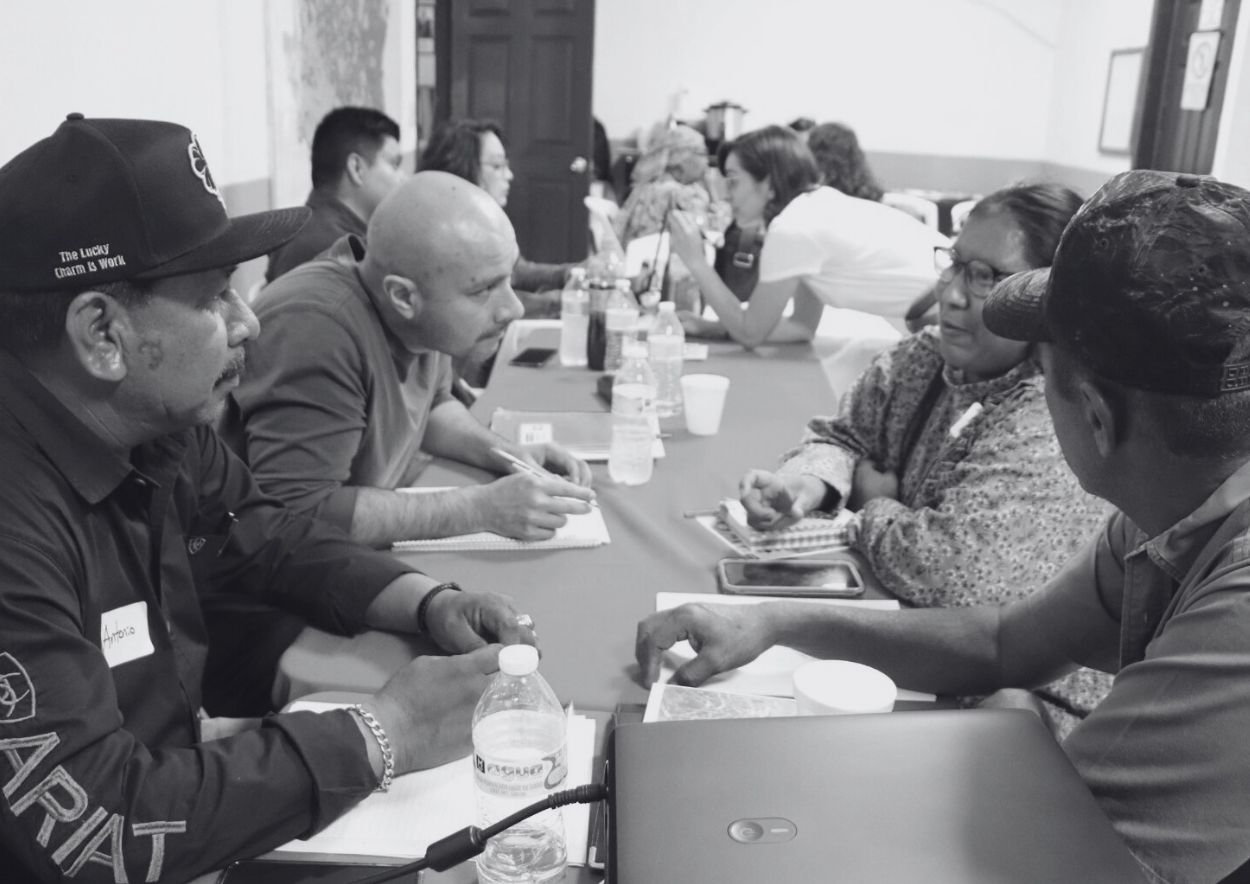
An oral history and heritage workshop
HerMaP Mexico, HERIΤΛGE’s major initiative to support cultural heritage in Mexico’s northern border states is now in full motion. After crossing the six-month mark of the project, we carried out an intensive, month-long field visit across four states of Mexico’s northern border: Chihuahua, Coahuila, Nuevo León, and Tamaulipas. This on-site engagement allowed us to strengthen partnerships, deliver specialized training, and continue mapping capacity needs across the region.
Throughout the visit, we engaged with a wide range of stakeholders who have been progressively involved in the project. These included representatives from local and federal government bodies, universities, key institutional partners such as the U.S. Consulate in Monterrey, and, crucially, community-led initiatives and associations working on the ground to safeguard heritage.
At this stage of the project, the numbers reflect the momentum and progress achieved so far, as well as the strong interest and commitment of heritage professionals and practitioners in northern Mexico:
- Two workshops on Oral History and Heritage have been delivered
- 40 professionals have been trained
- One formal collaboration agreement has been signed
- Two radio programs have been recorded
- Three talks were delivered to university students in tourism, arts, and social project management in the “Heritage Days” Program of Universidad Autónoma de Baja California (UABC)
- More than 50 students have been reached through these talks
- One heritage community networking workshop was conducted
- 80+ applications have been received for the grants program
- 100 stakeholders have been mapped through the ongoing mapping process
Beyond these quantitative results, we have witnessed a deep and inspiring commitment across all sectors to the safeguarding, promotion, and sustainable use of local heritage as a driver for development.
The northern border of Mexico is extraordinarily rich and diverse. Its heritage spans marine and coastal landscapes, vast desert and sierra ecosystems, and vibrant cultural expressions rooted in centuries-old traditions. This diversity also includes significant industrial heritage: factories, railways, mining sites, and infrastructure that tell the story of the region’s economic and social transformations. Together, these tangible and intangible elements form a complex and layered cultural landscape.
Through our conversations with heritage practitioners, community leaders, and institutional actors, we have gained a deeper understanding not only of this richness, but also of the challenges that shape the region today. These include issues of preservation, resource allocation, security and the need to balance development with the protection of cultural identity.
We are excited to continue building on the strong collaborations established during this first phase. We remain deeply grateful for the generosity, hospitality, and openness we have encountered, which have been instrumental in reaching these important milestones.
In the coming months, we will expand our activities with a new series of online trainings focused on community engagement and economic development, tailored specifically to the context of the six northern border states and delivered in Spanish.
Academic Days for Heritage in Baja California
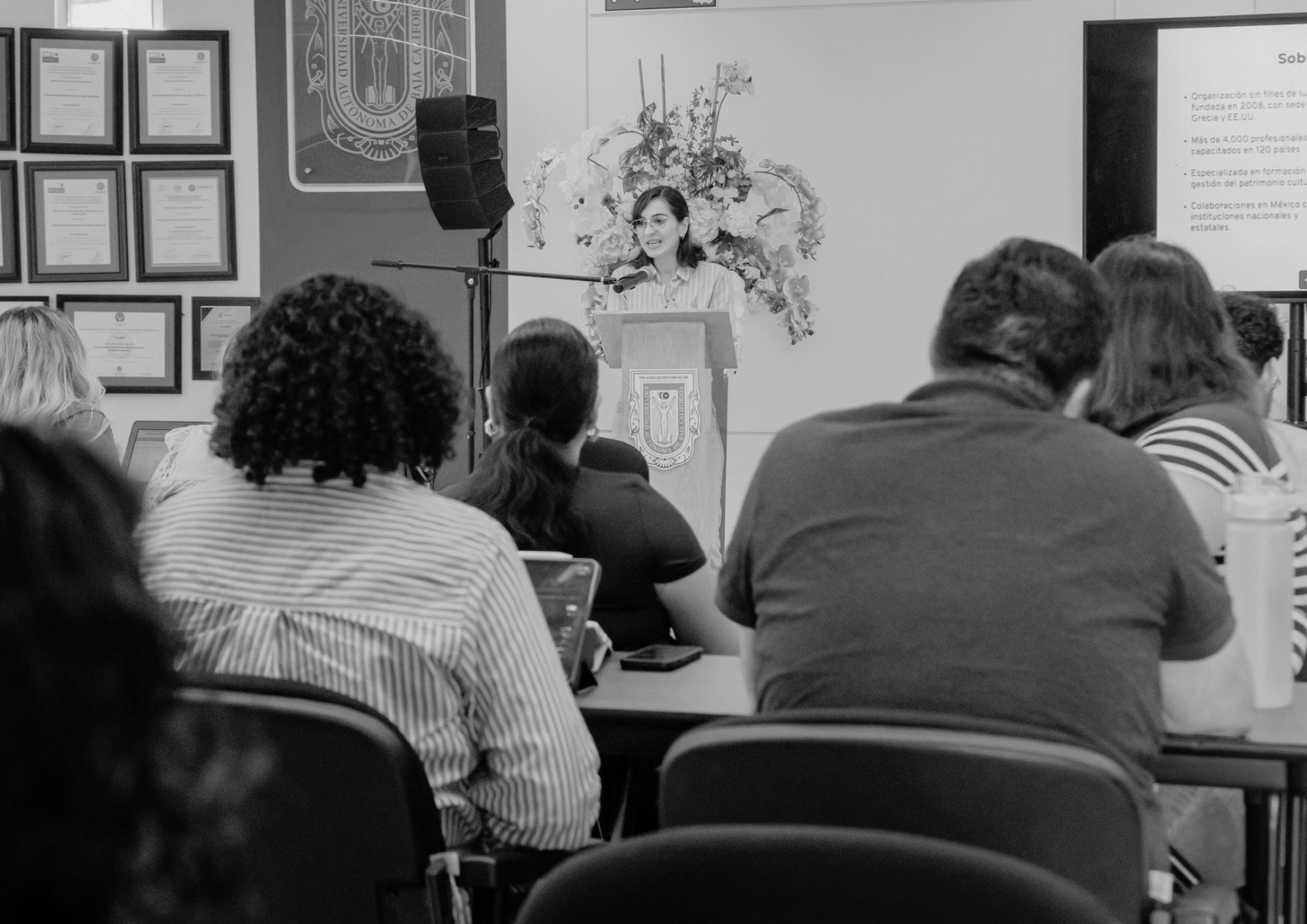
Academic Days 2026 at UABC. Photos: Eliott Blanco
HERITΛGE co-organized the Academic Days 2026: Heritage in Action: Social Innovation and Cultural Development from the Community, held from March 17–20, 2026 at the Autonomous University of Baja California (UABC).
The event formed part of HerMaP Mexico and was developed with partners at UABC. It brought together students, researchers, cultural practitioners, and community actors to explore the role of cultural heritage as a driver of social innovation and community development.
The Academic Day provided a dynamic platform for reflection, dialogue, and the exchange of experiences through a series of conferences, workshops, and academic activities. Discussions focused on how cultural heritage can contribute to community-based development, strengthen local identities, and support innovative social initiatives.
Denise Navarro, HerMaP Mexico Program Manager at HERITΛGE, participated in the event, contributing to conversations on community-centered approaches to heritage management and the importance of linking academic knowledge with practical applications.
As a co-organizer, HERITΛGE contributed to shaping the academic program and facilitating dialogue between international expertise and local perspectives. The organization’s involvement through HerMaP Mexico reflects its commitment to building bridges between academia and the cultural heritage sector.
HERITΛGE extends its gratitude to the Master’s Program in Social Projects UABC, the Faculty of Administrative and Social Sciences UABC, and the Faculty of Arts UABC Ensenada for hosting and co-organizing the event. HERITΛGE also thanks Professor [Name] for the invitation and collaboration.
Advancing the HerMaP Mexico Initiative
The Academic Days forms part of the broader activities of HerMaP Mexico, a multi-year initiative led by HERITΛGE. The program aims to strengthen cultural heritage management across Mexico’s northern border states through training, sector mapping, networking, and support for community-led projects.
As part of this initiative, HerMaP Mexico is currently accepting applications for grants supporting cultural heritage projects in the region, offering funding to organizations, collectives, and individuals working to protect and promote local heritage.