
: Workshops
Trainees explore Community Engagement
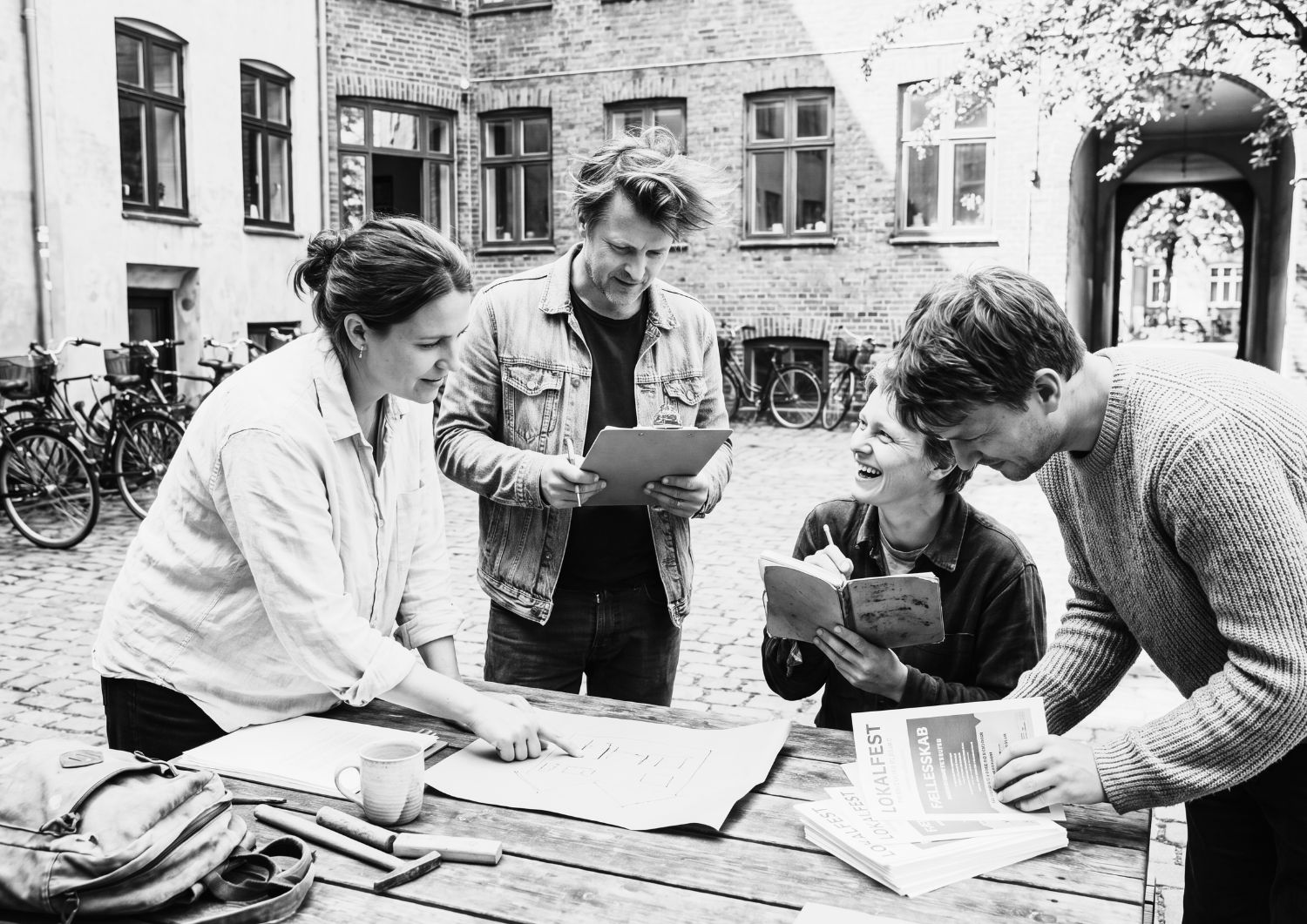
How can heritage practitioners create meaningful opportunities for communities to shape the ways their heritage is understood, cared for and shared? This question guided HERITΛGE’s recent four-day online workshop, Engaging Communities in Cultural Heritage, which brought together 23 participants from 18 countries.
Participants joined from Poland, Lebanon, Italy, Iraq, Albania, Greece, Armenia, Rwanda, Serbia, Latvia, Mauritius, India, Egypt, Iran, South Africa, Kenya, Palestine and Nepal to explore
The programme examined different understandings of community, identity, belonging and relationships with heritage, while emphasising the importance of positionality, research, inclusion, accessibility and meaningful participation.
Participants were introduced to approaches including Asset-Based Community Development, asset mapping and ethnographic research, exploring how community assets, knowledge, relationships and networks can inform the design and implementation of engagement activities.
Through collaborative exercises and practical discussions, they considered how engagement strategies can respond to different community contexts, needs and perspectives, while addressing issues such as trust, representation, internal dynamics, sustainability and informed consent.
The workshop also addressed the methodological and ethical dimensions of oral history, with a focus on interview preparation, questioning techniques, memory, documentation, consent and the responsibilities of researchers when working with sensitive narratives and communities.
Participants explored how oral testimonies can be documented, analysed and contextualised, while reflecting on the relationship between the interviewer, the narrator and the resulting historical record.
The programme was delivered by , Dr Aris Anagnostopoulos, HERITΛGE Public Director, and Dr Lena Stefanou Archaeologist-Museologist and Visiting Lecturer for Museum Studies ad the University of Bologna. It concluded with a guest lecture by Elijah Vanderpuye Cunnison, Cultural Officer at Ghana’s National Commission on Culture and a Theatre Studies graduate, who shared insights from his professional experience on Ghanaian culture and heritage, community engagement, oral history, heritage interpretation and community-based heritage initiatives.
His contribution broadened the discussion to issues including community consent, heritage education, benefit sharing and intellectual property, as well as the wider connections between heritage and education, gender, climate change, human rights, sustainable development, tourism, science and technology, disaster management, media and intercultural competence.
Communities, heritage and economic development workshop for Mexico
 The Heritage Management Organization (HERITΛGE) has successfully completed the first two Spanish-language editions of its Communities, Heritage and Economic Development workshop, marking an important milestone for the HerMaP Mexico initiative.
Delivered over the past two months, the workshops brought together 29 participants from Baja California, Sonora, Chihuahua, Coahuila, and Nuevo León to explore how cultural heritage can become a catalyst for social impact, economic opportunity, and sustainable community development.
The workshops attracted a diverse group of participants representing a wide range of sectors and perspectives. Attendees included representatives from culture, tourism, and economic development agencies, universities, Indigenous communities, community promoters, tour operators, non-governmental organizations, and independent heritage practitioners. This diversity created a rich environment for discussion, learning, and collaboration.
A particularly valuable aspect of the workshops was the participation of representatives from four Indigenous peoples of northern Mexico. Their knowledge, experiences, and community perspectives contributed significantly to discussions on heritage management, community engagement, and sustainable development, highlighting the importance of locally rooted approaches to heritage stewardship.
The Communities, Heritage and Economic Development workshop was originally developed by Paul Burtenshaw of the World Monuments Fund and was delivered in Mexico by Athena Yiannitsas. The workshops represent the first time that HERITΛGE has offered this training in Spanish, expanding access to methodologies and practical tools that have already benefited heritage practitioners in other parts of the world.
Throughout the program, participants explored ways of linking heritage conservation and promotion with broader social and economic goals. Discussions focused on how heritage can support local livelihoods, strengthen community identity, encourage sustainable tourism, and contribute to long-term community resilience and well-being.
The workshops form part of the broader HerMaP Mexico initiative. HerMaP Mexico works across the six northern border states of Mexico to strengthen cultural heritage management through training, networking, sector mapping, and support for community-led heritage projects.
As the initiative continues to expand, HERITΛGE remains committed to supporting heritage professionals, community leaders, and organizations working to safeguard and activate the rich and diverse heritage of northern Mexico.
We extend our sincere thanks to all participants for their enthusiasm, commitment, and generosity in sharing their ideas, experiences, and knowledge. Their engagement is helping build a stronger and more connected heritage community across the region.
With two successful cohorts completed, HerMaP Mexico looks forward to continuing to provide training opportunities that empower communities and strengthen the role of cultural heritage as a driver of sustainable development throughout northern Mexico.
Heritage Professionals Explore Strategic Planning
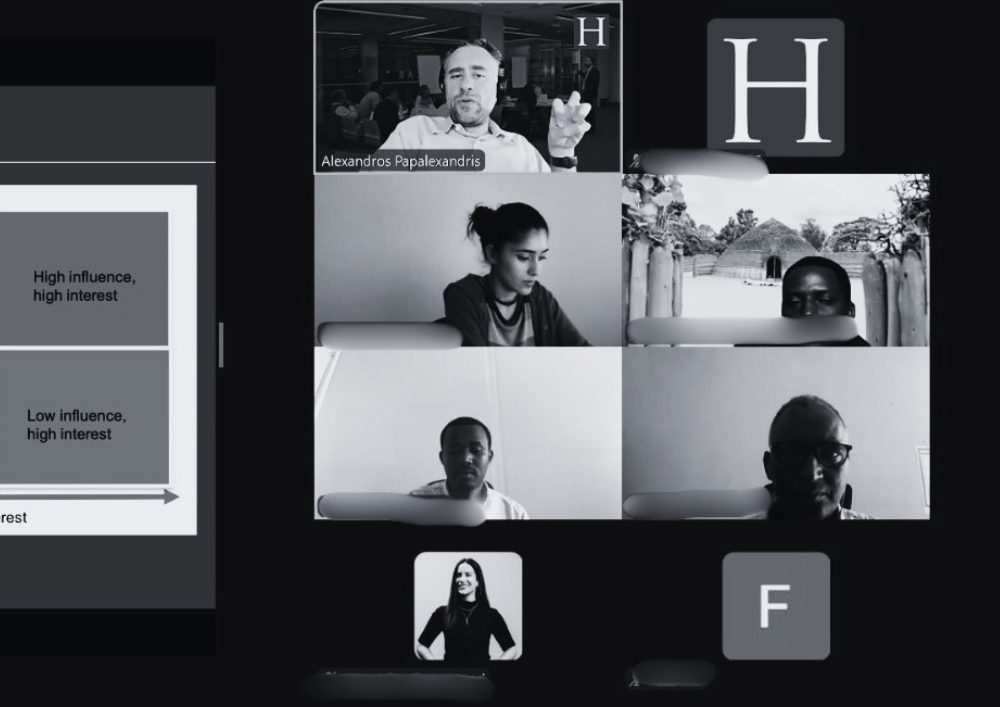 Professionals from across the global heritage and cultural sectors came together this May for HERITΛGE’s Strategic Planning Workshop, an intensive training programme designed to strengthen strategic thinking, organisational resilience, and long-term sustainability within the heritage field.
The workshop took place over two sessions, on 14–15 May and 21–22 May 2026, bringing together 18 participants from Greece, Rwanda, Malawi, Puerto Rico, the Democratic Republic of the Congo, Kenya, Ethiopia, Jordan, Turkey, Zimbabwe, and Botswana.
Led by Dr. Alexandros Papalexandris, the HERITΛGE strategy workshop offers a dynamic introduction to the core principles of strategic management and its critical role in shaping successful individuals and organizations. Participants explore how strategy is formed and applied, gaining insight into organizational vision, mission, and values, as well as how to translate them into clear, actionable strategic goals while effectively navigating change. A strong emphasis is placed on understanding stakeholders and aligning strategies with their expectations.
The program also develops participants’ ability to scan the external environment and industry landscape, using key analytical tools to identify opportunities and market segments. In addition, it highlights the foundations of competitive advantage, essential organizational resources and capabilities, and the key success factors behind effective strategy execution, including the basics of feasibility studies and business planning.
“The Strategic Planning Workshop aims to provide heritage professionals with practical tools and critical perspectives to help them navigate increasingly complex and uncertain environments,” said Foteini Giannoulidi, Educational Programs Manager at HERITΛGE. “What made this workshop particularly valuable was the diversity of experiences and perspectives brought by participants from different regions of the world. The discussions demonstrated how strategic thinking, collaboration, and adaptability are becoming essential skills for safeguarding and sustainably managing heritage today. It was also a great honour to welcome Ivan Verbytskyi, Deputy Minister of Culture and Strategic Communications of Ukraine, whose insights into managing culture and heritage during times of crisis offered participants an inspiring and deeply important perspective on resilience, leadership, and adaptability.”
The workshop was further enriched by a series of inspiring guest lectures and discussions on cultural resilience and leadership in times of uncertainty.
Among the guest speakers was Ivan Verbytskyi, Deputy Minister of Culture and Strategic Communications of Ukraine, who shared powerful insights into the unprecedented challenges faced by Ukraine’s cultural and heritage sector during the ongoing war. His lecture highlighted how heritage managers and cultural institutions can respond effectively during periods of crisis and instability.
One of the key takeaways from his presentation was the importance of flexibility and adaptability in strategic management. In rapidly evolving and unpredictable situations, the ability of managers to adjust quickly and make informed decisions under pressure becomes critical for sustaining institutions and protecting cultural heritage.
Participants also heard from Rafika Mokhtari, architect, co-founder of Izourane Algeria and HERITΛGE fellow. Rafika presented the heritage initiative in Algeria and shared practical lessons from its implementation, including the operational and strategic challenges encountered during the project’s development.
Her presentation offered participants valuable insight into real-world project execution, risk management, collaboration, and the importance of strategic planning in overcoming obstacles within the heritage sector.
Capacity-Building for Libraries and Archives in Iraq
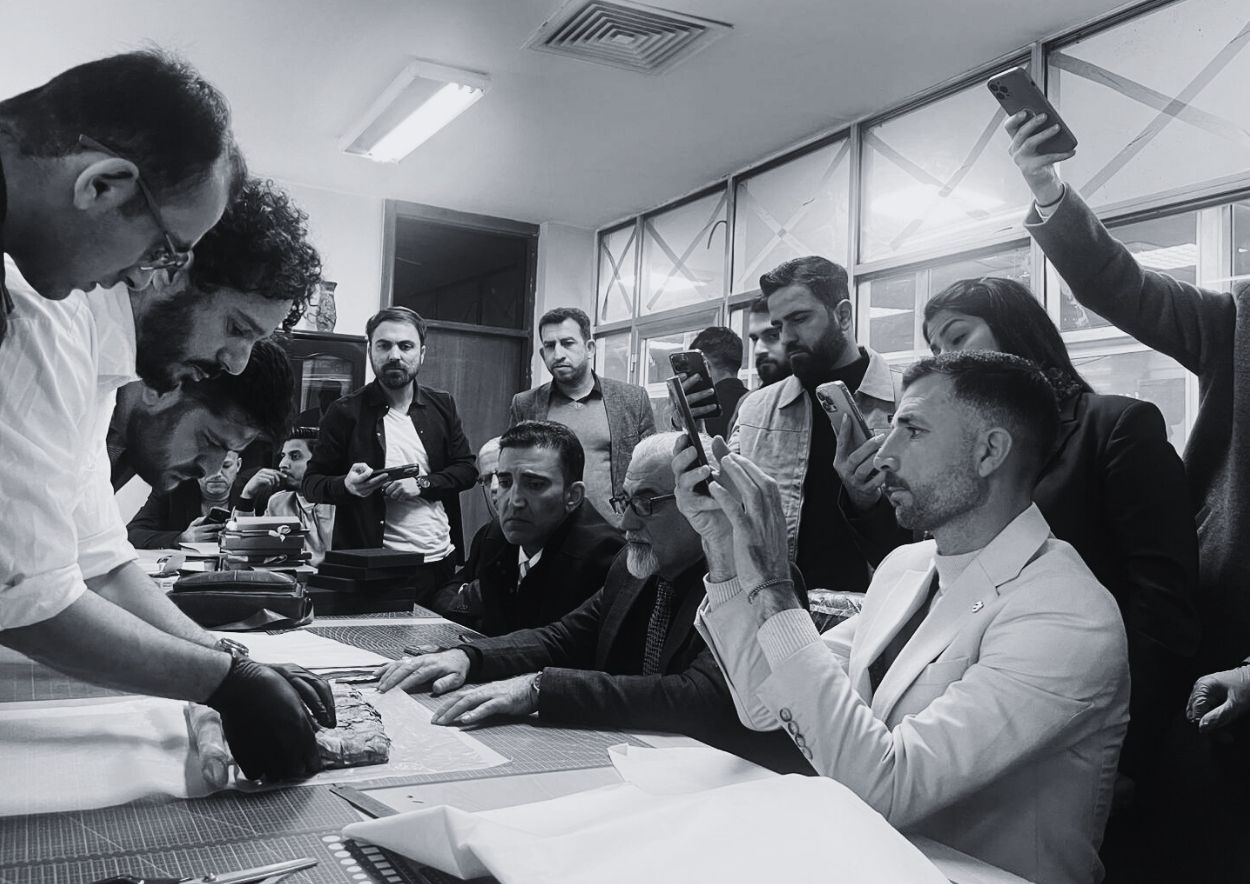
Dr. Nikolas Sarris, a senior book and paper conservator, with our trainees in Iraq
HERITΛGE delivered an in-person workshop in Bagdad for the Preservation of Libraries and Archives in Iraq project. The project is realised in cooperation with The Academic Research Institute in Iraq (TARII) and supported by a grant from the American Embassy in Iraq.
It aims to strengthen the capacity of custodians of libraries and archives in Iraq and ensure the trainees can independently handle the development and management of preventive conservation projects for their institutions.
The training forms part of HERITΛGE’s broader commitment to strengthening cultural heritage resilience in regions affected by conflict and environmental pressures.
The workshop, held from 18-29 January, was delivered by Mohammad al-Mimar, Nil Baydar, Maja Kominko, Nikolas Sarris, in cooperation with the Iraq National Library and Archive. It provided instruction in Preventive Conservation, Project Development, Project Management and Fundraising .
Attended by 30 participants, the training introduced key concepts including bookbinding components and terminology, handling of archival materials, causes of paper and book deterioration, environmental control in libraries and archives, and first-aid conservation for paper artefacts.
Participants also explored environmental monitoring and data analysis, emerging environmental challenges, and risk management strategies through practical exercises. Depending on the module, trainees worked individually or in small groups of three to four participants to apply their learning.
Hands-on sessions were complemented by three study visits, one of which was to the private archive of Ahmad Sousa and another to the Imam al Husayn Shrine in Karballa, designed to showcase the preservation issues in a private archive and a religious library respectively.
A third visit took the trainees to the UNESCO World Heritage Site in Samarra, where they had the opportunity to explore challenges in preservation, especially dealing with previous heavy-handed restorations, and to discuss international conservation standards and practices.
Community Tourism Planning and Development Workshop
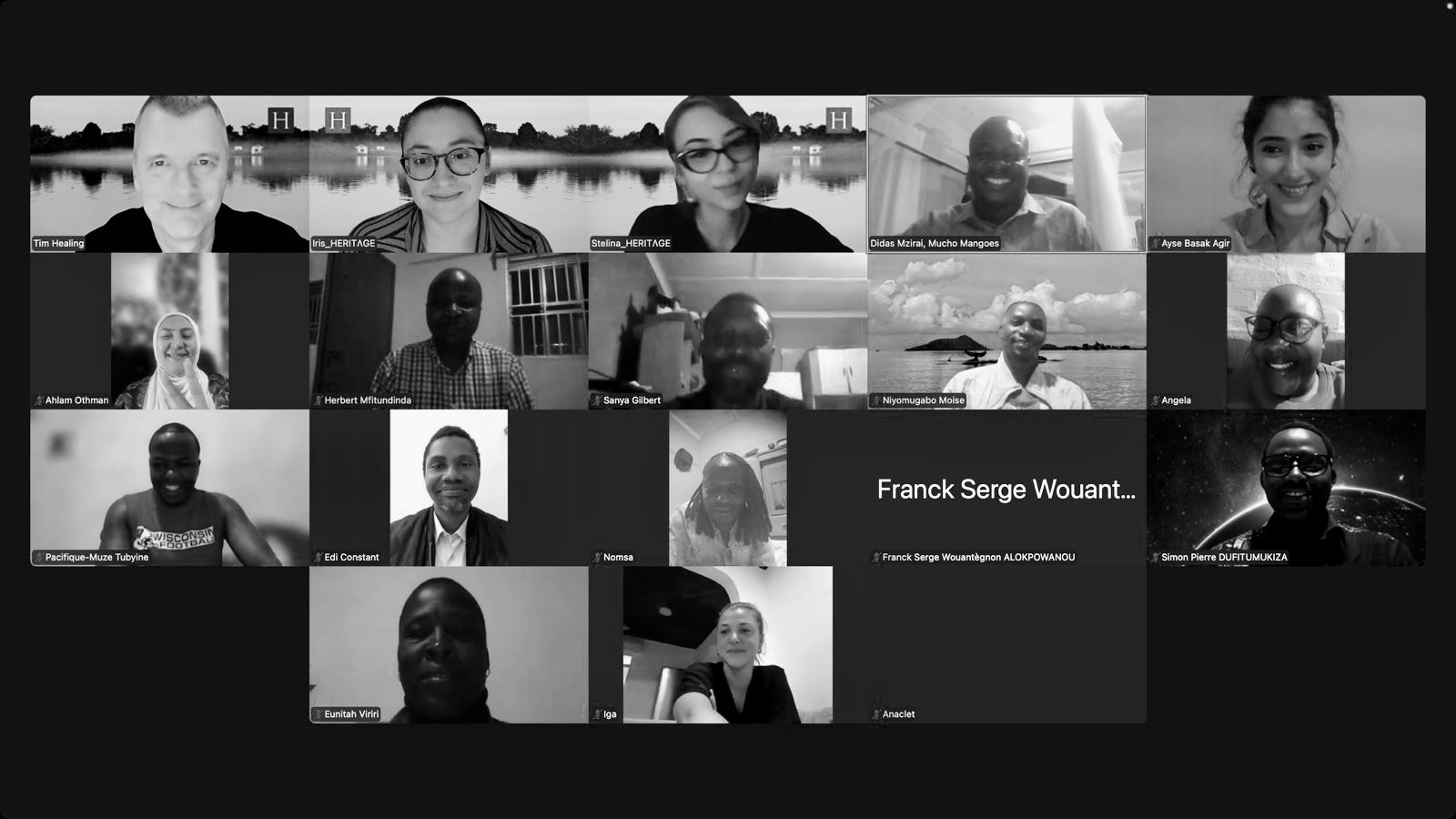
From 5th to 11th November 2025, HERITΛGE delivered a new five-day online training course on Community Tourism Planning and Development. Led by Tim Healing, a specialist in project management and community-based tourism, the course brought together 30 participants from 18 countries across Africa, Asia, and Europe, working across 34 capacity-building cases. The training introduced practical approaches to developing tourism initiatives that support local communities, promote cultural exchange, and retain income within local economies.
The course was designed as an interactive programme, combining presentations, discussions, and group exercises. Participants collaborated throughout the week, sharing experiences and applying learning through practical activities such as designing cultural trips, developing project proposals, and creating action plans to address challenges in community tourism management.
Course Structure
Day 1 introduced community-based tourism as a people-centred approach to sustainable development. Using a case study from Kazakhstan, participants explored how local assets can be developed into tourism products while ensuring fair benefit sharing. Group exercises focused on identifying risks, building partnerships, and setting clear goals aligned with community priorities.
Day 2 focused on authentic tourism products and community-led branding. Participants discussed storytelling, local values, and low-cost marketing strategies, alongside capacity building in hospitality and communication, with attention to avoiding the commodification of cultural heritage.
Day 3 examined land rights and ethical cultural tourism. Through global case studies, participants explored community ownership, informed consent, and fair benefit sharing, as well as homestays, guesthouses, and eco-lodges as models for cultural exchange and local income generation.
Day 4 centred on visitor experience and tourism operations, highlighting culinary heritage, cultural sensitivity, and hospitality standards. A case study exercise addressed guiding, cross-cultural communication, hygiene, emergency preparedness, and responsible itinerary design.
Day 5 focused on long-term sustainability and community enterprise. Participants explored skills development, financial planning, and community cooperatives as tools for strengthening governance and ensuring tourism income remains within communities, concluding with group presentations on international case studies. These case studies included a Community-Based Tourism Initiative in the Phong Nha-Ke Bang National Park in Vietnam, and Eco-Tourism Initiative at Daintree Rainforest, Australia.
Throughout the course, participants developed projects addressing diverse contexts, including heritage routes, eco-tourism initiatives, community museums, cultural landscapes, and heritage-based livelihood programmes. By the end of the training, participants had strengthened their understanding of community tourism as a tool for sustainable development, cultural preservation, and local economic empowerment, and gained practical skills to plan and manage tourism initiatives that place communities at the centre.
Reflecting on the programme, Tim Healing highlighted the strength of the group and their engagement:
“I couldn’t have asked for a better group. Their openness, collaboration, and eagerness to learn made the five days both productive and inspiring. The real highlight was the collective wisdom in the room and the willingness to share experiences and ideas.”
Find more information about HERITΛGE’s workshops here or follow us on Facebook, Twitter / X, LinkedIn or Instagram.
HERITΛGE 2025 Wrap-Up
In 2025, HERITΛGE continued to translate its mission of community-centred, inclusive, and sustainable heritage management into action across continents. From building local capacity across the world to advancing digital innovation and participatory practice in Europe and beyond, the year was defined by strong partnerships, expanded training, and tangible impact. HERITΛGE’s work in 2025 demonstrated how heritage can act as a driver of resilience, dialogue, and long-term social value, rooted in communities, connected globally, and oriented firmly toward the future.
1.The HerMaP Gambia successful completion
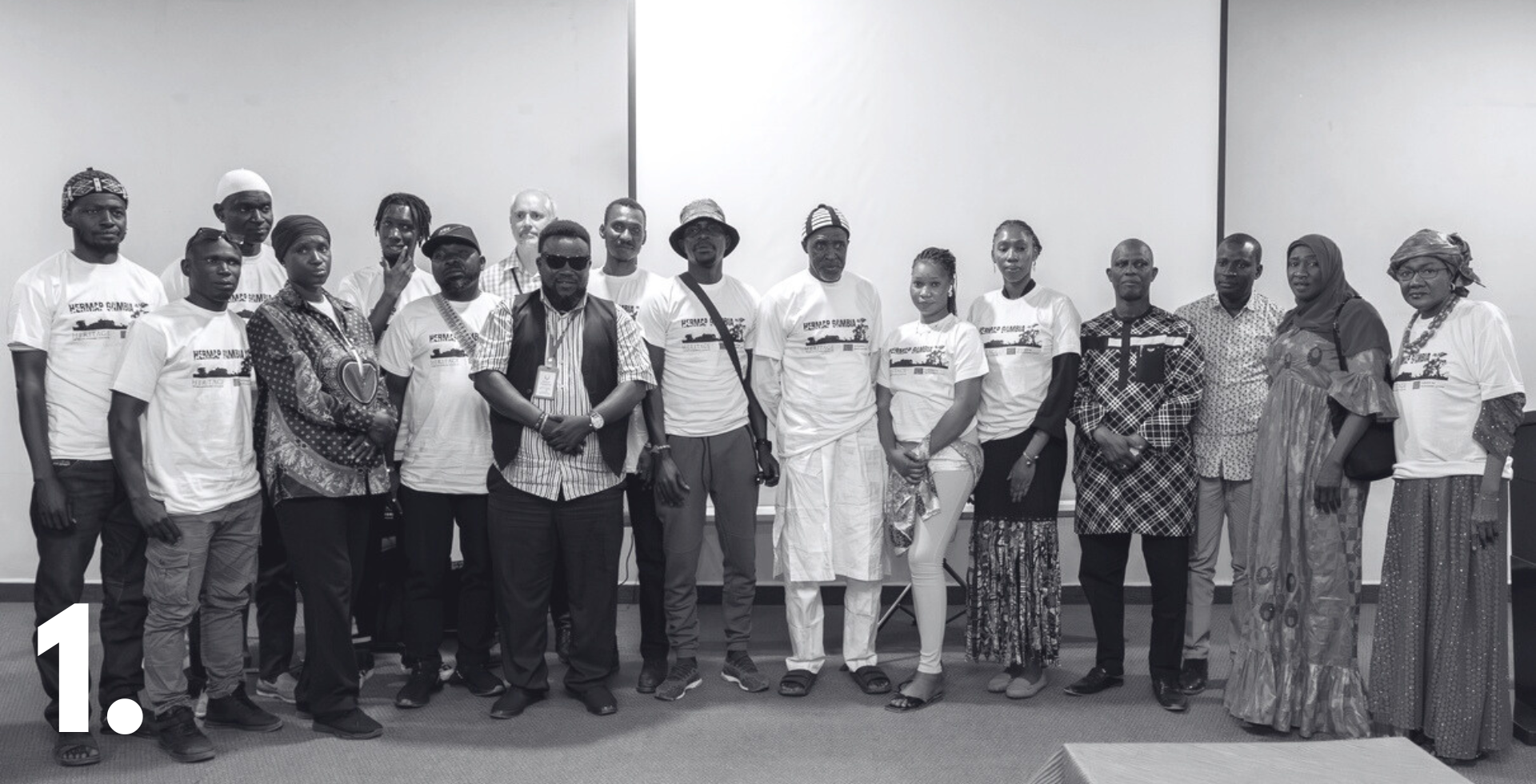
In February, HERITΛGE marked the successful completion of HerMaP Gambia, an initiative co-funded by the EU, by celebrating a milestone in community-driven heritage management. A certificate ceremony and visual art exhibition was held as part of The Gambia’s 60th Independence Anniversary celebrations, bringing together EU representatives, parliamentarians, and the Chair of the National Assembly to honour the dedication of the programme’s trainees. One week later, the Minister of Tourism, Members of Parliament, EU representatives, and a broad range of stakeholders convened for a high-level stakeholder lunch focused on sustaining the transformative results of the project. Already, we are seeing HerMaP Gambia graduates applying their new skills across the country—strengthening local heritage initiatives, engaging communities, and even training others. The programme’s impact is now firmly rooted in the sector, creating momentum that will shape heritage management in The Gambia for years to come.
2. HerMaP Africa: Building Capacity and Partnerships Across Three Countries
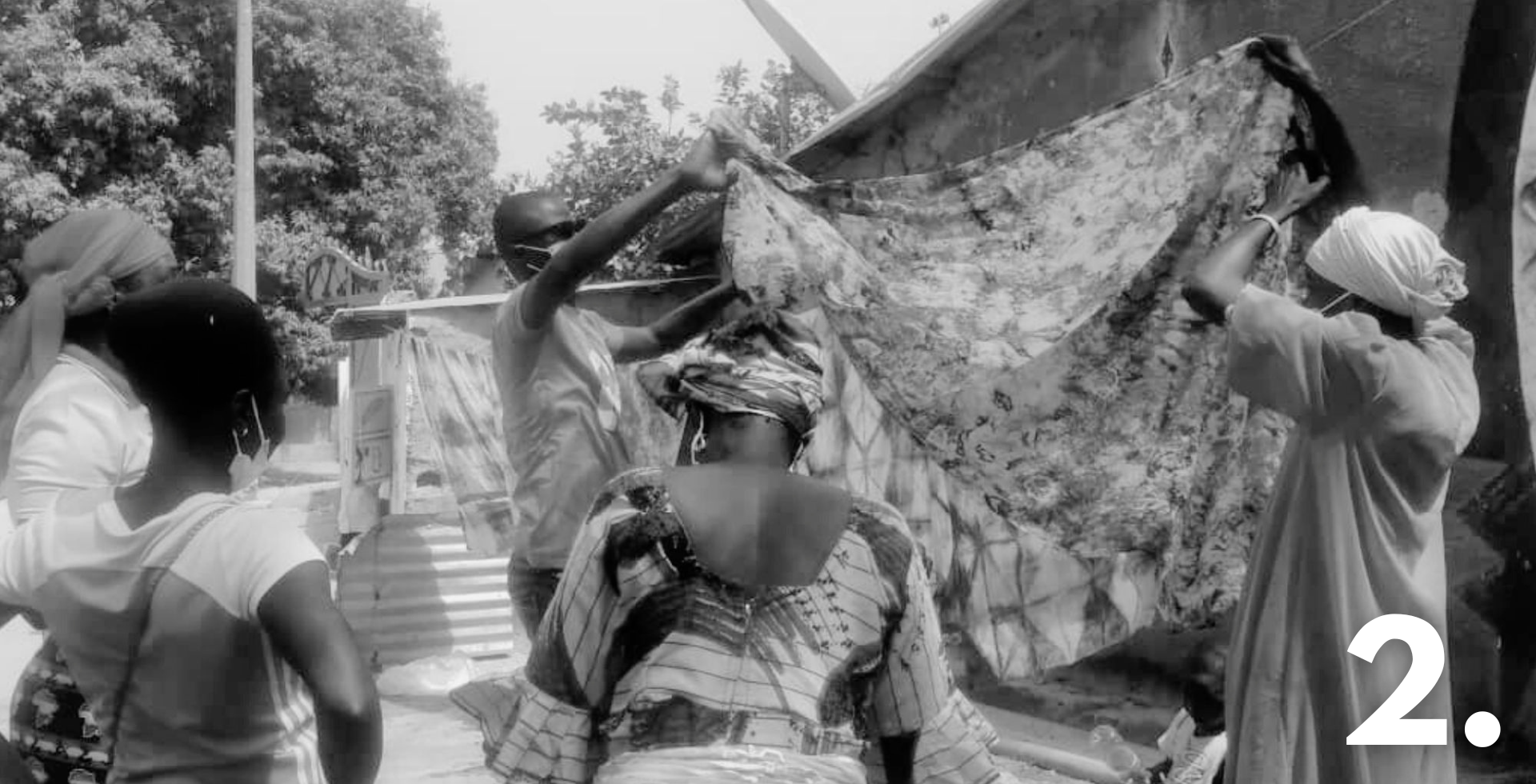
In 2025, HERITΛGE deepened its impact across Ethiopia, Ghana, and Rwanda through targeted capacity building, strategic partnerships, and close engagement with local cultural ecosystems, as part of the HerMaP Africa initiative supported by the Mellon Foundation. In Ethiopia, HERITΛGE delivered seven workshops and trained 127 participants, with a strong emphasis on hands-on, in-person conservation training. Notably, conservation workshops in Harar focused on equipping the next generation of staff from the Culture and Tourism Bureau with practical skills to safeguard this unique living heritage site, reinforcing long-term, community-based preservation. Institutional collaboration was further strengthened through the signing of two Memoranda of Understanding with key Ethiopian organisations. In Ghana, HERITΛGE delivered four workshops and trained 80 participants, ensuring broad regional representation and inclusive access to capacity building beyond major urban centres. A national networking roundtable brought together stakeholders and project leaders to exchange experiences, align priorities, and address shared challenges in the heritage sector, alongside the signing of two strategic MoUs. In Rwanda, four workshops trained 78 participants, and three MoUs were signed with leading institutions, including a milestone partnership with the Ministry of Youth and Arts. HERITΛGE also contributed to the Ubumuntu Arts Festival through programme consultations and a participatory session with young creatives, strengthening connections between heritage, contemporary culture, and youth engagement. Across all three countries, a dedicated Train-the-Trainers programme equipped 19 heritage professionals to act as HERITΛGE ambassadors, significantly amplifying local capacity and long-term impact.
3. Small Grants for African Heritage
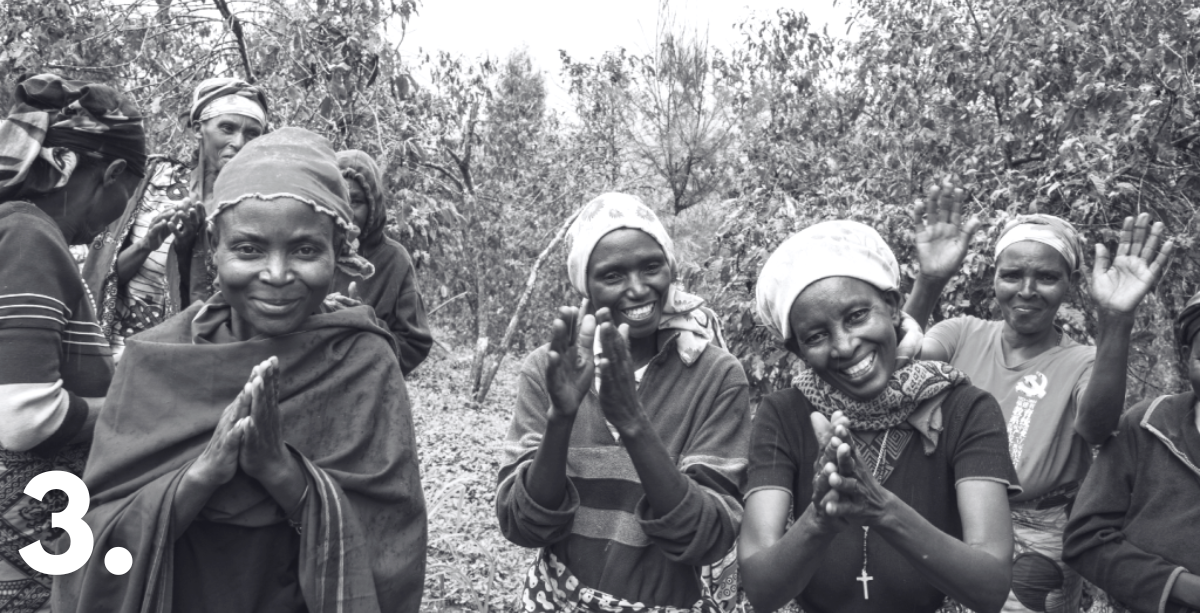 The regranting phase of HerMaP Africa reached its conclusion, marking one of the most ambitious and impactful heritage-support programmes on the continent. Since 2023, HERITΛGE has received more than 2,500 applications from across Africa and funded over 74 small heritage projects, each led by local actors working to safeguard, reinterpret, and activate their cultural heritage. This regranting initiative was made possible with the generous support of the Mellon Foundation. Throughout the year, grantees participated in six regional convenings, creating spaces to exchange experiences, strengthen their skills, and learn from peers—building a growing network of practitioners committed to community-centred heritage work. Several more convenings are planned for 2026 to continue nurturing this collaborative ecosystem. The results have been remarkable: from revitalised cultural practices to restored and more resilient cultural sites, to new opportunities for local development, these projects are already transforming lives. We are proud to showcase this work through dedicated social media features and a new publication that brings together the stories, challenges, and achievements of the HerMaP Africa grantees.
4. HerMaP Mexico: Launching a New Border Region Initiative
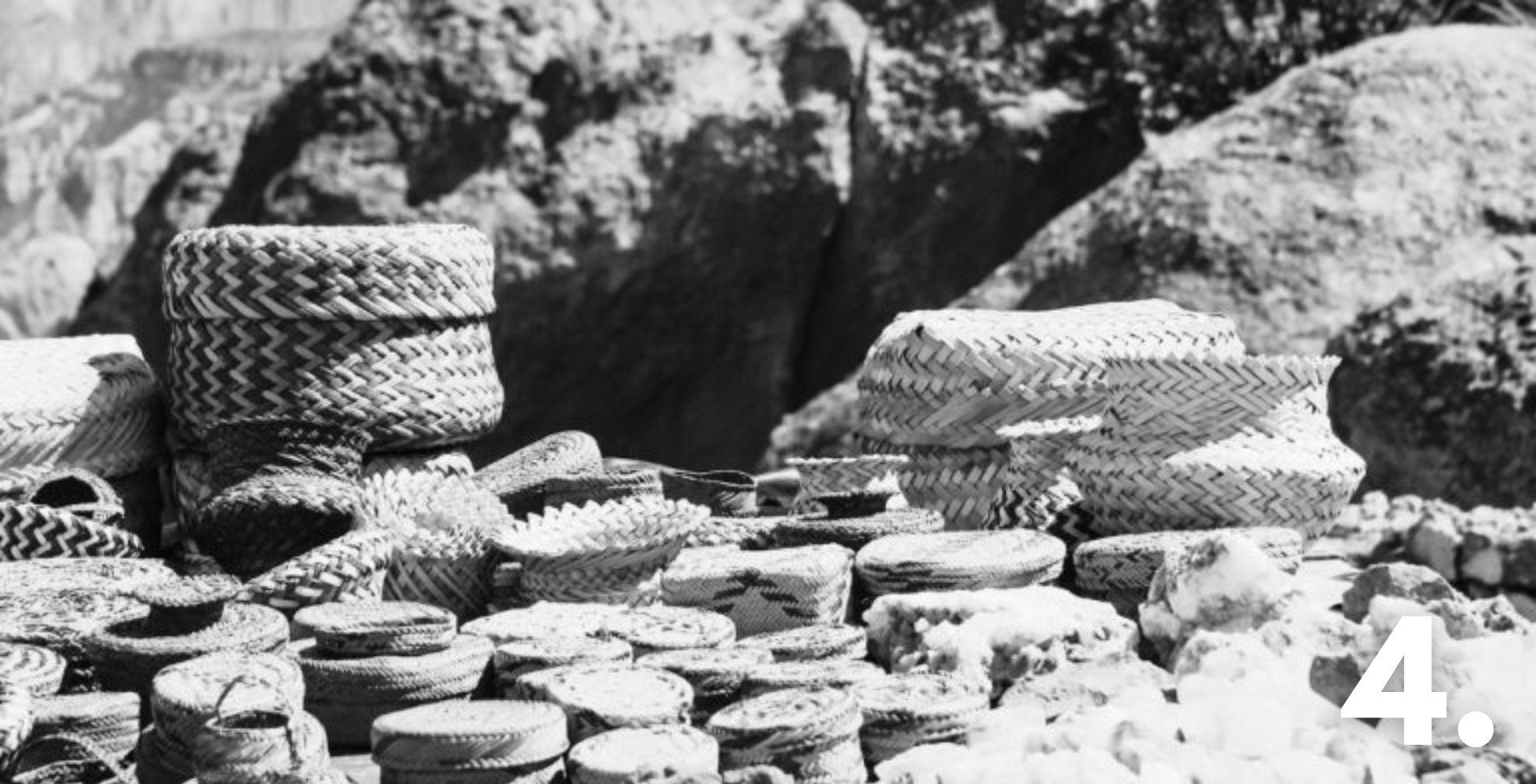
This year also marked the launch of HerMaP Mexico, a major new initiative that expands HERITΛGE’s work into North America and supports cultural heritage actors across Mexico’s northern border states. Funded by the Mellon Foundation’s Humanities in Place programme, the project brings a comprehensive, community-focused approach to heritage management through mapping, training, networking, and small grants. In 2025 we established the foundations of the programme: building local partnerships, initiating the mapping of heritage professionals and institutions across six states, and preparing the first round of capacity-building workshops to be delivered in both Spanish and English. HerMaP Mexico responds to the region’s unique cultural landscape—shaped by Indigenous, mestizo, migrant, and Chicano communities—and aims to strengthen local skills while creating new opportunities for collaboration and sustainable development. As the project moves forward, it will support locally led initiatives and grow into a long-term platform that connects heritage practitioners across the border region with global networks and resources.
5. Professional Training and Executive Leadership Education Programmes
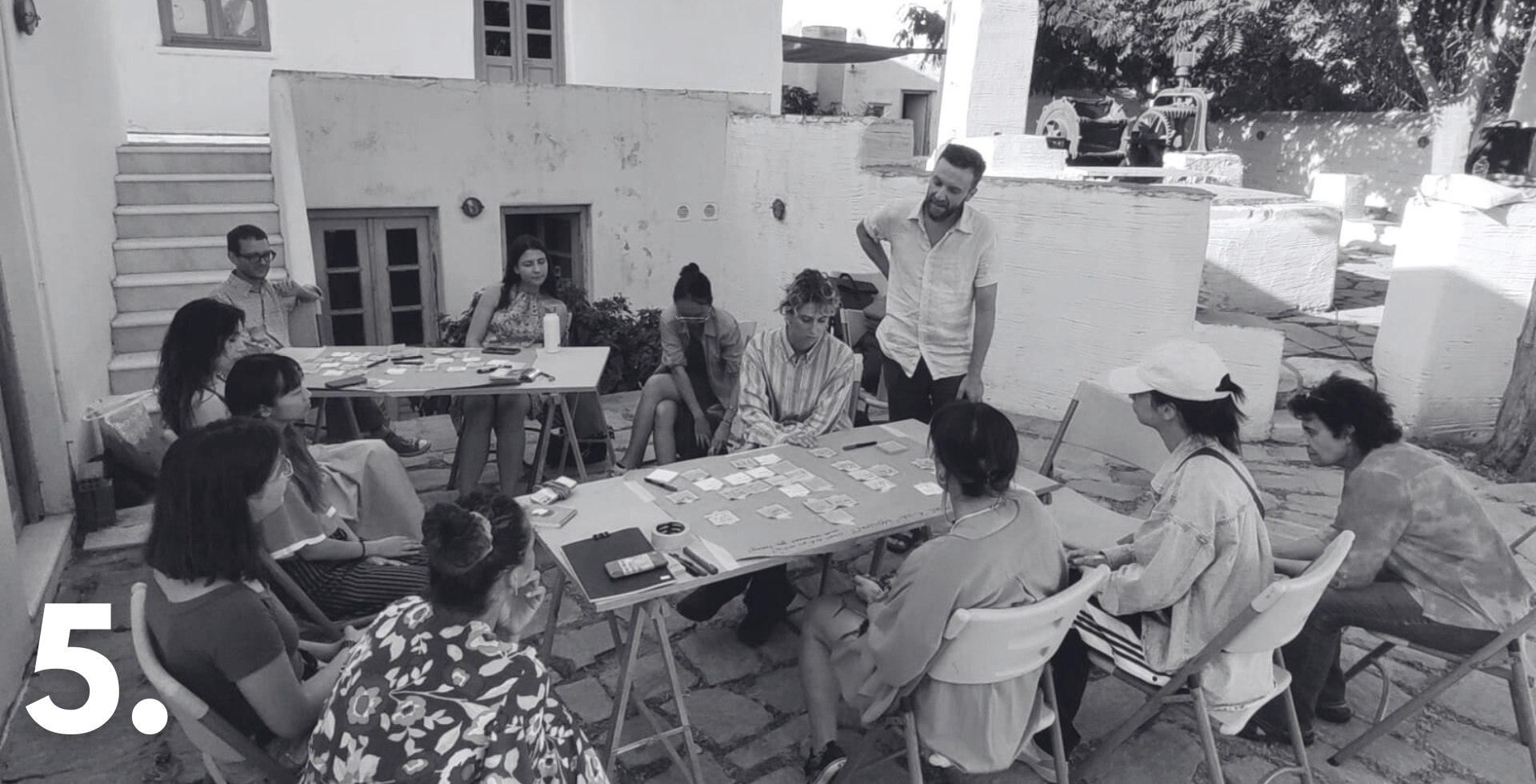
HERITΛGE continued to strengthen its leadership in professional training by expanding its Executive Leadership Education programmes and reinforcing its global learning community. A key milestone was the introduction of Community Tourism and Development into the curriculum, responding to the growing need for heritage managers to understand how cultural resources can generate sustainable economic benefits while reinforcing social cohesion, identity, and community resilience. This year also saw the first alumni conference of the Engaging Communities in Cultural Heritage Summer School, bringing together former participants from around the world to share research, field experiences, and community-based practices. Alongside this, HERITΛGE successfully delivered its Conservation Series Training Programmes for the second time, expanding the offer to include First Aid for Finds and Preventive Conservation, and equipping participants with practical skills applicable across diverse heritage contexts. The Training of Trainers (ToT) programme continued to grow, building a global cohort of HERITΛGE Ambassadors—heritage professionals trained to deliver high-quality, cross-cultural capacity building within their own communities. Together, these initiatives reflect HERITΛGE’s ongoing commitment to community-centred heritage management, interdisciplinary collaboration, and the empowerment of professionals working at the intersection of culture, development, and sustainability, supported by a vibrant international network united by shared values and collective impact.
6. Advancing Audience-Centred Heritage Practice through AHEAD
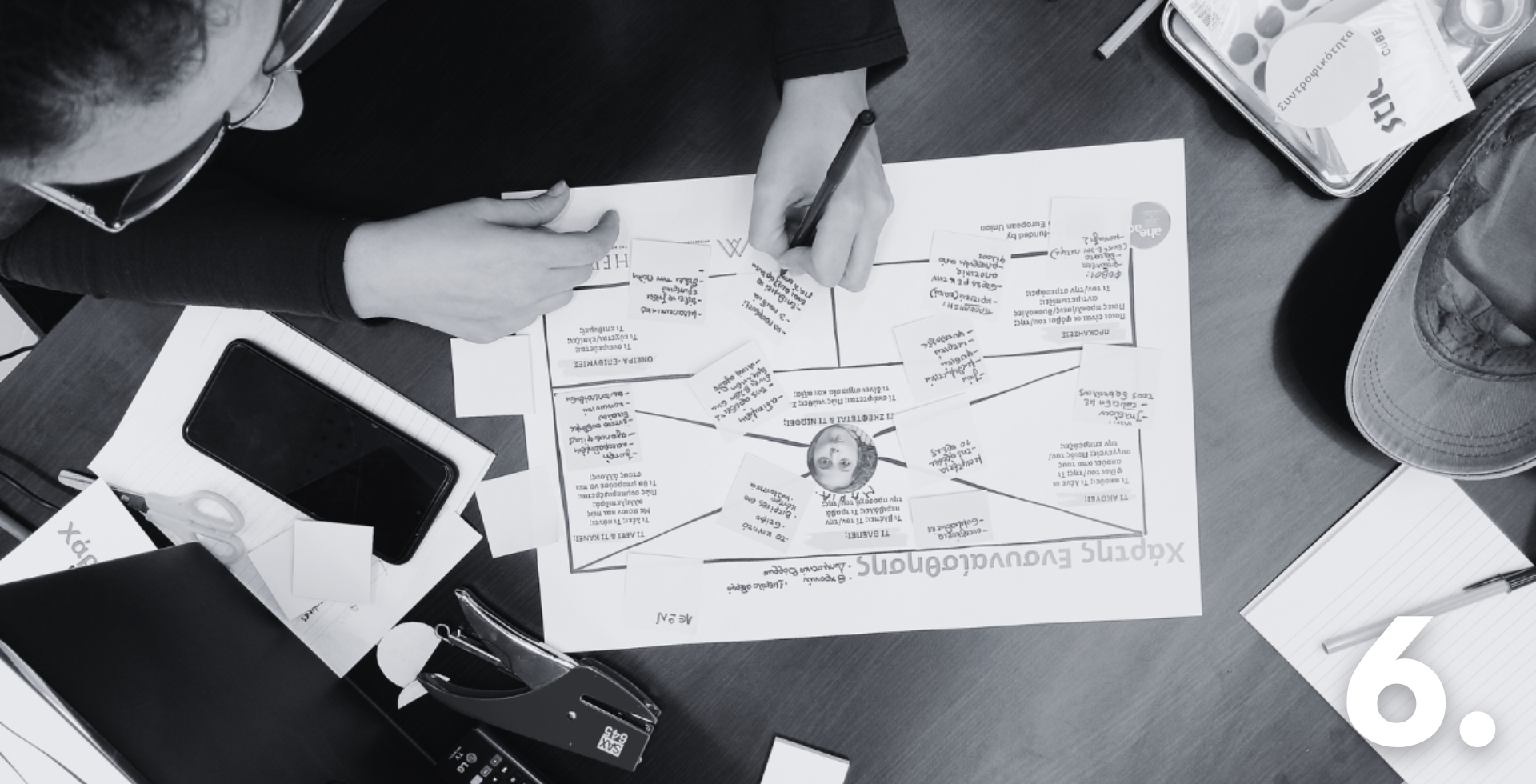
In 2025, HERITΛGE advanced its work on audience-centred heritage practice through AHEAD (Accessible Heritage Experience for Audience Development), a project co-funded by Creative Europe and dedicated to strengthening participation, co-creation, and sustainability across the cultural heritage sector. At the Archaeological Museum of Messara, the project’s Greek hub, HERITΛGE hosted a series of co-creation labs in early 2025, followed by a study visit for AHEAD project partners in May, creating space for peer learning and in-depth exchange around participatory heritage approaches. In July, the 3rd AHEAD Networking Event brought together practitioners and researchers, and featured the presentation of the Living Heritage Network in Greece by Theodosia Maroutsi, highlighting how community-led approaches can be embedded in national heritage ecosystems. In September, HERITΛGE organised a dedicated Multiplier event in Athens to share the results of AHEAD with heritage managers, researchers, and cultural professionals. The project culminated in October with the presentation of AHEAD and its outcomes in Brussels and, for the Greek hub, a public event at the Archaeological Museum of Messara, where Elektra Angelopoulou, the project’s artist-in-residence, presented a site-specific artwork co-created with the local community. Alongside these events, AHEAD produced a dedicated magazine and learning resources that document the project’s insights and offer practical tools for fostering co-creation, inclusion, and long-term sustainability in cultural heritage practice.
7. SHIFT: Inclusive Digital Innovation for the Future of Cultural Heritage
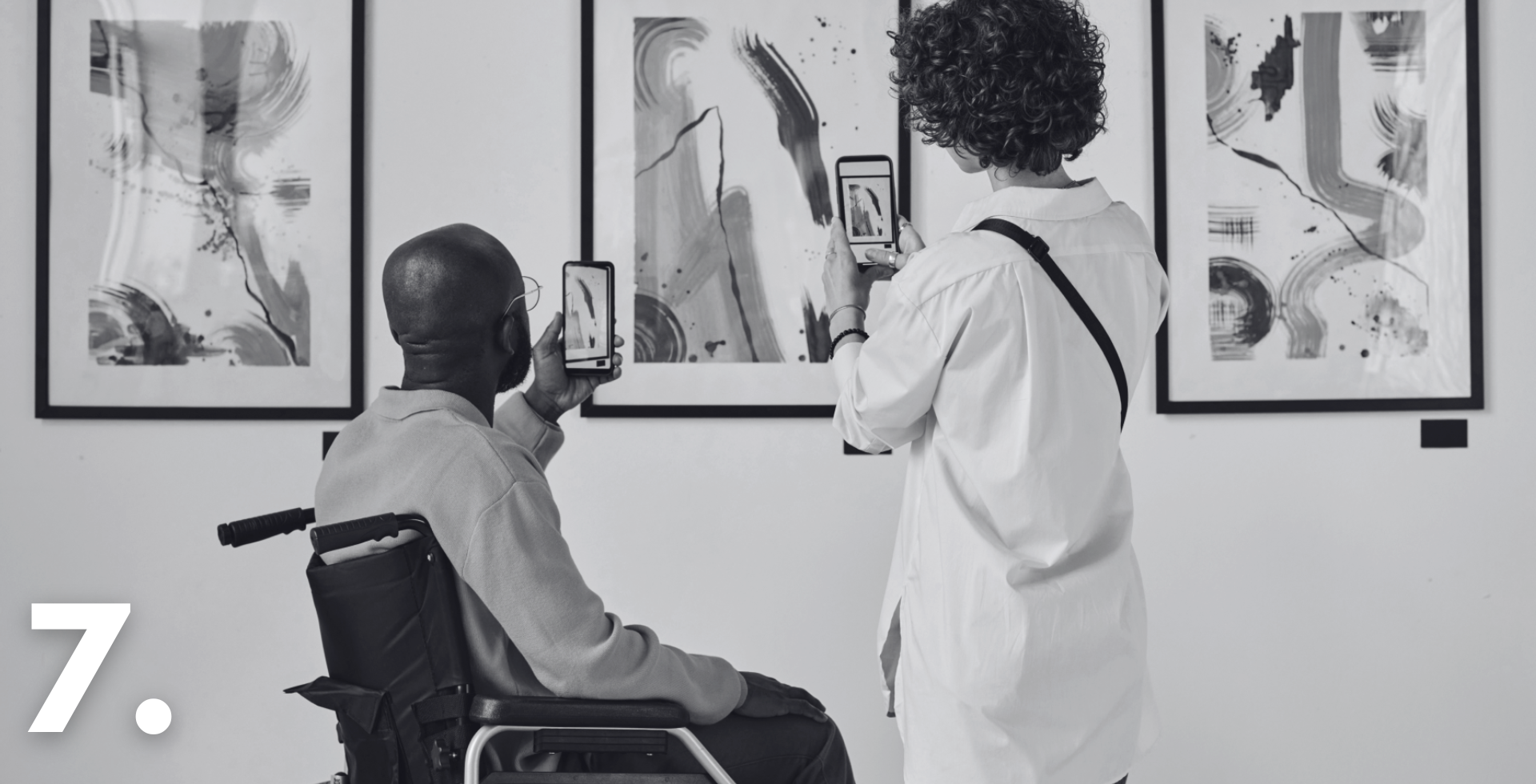
HERITΛGE and its SHIFT consortium partners concluded this ambitious Horizon Europe project aimed at making cultural heritage more accessible, inclusive, and engaging through advanced technologies. Over its lifetime, SHIFT delivered a suite of innovative tools—including an Image-to-Video generator, affective speech synthesis, haptics interfaces, and a platform designed to support inclusive digital storytelling—alongside a pioneering Extended Reality (XR) Accessibility Framework. These results were tested and refined through four pilot events in Germany, Hungary, Romania, and Serbia, ensuring that the tools responded to real needs within museums, libraries, and cultural organisations. The project’s achievements were showcased at major gatherings such as the Digital Heritage World Congress and Expo in Siena, highlighting SHIFT’s contribution to the future of digital cultural heritage. As part of our commitment to long-term impact, HERITΛGE developed a set of training modules to equip cultural heritage professionals with the skills they need to adopt and apply these new technologies in their own contexts.
8. Strengthening a National Platform for Living Heritage
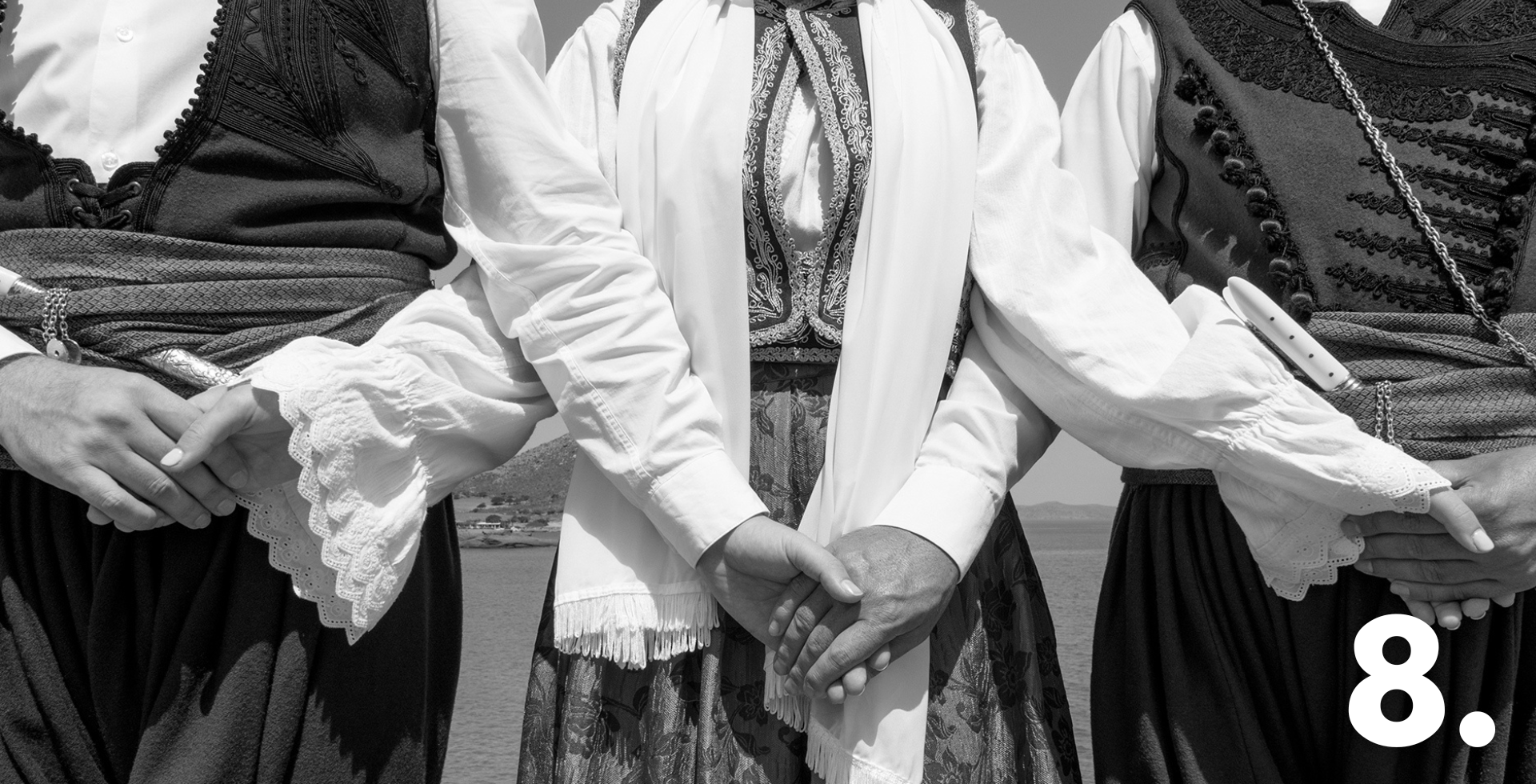
HERITΛGE strengthened its commitment to living heritage in Greece as a founding member of the country’s Living Heritage Network, with our Greek Programmes Manager, Theodosia Maroutsi, serving for the third year on its coordinating committee. In this role, HERITΛGE actively contributed to the Network’s 2nd National Meeting, held in Athens on 21–23 February, a major highlight of the year, where Theodosia welcomed participants and drove the dialogue during the “Living Heritage Network: Formation and Perspectives” roundtable “ reflecting on the Network’s development and future direction. HERITΛGE also delivered one of the leading side events of the 2nd National Meeting, a hands-on workshop, for 30 participants, titled “Working on the Narrative Interpretation of Living Cultural Heritage,” supporting practitioners in exploring narrative approaches to interpreting living heritage. Our impact extended well beyond the 2nd National Meeting’s floor. HERITΛGE was instrumental in drafting the Network’s Mapping Questionnaire, which was also launched in autumn of 2025. This Mapping is a crucial initiative designed to identify the essential needs of the living heritage ecosystem. The Network’s work was further amplified through HERITΛGE’s involvement in European projects: it was featured in AHEAD, where Theodosia participated in the 3rd Online Networking Event and was interviewed for the project’s magazine—freely available in English, Greek, Italian, and Spanish—and in EMPATHS, where the Network informed stakeholder mapping, cross-sector interviews, and co-design findings. Together, these activities positioned the Living Heritage Network as a key grassroots platform for participatory, community-led heritage practice in Greece and beyond.
9. Safeguarding Pakistan’s Most Significant and Vulnerable Cultural Landscapes
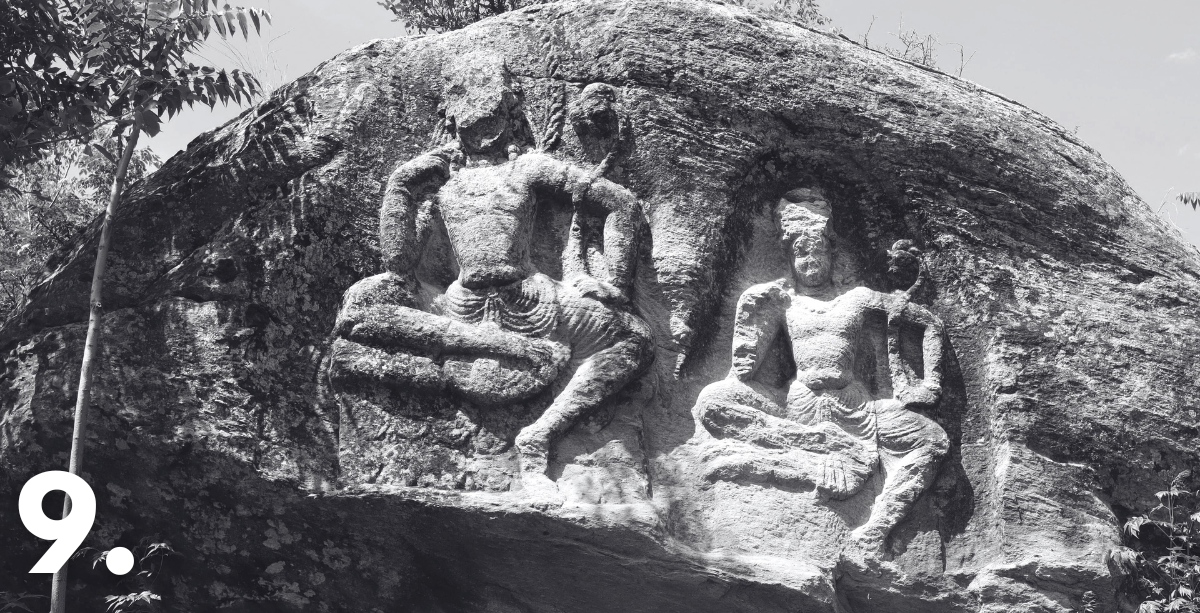
HERITΛGE and our partners completed the first phase of the project Preservation of Buddhist Rock Reliefs in the Swat Valley, safeguarding one of Pakistan’s most significant and vulnerable cultural landscapes. The initiative documented and conserved Buddhist rock carvings dating from the 8th to the 10th centuries, while also recording oral histories, legends, and traditional arts and crafts that link Pashtun culture with the Valley’s Buddhist past. Using advanced digital techniques, 78 rock reliefs were documented and made accessible through a public website featuring interactive maps and 3D models, and first aid conservation was carried out on 39 of the most at-risk sites. Capacity building was central to the project, with local participants trained in digital documentation and climate change adaptation. This first phase concluded with a public event at the Swat Museum and was presented internationally, including at the Lahore Museum, the Venice Biennale, and COP30, where it was cited as a strong example of heritage resilience in the face of climate change. Funded by the British Council’s Cultural Protection Fund and implemented with local and international partners, the project demonstrates how conservation, community engagement, and digital innovation can work together to protect heritage for future generations.
10. EMPATHS: Advancing Participatory Heritage Interpretation Across Europe
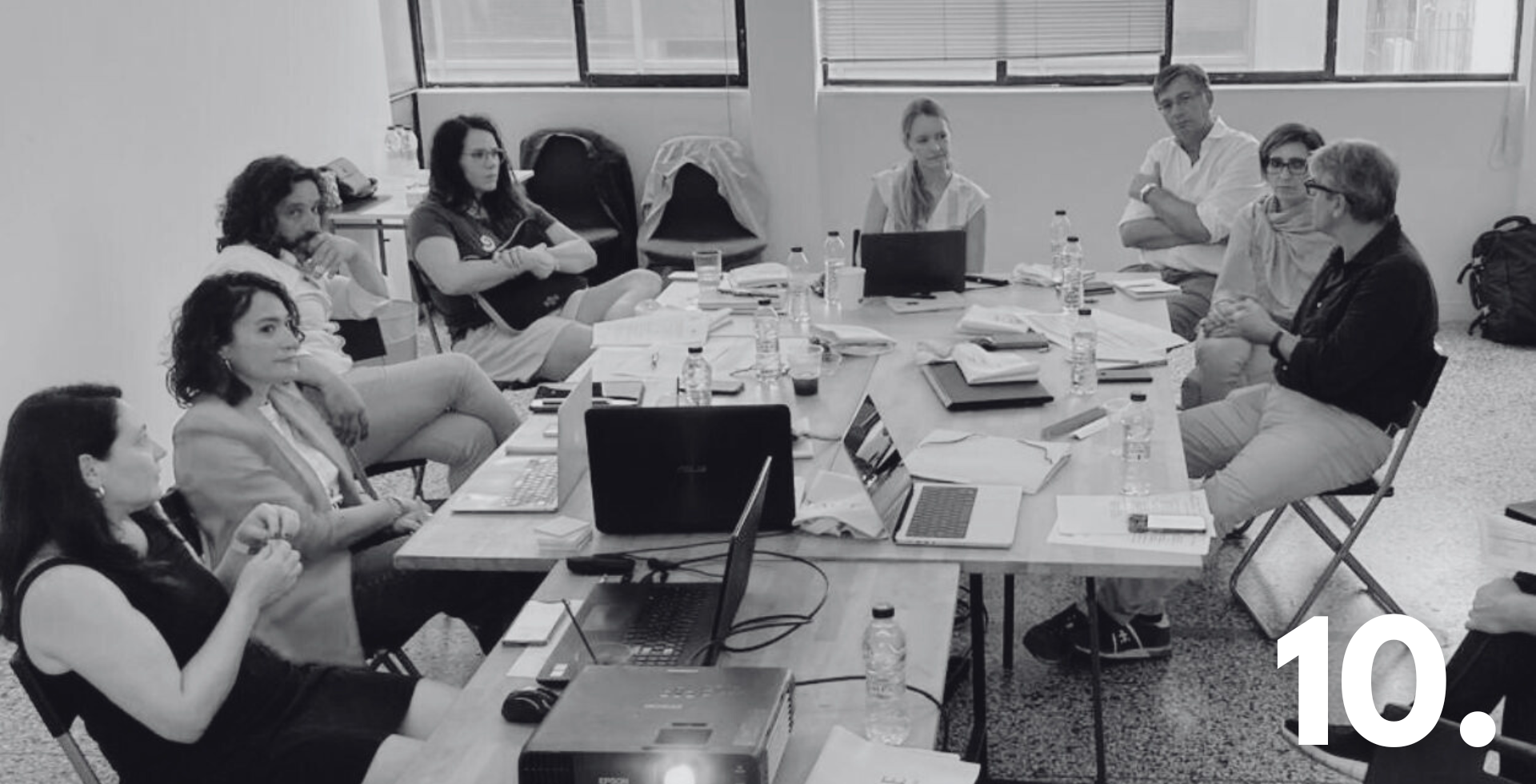
In 2025, HERITΛGE deepened its engagement in the Erasmus+–funded EMPATHS project, which aims to equip heritage professionals with the skills needed for participatory, community-driven heritage interpretation. Early in the year, the project contributed to international dialogue through a LDnet webinar on empowering local communities for smart and sustainable cultural heritage, while in May it published the EMPATHS Baseline Report, offering a comprehensive overview of current practices, challenges, and opportunities in participatory heritage interpretation across Europe and beyond. EMPATHS was further showcased at the European Association of Archaeologists (EAA) Congress in Belgrade, through the session “Voices of the Past, Hands of the Present: Collaborative Pathways in Archaeology and Heritage Interpretation.” In parallel, HERITΛGE led two online co-design sessions in Greece with heritage professionals from Alexandroupoli and Rizía, marking the project’s first structured dialogue between technical partners and piloting organisations and directly informing the design of the forthcoming training programme. Over the summer, EMPATHS published four key deliverables, including stakeholder mapping, cross-sector interviews, and co-design findings, all reinforcing the demand for skills in facilitation, storytelling, and emotionally resonant communication. The year culminated with the project’s second Transnational Project Meeting in Athens, where partners advanced work on the EMPATHS methodological compendium and training framework, the presentation of the project during a Global Alliance for Heritage Interpretation Webinar, and, importantly, with the publication of the EMPATHS Manifesto—a collective call to move beyond top-down interpretation and embrace heritage as a shared, democratic, and future-oriented process shaped with communities.
11. Community-Led Preservation of Earthen Architecture in Shibam, Yemen
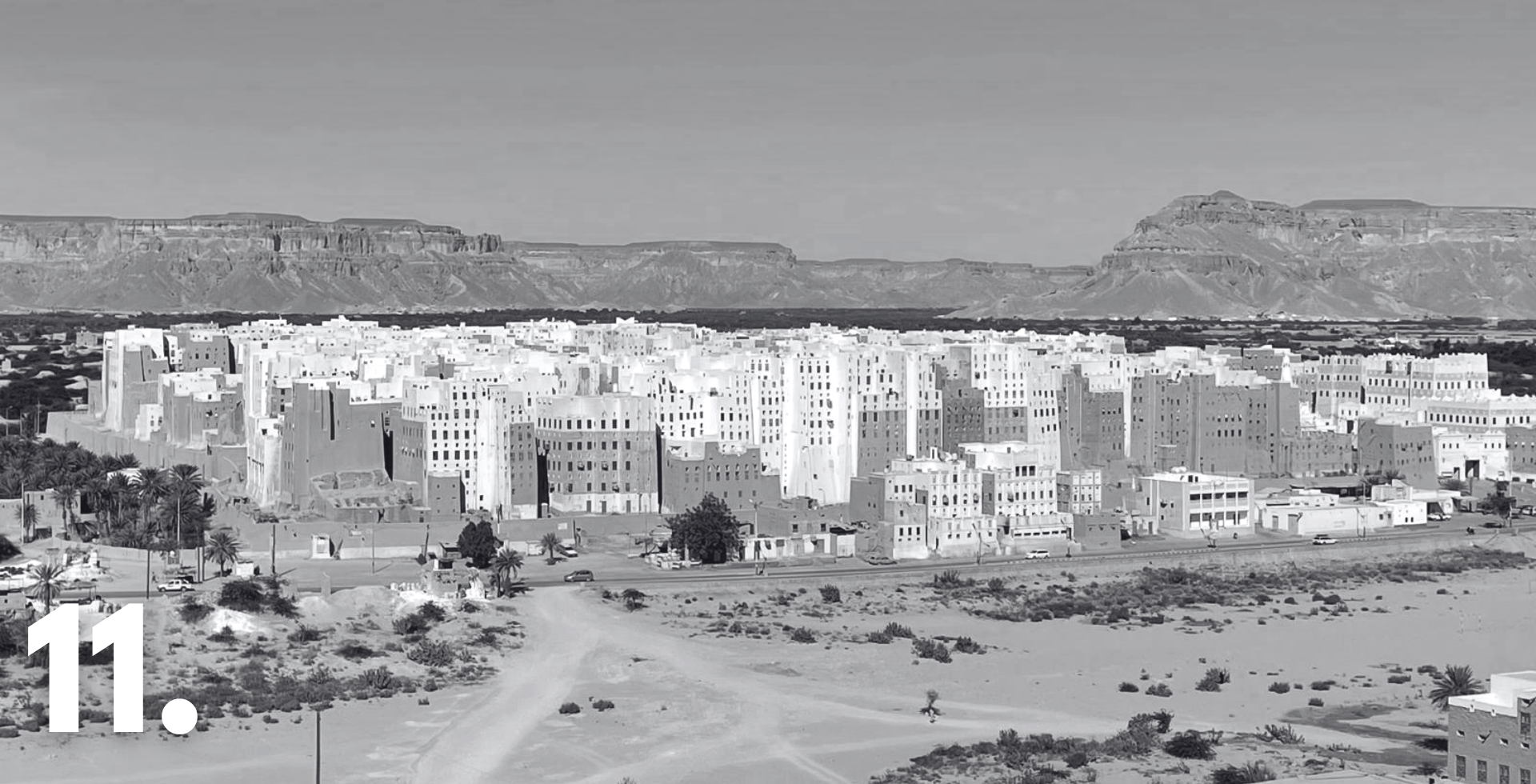
In Yemen, HERITΛGE advanced a major effort to safeguard the cultural heritage of Shibam through the ALIPH-funded project Preserving the Unique Earthen Architecture of Shibam. In early 2025, museum experts Shatha Safi and Khulod Najjar travelled to the UNESCO World Heritage city to guide the community-led planning of a new museum that will bring together collections currently scattered across Shibam and create dedicated spaces for traditional arts, crafts, and digital learning. Their visit marked a pivotal moment in the project, with consultations held with local authorities, heritage institutions, and women from the community to ensure the museum reflects the lived experiences, history, and aspirations of Shibam’s residents. Alongside this vision-setting, HERITΛGE is training local professionals on-site, with four trainees already working with our team on the documentation of the South Palace—future home of the museum. Complemented by architectural assessments and a climate action study, the project is laying the groundwork for a resilient cultural hub that will support preservation and community engagement for years to come.
12. Safeguarding Architectural Heritage in Times of War in Ukraine
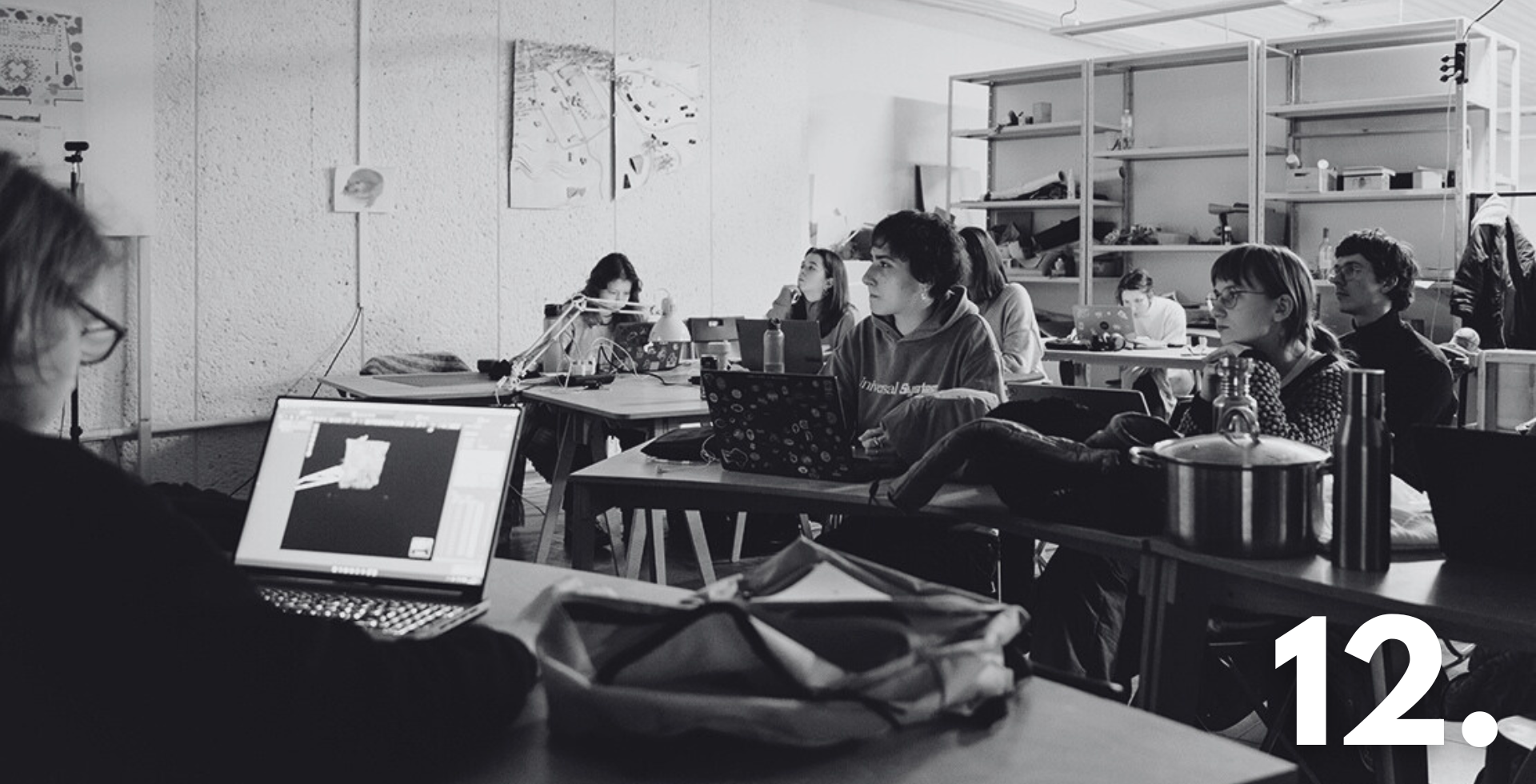
In Ukraine, HERITΛGE advanced critical work to protect architectural heritage threatened by war through the project Architectural Heritage Preservation in Times of War: The Ukrainian Model, delivered with the Kharkiv School of Architecture and 3D documentation specialists Skeiron. Launched in September 2024, the programme trained 30 students and 10 educators from across the country in cutting-edge documentation and conservation techniques—from photogrammetry and 3D laser scanning to international heritage standards—while providing hands-on field internships in Western Ukraine. Together, they created high-resolution digital records of 15 at-risk sites, safeguarding knowledge even as physical structures remain vulnerable. Through educator training and a series of public webinars, the project also planted the seeds for a new nationwide curriculum in architectural heritage preservation. Its impact extends far beyond a single academic year: it has built a cohort of young architects and teachers equipped with the skills, networks, and resolve to protect Ukraine’s cultural memory during conflict and beyond. Their work stands as a reminder that preserving heritage is not only an act of conservation, but an act of resilience and recovery.
13. New Projects for the Digital Transformation of Cultural Heritage
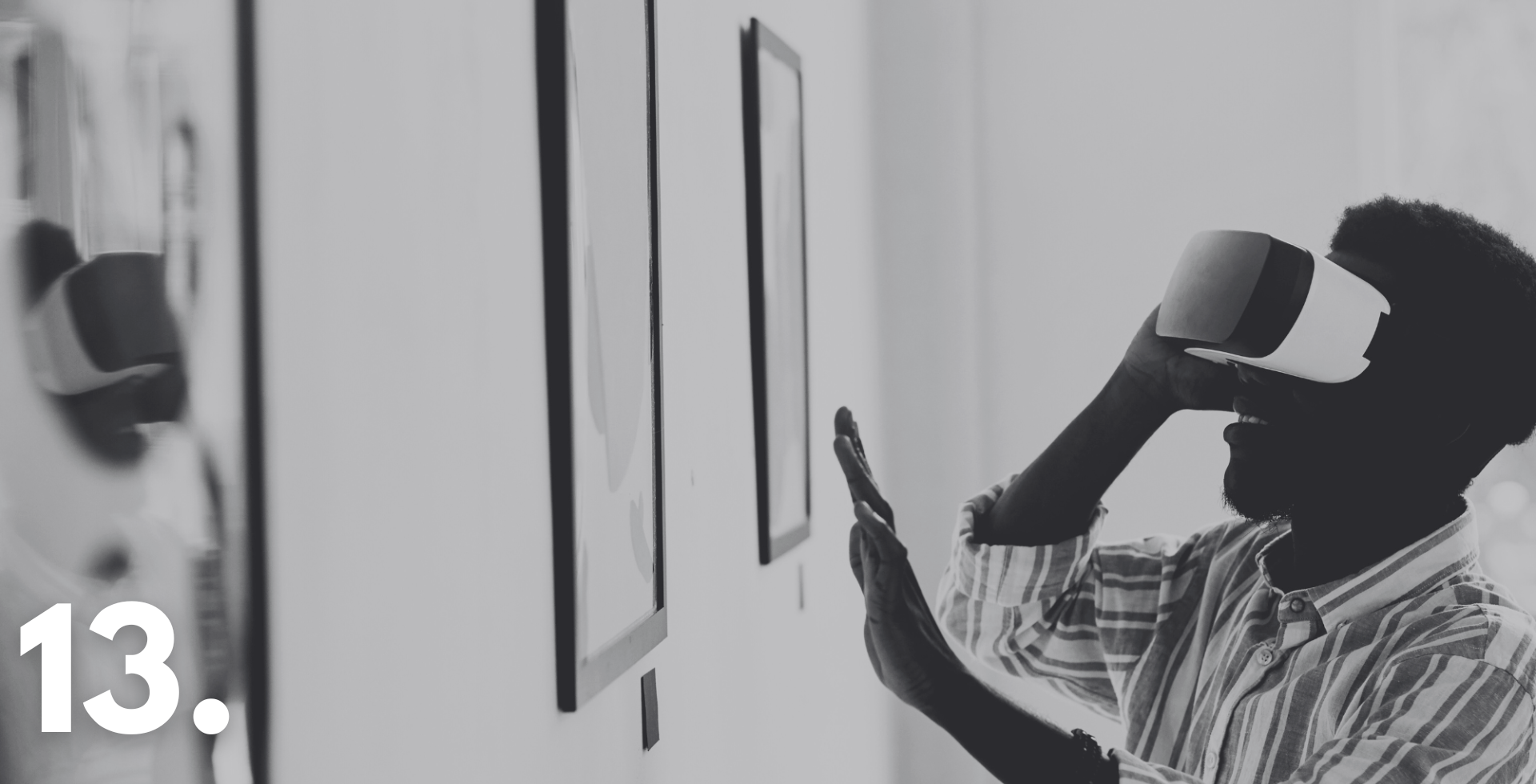 In 2025, HERITΛGE became a consortium partner in two new projects funded under the EU’s Horizon Europe programme, both contributing to the ECHOES initiative and the development of the European Collaborative Cloud for Cultural Heritage (ECCCH). ECHOES aims to establish a shared digital infrastructure that brings together currently fragmented cultural heritage communities, offering access to data, advanced digital tools, scientific resources, and training materials developed collaboratively by heritage professionals and researchers. HERITΛGE participates in MusicSphere, a project dedicated to preserving and interpreting traditional musical organs—such as pipe organs and their ancient Greek counterpart, the hydraulis—through high-fidelity digital replicas, acoustic modelling, and immersive virtual and augmented reality experiences that capture both their physical structure and sonic interaction with architectural spaces. HERITΛGE is also a partner in EXCALIBUR, which focuses on burial sites, excavation contexts, artefacts, and human remains, developing human-centred, affordable digital twin technologies to support research, conservation, restoration, and museum interpretation. Together, these projects contribute to the long-term preservation, study, and public understanding of complex heritage assets, while ensuring that open, interoperable, and practitioner-driven tools are shared through the ECCCH platform for broad professional and societal impact.