: Opinion pieces

Could the recognition of Somaliland have any impact on the management of its heritage?

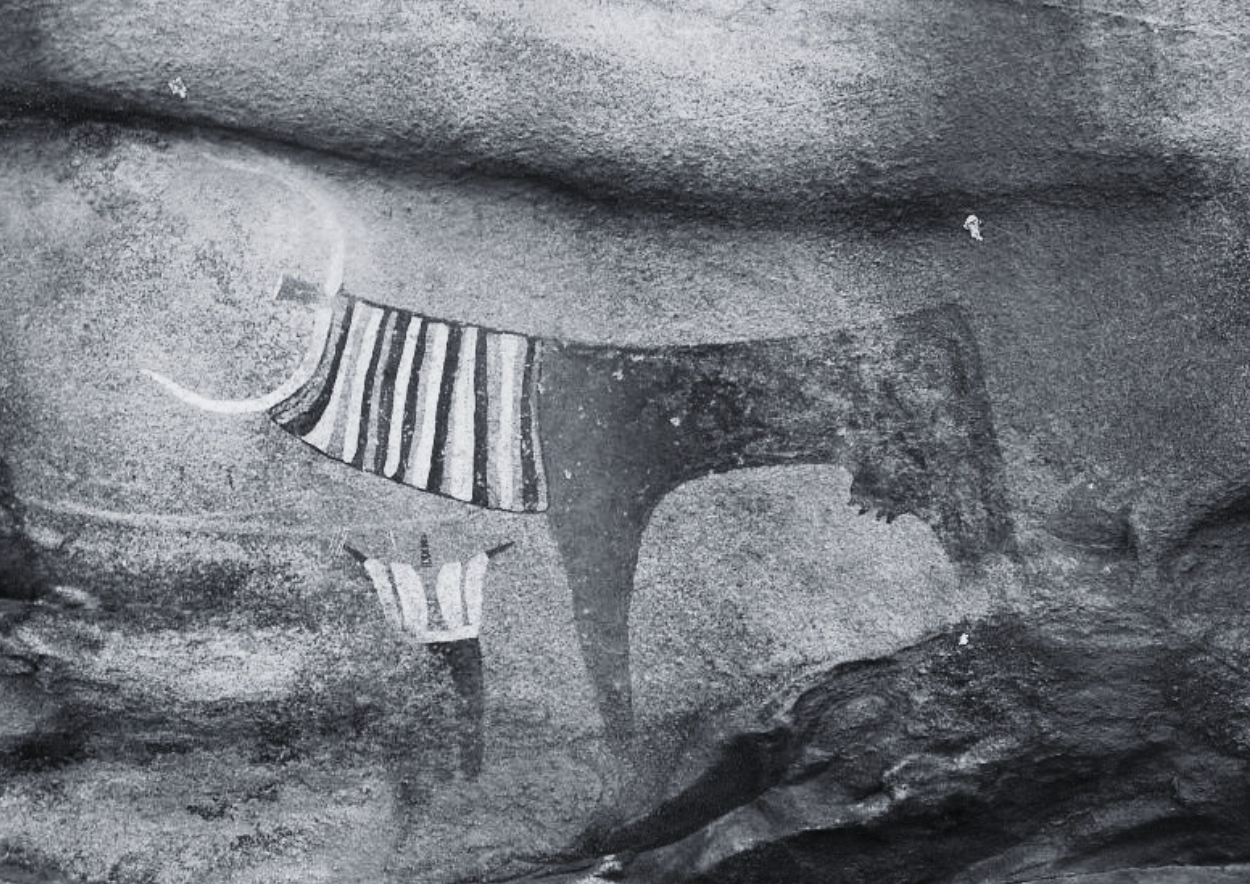
Detail of the Laas Geel cave paintings near Hargeysa, showing a cow accompanied by a human being. This image is the most unusual one in the collection, the cow appears to be draped in ceremonial robes.

Laas Geel Somaliland. Credit: Najeeb

By Pavlina Bafas

For more than three decades, Somaliland has functioned as a de facto state, maintaining relative peace, democratic governance, and its own institutions, despite lacking international recognition. Recent developments -most notably Israel’s recognition of Somaliland(1), have reignited discussions surrounding the right to self-determination and intensified regional and international responses. In reaction, a joint statement issued by more than twenty predominantly Middle Eastern and African states, together with the Organization of Islamic Cooperation, rejected Israel’s recognition, citing its potential repercussions for peace and security in the Horn of Africa, the Red Sea region, and the broader international order(2). While debates around recognition mainly focus on security, politics and economics, one area that receives far less attention is cultural heritage. Given the pronounced geopolitical implications of Somaliland’s secessionist tensions, why in this article do we examine it through the lens of its heritage?  

It is notable that much of the recent literature on the Somali political crisis relies on reductive assumptions that portray Somali society as culturally homogenous and uniquely driven by clan-based conflict. Such analyses overlook the historical and social complexities of Somali political reality. As some researchers argue(3), the notion of a “mono-culture” Somali identity is a myth constructed by outsiders, obscuring long-standing divisions—particularly between northern nomadic pastoralists and southern agro-pastoralists with distinct cultural, social, and linguistic structures.  In particular, Somaliland is home to a great range of cultural heritage assets, from prehistoric rock art sites to Islamic architecture, historic port towns like Berbera, and vibrant intangible heritage including poetry, music, and oral traditions(4). Besides cultural heritage, Somaliland counts numerous natural heritage sites and a rich wildlife like the famous Somali cheetahs(5).

Despite this wealth of heritage, Somaliland’s lack of international recognition has historically made formal global protection (such as UNESCO World Heritage listing) difficult, meaning national and local mechanisms have had to take the lead. Looking at an up-to-date picture of how heritage management works in Somaliland, we could recognize that the Somaliland governing authority has strengthened its cultural policies and institutional frameworks, even though many responsibilities are shared with local communities, NGOs, museums, and external partners(6).

Initially, Somaliland’s heritage management is not highly centralized in the classic western sense (with one dominant national body only), but there are formal government structures responsible for it such as the Department of Archaeology Protection and Indigenous Arts Promotion (under the Ministry of Trade and Tourism) that now leads much of the heritage policy, planning, conservation, and promotion work, including research and site protection initiatives. Working alongside this Department, the Horn Heritage Foundation, an NGO, assisted the Somaliland government in drafting new heritage legislation. More specifically, this Act incorporates key principles from major international agreements, particularly the 1954 Hague Convention for the Protection of Cultural Property in the Event of Armed Conflict and its Second Protocol, as well as the 1970 Convention aimed at preventing the illicit import, export, and transfer of ownership of cultural property(7).

Moreover, a separate Department of Culture supports broader cultural activities like music, theatre, and arts and is therefore responsible for most intangible heritage. Government policies include procedures to safeguard heritage during development projects. A major example is the $2 million heritage conservation and development project funded by the French Development Agency (AFD). This initiative focuses on protecting key archaeological sites like Laas Geel  — the most famous rock art complex, while building local capacity for heritage management, and integrating sustainable tourism as an economic driver(8). It is worth noticing that “no Agence Française de Développement (AFD, French Development Agency) activities are envisaged in Somalia in the short term, and no Treasury implements are now available to the country.  In the humanitarian field, France provided aid of €4.8 million in 2017, while Somaliland is the primary destination of our bilateral assistance to Somalia.”  (9) Another great project was the inauguration of the Somaliland National Museum in Hargeisa in July 2024, providing a central space for preservation, research, and public education(10, 11). This autonomous public service is evidence that the central Somali government is not involved in Somaliland’s heritage management. 

Regardless of the notable progress, particularly community empowerment and tourism development, obstacles still exist and are mostly related to institutional strength and international recognition. Guenther Wirth, president of Heritage Somaliland and working on Somaliland for almost three decades, provided us an overview of protected areas in Somaliland, a topic, as he states, remains difficult to define within the country’s current context. At the governmental level, responsibility for such areas is distributed across several institutions (three Ministries). While each of these bodies plays a role in matters related to conservation, protected areas have not emerged as a clear national priority. This situation is further complicated by limited institutional capacity, which constrains effective administration and management. Also, in certain cases, local communities or NGOs have taken an interest in preserving specific sites. Despite these efforts, it is widely believed that only a few of these areas benefit from consistent management, adequate protection, or sustained oversight(12).

Recognition has the potential to transform Somaliland’s heritage management system into one that is both legally empowered and internationally connected, but this transformation would not be automatic. Recognition would allow Somaliland to formally engage with UNESCO, ICOMOS, ICCROM, and other global heritage bodies, enabling access to training, expertise, and international standards. It would also increase opportunities for research collaboration and technical conservation support. However, it’s important how effectively Somaliland strengthens its domestic institutions, allocates resources, and builds professional capacity. Also, it provides the tools and access, but meaningful transformation requires political commitment and long-term planning. Additionally, as Somaliland is placed in a high position, concerning illegal trafficking (i.e. cheetahs), the intervention of international bodies could enhance the combat of this phenomenon. 

The potential benefits are significant. Recognition could unlock international funding, increase visibility for Somaliland’s heritage sites, and support sustainable cultural tourism. It would also give Somaliland greater control over how its history and identity are represented globally. However, recognition also carries risks. Increased tourism and international attention may place pressure on fragile sites, while donor-driven agendas could overshadow local values and priorities. There is also a risk that heritage management could become overly centralized or technocratic, sidelining community-based traditions and intangible heritage. Balancing economic opportunities with cultural integrity would therefore be essential. 

Last but not least, international recognition of Somaliland would also be shaped by significant geopolitical and internal political risks that directly affect cultural heritage management. Regionally, recognition could heighten tensions with Somalia and neighboring states, potentially politicizing heritage sites as symbols of sovereignty rather than shared history. Geopolitical rivalries in the Horn of Africa may influence funding priorities and international engagement, making heritage support uneven or strategically driven. Internally, recognition could shift political power dynamics, leading to competition over control of heritage institutions, resources, and narratives. If not carefully managed, these pressures could undermine inclusive, community-based heritage protection and instead turn cultural heritage into a contested political tool. 

* Pavlina Bafas is an early-career researcher collaborating with the Heritage Management Organization (HERITΛGE). Her academic interests focus on geopolitics, energy, and cultural diplomacy.

** The views and opinions expressed in Opinion Pieces featured on the HERITΛGE website, including this article, are those of the author(s) and do not necessarily reflect the official position of the Heritage Management Organization (HERITΛGE), its partners, or affiliated institutions.

Footnotes

  1. BBC Somali (30 Dec. 2025) Why Israel’s recognition of Somaliland as an independent state is controversial . https://www.bbc.com/news/articles/c14v4kmg275o 
  2. Agrican Security Analysis. (28 Dec. 2025) Implications of Israel’s Recognition of Somaliland’s Independence. https://www.africansecurityanalysis.com/reports/implications-of-israel-s-recognition-of-somaliland-s-independence 
  3. Mukhtar, M. H. (1996). The plight of the Agropastoral society of Somalia. Review of African Political Economy, 23(70), 543–553. https://doi.org/10.1080/ 03056249608704222 
  4. Ahmed, I. I., & Green, R. H. (1999). The Heritage of War and State Collapse in Somalia and Somaliland: Local-Level Effects, External Interventions and Reconstruction. Third World Quarterly, 20(1), 113–127. http://www.jstor.org/stable/3993185 
  5. Guenther Wirth, pers. com., March 2026
  6. Mohamed H. Jama (Former Deputy Area Manager and Head of Project at Welthungerhilfe. Former Consultant for Early Warning Technical Advisor at Nordic International Support foundation Seconded to National Disaster Preparedness and Food Reserve Authority , pers. com., March 2026 
  7. Somaliland’s Heritage Law.   https://www.hornheritage.org/the-somaliland-heritage-law/  
  8. Protection and promotion of Somaliland’s archaeological heritage. (Nov. 2024) https://www.expertisefrance.fr/en/projects/protection-and-promotion-somalilands-archaeological-heritage 
  9. https://www.diplomatie.gouv.fr/en/information-by-country/somalia/france-and-somalia (Accessed 20 Apr. 2026)
  10.  Inauguration of the Somaliland National Museum: Celebrating Cultural Heritage and National Pride (Jun. 2024) https://somalilandnation.com/2024/06/29/inauguration-of-the-somaliland-national-museum-celebrating-cultural-heritage-and-national-pride/ 
  11. https://somalilandcentral.com/museum/
  12.  Guenther Wirth, pers. com., March 2026
After the Return: Readiness and Responsibility in Hosting Digitally Repatriated Heritage

* By Ahmad Mohammed, PhD Researcher, Department of Archaeology, Durham University

In the previous articleBeyond Access: Rethinking Ownership, Justice, and Decolonization in Digital Repatriation Initiatives“, I have examined the conceptual landscape of digital repatriation, highlighting both the empowering potential and colonial pitfalls of returning cultural heritage in digital form. This follow-up extends that inquiry by addressing a critical, often overlooked dimension: the readiness of source countries and communities to host, govern, and sustain digitally repatriated heritage.

While digital repatriation offers an alternative or complementary pathway to physical restitution, its success hinges not only on ethical intent or technological innovation but on the socio-technical infrastructure available to source communities. This article examines this issue through three key lenses: infrastructural readiness, governance and capacity, and cultural sustainability. In doing so, it critiques the assumption—sometimes implicit in institutional discourse—that access alone constitutes justice.

  1. Digital Return Without Digital Sovereignty?

Many digital repatriation initiatives remain predicated on the assumption that “returning” digitized copies is enough. Yet, without adequate resources, platforms, or autonomy in hosting those digital materials, such returns may replicate the asymmetries of physical colonial collecting.

For instance, The Inuvialuit Living History Project (Hennessy et al., 2013) was rightly celebrated for its collaborative structure. However, the project relied heavily on external academic platforms and funding mechanisms, raising long-term questions about sustainability and control. Who maintains these systems when grant funding ends? What happens when a server is taken offline or institutional priorities shift?

Similar concerns were voiced by Carlton (2010), who found that while Native American communities expressed strong interest in digital stewardship, they often lacked the infrastructure—both technological and human—to manage repatriated materials without ongoing support. This reflects a broader digital divide that continues to define the global heritage ecosystem (Smith & Ristya, 2023).

  1. Infrastructure: The Weak Link in Decolonial Aspirations

Digital repatriation often presumes the existence of stable internet access, secure data servers, digital preservation strategies, and metadata expertise. In practice, such conditions are far from universal.

Even in well-resourced cultural institutions within source countries, digital infrastructure may be centralized, bureaucratically constrained, or misaligned with local epistemologies. For Indigenous and rural communities, the gap is even more acute. Shepardson et al. (2019) note that while Rapa Nui youth were engaged in digital mapping and archival training, technical constraints repeatedly limited project continuity.

Further, as Barwick (2004) cautioned, there is no one-size-fits-all model for digital repositories. “Community archives” must reflect the specific needs and values of those communities. Off-the-shelf solutions or externally hosted databases rarely offer this flexibility, and may embed Western norms of access, hierarchy, and categorization.

Mukurtu, an open-source CMS built with Indigenous communities, is one of the few platforms to address this issue explicitly by allowing users to create “cultural protocols” for access. Yet even Mukurtu, despite its affordances, requires ongoing technical capacity—training, updates, and hosting—that many communities are not funded or trained to sustain (Krupa & Grimm, 2021).

  1. Governance and Institutional Commitment

Even when infrastructure exists, governance structures for digital repatriation are often absent or insufficient. Who decides what is digitized? Who approves public access? How are sacred, gendered, or restricted materials managed?

Leopold (2013) warned that even collaborative efforts risk collapsing under institutional inertia if power is not equitably distributed. The question, then, is not just whether communities can host digital heritage—but whether they are empowered to govern it under their own laws, customs, and knowledge systems.

There is also the issue of dependency. Projects like the Sípnuuk digital library, developed by the Karuk Tribe (Tribe et al., 2017), demonstrate that community-owned platforms are possible. But they are rare. Without structural changes in funding models, most digital repatriation efforts will remain tethered to the institutions that initially dispossessed the materials.

Thus, readiness is not merely technical—it is political and legal. It is about sovereignty over data, not just access to it.

  1. Readiness as a Moving Target

One of the key insights emerging from recent literature is that readiness must be understood relationally—not as a fixed state, but as a collaborative, evolving process. Communities may not begin with the infrastructure to host a digital archive, but can develop it through sustained, respectful partnerships.

Jennifer O’Neal (2013) emphasized the need for “temporal flexibility” in such collaborations. Timelines driven by institutional deliverables often clash with community-centered pacing. Likewise, community readiness cannot be imposed from the outside—it must be nurtured through trust-building, consultation, and co-creation.

The readiness of source countries also varies at the national level. Some governments have national digitization strategies and heritage ministries with strong technical capacity. Others—especially in post-conflict or low-income contexts—lack even basic archival systems. In such cases, digital repatriation risks deepening inequities unless accompanied by state-level investment in cultural infrastructure.

  1. The Illusion of Reversibility: Digital Fragility

One of the unspoken myths of digital repatriation is its supposed reversibility. Unlike physical repatriation, which is permanent, digital files can be duplicated, stored, or deleted with ease. But this is both a strength and a weakness.

The impermanence of digital formats, combined with the volatility of online platforms, makes digital heritage vulnerable to obsolescence, cyberattacks, or institutional neglect. Without redundant backups, maintenance plans, and clear governance, returned digital heritage can easily be lost—sometimes more quickly than it was ever accessible.

Digital fragility also exposes legal and ethical loopholes. Institutions may remove digital access without explanation. They may alter metadata, remap URLs, or archive collections under different taxonomies. Such risks are often invisible to the public but acutely felt by communities (Oruç, 2023).

  1. Toward a Readiness Index: What Does It Take?

Given the multi-dimensional nature of readiness, there is a growing need to develop a readiness index for digital repatriation—similar to frameworks used in international development or public health.

Such an index might include:

  • Technical infrastructure: internet bandwidth, server capacity, digital security
  • Institutional readiness: presence of cultural institutions, funding streams, IT departments
  • Community governance: mechanisms for access control, cultural protocol management
  • Policy environment: national laws on IP, cultural heritage, and Indigenous rights
  • Capacity-building mechanisms: training, mentorship, language accessibility

A readiness index would not be a gatekeeping tool, but a diagnostic one—allowing all parties to assess strengths, identify gaps, and co-create realistic timelines and support strategies.

Conclusion: Toward Relational and Contextual Readiness

Digital repatriation is not a matter of merely “giving back” digital files. It is a complex, relational, and infrastructural act that must be grounded in long-term partnerships, not one-off transfers. For source countries and communities to be truly “ready,” they must have not only the technical means but the authority, governance, and cultural frameworks to host and care for their digital heritage.

Institutions in the Global North must recognize their role not just as holders of collections, but as co-conspirators in decolonial repair. Readiness, in this sense, is not about ticking boxes—it is about co-building futures. As repatriation expands into the digital realm, the ethical questions grow more intricate, but so too does the potential for shared sovereignty, cultural revitalization, and relational accountability.

References


What Future for Sacred Places in the Age of Climate and Virtuality?


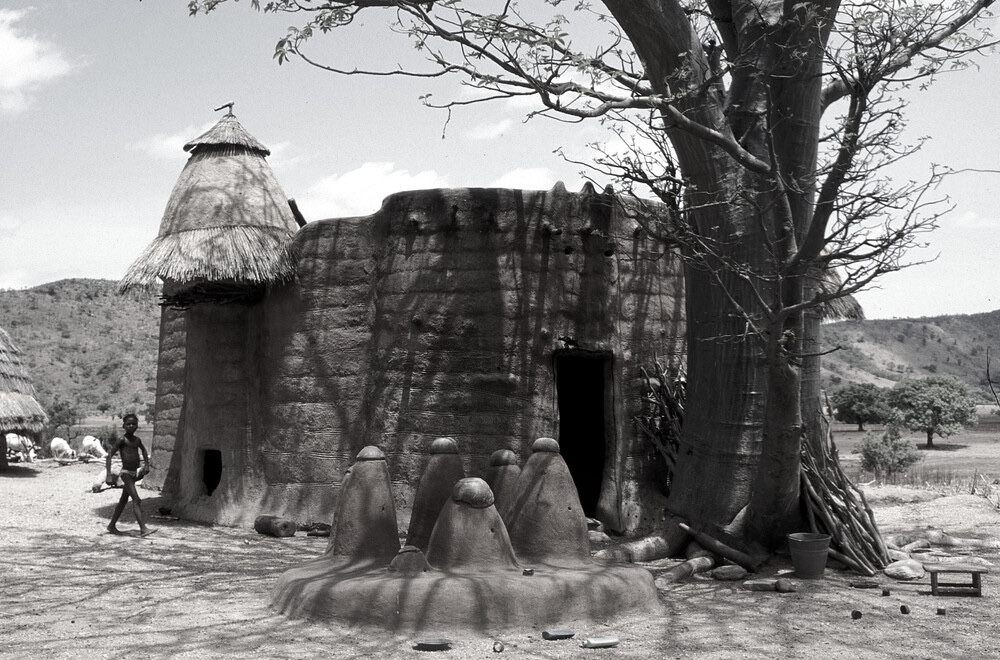
A photo of a takienta with a boy walking in front of it

Copyright: CRA-terre Source: UNESCO

By Ibrahim Tchan,

Climate change does not only erode landscapes or materials.
It threatens gestures, rituals, stories—what binds people to their territories, to their ancestors, to their sense of belonging. In the face of this, should we simply document, archive, observe the loss?
Or should we begin to invent new forms of presence, capable of extending the breath of heritage where the ground becomes unstable, practices disperse, and memory fades?

This is exactly the path we are currently walking with the Takienta, the ritual dwelling of the Batammariba people, in the Koutammakou region (Benin/Togo).

We are actively engaging in a multi-layered process using virtual reality, 3D modeling, photogrammetry, telepresence, augmented reality, and now drone-assisted AI for inventory and sacred landscape mapping.

But our aim is not to freeze this living architecture in pixels.
It is to make it accessible in new ways, to enable active transmission, especially where collapsing soils, displacement, or disrupted rhythms make ritual continuity difficult.

We are working to ensure that initiation rituals like the Dikuntri (for girls) and the Difuani (for boys) can still be felt, understood, and experienced—even remotely, even tomorrow—in a world where physical presence may no longer be possible, but where spiritual connection can be reimagined. This is no longer just about preserving form, but about ensuring that communities—especially younger generations—can continue to “inhabit” their heritage, making it a living resource in an uncertain world.

This approach raises critical questions:

➡ How can digital tools become instruments of cultural adaptation, not substitution?

➡ What ethical, inclusive, and grounded models can guide us in this transition?

➡ Which stories, practices, and examples should we be sharing—urgently?

We offer this not as a finished solution, but as an open invitation to explore, test, and co-create.
To engage in cross-disciplinary collaboration, to rethink how we care for what matters most. Because heritage does not preserve itself.
It must be carried, transformed, retold—together.
And if the tools of tomorrow can help honor the memory of our origins, then it is up to us to use them with care, clarity… and commitment.

*Ibrahim Tchan is a Heritage and Climate Change Specialist Researcher/Project Manager working in Benin

Embracing Technology in Cultural Heritage: Overcoming Barriers to Engagement and Accessibility

By Maria Kagkelidou

As cultural heritage institutions around the world grapple with the task of preserving our past, an exciting opportunity is emerging: technology. From virtual reality (VR) tours and augmented reality (AR) displays to artificial intelligence (AI) and haptic feedback, the tools available to make heritage more engaging and accessible are growing at a rapid pace. At the heart of this shift lies the potential to not only enhance visitor experiences but also address longstanding challenges such as accessibility and audience engagement.

As a participant in the SHIFT project, I’ve had the privilege of analyzing key survey results from both cultural heritage professionals and the general public. These surveys highlight the promise of new technologies, but they also underline the barriers that remain—barriers that need to be tackled to truly realize the potential of technology in the cultural sector.

The Promise of Digital Technologies

The results from our SHIFT survey of cultural heritage professionals reveal that many institutions are embracing technologies like AI, VR, and AR to increase their appeal and accessibility. With these tools, institutions are transforming the traditional museum visit into a dynamic, interactive experience. Visitors can now walk through virtual reconstructions of ancient civilizations, experience interactive 3D models of priceless artifacts, or participate in immersive educational games.

The general public survey, also part of the SHIFT initiative, further confirms this shift. When asked what would make them more likely to visit museums and cultural sites, a significant majority of younger respondents (aged 18–34) said that interactive, technology-driven experiences such as VR or AR would encourage them to engage more with cultural heritage. These technologies can bridge the gap between a traditional, static experience and a more dynamic, immersive one that speaks to today’s digital-native generations.

For institutions, the opportunity to create more inclusive spaces is equally promising. Through AI-powered accessibility tools such as text-to-speech for visually impaired visitors or haptic technologies that allow users to “feel” digital representations of artifacts, museums are making their collections available to broader audiences. These technologies, which were once considered futuristic, are now seen as essential for enhancing the inclusivity of cultural institutions.

Barriers to Widespread Adoption

Despite the optimism around digital transformation, the SHIFT surveys also shed light on the significant barriers preventing more widespread use of technology within cultural heritage institutions. Budget constraints were the most frequently cited challenge, with 57% of respondents reporting that limited financial resources were a key obstacle to adopting new technologies. Initial costs, as well as the need for ongoing maintenance and infrastructure upgrades, are particularly burdensome for smaller institutions.

In addition to financial concerns, lack of technical expertise remains a crucial barrier. Many institutions report that they simply do not have the in-house capabilities to implement or maintain advanced digital tools. This challenge is especially evident in smaller, less resourced institutions, which often do not have dedicated IT departments or staff with specialized training in digital tools.

There is also a degree of institutional inertia. The cultural sector can be slow to change, with some professionals expressing concern that technology might undermine the authenticity of cultural experiences. The survey results showed that about 33% of respondents felt that the introduction of advanced technologies might detract from the physical connection to artifacts or undermine the traditional, “hands-on” museum experience that many visitors still value.

Opportunities for Change

Despite these barriers, the SHIFT project continues to push forward with the belief that technology can be an enabler, not a disruptor, of cultural heritage. To address these challenges, the survey results suggest that there are several actions we can take to help institutions embrace digital transformation more effectively:

  1. Increased Funding Support: Public and private funding needs to be expanded, especially for smaller institutions. This can include targeted subsidies or shared funding models to make technology adoption more affordable.
  2. Training and Capacity Building: Cultural heritage professionals must be equipped with the technical skills to successfully implement and use these technologies. The SHIFT project has already initiated training programs aimed at increasing digital literacy within the sector.
  3. Collaborative Efforts: Cross-institutional collaboration should be encouraged to share resources, knowledge, and digital tools. This can be particularly helpful for smaller institutions that may lack the financial or technical means to go it alone.
  4. Inclusive Design: As the SHIFT surveys showed, the desire for inclusive experiences is high, and digital tools are uniquely positioned to meet the needs of diverse audiences. Institutions must continue to prioritize accessibility—from providing virtual tours for those unable to travel to offering multisensory experiences for people with disabilities.

A Bright Future for Cultural Heritage

The SHIFT project is driven by the ambition to make cultural heritage more accessible, inclusive, and engaging for all. The survey findings clearly show that while the appetite for technology is strong, the sector must work together to break down the barriers preventing its wider adoption. Through collaboration, investment, and training, the cultural heritage sector can harness the power of technology to create richer, more inclusive experiences that will attract new audiences and better preserve our shared history for generations to come.

The road ahead may be challenging, but the potential is undeniable. As institutions continue to embrace digital transformation, the future of cultural heritage looks not just more interactive and inclusive, but more dynamic and engaging than ever before.


Beyond Access: Rethinking Ownership, Justice, and Decolonization in Digital Repatriation Initiatives

* By Ahmad Mohammed, PhD Researcher, Department of Archaeology, Durham University

Digital repatriation, referring refers to the return of cultural heritage in digital form and, has emerged as a pivotal innovation within digital humanities and heritage studies over the past decade (Poske 2024). Traditionally rooted in anthropological practices, digital repatriation has evolved to encompass diverse modes of reconnecting communities with ancestral heritage that has been displaced through the removal of cultural objects, utilizing photographs, audio recordings, 3D scans, virtual reality experiences, and online databases. This practice is fundamentally reshaping the landscape of cultural heritage management, museum curation, and archival practices by challenging traditional notions of ownership, stewardship, and access.

At its core, digital repatriation seeks to address the historical injustices that resulted in the displacement and appropriation of cultural objects during periods of colonialism, conflict, and globalization. Through digital surrogates, source communities are afforded renewed access to their material culture, linguistic traditions, and spiritual practices, often enabling revitalization efforts that strengthen cultural identity and continuity. Advances in digital technology offer transformative possibilities for democratizing access, fostering intercultural dialogue, and supporting community-driven heritage management.

However, digital repatriation is not without profound ethical, legal, and political dilemmas. Critics caution that without genuine power shifts toward originating communities, digital repatriation risks reinforcing colonial hierarchies under the veneer of technological progress (Lixinski 2020; Vapnarsky and Noûus 2021). The creation and circulation of digital surrogates, while offering symbolic returns, may simultaneously allow institutions to retain control over original artifacts, thus perpetuating structural inequalities.

Moreover, issues surrounding intellectual property rights, ethical data management, cultural sensitivity, and digital divides further complicate the landscape. Who controls the digital replicas? Who decides how they are accessed, interpreted, and shared? Can digital copies ever replace the spiritual and material significance of original artifacts? These questions remain at the heart of ongoing scholarly debates.

Understanding digital repatriation, therefore, requires a holistic exploration of its transformative potential, systemic risks, and the critical frameworks necessary for its ethical realization. This study examines both the promises and paradoxes of digital repatriation, emphasizing that truly decolonial digital practices must center the sovereignty, authority, and cultural values of source communities at every stage of the process.

Opportunities and Innovations

Digital repatriation initiatives have opened unprecedented opportunities for re-establishing connections between communities and their dispersed cultural heritage. The ability to access, interact with, and reinterpret heritage materials through digital means has empowered communities to reclaim narratives historically marginalized or misrepresented in institutional settings. Virtual museums, augmented reality exhibitions, and open-access repositories have emerged as platforms that democratize heritage access, facilitating intercultural understanding and knowledge sharing (Wikipedia 2023; Vapnarsky and Noûus 2021).

Moreover, community-led initiatives such as Princeton University’s “Naming and Claiming” project have demonstrated how Indigenous communities can actively participate in reauthoring the digital representation of their heritage (Young 2018). Platforms like Mukurtu offer customizable tools that allow for the imposition of cultural protocols, ensuring that sensitive materials are managed in accordance with traditional knowledge systems (Krupa and Grimm 2021).

Emerging frameworks emphasizing Indigenous data sovereignty (Owan et al. 2023) further enhance these opportunities, providing communities with the mechanisms to govern their digital heritage autonomously. Blockchain technologies and NFTs have also been explored as innovative methods for asserting Indigenous rights and “activating refusal,” allowing communities to control the circulation of their digital heritage and challenge exploitative practices (Feld 2023).

Importantly, projects like Sípnuuk, developed by the Karuk Tribe, exemplify how Indigenous-controlled digital archives can become vital spaces for cultural preservation, education, and intergenerational knowledge transfer (Hillman et al. 2017).

Challenges and Critiques

Despite the promising potential of digital repatriation, significant challenges persist that threaten to undermine its transformative aspirations. A major concern is the risk of “virtual restitution” replacing demands for the physical return of cultural artifacts. Scholars argue that offering digital surrogates without relinquishing ownership of original items can serve to placate repatriation claims without addressing the deeper injustices of colonial dispossession (Poske 2024; Open GLAM 2021).

Furthermore, institutional control over digital surrogates remains pervasive. Digitization often occurs within frameworks that prioritize institutional narratives and archival standards, thereby marginalizing Indigenous epistemologies and cultural protocols (Allahyari 2016; Vapnarsky and Noûus 2021). This dynamic perpetuates “digital colonialism,” wherein Western institutions retain authority over how digitized heritage is categorized, accessed, and interpreted.

The ethical risks associated with the digitization of sacred and sensitive materials also present critical challenges. Without robust community consultation and consent, digital repatriation can result in the unintentional exposure of knowledge that communities deem private or sacred (Leditschke et al. 2024).

Legal ambiguities surrounding ownership and copyright further complicate digital repatriation efforts. Institutions often assert intellectual property rights over digital representations, effectively creating new forms of dispossession and reinforcing “intellectual property imperialism” (Oruç 2023).

Moreover, digital divides continue to hinder equitable participation in digital repatriation initiatives. Many communities face barriers related to infrastructure, technological capacity, and digital literacy, limiting their ability to access, manage, and benefit from digital heritage (Shepardson 2023; Smith and Ristya 2023).

Ownership, Control, Ethical Governance, and Justice

The success of digital repatriation depends fundamentally on reconceptualizing ownership, control, and ethical governance. True digital repatriation must prioritize the sovereignty of source communities over their digital and physical heritage. This requires dismantling traditional hierarchies of knowledge production and curatorship that have historically marginalized Indigenous voices.

Frameworks such as Traditional Knowledge Labels (Local Contexts 2021) offer practical mechanisms for communities to assert cultural authority over digital content, specifying conditions of access, attribution, and usage. Community-led governance models based on principles of free, prior, and informed consent, reciprocal benefit, and cultural sensitivity are essential for ensuring that digital repatriation initiatives respect Indigenous legal and ethical systems (Owan et al. 2023).

Innovative approaches leveraging blockchain and NFTs provide additional tools for Indigenous communities to control the circulation of their digital heritage and resist unauthorized appropriation (Feld 2023). However, technological solutions must be embedded within broader frameworks of ethical collaboration and decolonial practice to avoid replicating existing inequities.

Justice in the context of digital repatriation demands more than technological fixes; it requires meaningful restitution, recognition of historical harms, and the establishment of equitable partnerships between institutions and source communities. As Sarr and Savoy (2018) argue, digital repatriation should complement, not replace, physical returns and broader decolonization efforts.

Ultimately, digital repatriation can serve as a powerful catalyst for restorative justice, cultural revitalization, and global solidarity. However, achieving these goals necessitates a sustained commitment to centering community agency, respecting cultural protocols, and challenging the legacies of colonialism embedded within heritage institutions and digital infrastructures.

Conclusion

Digital repatriation stands at the intersection of innovation and restitution, offering unprecedented opportunities to bridge historical divides and empower communities historically marginalized in cultural heritage discourses. As digital technologies increasingly permeate every aspect of cultural management, digital repatriation offers a means for Indigenous and source communities to reengage with dispersed heritage, revitalize endangered traditions, and assert cultural sovereignty in new and dynamic ways.

Nevertheless, digital repatriation is fraught with complexity. Access to digitized heritage, while important, cannot substitute for genuine restitution of physical objects nor can it rectify the profound harms caused by centuries of cultural dispossession. Without structural transformations in ownership, control, and governance, digital initiatives risk becoming superficial gestures that maintain institutional dominance under the guise of innovation.

True decolonization demands more than the proliferation of digital surrogates; it requires reimagining the ethical frameworks that underpin cultural heritage practices. Institutions must move beyond extractive models of stewardship toward equitable, consent-based collaborations that center the epistemologies, rights, and aspirations of source communities. This includes embracing Indigenous frameworks of knowledge governance, recognizing cultural protocols surrounding access and use, and committing to processes of physical restitution wherever possible.

The future of digital repatriation lies in forging partnerships grounded in trust, reciprocity, and mutual respect. Technology, when harnessed ethically, can serve as a powerful tool for restorative justice, cultural healing, and global solidarity. However, it must always be deployed in ways that prioritize community agency, ensure cultural continuity, and challenge the legacies of colonialism rather than perpetuating them.

As digital heritage practices continue to evolve, it is imperative that scholars, heritage professionals, and policymakers remain critically engaged, ensuring that digital repatriation becomes a catalyst for genuine empowerment and not merely a digital reflection of historical inequities. By centering the sovereignty and visions of source communities, digital repatriation can fulfill its transformative potential and contribute meaningfully to a more just and equitable heritage future.


References


Syrian Antiquities Breathe, but amid the Threat of Metal Detectors

By Khaled Hiatlih

Over the past decade, Syrian news has been filled with sorrowful reports of looting, destruction, and random shelling. The situation worsened when terrorist groups took control and carried out large-scale demolitions—most notably, the bombing of landmarks in the ancient city of Palmyra.

Since the fall of the brutal al-Assad regime in December 2024, Syria has entered a new phase filled with both challenges and hope for restoring its cultural and archaeological heritage. This heritage is a vital part of the Syrian people’s national identity and rich history, yet it has suffered from over 14 years of conflict, neglect, and destruction. This article reviews the current state of Syrian antiquities, the changes following recent political shifts, and the prospects for the future under the new administration.

Temple Bel before its destruction on 30 August 2015

Just two months after the brutal regime’s collapse, public spaces across Syria have become hubs of activity. Diplomatic efforts and political moves are underway to build a new state based on justice and equality, with the new administration embracing tolerance and moving past old divisions.

This renewed principle extends to the cultural heritage sector as well. Efforts are now underway to restructure this field, and the new administration’s keen interest is evident from the recent phases of liberation—starting from the northern regions toward Aleppo and then moving southward toward the capital, Damascus. In these areas, what was known as the Military Operations Administration has actively worked to protect Syrian museums and archaeological sites by deploying special forces to guard museums and other significant buildings in the liberated cities. Subsequently, a specialized director was appointed to lead the General Directorate of Antiquities and Museums and manage the sector, even though the position of Minister of Culture remains vacant—a clear indication of the special attention being paid to the cultural heritage sector.

Despite the general atmosphere of optimism—fueled by these administrative steps taken by the new government to support and enhance the museum and archaeological sectors—many reports paint a discouraging picture of the archaeological sector in different parts of the country. One major concern is the rising use of metal detectors for finding precious metals. These devices, which were once banned under the fallen regime, are now widely advertised on social media in various specifications and types. Consequently, some groups or individuals, driven by the lure of quick wealth, have hastily begun using these devices, and their use is spreading—particularly in the central and southern provinces.

Confirmed reports show a surge in illegal digging for gold using these devices in areas such as the countryside of Hama, northern Aleppo, the Damascus countryside in Eastern Ghouta, and further south in the provinces of Daraa and Quneitra. These reports harken back to the peak period of looting and indiscriminate excavation that afflicted Syrian cultural heritage sites during 2013–2014—in cities like Apamia, Mari, and Dura-Europos—where every meter of these ancient sites was ravaged. Many of these sites, are already on the World Heritage List or being considered for it, prompting UNESCO in 2013 to reclassify all registered Syrian sites onto the “List of World Heritage in Danger.” This list includes the cities of Damascus, Aleppo, Palmyra, Bosra, Qal’at al-Hosan, Saladin, and the so-called “Dead Cities” in northwestern Syria.

Umayyad Mosque in the heart of the ancient city of Damascus

Regarding violations against museums, most incidents occurred during the early days following the collapse of the fallen regime, particularly in Syria’s coastal provinces. In Tartus, for instance, the Tartus Antiquities Directorate building was stormed—the doors were smashed and equipment stolen—although the museum itself remained guarded. Similarly, at the citadel of Arwad island, a break-in led to the theft of 38 archaeological artifacts and equipment. In the citadel of Al-Maraqib, the visitor center was breached, showcases were smashed, and various items were stolen. In the ancient Phoenician city of Amrit, illegal excavations have reportedly looted the tombs area.

Moving from the west to the far east of Syria, the transition of power took on a harder tone, although it also saw widespread looting and pillaging of all government institutions in the city of Deir ez-Zor following the withdrawal of the fallen regime’s forces and the subsequent takeover by the Kurdish Syrian Democratic Forces. In response, we—as volunteers—assembled a team to protect the museum and prevent theft or arson from affecting its buildings and warehouses, and fortunately, we succeeded.

The Deir ez-Zor National Museum, which once housed more than 21,000 archaeological artifacts, now finds itself in a critical state due to the ravages of war and neglect. Although most of its collections were safely transferred to Damascus during the crisis, the museum’s infrastructure is rapidly deteriorating. Damage is evident in broken windows and malfunctioning drainage systems that allow water to seep into the walls and foundations, as well as in the exhibition halls that have remained closed since 2012—displaying clear signs of neglect, with cracks in the roof, shattered windows, and remnants of display decorations or ornamental pieces left exposed to dust. The warehouses have been closed for years, and the condition of the stored archaeological and pottery pieces is unknown, given that the museum was previously used as a base by the forces of the fallen regime and by Iranian militias active in the area, not to mention the existence of several tunnels around the building.

The Damascus National Museum—considered the crown jewel of Syrian museums, the largest and richest in terms of artifacts and archaeological collections—is currently secure despite attempts by thieves to breach it on the night of the regime’s collapse. Thieves entered from the museum’s parking area beneath the building, triggering minor fires that were quickly brought under control thanks to the efforts of the guards and staff; however, all vehicles belonging to the Antiquities Directorate were stolen. Security personnel are now stationed at the museum to ensure its protection, and the visitors are permitted to access the museum’s garden and its outdoor exhibits.

The magnificent facade of Qasr Al Heer in the National Museum of Damascus

The triumph of the Syrian revolution stands as one of the most significant events in contemporary Syrian history—a development that has touched all Syrian citizens and even extended its impact to neighboring and regional countries. Transitioning from the dark era of the Assad family’s rule, which lasted more than 50 years, to a state of normalcy—especially in the cultural heritage sector—is a challenging process in practical terms, given the numerous obstacles it faces. Issues such as weak national and international funding, a shortage of qualified personnel for reconstruction projects, and the loss of many vital documents and records have slowed this transition somewhat. Nevertheless, it is heartening that the events of the regime’s fall exceeded expectations and were far more positive than those in neighboring countries. This success provides a firm foundation upon which to rebuild the antiquities sector through the concerted efforts of Syrians both within and outside the country—a process that is already underway. The General Directorate of Antiquities and Museums is now holding intensive, regular meetings with specialists and archaeologists from various segments of society, both in Syria and abroad, to mobilize efforts and develop a comprehensive strategy for reviving the antiquities sector and addressing the significant challenges that require both national and international support.


Khaled Hiatlih is a Near Eastern archaeologist and cultural heritage specialist with 15 years of experience in the archaeological field in Syria. He has participated in many international projects and led initiatives specializing in cultural heritage documentation and the digitization of cultural properties and museum archives. Khaled has worked on heritage projects across Syria, including the rehabilitation of the Folk Museum (Azem Palace) in Damascus and the Syrian Mosaics Documentation Project.

Dedicated to the preservation of Syrian cultural heritage, Hiatlih has been tracking the illicit trafficking of Syrian archaeological artifacts and documenting the damage to Syrian heritage since the crisis started and has participated in cultural initiatives to raise public awareness and protect endangered Syrian heritage as a part of global human heritage.

Newsletter Sign-up