
Legacy Builders: Anthony Bou Kabalan Geagea
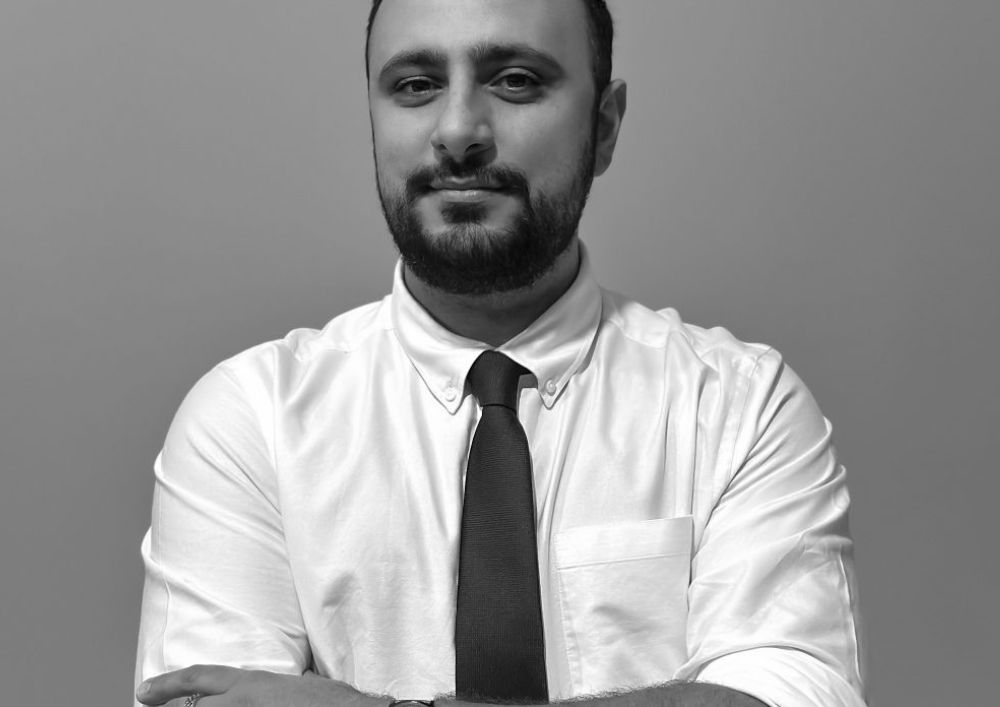
Anthony Bou Kabalan Geagea | Conservation Architect | DGA Inventory Officer, Lebanon
Which workshops did you attend?
I participated in the summer school program “Digital Tools for Cultural Heritage Management, 2025” focused on QGIS, laser scanning, and photogrammetry; a combination of tools essential for heritage documentation and spatial data analysis. When I first enrolled, I expected to gain technical knowledge and practical skills. What I didn’t expect was how transformative the experience would be, not only for my projects but also for my personal and professional growth.
Was the training an opportunity to enhance your connection with your peers?
Absolutely. One of the most enriching aspects of the program was the diversity of its participants. Coming from different disciplines and countries, we brought varied perspectives to the table, fostering dynamic discussions and collaborative learning. These interactions extended well beyond the classroom and helped create a network of peers with whom I continue to exchange ideas and expertise.
Has the training contributed towards the improvement of your career?
Without a doubt, the training was exceptionally well designed and directly aligned with the needs of my field. As someone working in heritage documentation, the sessions on GIS tools, 3D modeling, and field-based data collection were immediately applicable to my day-to-day responsibilities. The curriculum struck an effective balance between theoretical foundations and hands-on practice, strengthening my professional profile and deepening my technical expertise.
The skills and knowledge I gained through the summer school have been especially valuable in my current role as Inventory Officer at the Directorate General of Antiquities (DGA) in Lebanon. In this position, I support the research and integration of geographic data and heritage descriptions into a comprehensive geospatial inventory of endangered sites in South Lebanon, many of which are currently at risk due to the ongoing war in the region. The use of QGIS, central to both the training and my present work, plays a crucial role in enabling the DGA to maintain an up-to-date, accurate, and accessible database of the region’s vulnerable cultural heritage assets.
Do you feel that your ability to perform relevant tasks has improved?
Yes. My ability to handle spatial data, conduct field surveys, and perform digital documentation tasks has improved significantly. Thanks to the course, I now confidently apply advanced QGIS techniques and photogrammetric workflows in my professional practice. What made this particularly impactful was the dedication of Dr. Cornelis, whose passion and continuous availability ensured that every participant gained clarity and support throughout the entire program.
Following the completion of the training, has your project benefited? How?
My current work involves documenting and managing cultural heritage assets using digital tools and spatial analysis. Since completing the training, the improvements in my workflow have been substantial.
- Field sites that were once captured using basic documentation methods are now rendered with much higher precision.
- The enhanced accuracy and detail have improved analysis, interpretation, and communication with stakeholders.
- Whether for internal reports, presentations, or long-term archiving, the quality of my project outputs has increased noticeably.
This training has directly strengthened the reliability and depth of the heritage documentation work I produce, ultimately benefiting the organizations and communities that depend on this data.
Would you recommend this training to others?
I totally recommend this program to heritage professionals, archaeologists, and anyone involved in spatial analysis or digital documentation. The training is rigorous, practical, and deeply relevant, offering not just technical skills but also a supportive and inspiring learning community. It is a meaningful opportunity to grow both professionally and personally while contributing to the preservation and understanding of our shared cultural heritage.