
Tag Archives: HerMaP Africa
A visit to Red Rock Centre in Rwanda
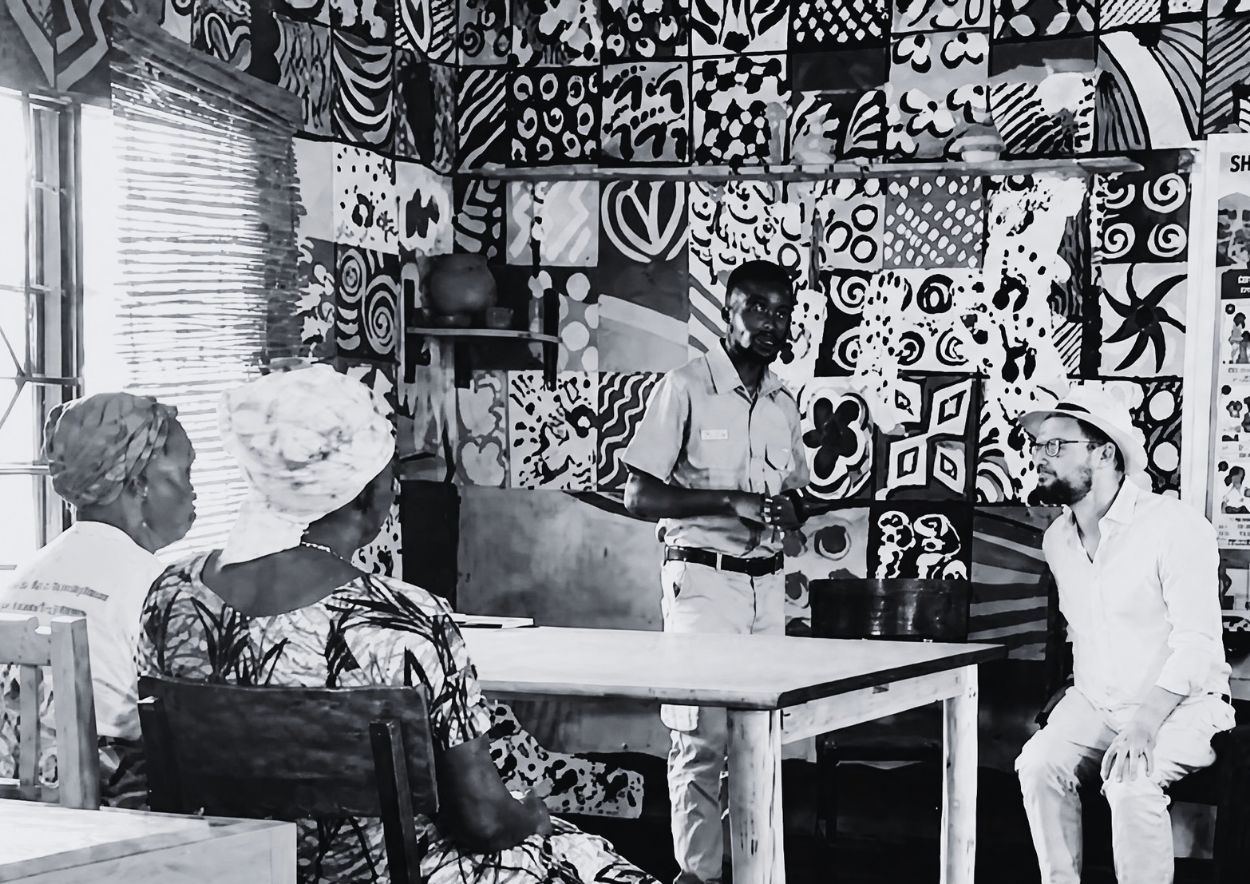
Mark chatting to community members in the Red Rocks centre.
By Mark Goldstone*
Ochre burnt-orange dust, which for convenience we call red, covers both the outside and the inside of my 4×4. Everything is a hill in Rwanda, and my trip today takes me up a thousand hills and down a thousand more. Power takes me up and gravity takes me down like a marble in a marble run.
My destination is the Red Rocks Intercultural Exchange Centre in Rwanda’s highlands outside the city of Musanze. The journey is hard and I arrive tired and dusty, but within five minutes every member of staff knows my name. This is the kind of welcome you can expect at Red Rocks, a community-based initiative working with communities living alongside protected areas and important natural ecosystems that has received one of HERITΛGE’s small grants for African projects and is also the recipient of another grant, fiscally sponsored by HERITΛGE.
The Musanze project combines accommodation with a cultural centre where local people ply traditional crafts, selling their wares in the onsite shop. There is basket weaving, a traditional kitchen serving vegetables grown in the onsite garden. Drums beat the dusk, reminding us that the end of the day is near.
Proofing dough takes patience, you just have to wait till the right texture is achieved; in the Red Rocks kitchen they make everything fresh so some waiting is worthwhile. The Chef comes out to greet me in person and enquires about my tastes. Needless to say, he already knows my name. An hour later the freshly made samosas arrive hot from the kitchen. Too hot to touch, more patience required but eventually the spicy samosas taste of smiles. Love hides in the corners of the food. Love of the craft of cookery, love of the ability to sustain and entertain at once. A cold beer dances with the chilli heat and sleep will not be long.
The next day is the opening ceremony of the Red Rocks Cultural Festival 2026. Many members of the local community leaders have gathered to kick off a week of celebration and dialogue. Much has already been achieved, but that just proves the potential of the Red Rocks approach, marrying community development with sustainable tourism.
As I am here representing HERITΛGE, I am asked for some words. I talk about the 115 heritage projects in 35 African countries that have received small grants through the HerMaP Africa initiative* the Organization’s approach of supporting local action whilst situating the projects within global fellowship networks. I reflect on Rwanda’s extraordinary 9.2% growth in GDP, a young, increasingly educated population and the investment that is flowing into both tourism and the new knowledge economies. Rwanda punches above its weight class for a small nation in the hills.
Lastly I conclude, “Good leaders get things done, great leaders create platforms for other leaders to emerge.” This is what I learn at Red Rocks, a platform in which leadership from the community is able drive change in a sustainable way. Red Rocks founder Greg still has many ambitions for the future.
As I am preparing to leave I hear that the chef has been in an accident with a motorbike. Only once returned to Kigali do I hear the tragic news that our chef did not survive his injuries. This article is dedicated to the memory of Twizeyimana Faustin. Our thoughts and prayers are with his friends and family.
* Mark Goldstone has researched and written HERITΛGE’s forthcoming publication showcasing projects supported through its grant programmes across Africa. This reflection emerged from his visit to Red Rocks Rwanda, one of the organisations featured in the publication.
**Through HerMaP Africa, HERITΛGE has provided 74 small grants for African heritage project and acted as a fiscal sponsor for another 29.
*** HERITΛGE signed an MoU with Red Rocks Rwanda in 2024 and is currently supporting two of the organization’s heritage projects.
Connecting Voices, Sharing Progress: the 8th HerMaP Africa Network Convening
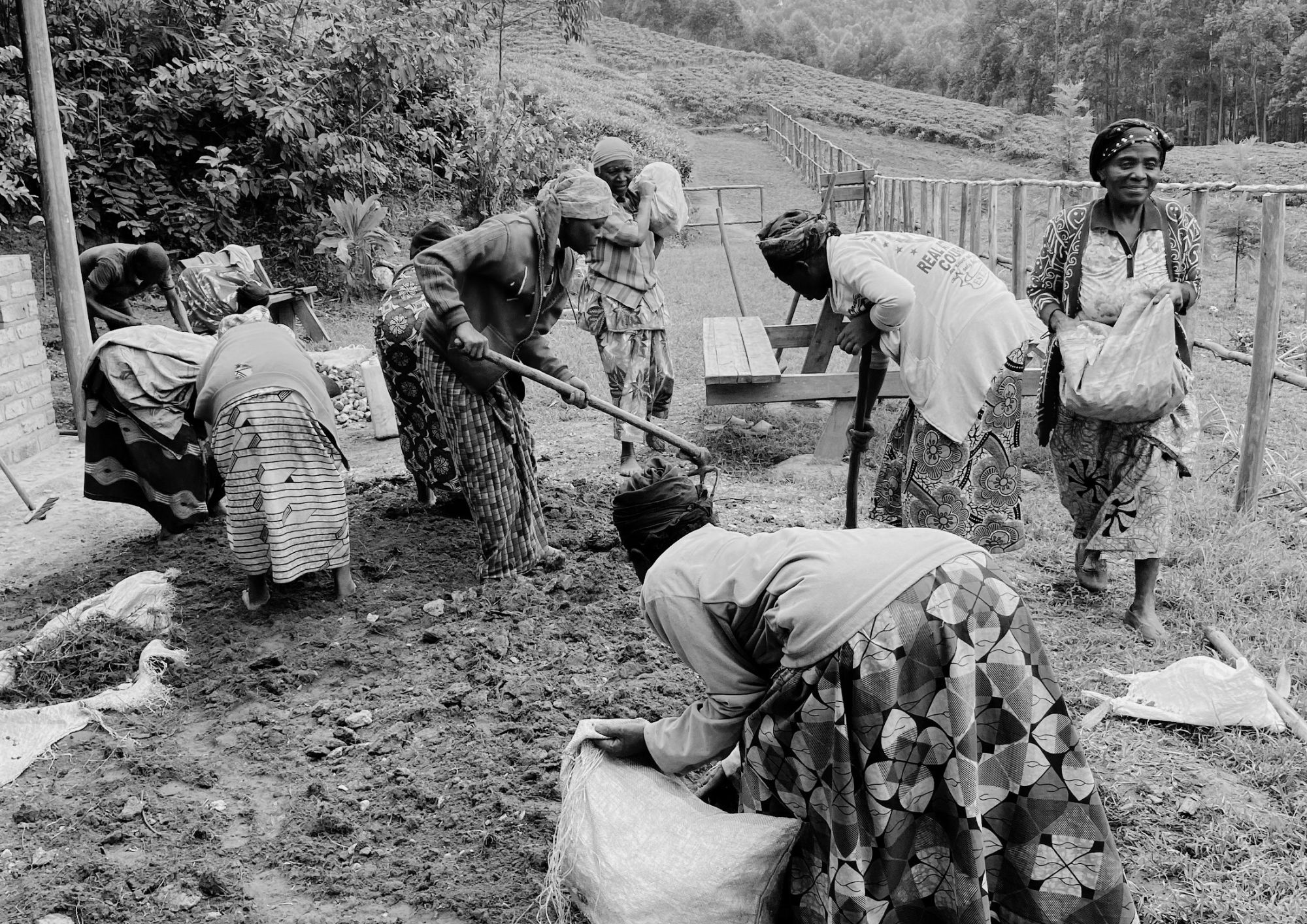
A team of women working for the creation of the Imanzi Heritage Village In Rwanda. The project has received a small grant from our HerMaP Africa program.
On Wednesday 22 April 2026, HERITΛGE hosted the 8th Online Network Convening of the HerMaP Africa programme, bringing together grantees, partners, and supporters for a dynamic two-hour online session focused on exchange, reflection, and collaboration. Held via Zoom, the convening welcomed over 40 active participants.
The session opened with welcoming remarks from Richard A. Brown, followed by reflections from Dr. Evangelos Kyriakidis, who noted that while this marked the final convening in the current series, further gatherings are already being planned for later in the year. Coordination efforts will continue through the HERITΛGE networking task force, reinforcing the organisation’s commitment to sustained community-building.
At the heart of the convening were project presentations from grantees across Africa. 12 invited projects, from Kenya, Rwanda, and Sourth Africa, presented their work. The presentations offered a compelling snapshot of the diversity and ambition of initiatives supported through HerMaP Africa and HERITΛGE’s fiscal sponsorship model.
Projects ranged from the establishment of cultural heritage centres in Kenya and Namibia to community museums and agro-tourism initiatives in Rwanda, as well as efforts to revitalise rural communities through sustainable heritage tourism. Additional presentations highlighted initiatives such as the creation of a cultural space in the Ndiyona Constituency in Namibia and the Pan African Solidarity School (PASS) in Kenya, expanding the programme’s reach into education, cultural exchange, and grassroots capacity building.
Several Rwandan projects showcased a strong focus on cultural infrastructure and innovation, including the upgrading of the Rwanda Art Museum, the development of cultural hiking trails in Nyanza, and the creation of studios dedicated to preserving performance traditions.
Across presentations, a shared emphasis emerged: the importance of linking heritage preservation with community development, tourism, and local economic resilience. Many projects demonstrated how heritage can serve not only as a cultural asset but also as a driver of sustainable livelihoods and social cohesion.
The session concluded with an open group discussion, allowing participants to exchange feedback, identify common challenges, and explore opportunities for collaboration.
As HerMaP Africa continues to evolve, convenings like this remain central to HERITΛGE’s approach: supporting projects not only through funding, but by fostering connection, shared learning, and collective impact across the continent.
7th Network Convening for African heritage grantees
On 25 February 2026, HERITΛGE hosted the seventh online Network Convening for recipients of the Small Grants for African Heritage Projects, bringing together grantees, heritage professionals, members of the re-granting committee, and other partners supporting heritage initiatives across the continent.
The grants initiative is part of HerMaP Africa, HERITΛGE’s programme to strengthen heritage management capacity across the continent, funded by the Mellon Foundation. Through a series of small grants, the programme supports locally led heritage initiatives and fosters a growing network of heritage practitioners across Africa.
HERITΛGE has organised a series of grantee convenings, part of an ongoing effort to connect, support, and strengthen the network of African heritage practitioners funded through the grants programme. The seventh convening brought together participants from 30 funded and fiscally sponsored projects across Africa for two hours of presentations and discussion.
A Guest Address from the National Civil Rights Museum
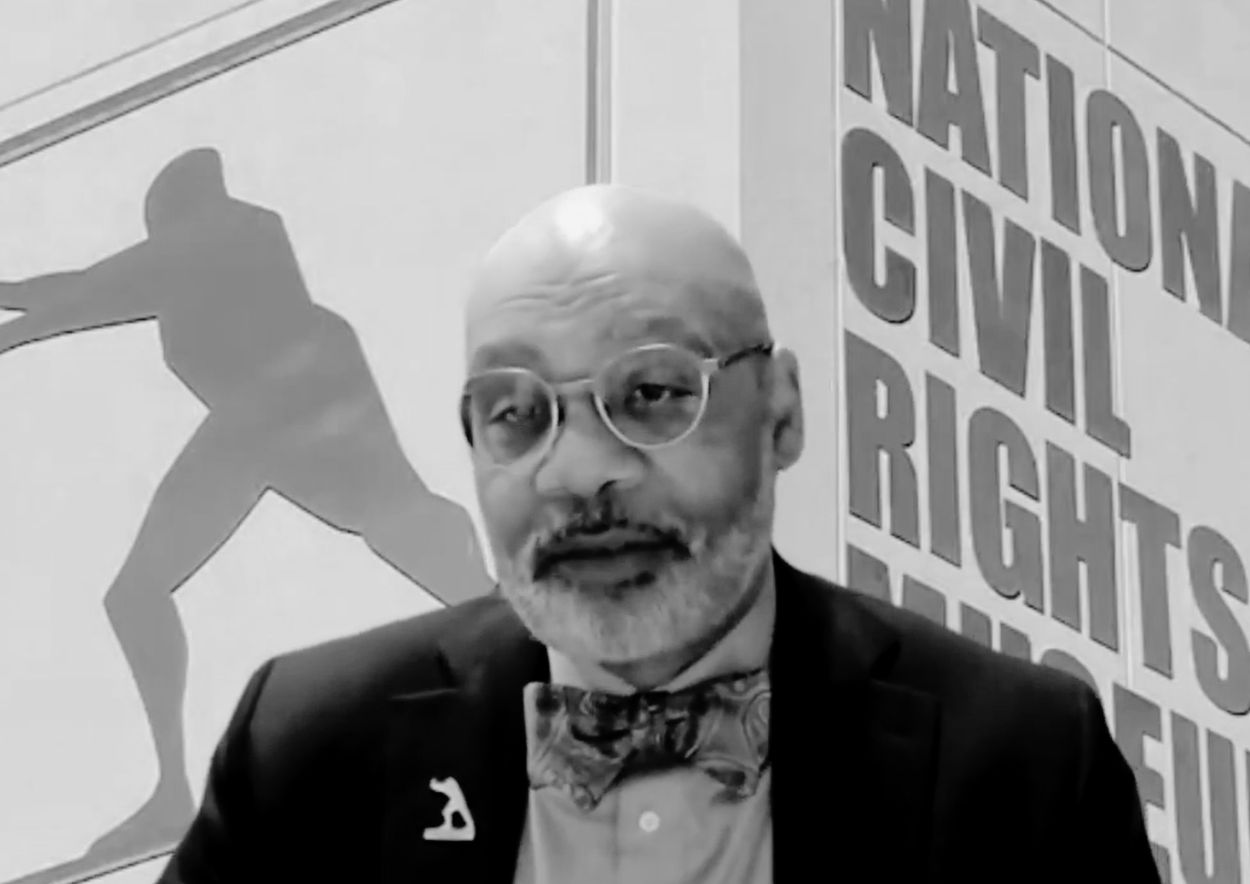
Dr. Russell Wigginton of the National Civil Rights Museum
The session opened with welcoming remarks from Richard A. Brown, Head of Grants and Partnerships at HERITΛGE, who also introduced the guest of honour, Dr. Russell Wigginton, President of the National Civil Rights Museum.
Dr. Wigginton presented the history and mission of the museum, a complex of historic buildings and exhibitions in Memphis that traces the story of the civil rights movement in the United States from the 17th century to the present day. His presentation highlighted the museum’s role not only as a site of remembrance but also as a space for education, dialogue, and social engagement.
The presentation offered valuable perspectives for the participating African heritage professionals, many of whom are working on projects that similarly connect heritage preservation, community memory, and social history.
Grantees Present Heritage Projects from Across Africa
Following the keynote presentation, grantees presented their projects in a series of short presentations designed to showcase the diversity of initiatives supported through the programme.
Five projects were presented during the session:
- Phelile Chima (Zambia) — The Preservation and Promotion of Traditional Zambian Barkcloth
- Agness Onna Gidna (Tanzania) — Empowering Community Conservation for Sustainable Development at Engaruka Heritage Site
- Ahlam Ahmed Mohamed Othman (Egypt) — Preserving Bedouin Oral Literature
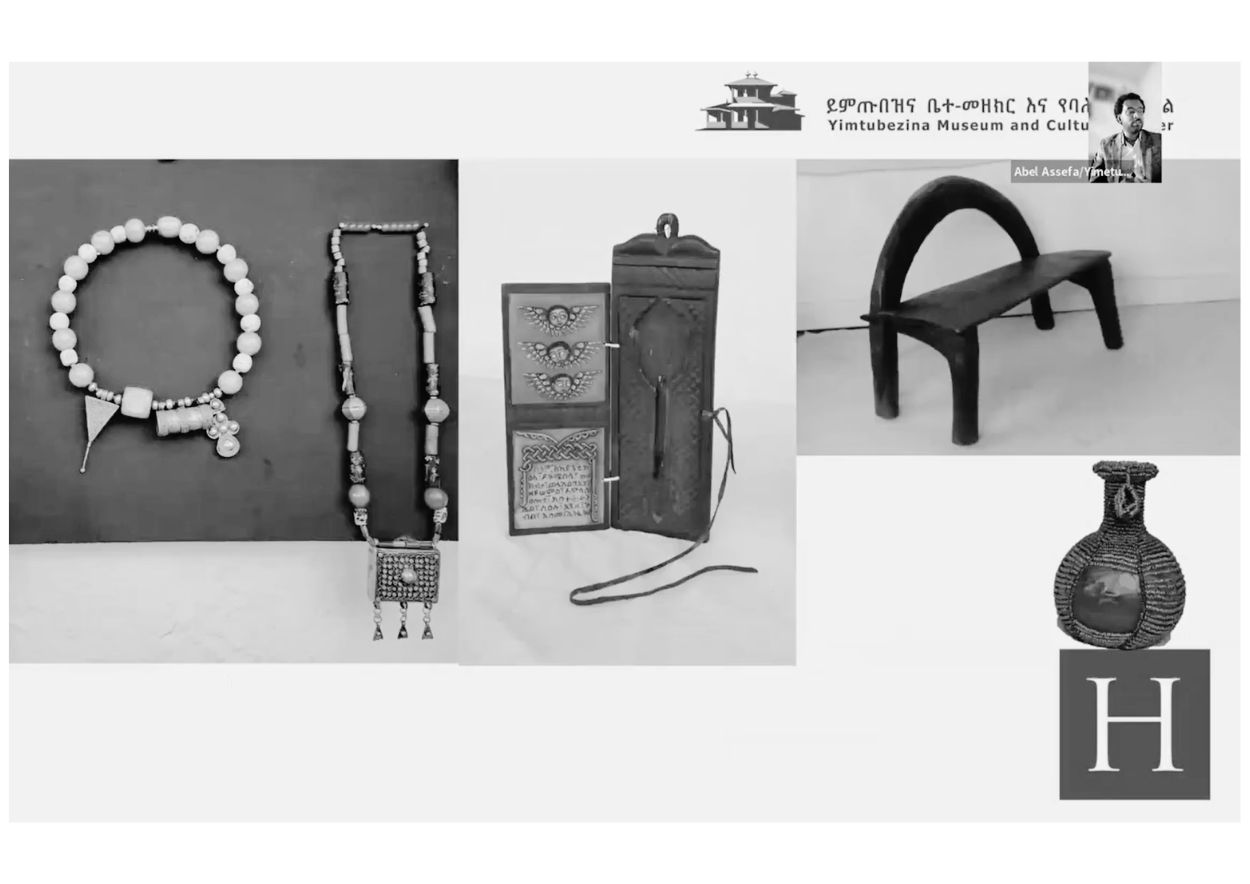
- Abel Assefa Girmay (Ethiopia) — Standardization, Documentation and Digitalization of Museum Collections for Effective Heritage Management
- Wacelia Marcelino Zacarias Zualo (Mozambique) — Weaving Resilience: Preserving Carpet Weaving and Cultural Knowledge in Palma, Cabo Delgado
As in previous convenings, presenters were given five minutes each to introduce their work, using a timer to ensure all speakers stayed within the allotted time. Following the presentations, participants engaged in an open question-and-answer discussion.
Several projects generated particular interest among the audience. Participants asked numerous questions about the traditional uses and cultural significance of Zambian barkcloth, while Ahlam Ahmed Mohamed Othman shared a video documenting Bedouin oral literature, providing a vivid glimpse into the storytelling traditions her project is working to preserve.
Strengthening a Network of Heritage Practitioners
As the session drew to a close, the team encouraged grantees to remain connected and continue sharing updates, experiences, and lessons learned.
Over the past two years, the convenings have become an important platform for mutual learning, peer support, and collaboration among heritage professionals working in diverse cultural contexts across Africa.
Even as the grant cycle concludes, HERITΛGE hopes that the relationships built through these sessions will continue to grow, ensuring that the community of African heritage practitioners supported through the programme remains active, collaborative, and engaged.
Coming up next: A Convening of our Fiscally Sponsored project grantees.
Sixth Online Networking Convening of Africa Grantees
On 10 December 2025, the HERITΛGE Africa Grants Team held the sixth online networking convening for grantees awarded in 2024. The meeting brought together grantees, HERITΛGE staff, members of the Re-granting Committee, representatives of the Mellon Foundation, and other African donors, with 45 attendees. After welcoming remarks by Richard A. Brown, seven grantees shared their projects. These ranged from documenting traditional boat-making in Mauritius and supporting cultural teaching in Senegal to safeguarding heritage industries in Sudan and revitalising museums in Chad and Ghana.
“Hearing the diverse experiences of colleagues across Africa reminded me that we are part of a wider heritage community, facing similar challenges, but also drawing inspiration and new ideas from one another.”
After the presentations, grantees’ refelcted on presenting their work and learning from one another. Participants discussed how the experience of sharing their projects encouraged them to reconsider elements of documentation, community engagement, and youth involvement in heritage work. Several grantees noted that hearing from others sparked new thinking about how to approach their own initiatives and opened possibilities for collaboration across contexts.
The sixth convening highlighted the strength of these gatherings in creating a space for peer learning, shared reflection, and mutual support, reinforcing HERITΛGE’s commitment to fostering heritage initiatives across Africa.
The participants and projects featured were:
-
Dr. Jayshree Mungur-Medhi, Mauritius: ‘Living the Heritage in Vieux Grand Port – Documentation and Transmission of Traditional Boat Making’
-
Abdoulaye Diao Noumounthi, Senegal: ‘ElleSolaire Cultural Academy’
-
Dr. Gafar Ali Fadol Ibrahim, Sudan: ‘Safeguarding Living Cultural Heritage in the Sudan at the Time of Conflict: Documentation of Cultural Industries (Pottery and Basketry) of Sinkat Locality in the Red Sea State’
-
Yaw Mankatah Asare, Ghana: ‘Abibikwantuo (AK) Indigenous Sustainability Hub’
-
Ngague Gaga Taguimbi, Chad (presenting on behalf of Ganda Bini Djabou): ‘Restoration and revitalization of the Sarh Museum’
-
Prof. Pastory Magayane Bushozi, Tanzania: ‘Conservation and Promotion of Cultural Sites in the Eyasi Basin, Tanzania’
-
Isaak Aduko, Ghana: ‘Protection, preservation and promotion of Fort Fredericksburg’
This was the sixth out of six planned events aimed at showcasing projects funded through our Small Grants for African Heritage Projects initiative, made possible through generous funding by the Mellon Foundation. 75 projects have received around $1 million in funding. You can read more about the specific projects on our Africa Grants page.
HERITΛGE 2025 Wrap-Up
In 2025, HERITΛGE continued to translate its mission of community-centred, inclusive, and sustainable heritage management into action across continents. From building local capacity across the world to advancing digital innovation and participatory practice in Europe and beyond, the year was defined by strong partnerships, expanded training, and tangible impact. HERITΛGE’s work in 2025 demonstrated how heritage can act as a driver of resilience, dialogue, and long-term social value, rooted in communities, connected globally, and oriented firmly toward the future.
1.The HerMaP Gambia successful completion
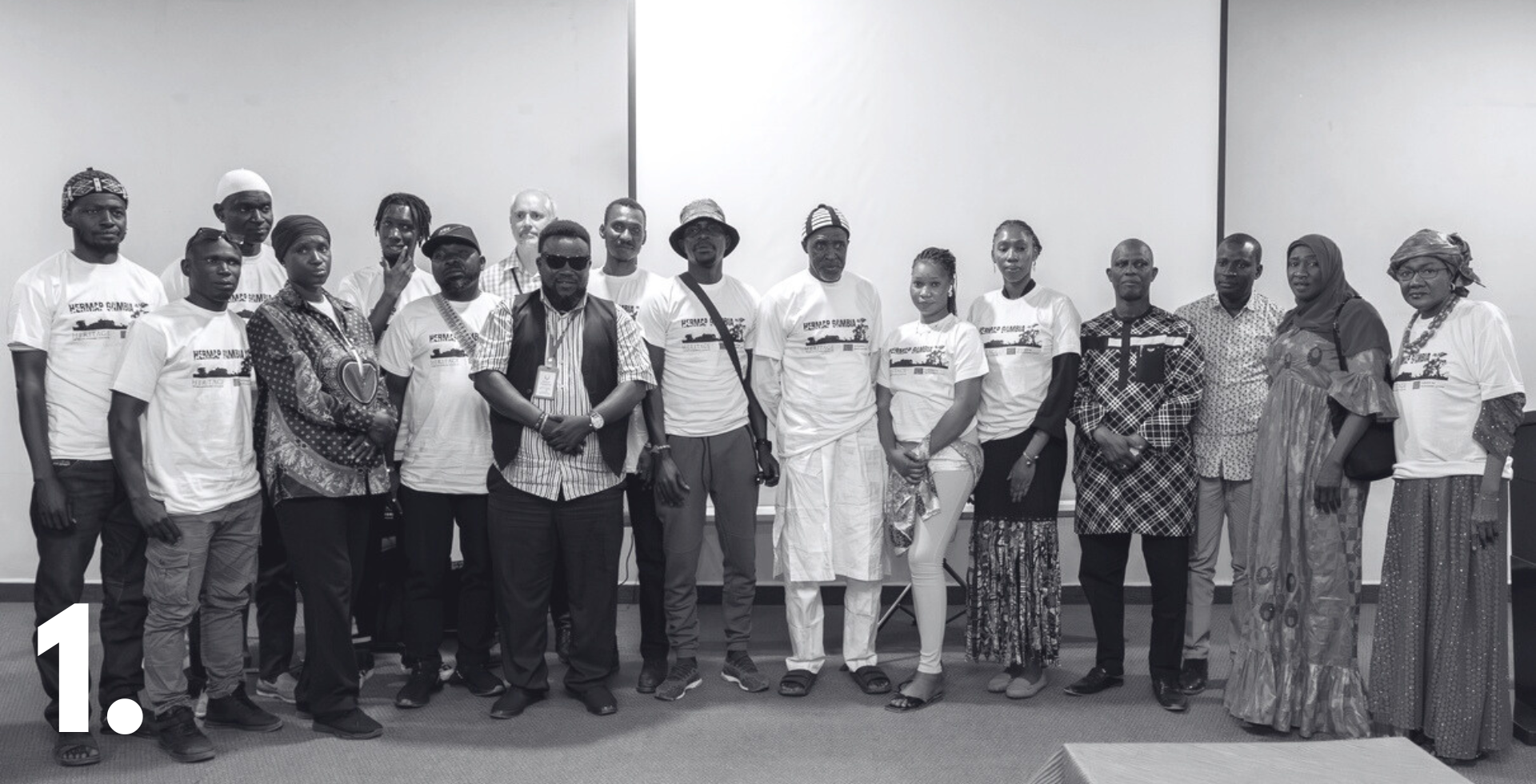
In February, HERITΛGE marked the successful completion of HerMaP Gambia, an initiative co-funded by the EU, by celebrating a milestone in community-driven heritage management. A certificate ceremony and visual art exhibition was held as part of The Gambia’s 60th Independence Anniversary celebrations, bringing together EU representatives, parliamentarians, and the Chair of the National Assembly to honour the dedication of the programme’s trainees. One week later, the Minister of Tourism, Members of Parliament, EU representatives, and a broad range of stakeholders convened for a high-level stakeholder lunch focused on sustaining the transformative results of the project. Already, we are seeing HerMaP Gambia graduates applying their new skills across the country—strengthening local heritage initiatives, engaging communities, and even training others. The programme’s impact is now firmly rooted in the sector, creating momentum that will shape heritage management in The Gambia for years to come.
2. HerMaP Africa: Building Capacity and Partnerships Across Three Countries
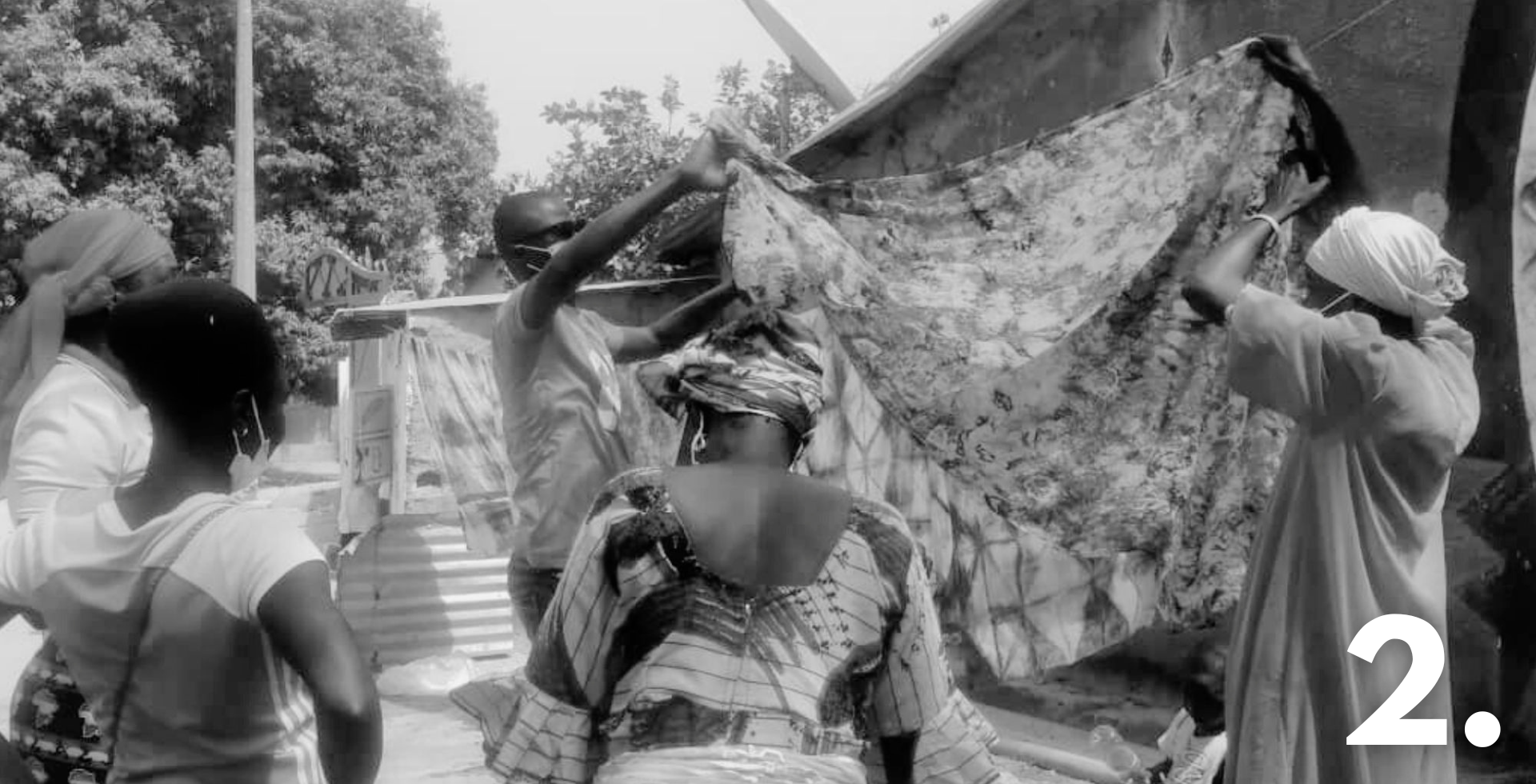
In 2025, HERITΛGE deepened its impact across Ethiopia, Ghana, and Rwanda through targeted capacity building, strategic partnerships, and close engagement with local cultural ecosystems, as part of the HerMaP Africa initiative supported by the Mellon Foundation. In Ethiopia, HERITΛGE delivered seven workshops and trained 127 participants, with a strong emphasis on hands-on, in-person conservation training. Notably, conservation workshops in Harar focused on equipping the next generation of staff from the Culture and Tourism Bureau with practical skills to safeguard this unique living heritage site, reinforcing long-term, community-based preservation. Institutional collaboration was further strengthened through the signing of two Memoranda of Understanding with key Ethiopian organisations. In Ghana, HERITΛGE delivered four workshops and trained 80 participants, ensuring broad regional representation and inclusive access to capacity building beyond major urban centres. A national networking roundtable brought together stakeholders and project leaders to exchange experiences, align priorities, and address shared challenges in the heritage sector, alongside the signing of two strategic MoUs. In Rwanda, four workshops trained 78 participants, and three MoUs were signed with leading institutions, including a milestone partnership with the Ministry of Youth and Arts. HERITΛGE also contributed to the Ubumuntu Arts Festival through programme consultations and a participatory session with young creatives, strengthening connections between heritage, contemporary culture, and youth engagement. Across all three countries, a dedicated Train-the-Trainers programme equipped 19 heritage professionals to act as HERITΛGE ambassadors, significantly amplifying local capacity and long-term impact.
3. Small Grants for African Heritage
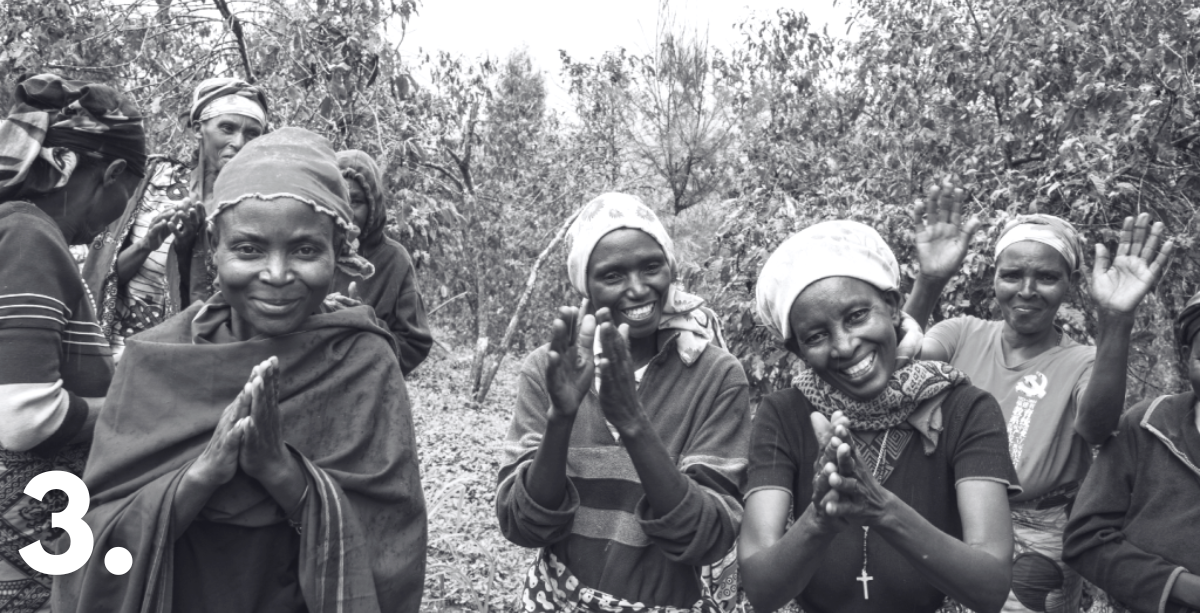 The regranting phase of HerMaP Africa reached its conclusion, marking one of the most ambitious and impactful heritage-support programmes on the continent. Since 2023, HERITΛGE has received more than 2,500 applications from across Africa and funded over 74 small heritage projects, each led by local actors working to safeguard, reinterpret, and activate their cultural heritage. This regranting initiative was made possible with the generous support of the Mellon Foundation. Throughout the year, grantees participated in six regional convenings, creating spaces to exchange experiences, strengthen their skills, and learn from peers—building a growing network of practitioners committed to community-centred heritage work. Several more convenings are planned for 2026 to continue nurturing this collaborative ecosystem. The results have been remarkable: from revitalised cultural practices to restored and more resilient cultural sites, to new opportunities for local development, these projects are already transforming lives. We are proud to showcase this work through dedicated social media features and a new publication that brings together the stories, challenges, and achievements of the HerMaP Africa grantees.
4. HerMaP Mexico: Launching a New Border Region Initiative
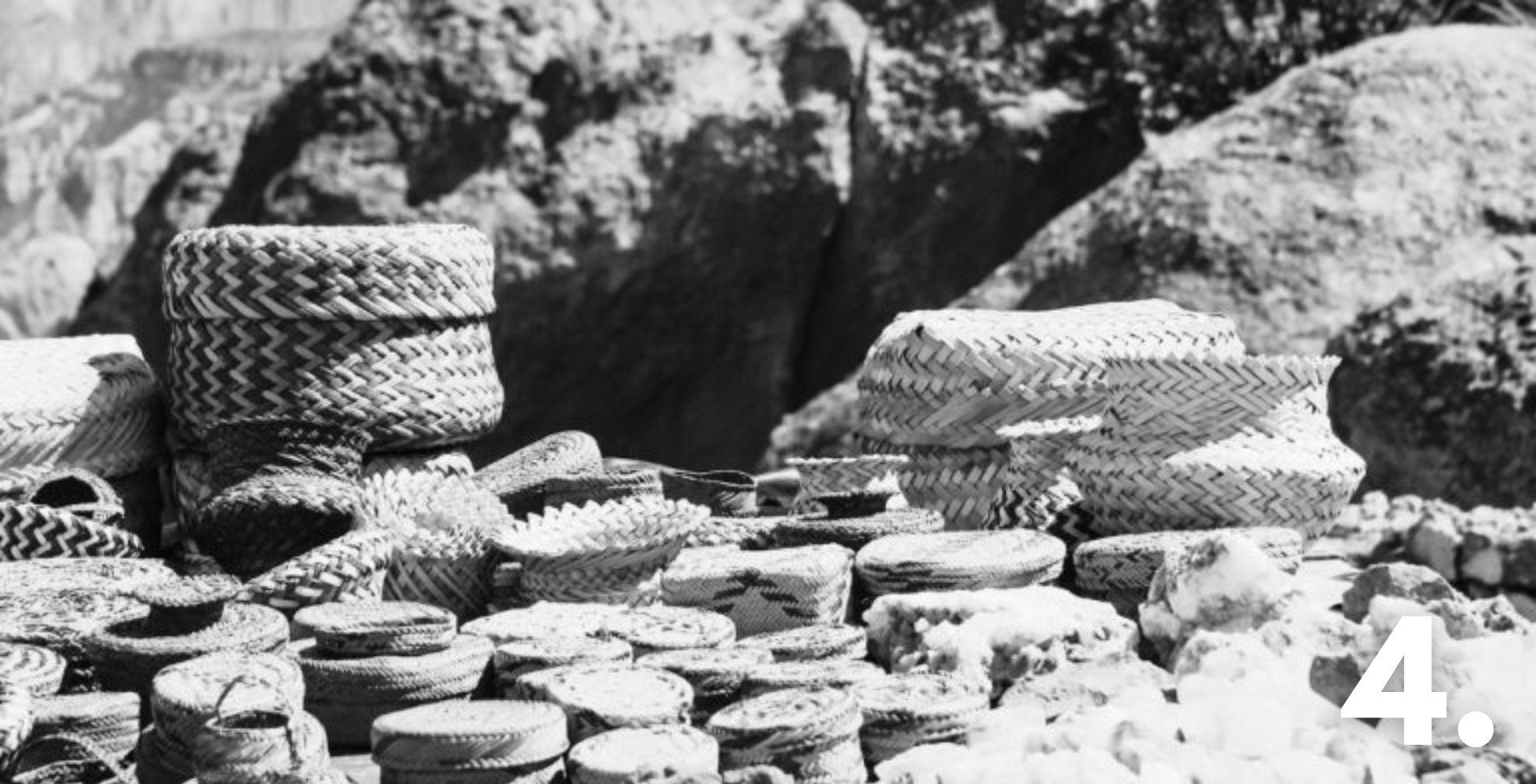
This year also marked the launch of HerMaP Mexico, a major new initiative that expands HERITΛGE’s work into North America and supports cultural heritage actors across Mexico’s northern border states. Funded by the Mellon Foundation’s Humanities in Place programme, the project brings a comprehensive, community-focused approach to heritage management through mapping, training, networking, and small grants. In 2025 we established the foundations of the programme: building local partnerships, initiating the mapping of heritage professionals and institutions across six states, and preparing the first round of capacity-building workshops to be delivered in both Spanish and English. HerMaP Mexico responds to the region’s unique cultural landscape—shaped by Indigenous, mestizo, migrant, and Chicano communities—and aims to strengthen local skills while creating new opportunities for collaboration and sustainable development. As the project moves forward, it will support locally led initiatives and grow into a long-term platform that connects heritage practitioners across the border region with global networks and resources.
5. Professional Training and Executive Leadership Education Programmes
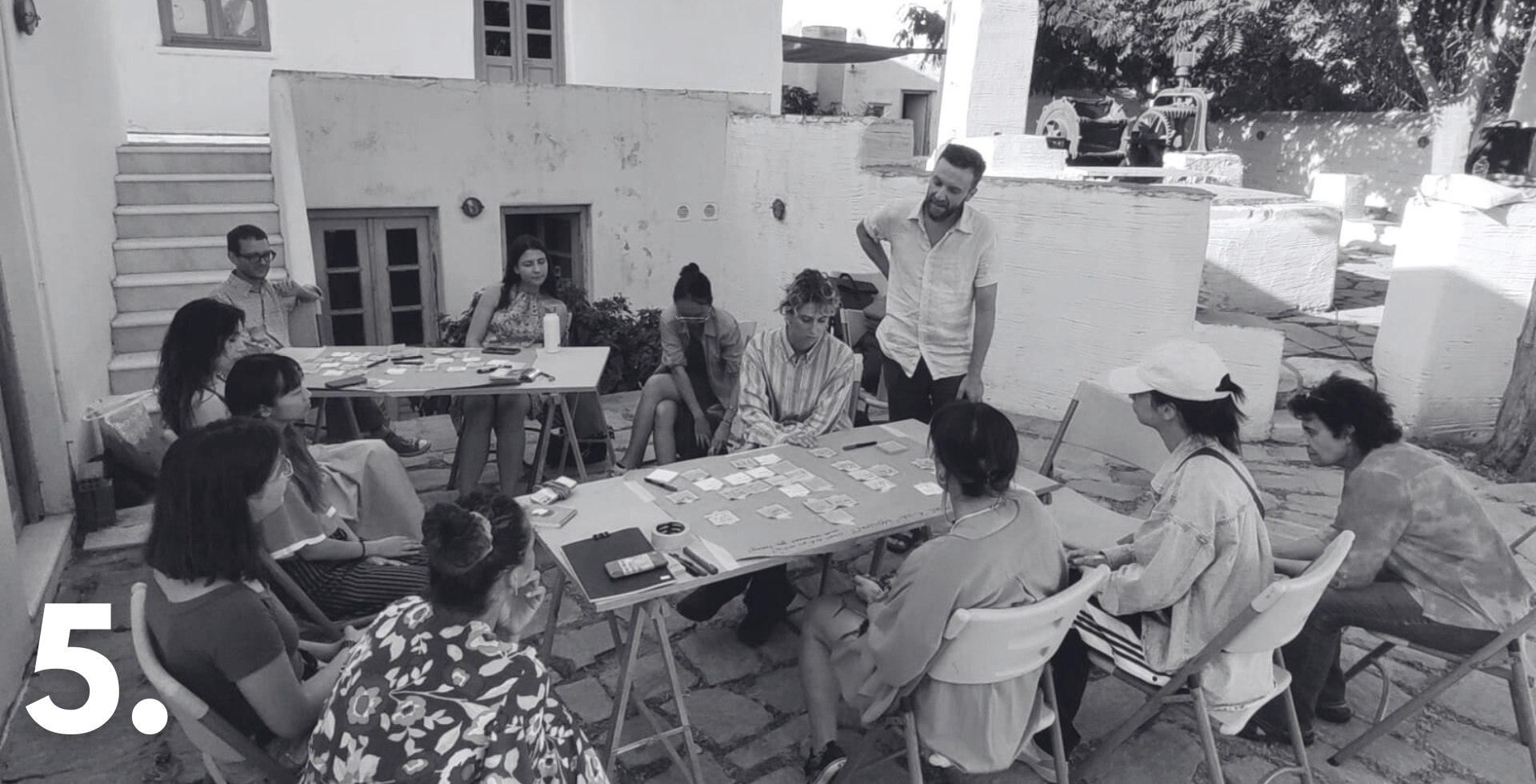
HERITΛGE continued to strengthen its leadership in professional training by expanding its Executive Leadership Education programmes and reinforcing its global learning community. A key milestone was the introduction of Community Tourism and Development into the curriculum, responding to the growing need for heritage managers to understand how cultural resources can generate sustainable economic benefits while reinforcing social cohesion, identity, and community resilience. This year also saw the first alumni conference of the Engaging Communities in Cultural Heritage Summer School, bringing together former participants from around the world to share research, field experiences, and community-based practices. Alongside this, HERITΛGE successfully delivered its Conservation Series Training Programmes for the second time, expanding the offer to include First Aid for Finds and Preventive Conservation, and equipping participants with practical skills applicable across diverse heritage contexts. The Training of Trainers (ToT) programme continued to grow, building a global cohort of HERITΛGE Ambassadors—heritage professionals trained to deliver high-quality, cross-cultural capacity building within their own communities. Together, these initiatives reflect HERITΛGE’s ongoing commitment to community-centred heritage management, interdisciplinary collaboration, and the empowerment of professionals working at the intersection of culture, development, and sustainability, supported by a vibrant international network united by shared values and collective impact.
6. Advancing Audience-Centred Heritage Practice through AHEAD
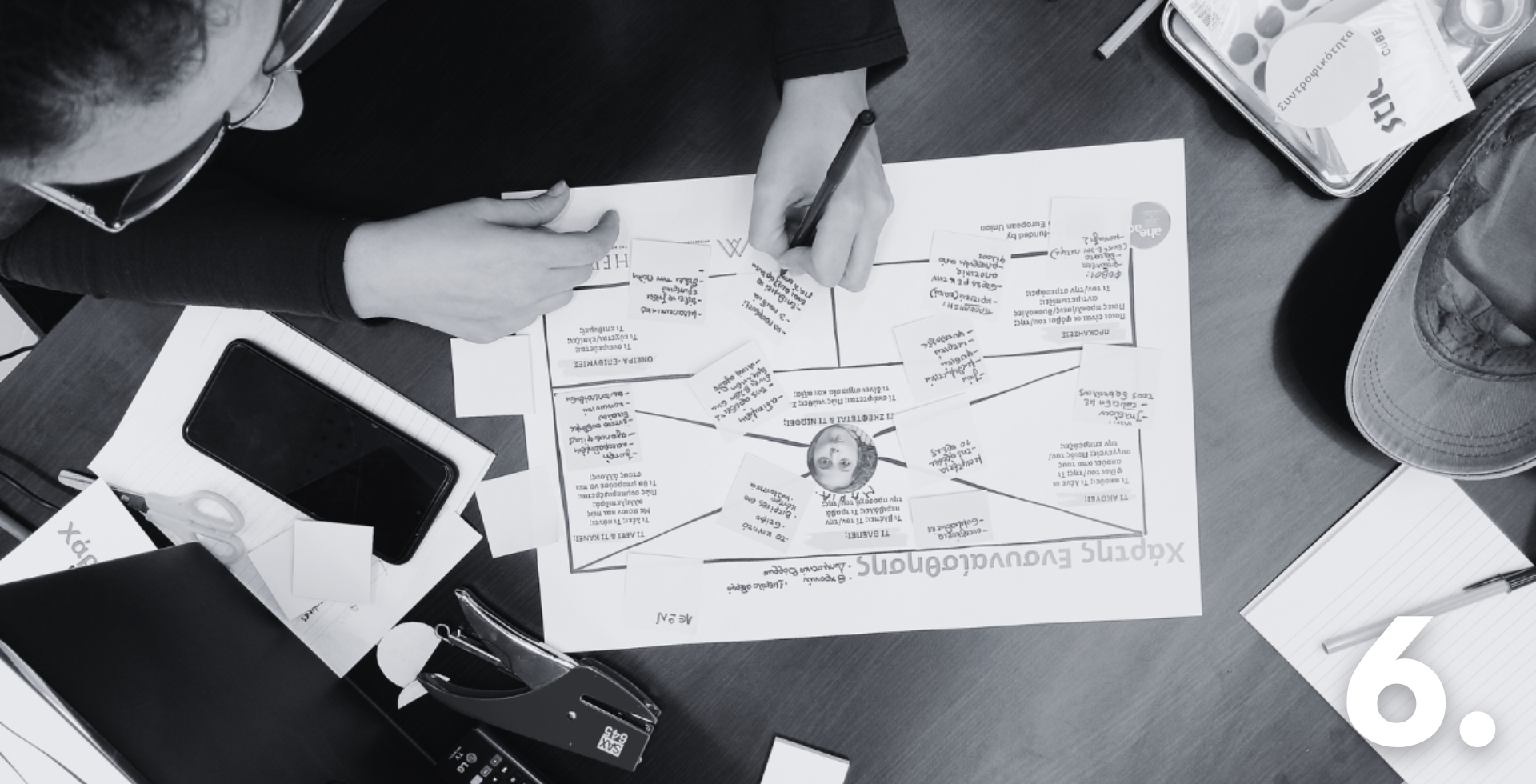
In 2025, HERITΛGE advanced its work on audience-centred heritage practice through AHEAD (Accessible Heritage Experience for Audience Development), a project co-funded by Creative Europe and dedicated to strengthening participation, co-creation, and sustainability across the cultural heritage sector. At the Archaeological Museum of Messara, the project’s Greek hub, HERITΛGE hosted a series of co-creation labs in early 2025, followed by a study visit for AHEAD project partners in May, creating space for peer learning and in-depth exchange around participatory heritage approaches. In July, the 3rd AHEAD Networking Event brought together practitioners and researchers, and featured the presentation of the Living Heritage Network in Greece by Theodosia Maroutsi, highlighting how community-led approaches can be embedded in national heritage ecosystems. In September, HERITΛGE organised a dedicated Multiplier event in Athens to share the results of AHEAD with heritage managers, researchers, and cultural professionals. The project culminated in October with the presentation of AHEAD and its outcomes in Brussels and, for the Greek hub, a public event at the Archaeological Museum of Messara, where Elektra Angelopoulou, the project’s artist-in-residence, presented a site-specific artwork co-created with the local community. Alongside these events, AHEAD produced a dedicated magazine and learning resources that document the project’s insights and offer practical tools for fostering co-creation, inclusion, and long-term sustainability in cultural heritage practice.
7. SHIFT: Inclusive Digital Innovation for the Future of Cultural Heritage
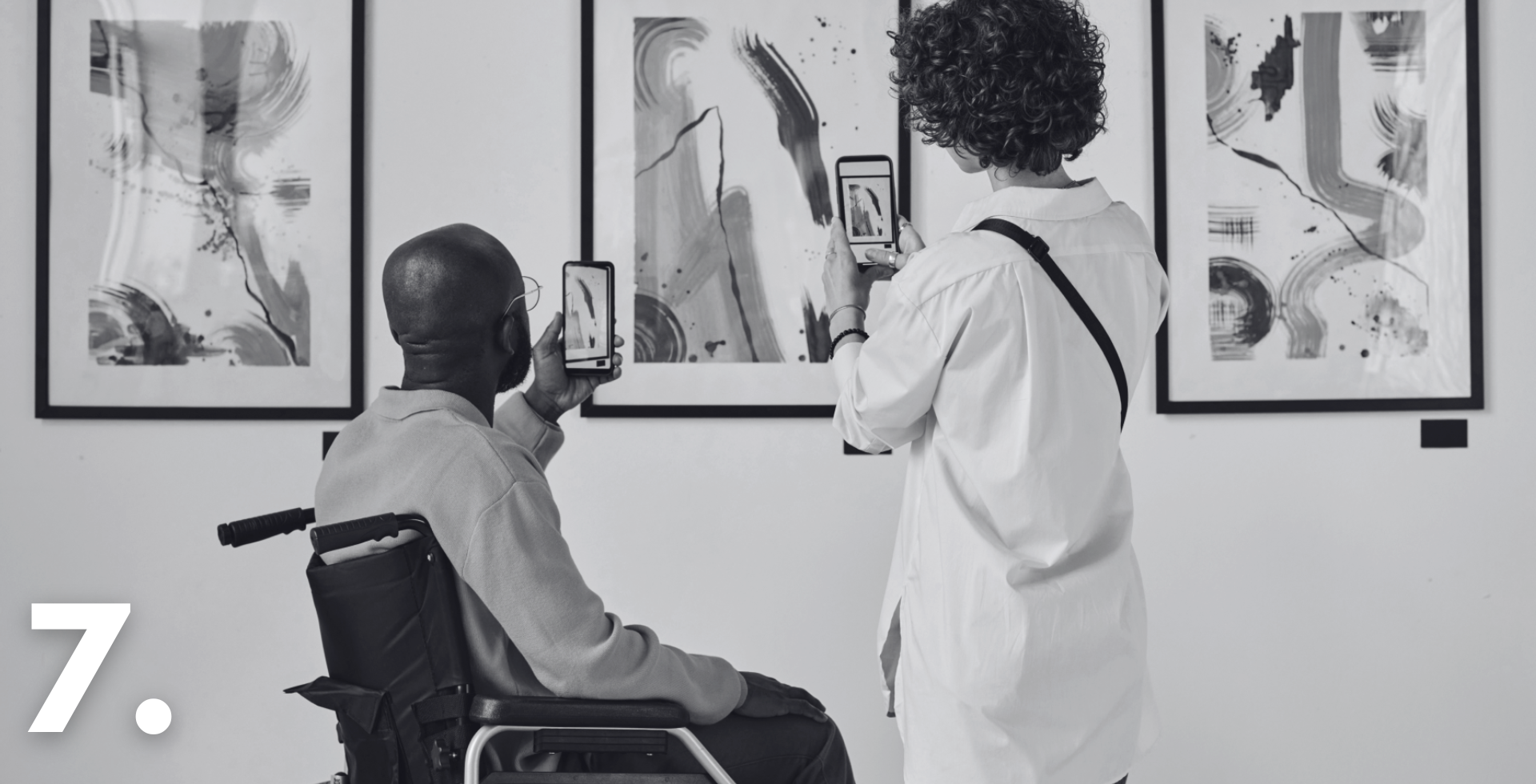
HERITΛGE and its SHIFT consortium partners concluded this ambitious Horizon Europe project aimed at making cultural heritage more accessible, inclusive, and engaging through advanced technologies. Over its lifetime, SHIFT delivered a suite of innovative tools—including an Image-to-Video generator, affective speech synthesis, haptics interfaces, and a platform designed to support inclusive digital storytelling—alongside a pioneering Extended Reality (XR) Accessibility Framework. These results were tested and refined through four pilot events in Germany, Hungary, Romania, and Serbia, ensuring that the tools responded to real needs within museums, libraries, and cultural organisations. The project’s achievements were showcased at major gatherings such as the Digital Heritage World Congress and Expo in Siena, highlighting SHIFT’s contribution to the future of digital cultural heritage. As part of our commitment to long-term impact, HERITΛGE developed a set of training modules to equip cultural heritage professionals with the skills they need to adopt and apply these new technologies in their own contexts.
8. Strengthening a National Platform for Living Heritage
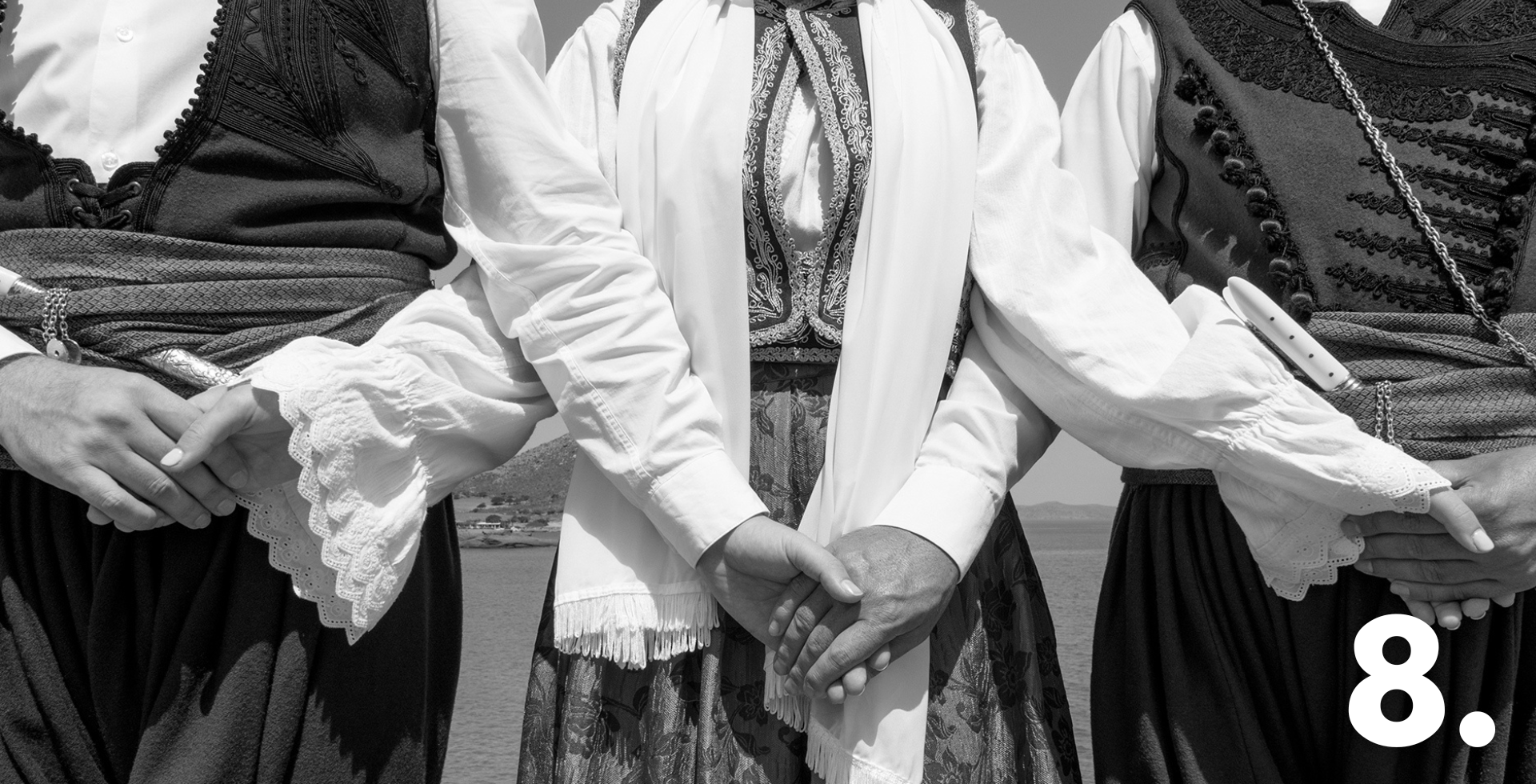
HERITΛGE strengthened its commitment to living heritage in Greece as a founding member of the country’s Living Heritage Network, with our Greek Programmes Manager, Theodosia Maroutsi, serving for the third year on its coordinating committee. In this role, HERITΛGE actively contributed to the Network’s 2nd National Meeting, held in Athens on 21–23 February, a major highlight of the year, where Theodosia welcomed participants and drove the dialogue during the “Living Heritage Network: Formation and Perspectives” roundtable “ reflecting on the Network’s development and future direction. HERITΛGE also delivered one of the leading side events of the 2nd National Meeting, a hands-on workshop, for 30 participants, titled “Working on the Narrative Interpretation of Living Cultural Heritage,” supporting practitioners in exploring narrative approaches to interpreting living heritage. Our impact extended well beyond the 2nd National Meeting’s floor. HERITΛGE was instrumental in drafting the Network’s Mapping Questionnaire, which was also launched in autumn of 2025. This Mapping is a crucial initiative designed to identify the essential needs of the living heritage ecosystem. The Network’s work was further amplified through HERITΛGE’s involvement in European projects: it was featured in AHEAD, where Theodosia participated in the 3rd Online Networking Event and was interviewed for the project’s magazine—freely available in English, Greek, Italian, and Spanish—and in EMPATHS, where the Network informed stakeholder mapping, cross-sector interviews, and co-design findings. Together, these activities positioned the Living Heritage Network as a key grassroots platform for participatory, community-led heritage practice in Greece and beyond.
9. Safeguarding Pakistan’s Most Significant and Vulnerable Cultural Landscapes
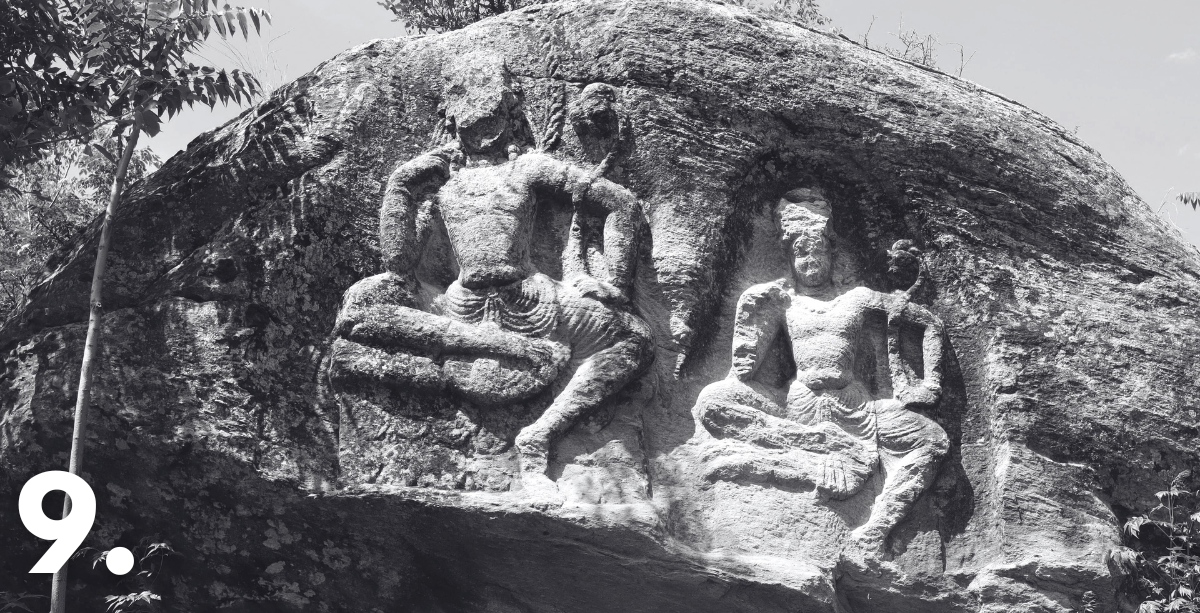
HERITΛGE and our partners completed the first phase of the project Preservation of Buddhist Rock Reliefs in the Swat Valley, safeguarding one of Pakistan’s most significant and vulnerable cultural landscapes. The initiative documented and conserved Buddhist rock carvings dating from the 8th to the 10th centuries, while also recording oral histories, legends, and traditional arts and crafts that link Pashtun culture with the Valley’s Buddhist past. Using advanced digital techniques, 78 rock reliefs were documented and made accessible through a public website featuring interactive maps and 3D models, and first aid conservation was carried out on 39 of the most at-risk sites. Capacity building was central to the project, with local participants trained in digital documentation and climate change adaptation. This first phase concluded with a public event at the Swat Museum and was presented internationally, including at the Lahore Museum, the Venice Biennale, and COP30, where it was cited as a strong example of heritage resilience in the face of climate change. Funded by the British Council’s Cultural Protection Fund and implemented with local and international partners, the project demonstrates how conservation, community engagement, and digital innovation can work together to protect heritage for future generations.
10. EMPATHS: Advancing Participatory Heritage Interpretation Across Europe
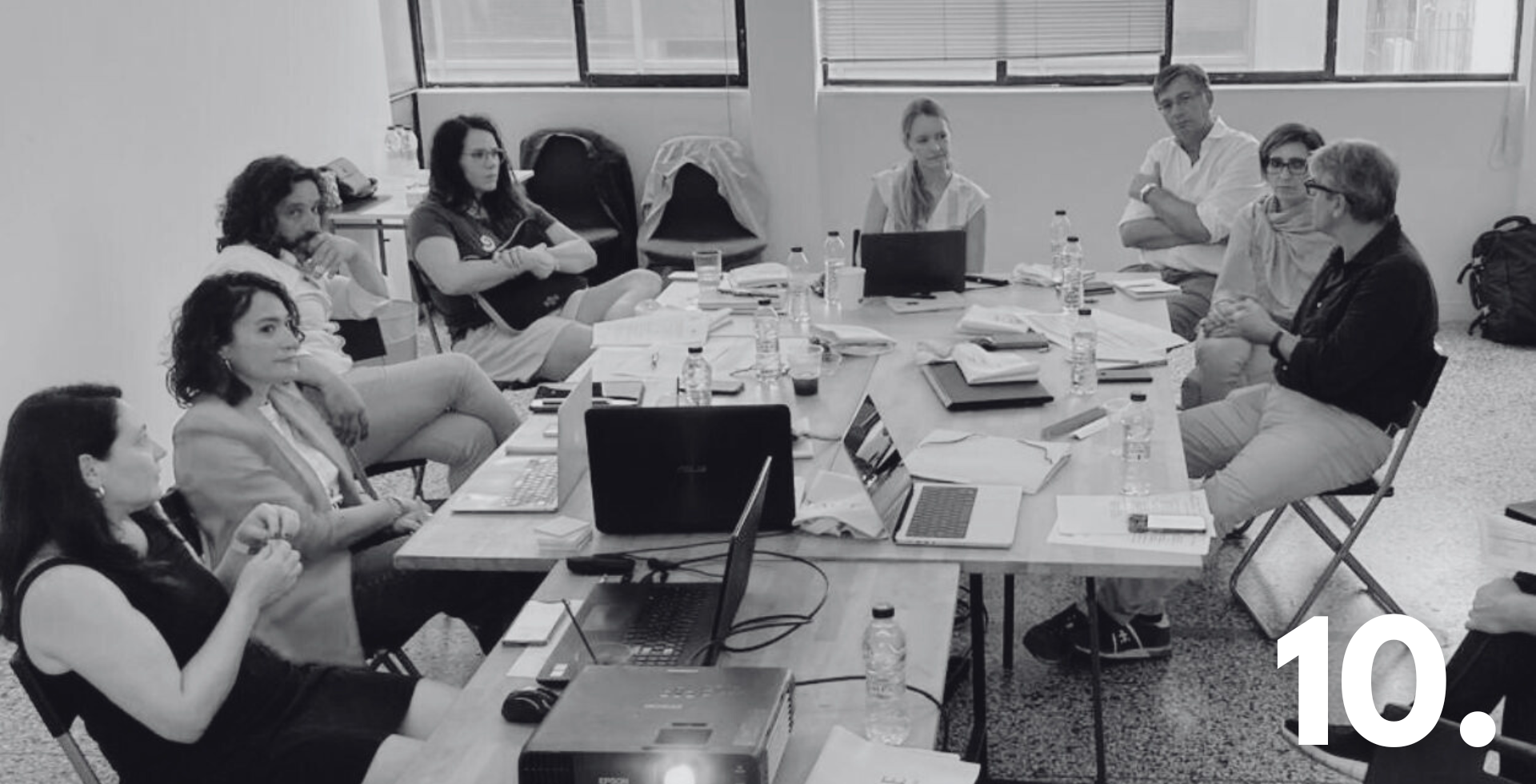
In 2025, HERITΛGE deepened its engagement in the Erasmus+–funded EMPATHS project, which aims to equip heritage professionals with the skills needed for participatory, community-driven heritage interpretation. Early in the year, the project contributed to international dialogue through a LDnet webinar on empowering local communities for smart and sustainable cultural heritage, while in May it published the EMPATHS Baseline Report, offering a comprehensive overview of current practices, challenges, and opportunities in participatory heritage interpretation across Europe and beyond. EMPATHS was further showcased at the European Association of Archaeologists (EAA) Congress in Belgrade, through the session “Voices of the Past, Hands of the Present: Collaborative Pathways in Archaeology and Heritage Interpretation.” In parallel, HERITΛGE led two online co-design sessions in Greece with heritage professionals from Alexandroupoli and Rizía, marking the project’s first structured dialogue between technical partners and piloting organisations and directly informing the design of the forthcoming training programme. Over the summer, EMPATHS published four key deliverables, including stakeholder mapping, cross-sector interviews, and co-design findings, all reinforcing the demand for skills in facilitation, storytelling, and emotionally resonant communication. The year culminated with the project’s second Transnational Project Meeting in Athens, where partners advanced work on the EMPATHS methodological compendium and training framework, the presentation of the project during a Global Alliance for Heritage Interpretation Webinar, and, importantly, with the publication of the EMPATHS Manifesto—a collective call to move beyond top-down interpretation and embrace heritage as a shared, democratic, and future-oriented process shaped with communities.
11. Community-Led Preservation of Earthen Architecture in Shibam, Yemen
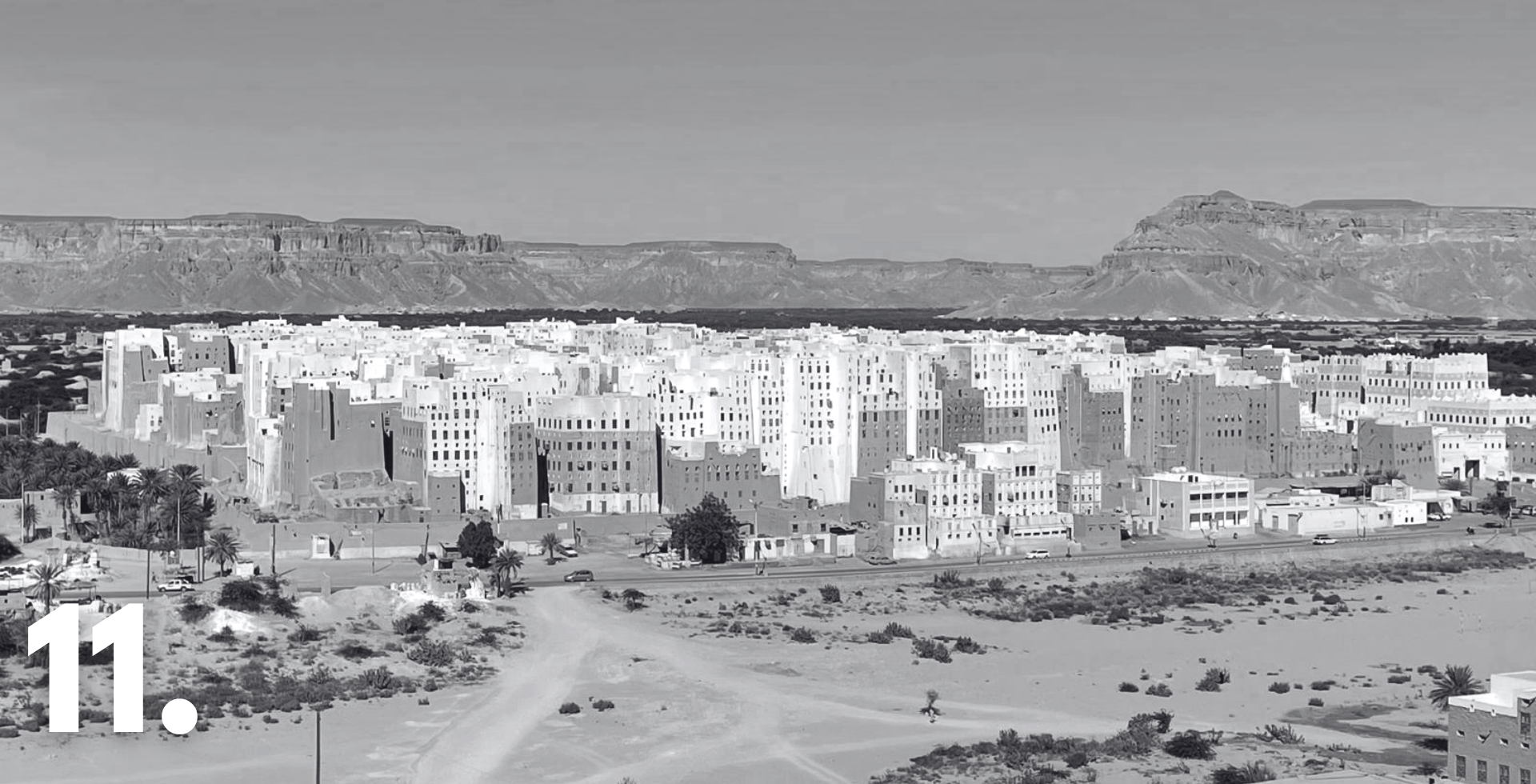
In Yemen, HERITΛGE advanced a major effort to safeguard the cultural heritage of Shibam through the ALIPH-funded project Preserving the Unique Earthen Architecture of Shibam. In early 2025, museum experts Shatha Safi and Khulod Najjar travelled to the UNESCO World Heritage city to guide the community-led planning of a new museum that will bring together collections currently scattered across Shibam and create dedicated spaces for traditional arts, crafts, and digital learning. Their visit marked a pivotal moment in the project, with consultations held with local authorities, heritage institutions, and women from the community to ensure the museum reflects the lived experiences, history, and aspirations of Shibam’s residents. Alongside this vision-setting, HERITΛGE is training local professionals on-site, with four trainees already working with our team on the documentation of the South Palace—future home of the museum. Complemented by architectural assessments and a climate action study, the project is laying the groundwork for a resilient cultural hub that will support preservation and community engagement for years to come.
12. Safeguarding Architectural Heritage in Times of War in Ukraine
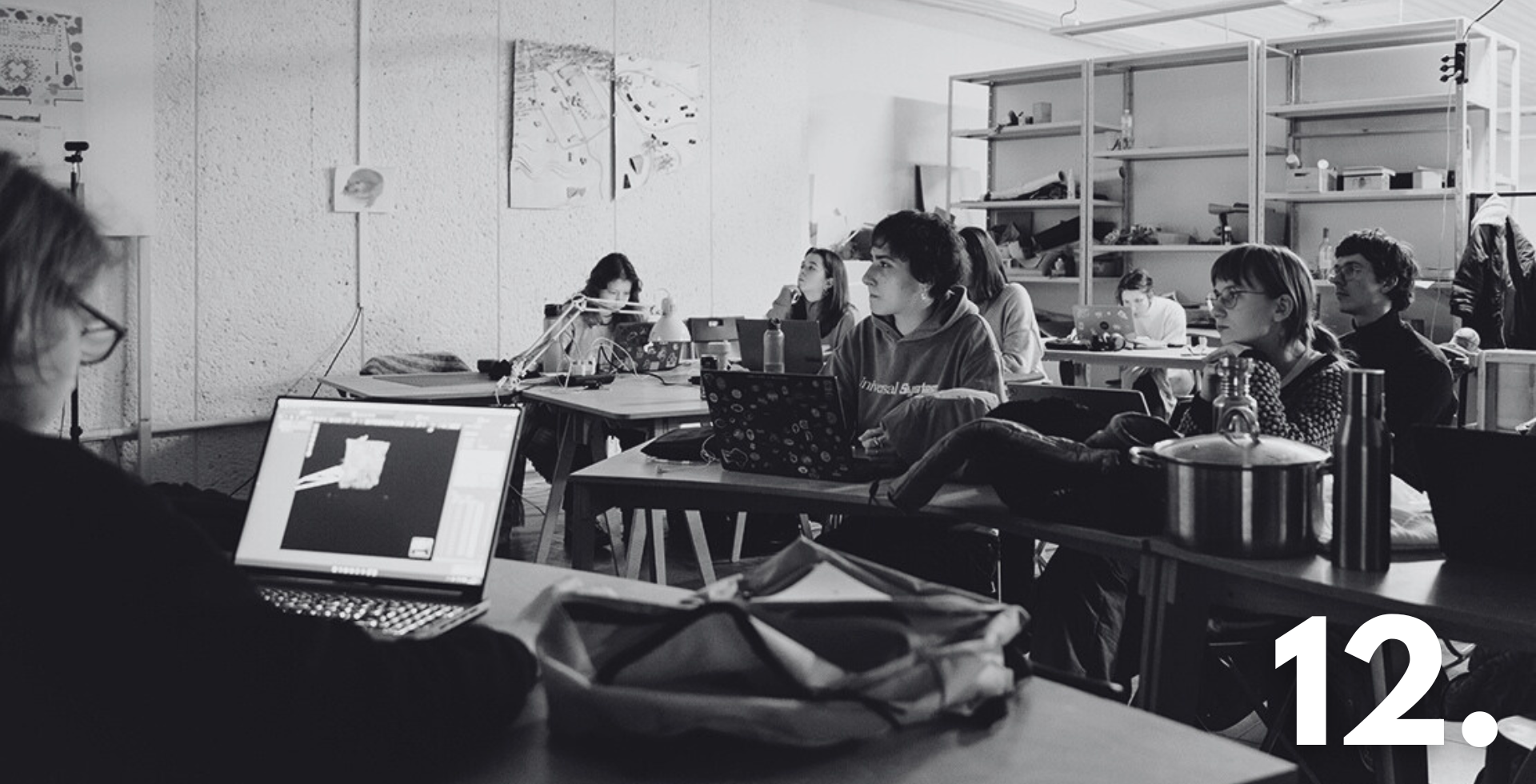
In Ukraine, HERITΛGE advanced critical work to protect architectural heritage threatened by war through the project Architectural Heritage Preservation in Times of War: The Ukrainian Model, delivered with the Kharkiv School of Architecture and 3D documentation specialists Skeiron. Launched in September 2024, the programme trained 30 students and 10 educators from across the country in cutting-edge documentation and conservation techniques—from photogrammetry and 3D laser scanning to international heritage standards—while providing hands-on field internships in Western Ukraine. Together, they created high-resolution digital records of 15 at-risk sites, safeguarding knowledge even as physical structures remain vulnerable. Through educator training and a series of public webinars, the project also planted the seeds for a new nationwide curriculum in architectural heritage preservation. Its impact extends far beyond a single academic year: it has built a cohort of young architects and teachers equipped with the skills, networks, and resolve to protect Ukraine’s cultural memory during conflict and beyond. Their work stands as a reminder that preserving heritage is not only an act of conservation, but an act of resilience and recovery.
13. New Projects for the Digital Transformation of Cultural Heritage
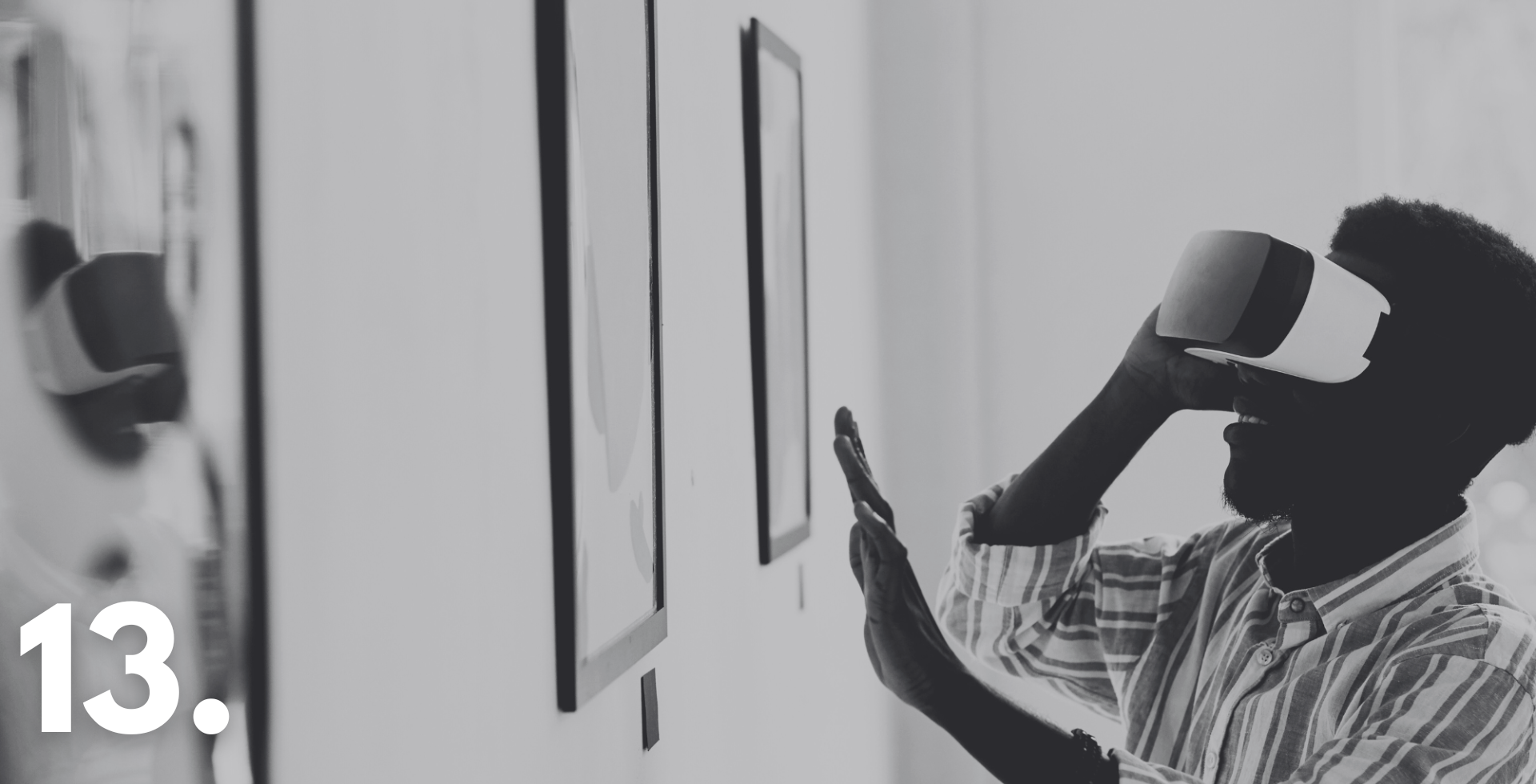 In 2025, HERITΛGE became a consortium partner in two new projects funded under the EU’s Horizon Europe programme, both contributing to the ECHOES initiative and the development of the European Collaborative Cloud for Cultural Heritage (ECCCH). ECHOES aims to establish a shared digital infrastructure that brings together currently fragmented cultural heritage communities, offering access to data, advanced digital tools, scientific resources, and training materials developed collaboratively by heritage professionals and researchers. HERITΛGE participates in MusicSphere, a project dedicated to preserving and interpreting traditional musical organs—such as pipe organs and their ancient Greek counterpart, the hydraulis—through high-fidelity digital replicas, acoustic modelling, and immersive virtual and augmented reality experiences that capture both their physical structure and sonic interaction with architectural spaces. HERITΛGE is also a partner in EXCALIBUR, which focuses on burial sites, excavation contexts, artefacts, and human remains, developing human-centred, affordable digital twin technologies to support research, conservation, restoration, and museum interpretation. Together, these projects contribute to the long-term preservation, study, and public understanding of complex heritage assets, while ensuring that open, interoperable, and practitioner-driven tools are shared through the ECCCH platform for broad professional and societal impact.
Fifth Online Networking Convening of Africa Grantees
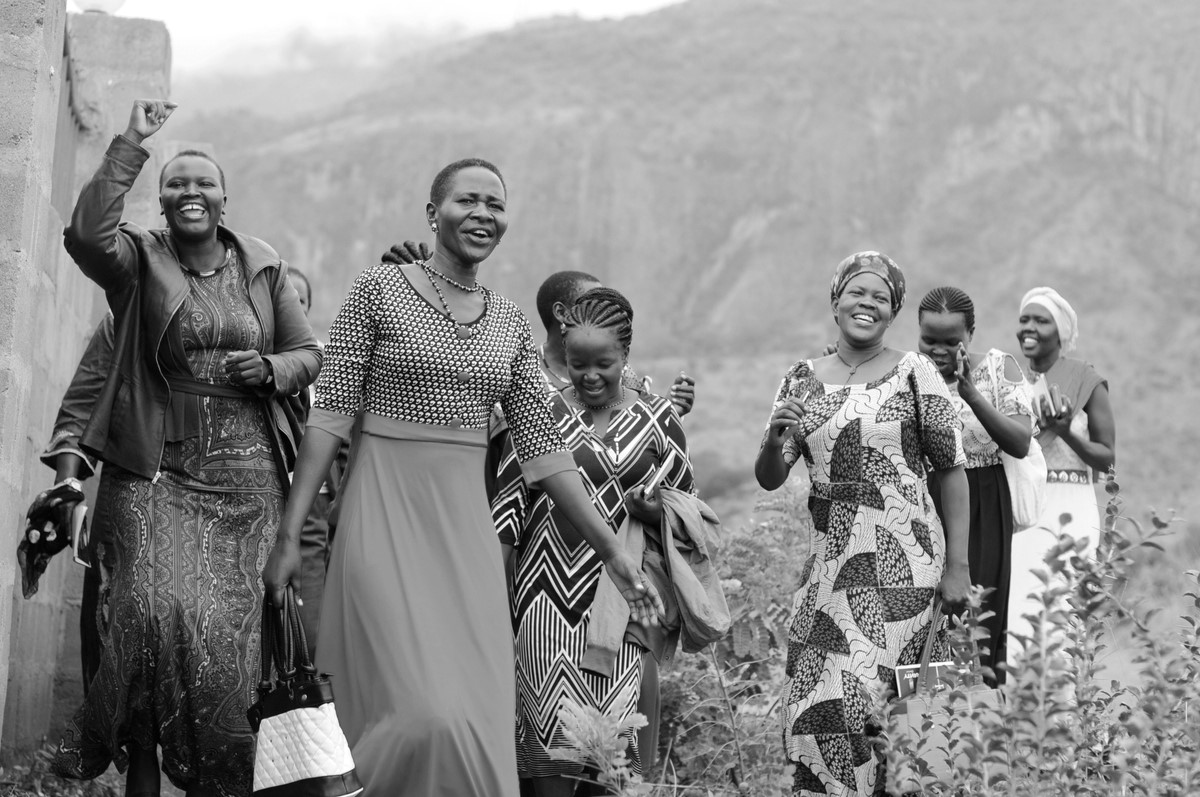
Building Peace Across Borders in East Africa. Members of women’s forums are enjoying their newfound voice and role in cross border peace building. USAID’s PEACE III supports key actors, including local leaders, women and youth in the targeted cross-border cluster areas to deepen and broaden transformative social reconciliation processes.
More:
Photo Credit: Tine Frank /USAID East Africa Regional. Original public domain image from Flickr
On 29 October 2025, the HERITΛGE Africa Grants Team hosted its fifth network convening bringing together grantees, HERITΛGE staff, Re-granting Committee members, representatives from the Mellon Foundation, and other African donors. 65 people attended the meeting. The convening differed from previous ones as it included simultaneous interpretation to accommodate Francophone speakers, who represented the majority of presenters, which was valuable.
The session opened with welcoming remarks from Richard A. Brown, with eleven grantees then presenting their work. These covered projects in Guinea, Benin, Burkina Faso, the Democratic Republic of Congo, Niger, Cameroon, Uganda, Nigeria, Egypt, and Côte d’Ivoire. Projects ranged from mapping and documenting cultural heritage in Guinea to the restoration of cultural sites and the promotion of sustainable tourism and heritage museums across Africa.*
Following the presentations, participants joined breakout rooms organised by project type. These smaller groups facilitated discussions on challenges faced during project implementation, opportunities for collaboration, and strategies for engaging local communities and governments. Participants shared experiences, best practices, and networking contacts, highlighting the value of HERITΛGE workshops and the importance of training in areas such as heritage marketing, documentation, and sustainable tourism.
This fifth convening reinforced the importance of these gatherings as spaces for knowledge exchange, peer learning, and fostering collaboration across diverse heritage projects. It also highlighted the need to maintain inclusive practices, such as interpretation services, to ensure all grantees can actively participate. HERITΛGE will continue to provide support and explore structured plans for future in-person and virtual engagements.
*Lansana Keita, Guinea: ‘Mapping and documenting cultural heritage of Guinée Forestière’
Franck Serge Wouantègnon Alokpowanou, Benin: ‘Renovation and innovative management of the Ondo sacred forest of Pobe’
Louis Hermann Tinwende Nikiema, Burkina Faso: ‘Restoration of Cultural Heritage’ (‘Restauration du Patrimonie Culturel’)
Katalay Katy Bumba Jean-Paul, Democratic Republic of Congo: ‘Transformation of the colonial residence in a tourism and community center’
Adiza Amadou, Niger: ‘Preserving the Tradition of Handweaving in Niger’
Dr Loumpet Germain, Cameroon: ‘Conservation and Enhancement of a Biodiversity Site Among the Pygmies (Sauvegarde, valorisation un site de biodiversité chez les Pygmées)’
Mfitundinda Herbert, Uganda: ‘Enhancing Indigenous Batwa Livelihood Through Cultural Heritage Experiences in Uganda’
Geofrey Junior Waako, Uganda: ‘Cultural Oasis: Jinja’s Sustainable Heritage Hub’
Adeoluwa Onamade, Nigeria: ‘Sustainable Project to strengthen Bilikisu-Sungbo heritage’
Hassan Refaat Hassan Badawy, Egypt: ‘Documentation and Marketing of El- Quseir’s ICH for Sustainable Community Development’
Edi Ako Victorien Constant, Cote d’Ivoire: ‘Cooperative Training in the Animation of a Community Agricultural Museum in Agboville: The MCAA Project’ (‘Formation coopérative à l’animation d’un Musée Communautaire Agricole à Agboville : Le Projet MCAA’)
This was the fifth out of six planned events aimed at showcasing projects funded through our Small Grants for African Heritage Projects initiative, made possible through generous funding by the Mellon Foundation. 75 projects have received around $1million in funding. You can read more about the specific projects on our Africa Grants page which is continually being updated.