
Tag Archives: SHIFT
HERITΛGE 2025 Wrap-Up
In 2025, HERITΛGE continued to translate its mission of community-centred, inclusive, and sustainable heritage management into action across continents. From building local capacity across the world to advancing digital innovation and participatory practice in Europe and beyond, the year was defined by strong partnerships, expanded training, and tangible impact. HERITΛGE’s work in 2025 demonstrated how heritage can act as a driver of resilience, dialogue, and long-term social value, rooted in communities, connected globally, and oriented firmly toward the future.
1.The HerMaP Gambia successful completion
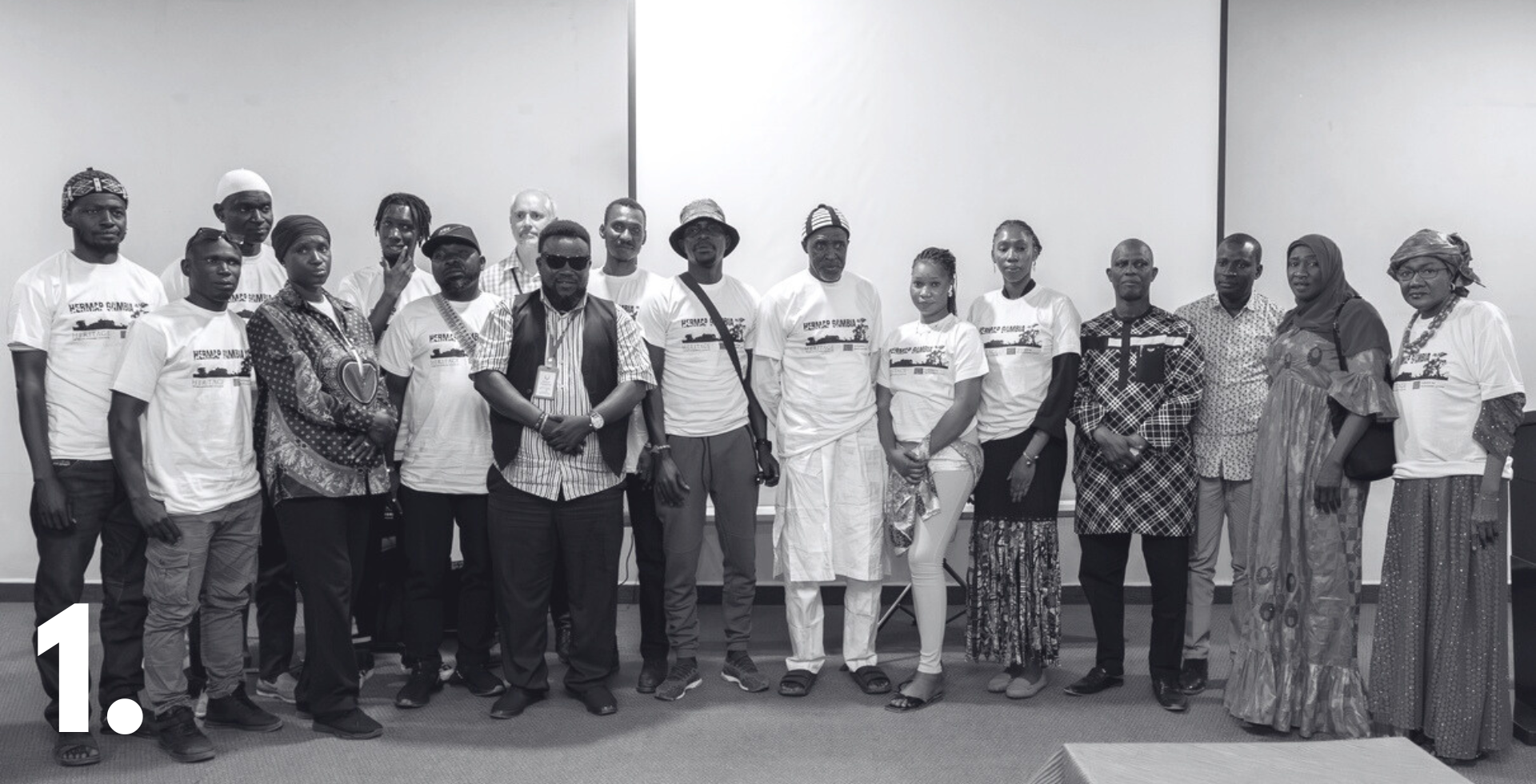
In February, HERITΛGE marked the successful completion of HerMaP Gambia, an initiative co-funded by the EU, by celebrating a milestone in community-driven heritage management. A certificate ceremony and visual art exhibition was held as part of The Gambia’s 60th Independence Anniversary celebrations, bringing together EU representatives, parliamentarians, and the Chair of the National Assembly to honour the dedication of the programme’s trainees. One week later, the Minister of Tourism, Members of Parliament, EU representatives, and a broad range of stakeholders convened for a high-level stakeholder lunch focused on sustaining the transformative results of the project. Already, we are seeing HerMaP Gambia graduates applying their new skills across the country—strengthening local heritage initiatives, engaging communities, and even training others. The programme’s impact is now firmly rooted in the sector, creating momentum that will shape heritage management in The Gambia for years to come.
2. HerMaP Africa: Building Capacity and Partnerships Across Three Countries
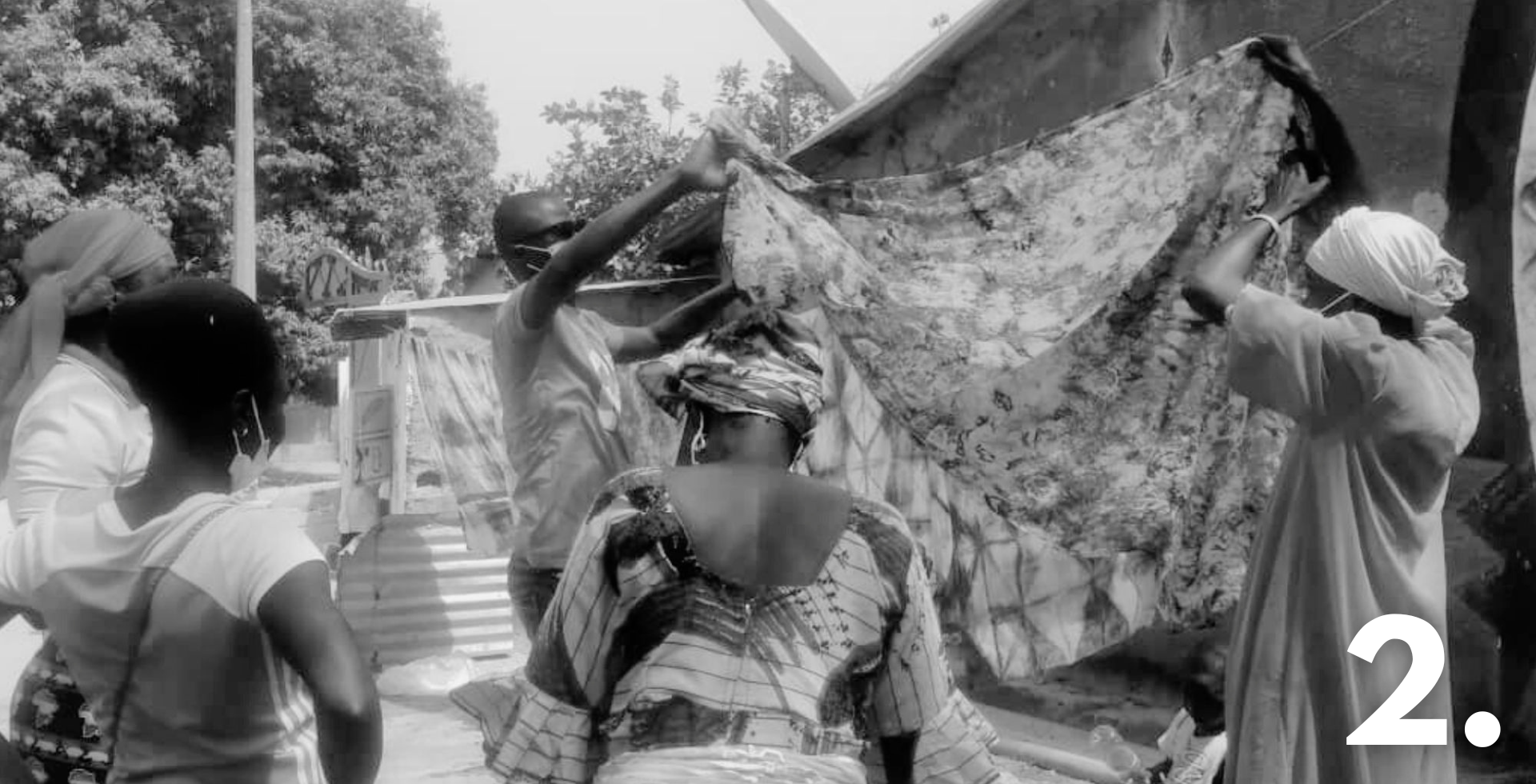
In 2025, HERITΛGE deepened its impact across Ethiopia, Ghana, and Rwanda through targeted capacity building, strategic partnerships, and close engagement with local cultural ecosystems, as part of the HerMaP Africa initiative supported by the Mellon Foundation. In Ethiopia, HERITΛGE delivered seven workshops and trained 127 participants, with a strong emphasis on hands-on, in-person conservation training. Notably, conservation workshops in Harar focused on equipping the next generation of staff from the Culture and Tourism Bureau with practical skills to safeguard this unique living heritage site, reinforcing long-term, community-based preservation. Institutional collaboration was further strengthened through the signing of two Memoranda of Understanding with key Ethiopian organisations. In Ghana, HERITΛGE delivered four workshops and trained 80 participants, ensuring broad regional representation and inclusive access to capacity building beyond major urban centres. A national networking roundtable brought together stakeholders and project leaders to exchange experiences, align priorities, and address shared challenges in the heritage sector, alongside the signing of two strategic MoUs. In Rwanda, four workshops trained 78 participants, and three MoUs were signed with leading institutions, including a milestone partnership with the Ministry of Youth and Arts. HERITΛGE also contributed to the Ubumuntu Arts Festival through programme consultations and a participatory session with young creatives, strengthening connections between heritage, contemporary culture, and youth engagement. Across all three countries, a dedicated Train-the-Trainers programme equipped 19 heritage professionals to act as HERITΛGE ambassadors, significantly amplifying local capacity and long-term impact.
3. Small Grants for African Heritage
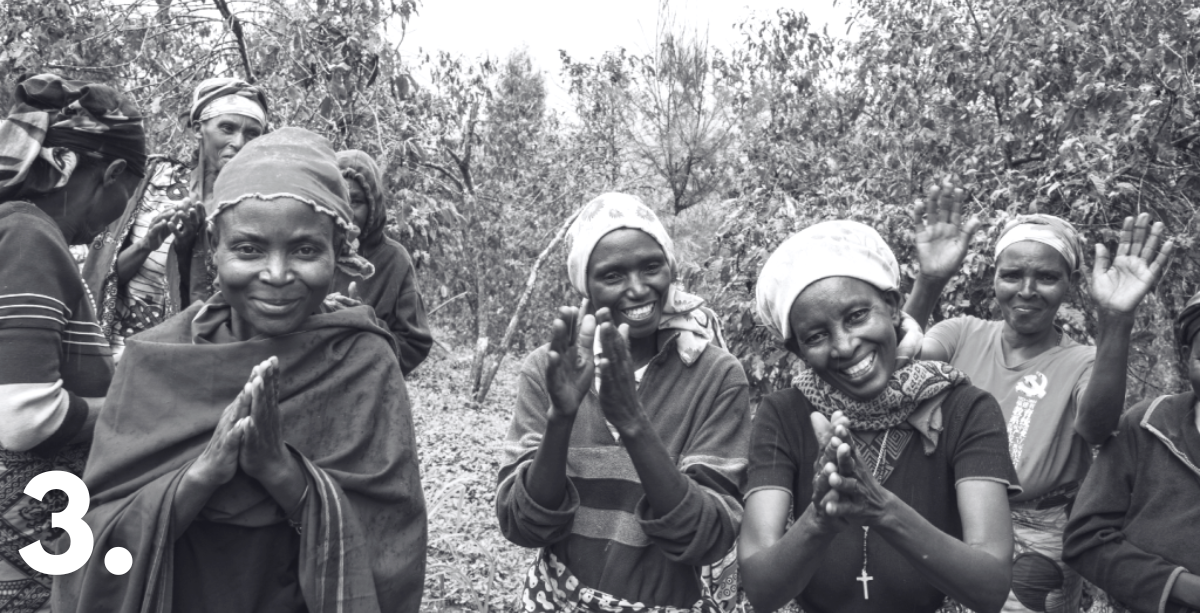 The regranting phase of HerMaP Africa reached its conclusion, marking one of the most ambitious and impactful heritage-support programmes on the continent. Since 2023, HERITΛGE has received more than 2,500 applications from across Africa and funded over 74 small heritage projects, each led by local actors working to safeguard, reinterpret, and activate their cultural heritage. This regranting initiative was made possible with the generous support of the Mellon Foundation. Throughout the year, grantees participated in six regional convenings, creating spaces to exchange experiences, strengthen their skills, and learn from peers—building a growing network of practitioners committed to community-centred heritage work. Several more convenings are planned for 2026 to continue nurturing this collaborative ecosystem. The results have been remarkable: from revitalised cultural practices to restored and more resilient cultural sites, to new opportunities for local development, these projects are already transforming lives. We are proud to showcase this work through dedicated social media features and a new publication that brings together the stories, challenges, and achievements of the HerMaP Africa grantees.
4. HerMaP Mexico: Launching a New Border Region Initiative
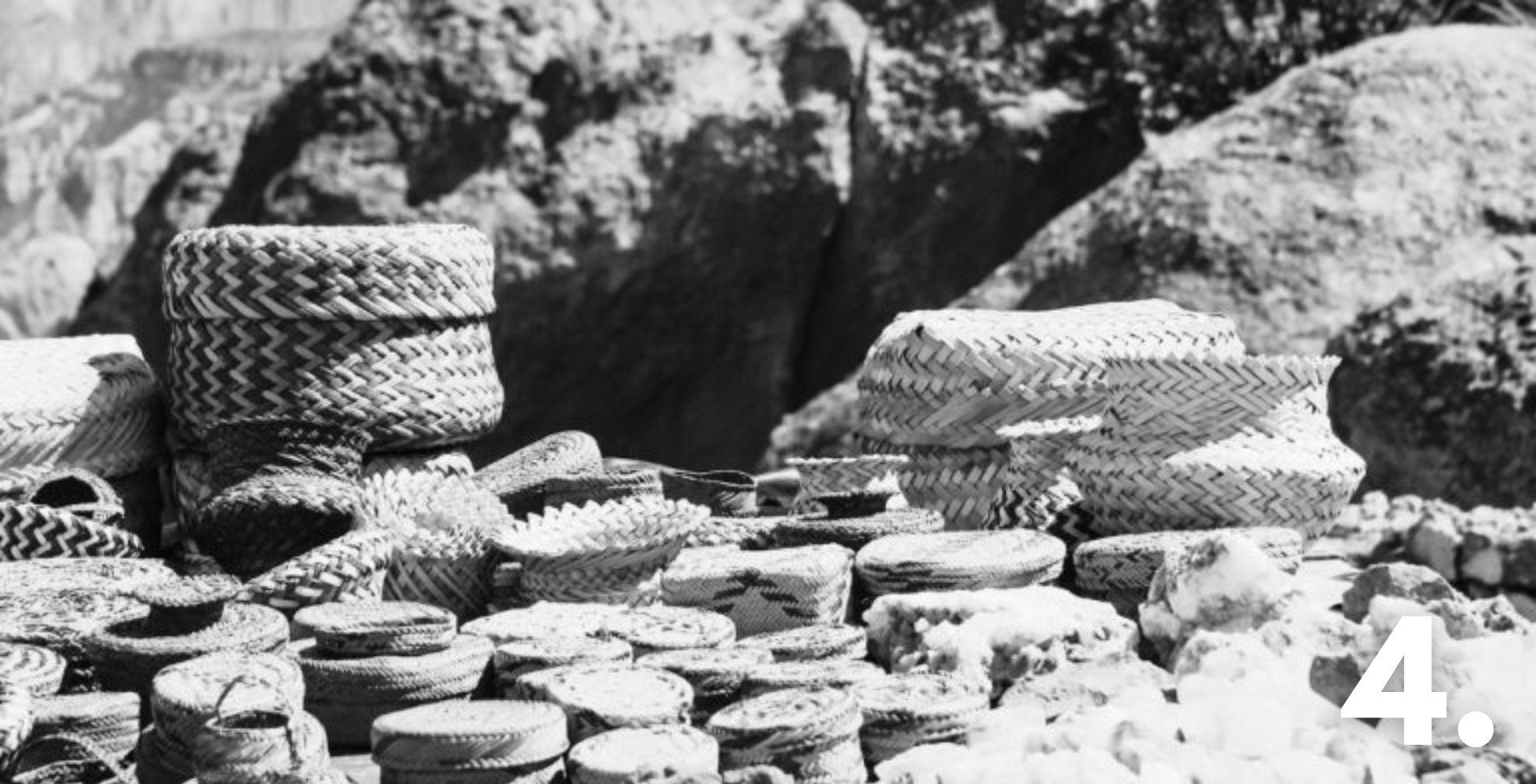
This year also marked the launch of HerMaP Mexico, a major new initiative that expands HERITΛGE’s work into North America and supports cultural heritage actors across Mexico’s northern border states. Funded by the Mellon Foundation’s Humanities in Place programme, the project brings a comprehensive, community-focused approach to heritage management through mapping, training, networking, and small grants. In 2025 we established the foundations of the programme: building local partnerships, initiating the mapping of heritage professionals and institutions across six states, and preparing the first round of capacity-building workshops to be delivered in both Spanish and English. HerMaP Mexico responds to the region’s unique cultural landscape—shaped by Indigenous, mestizo, migrant, and Chicano communities—and aims to strengthen local skills while creating new opportunities for collaboration and sustainable development. As the project moves forward, it will support locally led initiatives and grow into a long-term platform that connects heritage practitioners across the border region with global networks and resources.
5. Professional Training and Executive Leadership Education Programmes
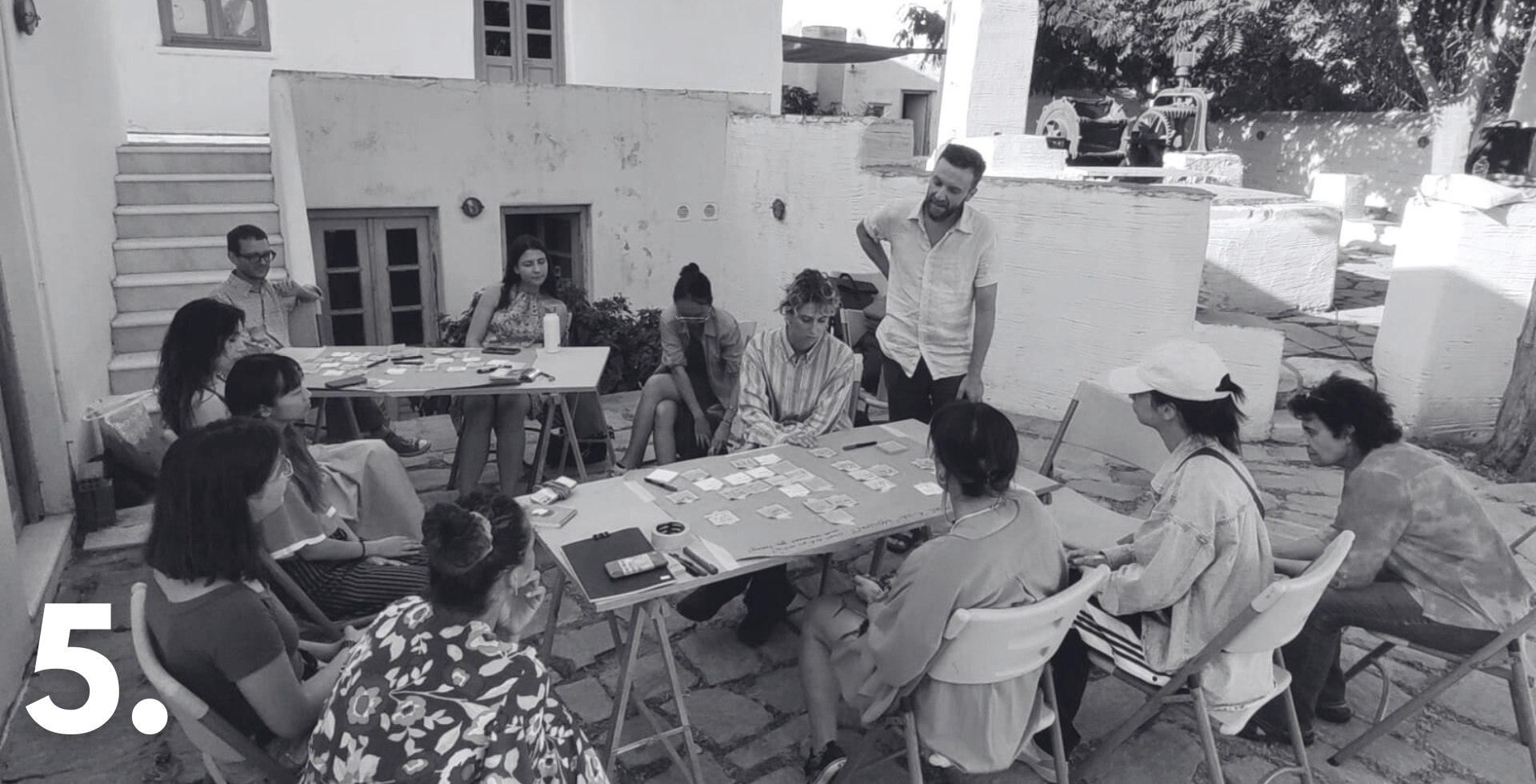
HERITΛGE continued to strengthen its leadership in professional training by expanding its Executive Leadership Education programmes and reinforcing its global learning community. A key milestone was the introduction of Community Tourism and Development into the curriculum, responding to the growing need for heritage managers to understand how cultural resources can generate sustainable economic benefits while reinforcing social cohesion, identity, and community resilience. This year also saw the first alumni conference of the Engaging Communities in Cultural Heritage Summer School, bringing together former participants from around the world to share research, field experiences, and community-based practices. Alongside this, HERITΛGE successfully delivered its Conservation Series Training Programmes for the second time, expanding the offer to include First Aid for Finds and Preventive Conservation, and equipping participants with practical skills applicable across diverse heritage contexts. The Training of Trainers (ToT) programme continued to grow, building a global cohort of HERITΛGE Ambassadors—heritage professionals trained to deliver high-quality, cross-cultural capacity building within their own communities. Together, these initiatives reflect HERITΛGE’s ongoing commitment to community-centred heritage management, interdisciplinary collaboration, and the empowerment of professionals working at the intersection of culture, development, and sustainability, supported by a vibrant international network united by shared values and collective impact.
6. Advancing Audience-Centred Heritage Practice through AHEAD
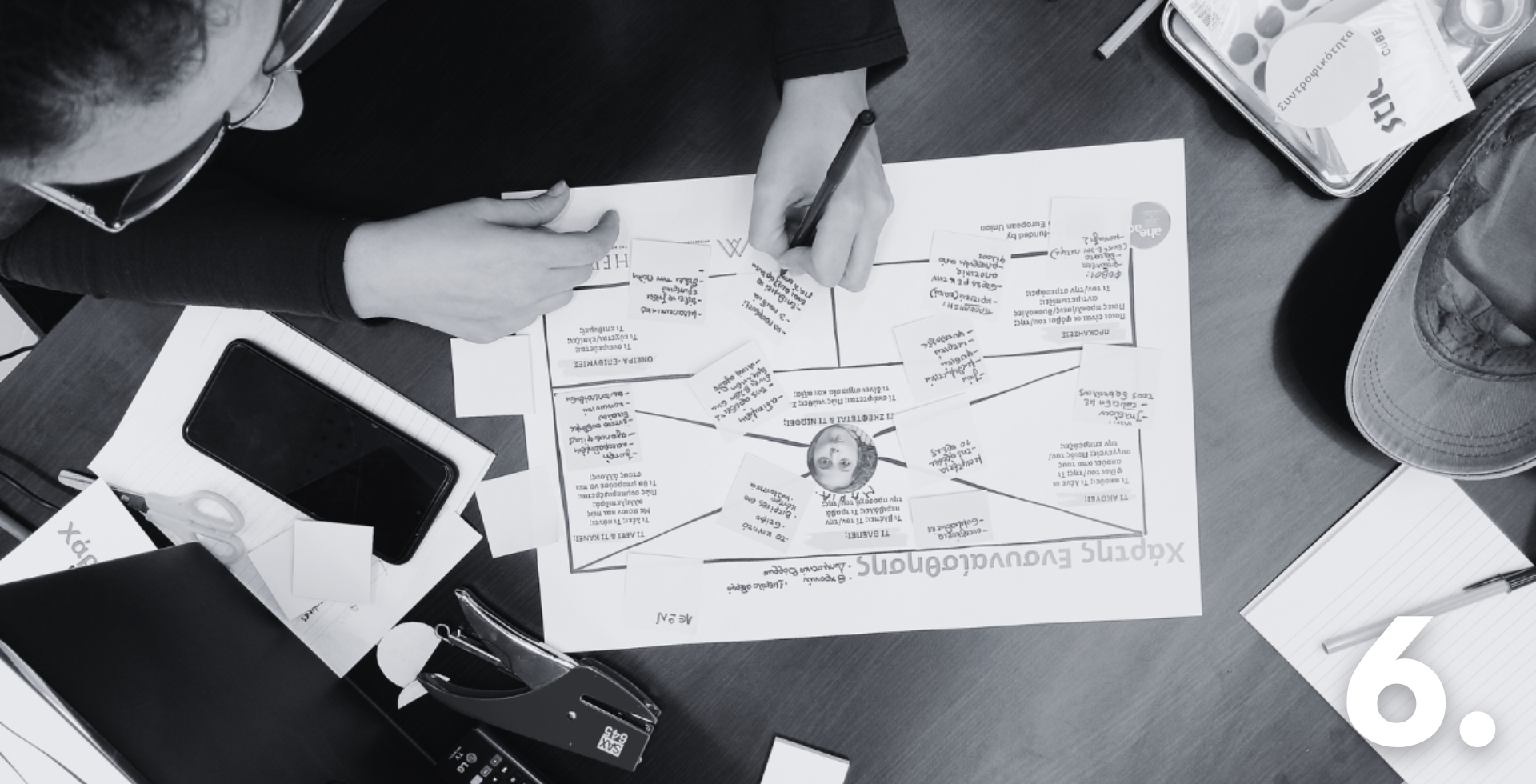
In 2025, HERITΛGE advanced its work on audience-centred heritage practice through AHEAD (Accessible Heritage Experience for Audience Development), a project co-funded by Creative Europe and dedicated to strengthening participation, co-creation, and sustainability across the cultural heritage sector. At the Archaeological Museum of Messara, the project’s Greek hub, HERITΛGE hosted a series of co-creation labs in early 2025, followed by a study visit for AHEAD project partners in May, creating space for peer learning and in-depth exchange around participatory heritage approaches. In July, the 3rd AHEAD Networking Event brought together practitioners and researchers, and featured the presentation of the Living Heritage Network in Greece by Theodosia Maroutsi, highlighting how community-led approaches can be embedded in national heritage ecosystems. In September, HERITΛGE organised a dedicated Multiplier event in Athens to share the results of AHEAD with heritage managers, researchers, and cultural professionals. The project culminated in October with the presentation of AHEAD and its outcomes in Brussels and, for the Greek hub, a public event at the Archaeological Museum of Messara, where Elektra Angelopoulou, the project’s artist-in-residence, presented a site-specific artwork co-created with the local community. Alongside these events, AHEAD produced a dedicated magazine and learning resources that document the project’s insights and offer practical tools for fostering co-creation, inclusion, and long-term sustainability in cultural heritage practice.
7. SHIFT: Inclusive Digital Innovation for the Future of Cultural Heritage
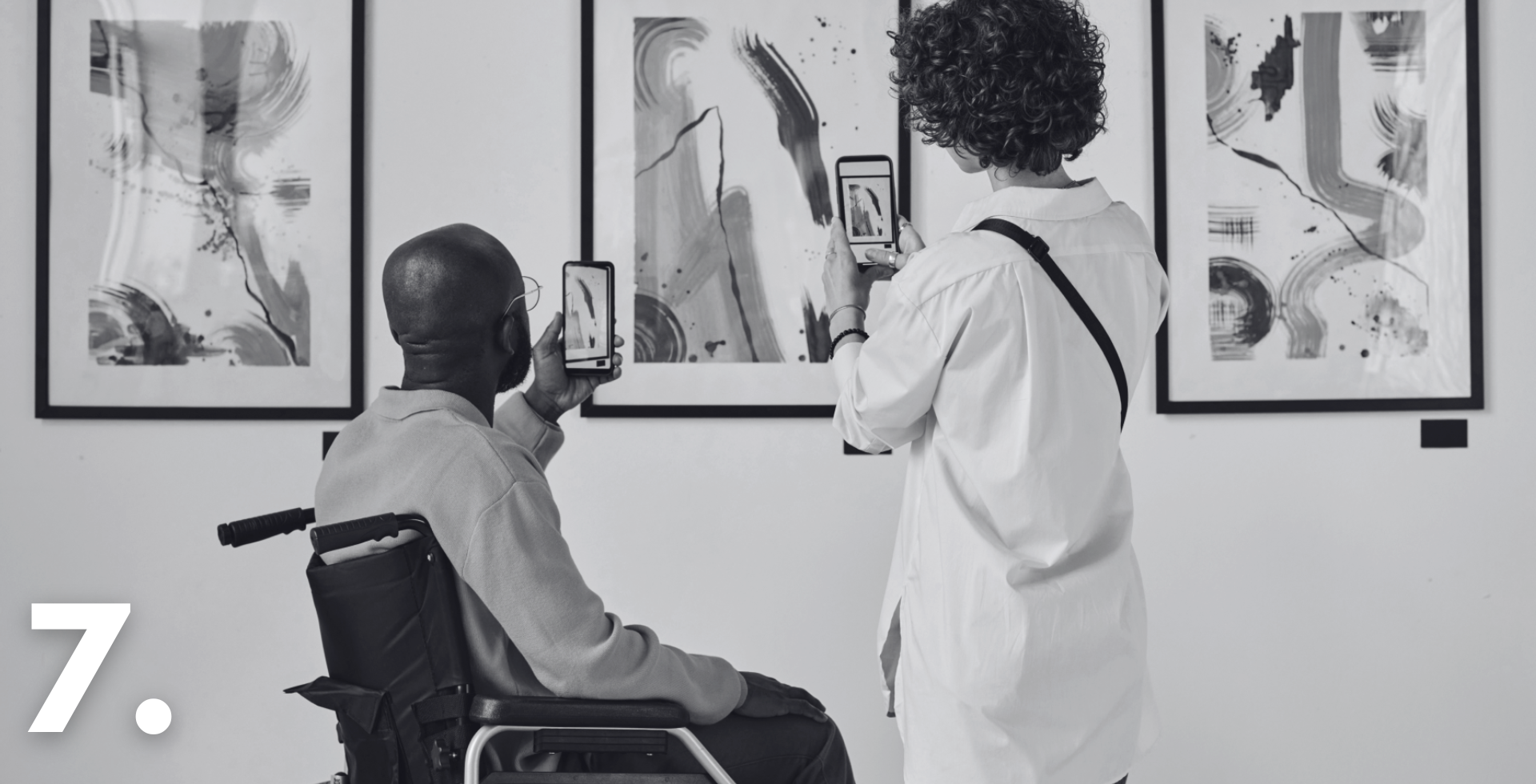
HERITΛGE and its SHIFT consortium partners concluded this ambitious Horizon Europe project aimed at making cultural heritage more accessible, inclusive, and engaging through advanced technologies. Over its lifetime, SHIFT delivered a suite of innovative tools—including an Image-to-Video generator, affective speech synthesis, haptics interfaces, and a platform designed to support inclusive digital storytelling—alongside a pioneering Extended Reality (XR) Accessibility Framework. These results were tested and refined through four pilot events in Germany, Hungary, Romania, and Serbia, ensuring that the tools responded to real needs within museums, libraries, and cultural organisations. The project’s achievements were showcased at major gatherings such as the Digital Heritage World Congress and Expo in Siena, highlighting SHIFT’s contribution to the future of digital cultural heritage. As part of our commitment to long-term impact, HERITΛGE developed a set of training modules to equip cultural heritage professionals with the skills they need to adopt and apply these new technologies in their own contexts.
8. Strengthening a National Platform for Living Heritage
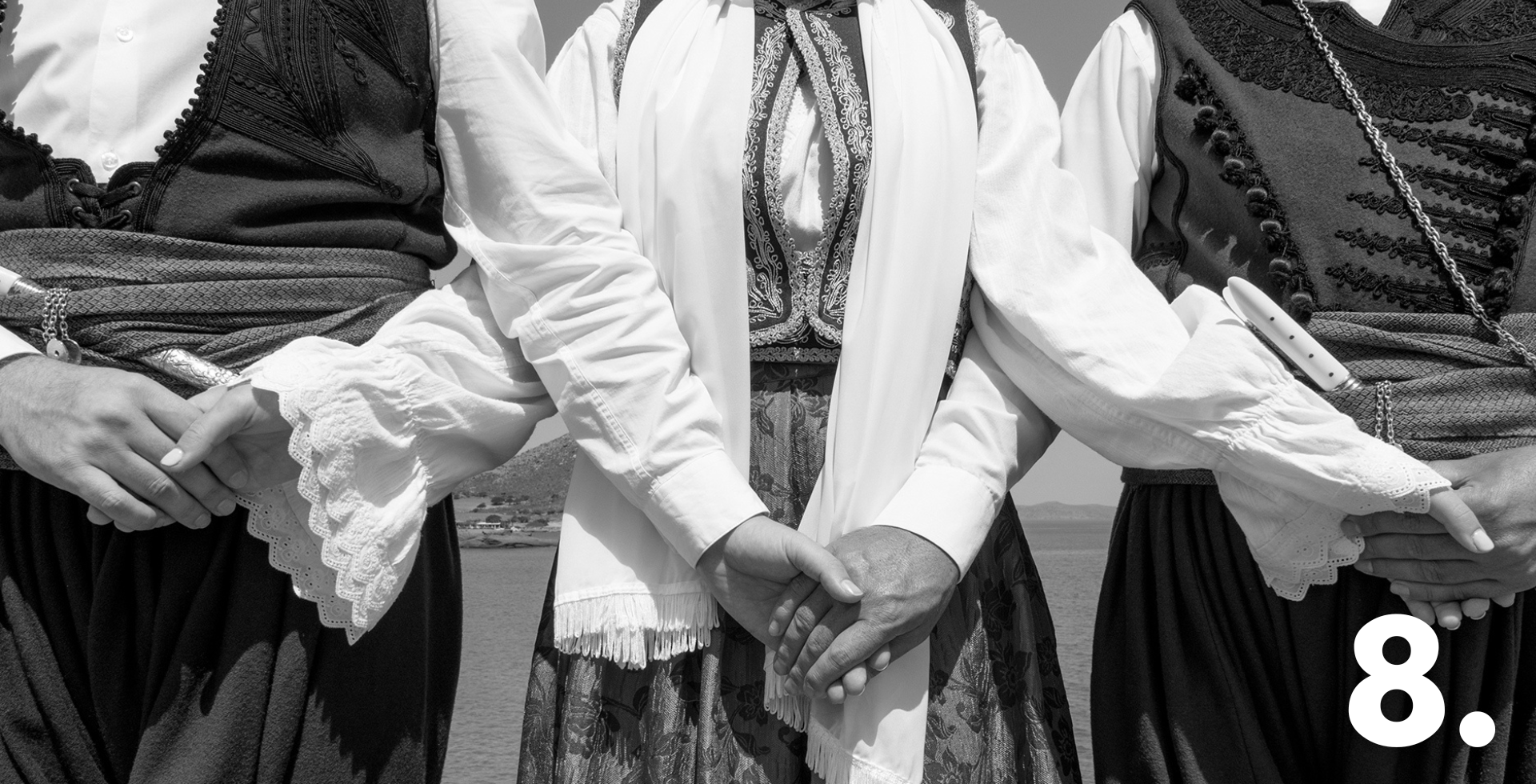
HERITΛGE strengthened its commitment to living heritage in Greece as a founding member of the country’s Living Heritage Network, with our Greek Programmes Manager, Theodosia Maroutsi, serving for the third year on its coordinating committee. In this role, HERITΛGE actively contributed to the Network’s 2nd National Meeting, held in Athens on 21–23 February, a major highlight of the year, where Theodosia welcomed participants and drove the dialogue during the “Living Heritage Network: Formation and Perspectives” roundtable “ reflecting on the Network’s development and future direction. HERITΛGE also delivered one of the leading side events of the 2nd National Meeting, a hands-on workshop, for 30 participants, titled “Working on the Narrative Interpretation of Living Cultural Heritage,” supporting practitioners in exploring narrative approaches to interpreting living heritage. Our impact extended well beyond the 2nd National Meeting’s floor. HERITΛGE was instrumental in drafting the Network’s Mapping Questionnaire, which was also launched in autumn of 2025. This Mapping is a crucial initiative designed to identify the essential needs of the living heritage ecosystem. The Network’s work was further amplified through HERITΛGE’s involvement in European projects: it was featured in AHEAD, where Theodosia participated in the 3rd Online Networking Event and was interviewed for the project’s magazine—freely available in English, Greek, Italian, and Spanish—and in EMPATHS, where the Network informed stakeholder mapping, cross-sector interviews, and co-design findings. Together, these activities positioned the Living Heritage Network as a key grassroots platform for participatory, community-led heritage practice in Greece and beyond.
9. Safeguarding Pakistan’s Most Significant and Vulnerable Cultural Landscapes
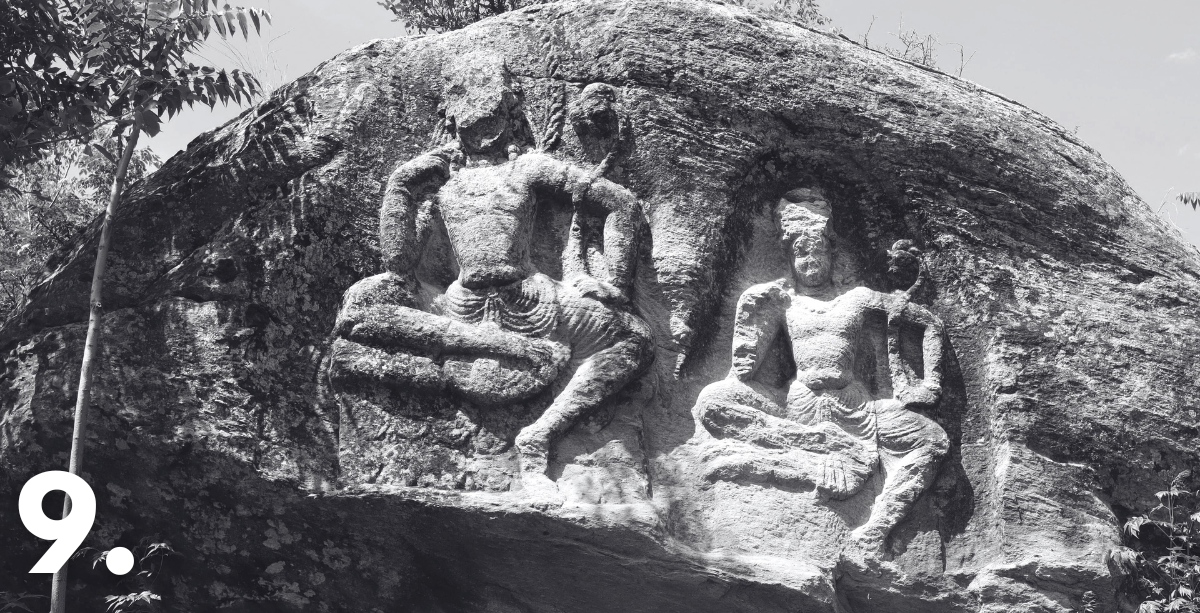
HERITΛGE and our partners completed the first phase of the project Preservation of Buddhist Rock Reliefs in the Swat Valley, safeguarding one of Pakistan’s most significant and vulnerable cultural landscapes. The initiative documented and conserved Buddhist rock carvings dating from the 8th to the 10th centuries, while also recording oral histories, legends, and traditional arts and crafts that link Pashtun culture with the Valley’s Buddhist past. Using advanced digital techniques, 78 rock reliefs were documented and made accessible through a public website featuring interactive maps and 3D models, and first aid conservation was carried out on 39 of the most at-risk sites. Capacity building was central to the project, with local participants trained in digital documentation and climate change adaptation. This first phase concluded with a public event at the Swat Museum and was presented internationally, including at the Lahore Museum, the Venice Biennale, and COP30, where it was cited as a strong example of heritage resilience in the face of climate change. Funded by the British Council’s Cultural Protection Fund and implemented with local and international partners, the project demonstrates how conservation, community engagement, and digital innovation can work together to protect heritage for future generations.
10. EMPATHS: Advancing Participatory Heritage Interpretation Across Europe
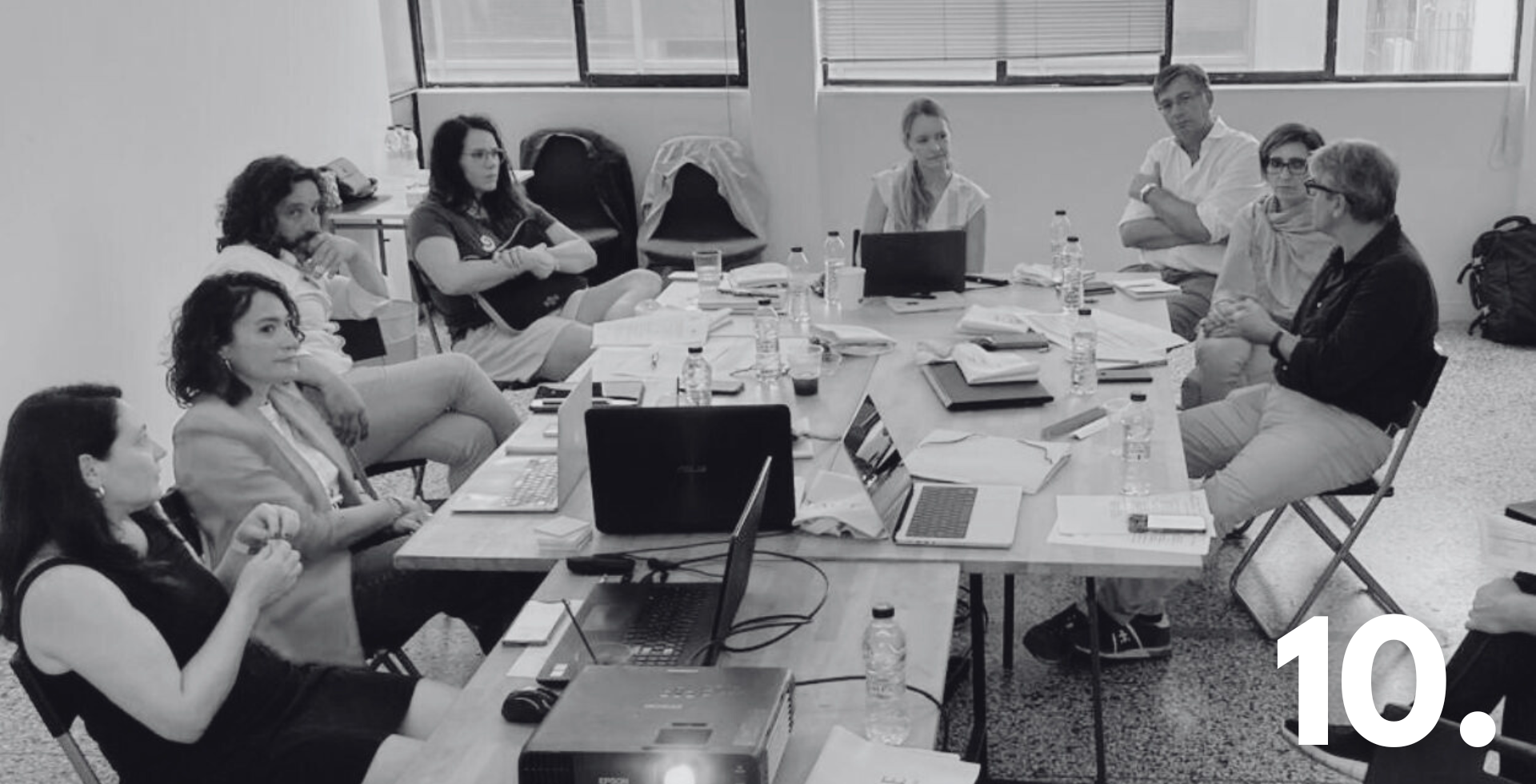
In 2025, HERITΛGE deepened its engagement in the Erasmus+–funded EMPATHS project, which aims to equip heritage professionals with the skills needed for participatory, community-driven heritage interpretation. Early in the year, the project contributed to international dialogue through a LDnet webinar on empowering local communities for smart and sustainable cultural heritage, while in May it published the EMPATHS Baseline Report, offering a comprehensive overview of current practices, challenges, and opportunities in participatory heritage interpretation across Europe and beyond. EMPATHS was further showcased at the European Association of Archaeologists (EAA) Congress in Belgrade, through the session “Voices of the Past, Hands of the Present: Collaborative Pathways in Archaeology and Heritage Interpretation.” In parallel, HERITΛGE led two online co-design sessions in Greece with heritage professionals from Alexandroupoli and Rizía, marking the project’s first structured dialogue between technical partners and piloting organisations and directly informing the design of the forthcoming training programme. Over the summer, EMPATHS published four key deliverables, including stakeholder mapping, cross-sector interviews, and co-design findings, all reinforcing the demand for skills in facilitation, storytelling, and emotionally resonant communication. The year culminated with the project’s second Transnational Project Meeting in Athens, where partners advanced work on the EMPATHS methodological compendium and training framework, the presentation of the project during a Global Alliance for Heritage Interpretation Webinar, and, importantly, with the publication of the EMPATHS Manifesto—a collective call to move beyond top-down interpretation and embrace heritage as a shared, democratic, and future-oriented process shaped with communities.
11. Community-Led Preservation of Earthen Architecture in Shibam, Yemen
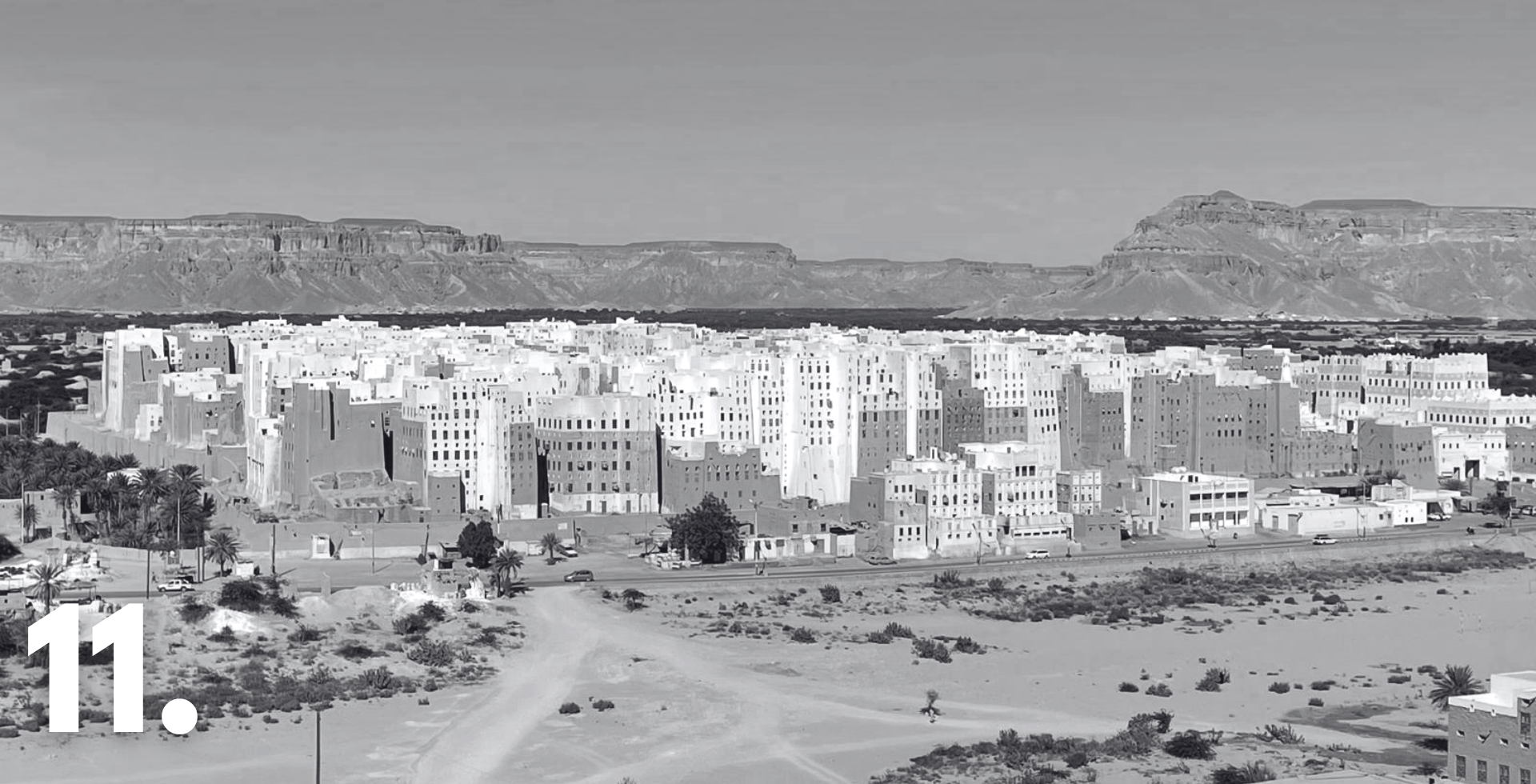
In Yemen, HERITΛGE advanced a major effort to safeguard the cultural heritage of Shibam through the ALIPH-funded project Preserving the Unique Earthen Architecture of Shibam. In early 2025, museum experts Shatha Safi and Khulod Najjar travelled to the UNESCO World Heritage city to guide the community-led planning of a new museum that will bring together collections currently scattered across Shibam and create dedicated spaces for traditional arts, crafts, and digital learning. Their visit marked a pivotal moment in the project, with consultations held with local authorities, heritage institutions, and women from the community to ensure the museum reflects the lived experiences, history, and aspirations of Shibam’s residents. Alongside this vision-setting, HERITΛGE is training local professionals on-site, with four trainees already working with our team on the documentation of the South Palace—future home of the museum. Complemented by architectural assessments and a climate action study, the project is laying the groundwork for a resilient cultural hub that will support preservation and community engagement for years to come.
12. Safeguarding Architectural Heritage in Times of War in Ukraine
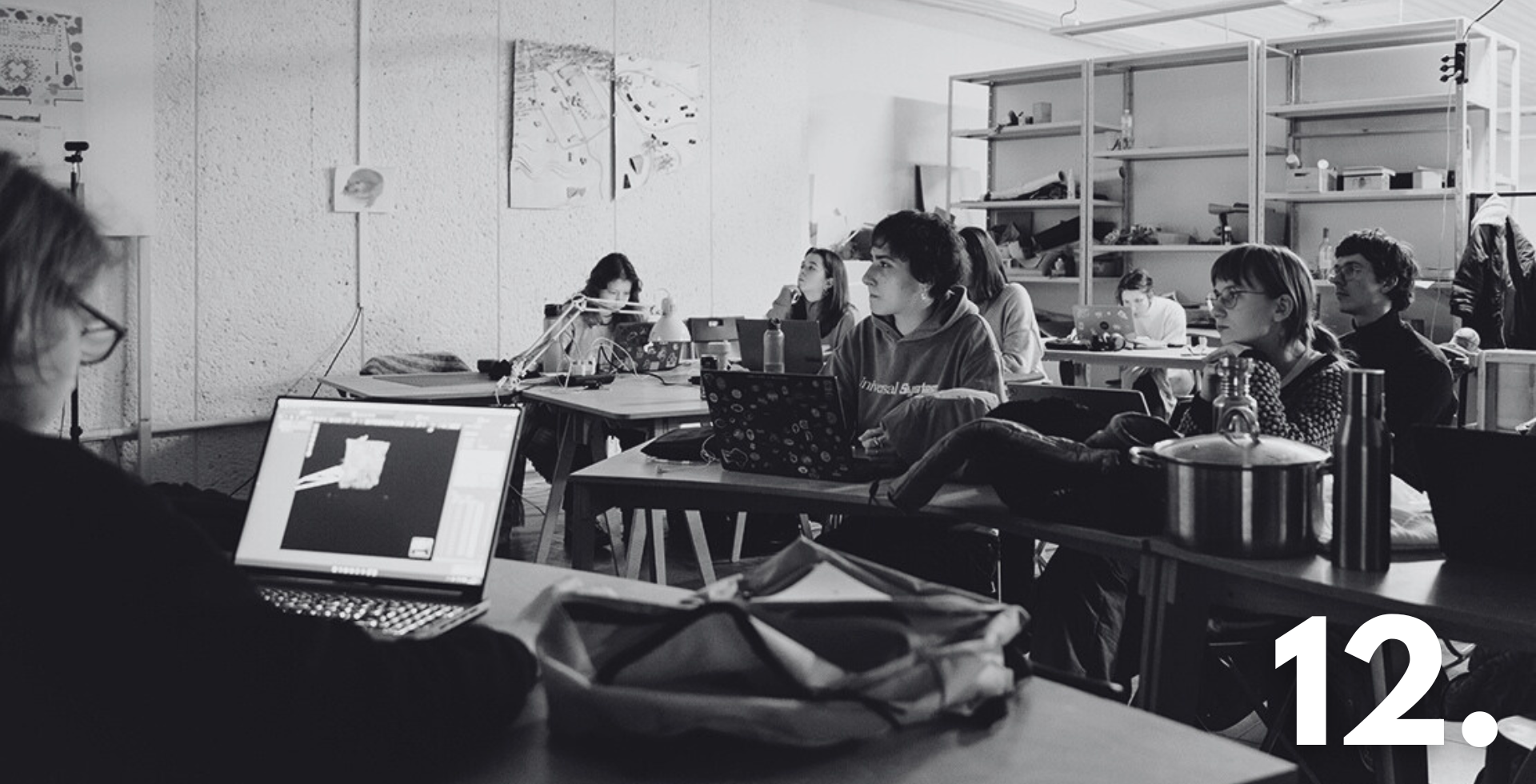
In Ukraine, HERITΛGE advanced critical work to protect architectural heritage threatened by war through the project Architectural Heritage Preservation in Times of War: The Ukrainian Model, delivered with the Kharkiv School of Architecture and 3D documentation specialists Skeiron. Launched in September 2024, the programme trained 30 students and 10 educators from across the country in cutting-edge documentation and conservation techniques—from photogrammetry and 3D laser scanning to international heritage standards—while providing hands-on field internships in Western Ukraine. Together, they created high-resolution digital records of 15 at-risk sites, safeguarding knowledge even as physical structures remain vulnerable. Through educator training and a series of public webinars, the project also planted the seeds for a new nationwide curriculum in architectural heritage preservation. Its impact extends far beyond a single academic year: it has built a cohort of young architects and teachers equipped with the skills, networks, and resolve to protect Ukraine’s cultural memory during conflict and beyond. Their work stands as a reminder that preserving heritage is not only an act of conservation, but an act of resilience and recovery.
13. New Projects for the Digital Transformation of Cultural Heritage
 In 2025, HERITΛGE became a consortium partner in two new projects funded under the EU’s Horizon Europe programme, both contributing to the ECHOES initiative and the development of the European Collaborative Cloud for Cultural Heritage (ECCCH). ECHOES aims to establish a shared digital infrastructure that brings together currently fragmented cultural heritage communities, offering access to data, advanced digital tools, scientific resources, and training materials developed collaboratively by heritage professionals and researchers. HERITΛGE participates in MusicSphere, a project dedicated to preserving and interpreting traditional musical organs—such as pipe organs and their ancient Greek counterpart, the hydraulis—through high-fidelity digital replicas, acoustic modelling, and immersive virtual and augmented reality experiences that capture both their physical structure and sonic interaction with architectural spaces. HERITΛGE is also a partner in EXCALIBUR, which focuses on burial sites, excavation contexts, artefacts, and human remains, developing human-centred, affordable digital twin technologies to support research, conservation, restoration, and museum interpretation. Together, these projects contribute to the long-term preservation, study, and public understanding of complex heritage assets, while ensuring that open, interoperable, and practitioner-driven tools are shared through the ECCCH platform for broad professional and societal impact.
HERITΛGE Highlights 2024
Training
HERITΛGE celebrated a record-breaking milestone in 2024, training over 1,000 heritage caretakers in a single year. Participants engaged in a wide range of programs, including three-day workshops conducted online and in person, two annual summer schools focusing on digital tools and community engagement, and specialized training tailored to specific regions, topics and organizations. These included programs on Street Art in The Gambia (which also produced a new mural for the country’s National Centre for the Arts and Culture), Heritage interpretation in Rwanda, Project Management for US Heritage Managers, and an introduction to Fundraising and Project Management in Iraq.
Heritage Threatened by Conflict, Natural Disasters, and Climate Change
HERITΛGE continued its mission to protect heritage at risk worldwide, strengthening existing partnerships and forging new ones. In Ukraine, the Digital Museum project that was funded by the Creative Europe’s Culture Helps initiative, trained museum professionals to use digital tools, ensuring operational continuity and community access during wartime. Simultaneously, the two-year Architecture in Times of War: The Ukrainian Model initiative – delivered in cooperation with the Kharkiv School of Architecture and Skeiron and the support of the US Embassy in Kyiv – is equipping students and educators with digital skills to document, preserve, and restore architectural heritage.
In Türkiye, HERITΛGE published comprehensive reports documenting historic sites affected by the February 2023 Türkiye-Syria earthquakes. These reports include protection recommendations and advocate for enhanced cultural heritage recovery in affected provinces. Meanwhile, in Pakistan, a new project launched to safeguard the early Buddhist heritage of the Swat Valley, an area under threat from conflict, climate change, and rapid development. In Yemen, efforts continued to preserve the unique earthen architecture of Shibam, a UNESCO World Heritage Site struggling under the weight of a decade-long civil war.
HERITΛGE in Africa
The HerMaP Africa initiative, generously supported by the Mellon Foundation, has delivered significant impact. Over 75 small heritage projects received funding, alongside the awarding of several fellowships and the training of more than 370 heritage managers in Ethiopia, Ghana, and Rwanda. New partnerships were also established to further these efforts. In The Gambia, HERITΛGE’s ongoing HerMaP Gambia initiative, co-funded by the European Union, provided training to enhance the country’s culture and tourism sectors. The program also facilitated a parliamentary delegation study tour in Greece and partnered with the NCAC to launch the country’s Intangible Cultural Heritage Register, a project supported by UNESCO.
Giving Heritage Managers New Tools
HERITΛGE made strides in empowering heritage managers with innovative tools and practices. The EU-funded SHIFT project advanced its work to make heritage more accessible and inclusive, with a consortium meeting and project presentation held in Athens. The AHEAD initiative, co-funded by the European Union’s Creative Europe program, introduced seminars (now available online) and launched a community-based artistic project in Crete, with similar activities planned for Italy and Spain. HERITΛGE also announced the launch of EMPATHS, a project designed to promote participatory heritage interpretation through new tools and training resources.
Creating Networks, Connecting Professionals
Collaboration and community-building remained central to HERITΛGE’s mission in 2024. The organization continued developing Greece’s Living Heritage Network, supported by the Ministry of Culture, with HERITΛGE actively contributing to its digital and physical infrastructure, member recruitment, and communications. Additionally, the newly established AHEAD Network brings together heritage managers and community members who share a vision of audience engagement and participation.
Knowledge Sharing
HERITΛGE emphasized the importance of knowledge-sharing through active participation in global events and publications. Director Dr. Evangelos Kyriakidis delivered a keynote at the Choc Des Legendes Conference in Ghana, held under the auspices of the country’s First Lady. The organization also sponsored PastForward 2024, the annual conference of the US National Trust for Historic Preservation. Other highlights included workshops and presentations at the 30th Annual Meeting of the European Association of Archaeologists and the ReImagining Public Collections conference in Hungary.
HERITΛGE contributed to a Horizon Europe-funded policy brief on digital cultural heritage and shared expertise through webinars, seminars, and public lectures. Notable online resources include audience development webinars from the AHEAD initiative and webinars on architectural preservation in Ukraine.
1st Global Staff Summit
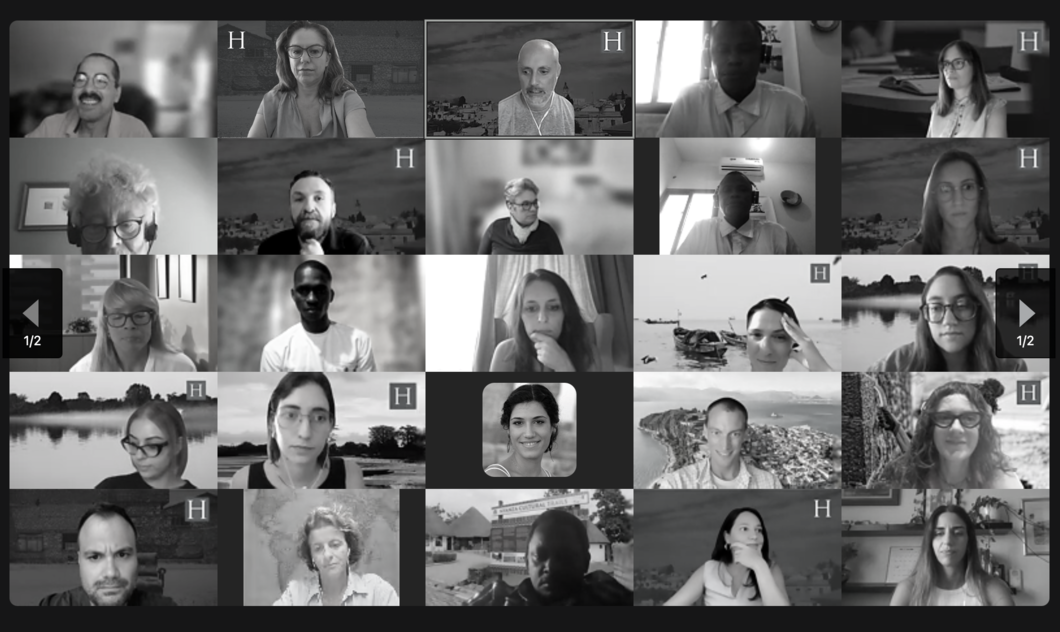
Reflecting the growth in HERITΛGE’s activities and team, the organization hosted its inaugural Global Staff Summit in September. This online event brought together staff working in Africa, Asia, Europe and the Americas , marking the beginning of an annual tradition to foster collaboration and alignment across our expanding network.
New SHIFT publications
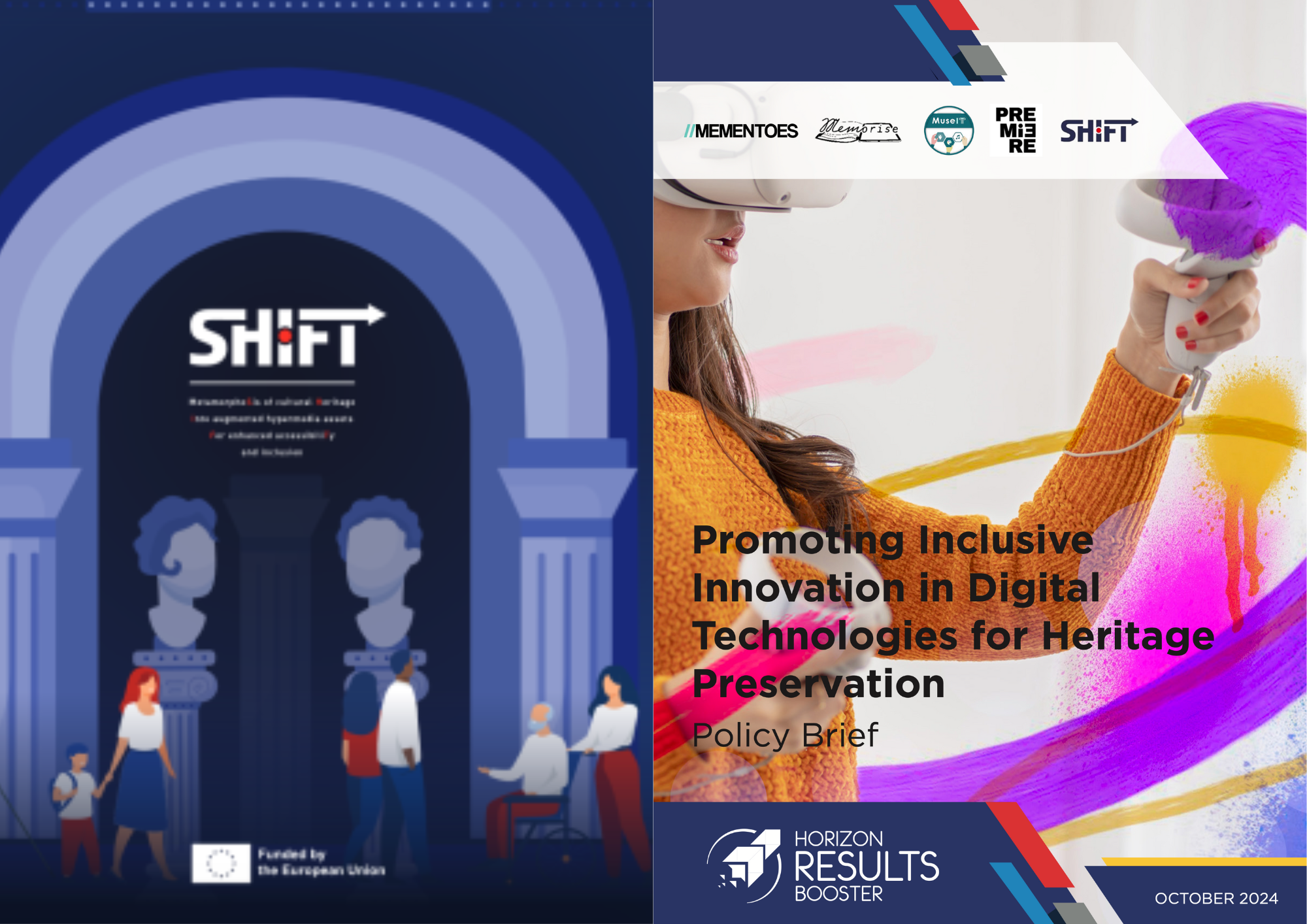
HERITΛGE is proud to be part of the SHIFT project, collaborating with 12 partners, including heritage organizations, universities, research centers, and private businesses. Together, we aim to make cultural heritage more accessible, inclusive, and engaging by leveraging cutting-edge technologies such as artificial intelligence, machine learning, and haptics.
This year, the project has delivered two important publications, both available for free download:
Inclusion in Museums: A Collection of Best Practices
Produced by the Balkan Museum Network (BMN), this e-book showcases best practices for fostering inclusion in museums across the Balkans. The publication features insights from heritage experts on implementing inclusive strategies, highlighting successes, identifying challenges, and outlining steps for future progress. An audiobook version will be available soon.
Promoting Inclusive Innovation in Digital Technologies for Heritage Preservation
SHIFT, along with four sister projects funded under Horizon Europe’s 2021 call for proposals (Cluster 2: Culture, Creativity & Inclusive Society), has released a collaborative policy brief. This document provides actionable recommendations for policymakers to address expertise gaps, enhance digital education, and promote inclusion within the cultural heritage sector. Download the policy brief to learn more.
SHIFT is funded under the European Union’s Horizon Europe program, Cluster 2: “Culture, Creativity & Inclusive Society,” which focuses on innovative research in European cultural heritage and the cultural and creative industries.
Stay tuned for more SHIFT updates and developments in 2025!

SHIFT Consortium Advances Cultural Heritage Accessibility: Highlights from Athens Event
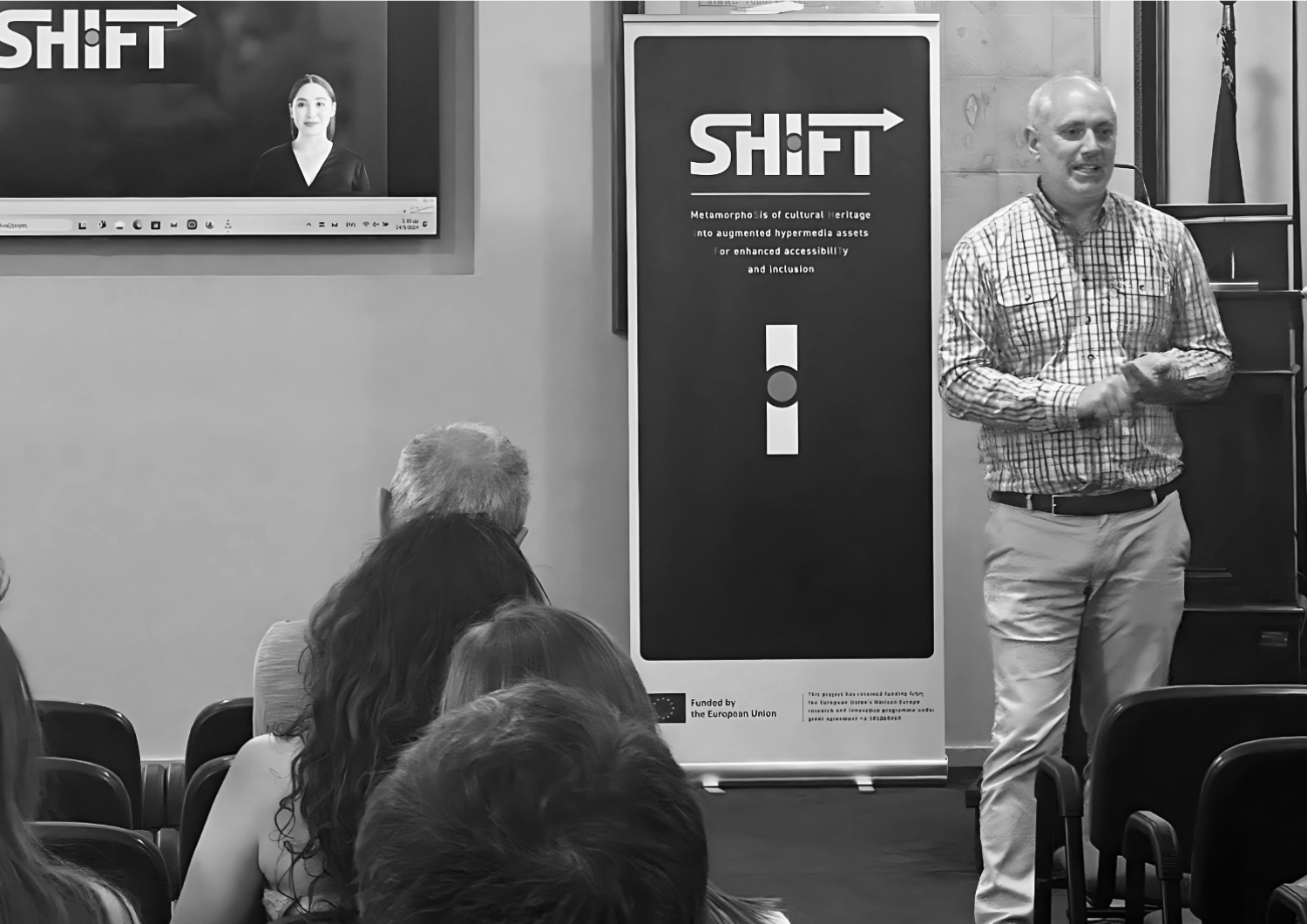
The HERITΛGE team was very happy to host our colleagues from the SHIFT project Consortium in Athens last week to discuss progress made and the next steps the consortium will take in its work to make cultural heritage more accessible, inclusive and appealing for all. The consortiun also presented the project which is funded by the European Union’s Horizon Europe program, to a select group of heritage professionals, policy makers, and stakeholders on Friday May 24th, during an event at the Athenian Museum.
HERITΛGE’s director, Dr. Evangelos Kyriakidis, opened the event, underlining the significance of the project: “We are very proud of the Organization’s participation in the SHIFT program and happy to be able to present here in Athens the first samples of the partner’s work with the aim of making cultural heritage more accessible, inclusive and attractive,” Kyriakidis said.
Razvan Purcarea from project coordinator SIMAVI briefly presented the project with help from representatives from Queen Mary University of London, the Technical University of Munich, the Foundation for Research and Technology (FORTH), and the technology company audEERING, all members of the SHIFT consortium. During the event, Dr. Angelos Giokas from the Athena Research Center gave a brief presentation of PREMIERE, a project for accessibility and inclusion in the performing arts, which is also funded by the European Union’s Horizon Europe program.
Learn more about SHIFT: https://shift-europe.eu/
Europe’s Common Data Space for Cultural Heritage
By Rob Davies
The European Strategy for data focuses on putting people first in developing technology and defending and promoting European values and rights in the digital world. Data is seen as an essential resource for economic growth, competitiveness, innovation, job creation and societal progress in general. The aim is to create a single market for data that will ensure Europe’s global competitiveness and data sovereignty.
Common European data spaces will be developed and funded in key strategy sectors and areas of public interest, such as health, agriculture or manufacturing. They are intended to ensure that more data becomes available for use in the economy and society, while keeping the companies and individuals who generate the data in control. Data driven applications will benefit citizens and businesses in many ways such as improved health care, safer and cleaner transport systems, lower cost public services, improved sustainability and energy efficiency, more business innovation and by generating new products and services.
The plan is to adopt legislative measures on data governance, access and reuse, e.g. for business-to-government data sharing for the public interest. And to make data more widely available by opening up high value publicly held datasets across the EU and allowing their reuse for free. A big investment in data processing infrastructures, data sharing tools, architectures and governance mechanisms. Thriving data sharing and federated energy-efficient and trustworthy cloud infrastructures and related services.
Among the 14 data spaces initially envisaged, The European Commission has published a recommendation on a common European data space for cultural heritage. The aim is to accelerate the digitisation of cultural heritage assets like cultural heritage monuments and sites, objects and artefacts for future generations, to protect and preserve those at risk, and boost their reuse in domains such as education, sustainable tourism and cultural creative sectors.
Currently cultural tourism represents up to 40% of all tourism in Europe, cultural and creative industries contribute 3.95% of total EU value added (€477 billion) and more than 8 million people are employed within them, through 1.2 million firms – 99.9% of which are SMEs; Member States are encouraged to digitise by 2030 all monuments and sites that are at risk of degradation and half of those highly frequented by tourists. This will contribute to the objectives of the Digital Decade by fostering a secure and sustainable digital infrastructure, digital skills and uptake of technologies by businesses, in particular SMEs.
Europeana, the European digital cultural platform, will be at the basis for building the common data space for cultural heritage by allowing museums, galleries, libraries and archives across Europe to share and reuse the digitised cultural heritage images such as 3D models of historical sites and high quality scans of paintings. Europeana currently offers access to 52 million cultural heritage assets, 45% of which can be reused in various sectors. Images and text make up 97.5% of Europeana’s assets, with only 2.47% audiovisual content and 0.03% in 3D. The collection of 3D assets in particular should see a massive boost, thanks to this latest initiative.
It is envisaged that the common data space for cultural heritage will include a wider variety of data types than the current digital content of Europeana. While these are still to be fully defined, they might be about any aspect of tangible or intangible Cultural Heritage – its creation, description, storage, presentation/performance, transmission, access, preservation, reuse, rights etc.- or possibly even more widely drawn from across the whole spectrum of cultural activity, including data coming from scientific or other fields which eventually constitutes our heritage.
Alongside this, the European collaborative cloud on cultural heritage (ECCCH) is a European Union initiative for a digital infrastructure that will connect cultural heritage institutions and professionals across the EU. It is intended to help protect European cultural heritage while answering to the new requirements of a digitized world. In doing that, it will provide practical benefits to all cultural heritage professionals and museums, developing specific digital collaborative tools for the sector while removing barriers for smaller and remote institutions. The goal is to help cultural heritage institutions, research organisations and other professionals of all sizes and types work with their digital objects in a more visible, interconnected, harmonised, and informed way, allowing them to successfully cope with the challenges the digital transition poses to the sector.
The ECCCH, funded by Horizon Europe, will aim to add a new digital dimension to cultural heritage preservation, conservation, restoration and enhancement by providing cutting-edge technologies for digitising artefacts and researching artworks, paving the way for new transdisciplinary collaboration in the field of cultural heritage, bringing together specialists from a range of disciplines, including scholars, curators, archivists, and conservators.
This ambitious project for a new cutting-edge platform will work in tandem with other European initiatives, such as Europeana and the common European dataspace for cultural heritage, to add a new dimension to the way we approach, conserve and enhance our shared cultural heritage. As part of the ECCCH, two calls for proposals were open until September 2023 to fund. projects which will contribute to setting up the foundations of ECCCH. With an envisaged budget of €110 million until 2025 from Horizon Europe, the ECCCH will be a unique infrastructure that will enable unprecedented transdisciplinary and large-scale collaboration between specialists.
*Rob Davies is HERITΛGE’s Head of European Programs and Chair of the Management Board of the Europeana Network Association (ENA).
*HERITΛGE offers a number of training opportunities on Digital Tools for Cultural Heritage. These include a 3-day workshop, a summer field school, and a credit bearing Certificate in cooperation with HOGENT University.
- 1
- 2