Community engagement is a mainstay in the public programs of heritage institutions worldwide. A variety of methods and good practices have been developed to successfully engage the bewildering variety of communities and publics that such institutions address. Still, the uncritical application of “toolkits” for effective engagement is perhaps not the ethically appropriate way to incorporate cultural differences in the field. In this hybrid (physical/online) program, we aim to develop a different approach to community engagement, that is based on social and artistic research with community-led initiatives. Research-led practice can lead to exhibition design and collaborative actions that are better suited to the cultural and social particularities of each milieu and each specific group or community and its relation to others. This course draws from our long experience with community engagement through heritage and will discuss several examples from our own and other work.
This immersive summer school program was designed to combine theoretical learning with practical application.
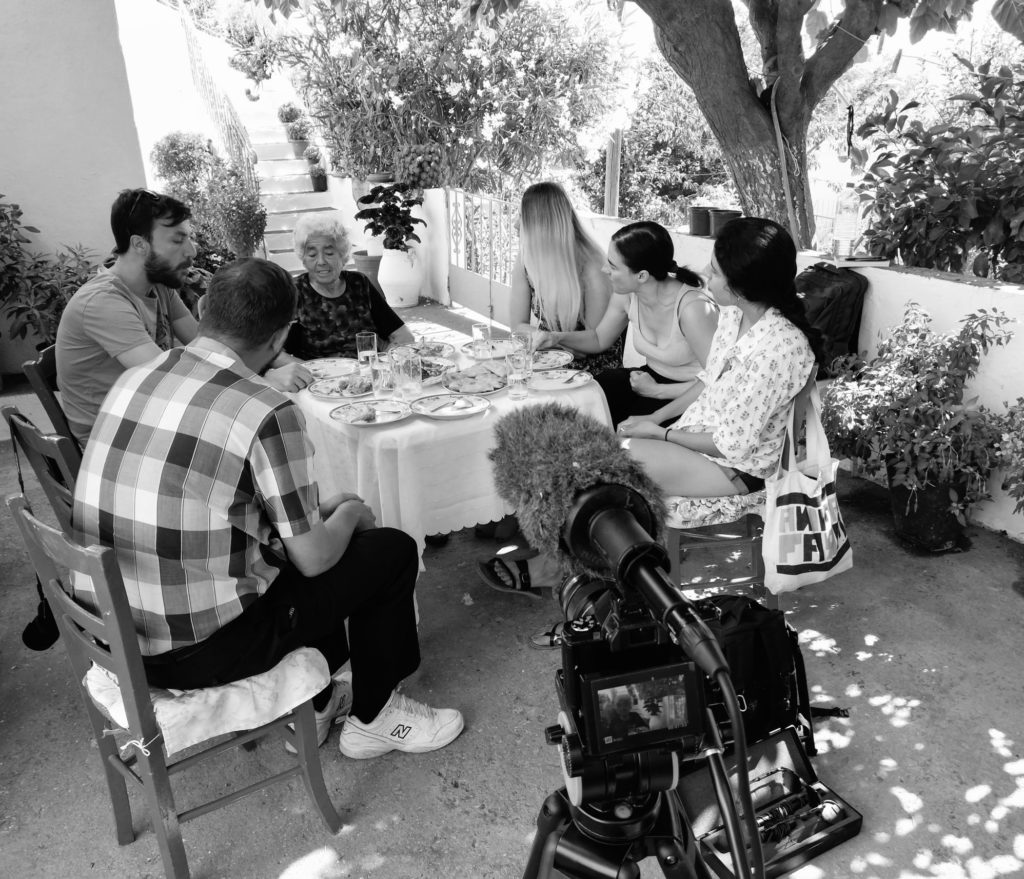
During the course, participants will familiarize themselves with the context of community engagement through heritage, will discuss methodologies based on ethnography and oral history, will engage in practical exercises, and will be called to produce multimedia content based on interviews conducted with the guidance of the instructors.
Participants will take part in a three-week fieldschool, starting with one week of online instruction focused on the theoretical foundations of community engagement. Following this, they will apply the methodology designed to support ethnographic research in a real-world setting.
Participants will engage directly with the local community and its key stakeholders, including representatives from cultural initiatives, institutions, organizations, and independent actors who play a vital role in preserving local culture. These meaningful interactions, facilitated by trainers with expertise in research and socio-economic contexts, will offer participants a deep experience and greatly enrich the ethnographic outcomes of the summer school.
Summer School on Engaging Communities in Paros
Paros is an island at the forefront of touristic development in Greece. Several features in the international press present it as an island paradise and a coveted destination for discerning vacationers. The heritage of the place is similarly transformed through tourism into an internationally recognized brand. Marketed as a relaxed backwater of the Aegean sea, Paros is conversely at the forefront of action and discussion on many contemporary issues: the use and control of natural resources and commons, the impacts of branding and touristic development on local identity and local places, the pressures from climate change, overtourism, the loss of its productive base. At the same time, Paros is a place with a particularly active local population in terms of heritage management and cultural heritage at large: a variety of organizations, networks, associations, initiatives, festivals, groups and individuals that mobilise to highlight, protect and make relevant the island’s cultural heritage resources. It is a working model for both a formal and organizational inventiveness as well as the continuous reworking of heritage into the vibrant cosmopolitanism of the island. As such, Paros is an incredible case study for heritage managers who want to experience first hand how a local place responds to global pressures through heritage.
A summer school on the island of Paros offers a unique opportunity to explore the evolving relationship between heritage, tourism, and local activists in situ and in real time.
It is a hands-on, immersive experience that invites participants to observe and research how local communities navigate the complex balance between identity, development, and sustainability. Through direct engagement with local stakeholders, participants will examine collaborative models of heritage management and governance, and critically reflect on the role of heritage as a catalyst for inclusive and resilient futures.
Paros is both a challenge and an inspiration, a living example of how the future of heritage is being actively debated, shaped, and lived.