
A truly global cohort: our first Engaging Communities Winter School
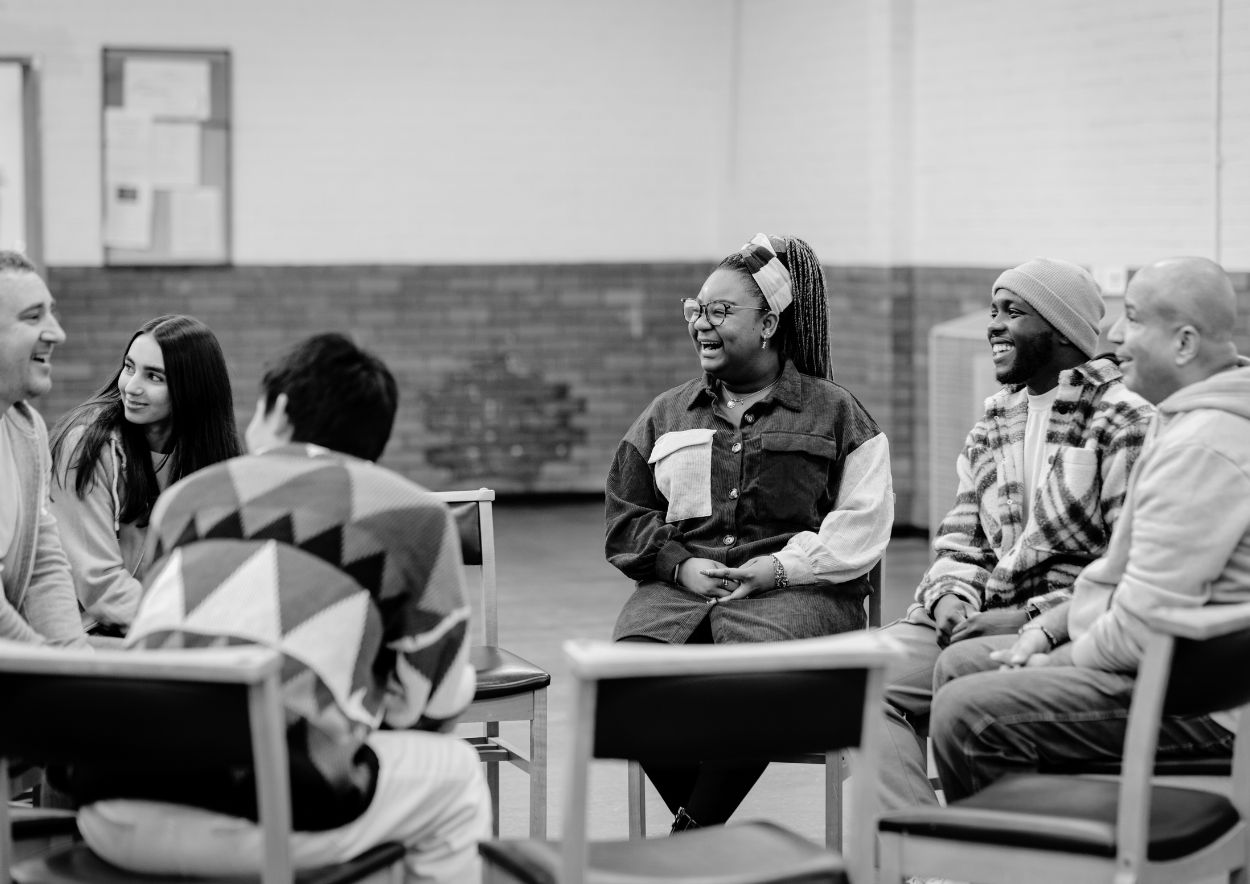
From 26 January to 8 February 2026, the Heritage Management Organization (HERITΛGE) held the first edition of its Winter School on Engaging Communities in Cultural Heritage, an intensive online training programme designed for heritage professionals seeking a deeper understanding of participatory approaches to heritage management.
The new Winter School builds on HERITΛGE’s well-established training formats, complementing its introductory 3-6 day workshops and the immersive summer field school. Together, these programmes form a progressive training pathway that allows professionals to engage with community-centred heritage practices at different levels and formats.
As Foteini Giannoulidi, head of HERITΛGE’s Educational Department, explains:
“Our proudly launched Winter School serves as an intermediate training program between our workshops and our intensive Summer Field School. It is designed for heritage managers who seek a profound approach to community engagement in a remote format, offering the opportunity to complete an extensive, in-depth training program.”
Community engagement has become one of the most dynamic and transformative areas in heritage management. Around the world, museums, archives, cultural institutions, and local organizations increasingly recognize that meaningful engagement cannot rely on generic “toolkits.”
Sustainable and ethical collaboration requires sensitivity to local contexts, awareness of community values, and approaches grounded in shared authority and co-creation.
The Winter School embraced this perspective, offering a research-led and community-centred framework shaped by HERITΛGE’s extensive practical experience across Europe, Africa, and other regions.
Participants explored both conceptual and practical aspects of community engagement, including principles and ethics of participatory heritage work, applied ethnography and long-distance interviewing, digital documentation of personal and material heritage, collaborative storytelling and interpretive planning, and the role of festivals, artistic practices, and community initiatives as platforms for participation and representation.
A Truly Global Cohort
The first edition of the Winter School brought together 20 participants from 16 countries across four continents — Africa, Europe, Asia, and South America.
This international mix created a rich learning environment in which participants shared experiences from diverse heritage contexts, institutions, and communities.
The programme was taught by HERITΛGE’s Dr Aris Anagnostopoulos and Dr Lena Stefanou with contributions from Dr Evangelos Kyriakidis, Director of HERITΛGE.
Participants also benefited from insights from our keynote speaker, Tracii Kwaai, a sixth-generation Kalk Bay fisher child from South Africa. Tracey’s Fisher Child project has received one of our Small Grants for African Heritage. Tracii is a story keeper, ocean historian, and social and ecological activist. Her work explores belonging and community through the voices of local fisher and other displaced Kalk Bay communities.
In addition, several heritage professionals who had previously participated in HERITΛGE training programmes joined the Winter School as interviewees, sharing their experiences of applying participatory methods in their own work. These included:
- Anaclet Karangwa, Founder and Executive Director of IVOMO, Rwanda
- Vitalice Ochieng, Senior Programme Manager at the Trust for Indigenous Culture and Health (TICAH), Kenya
- Dr Habab Idriss Ahmed, Senior Antiquities Inspector at the National Corporation for Antiquities and Museums, Sudan
- Mohammed Ali Mwenje, Cultural Heritage Practitioner at the Lamu World Heritage Site and Conservation Office / National Museums of Kenya, Kenya