
: HerMaP Gambia
“Engaging Communities Cultural Heritage” in The Gambia
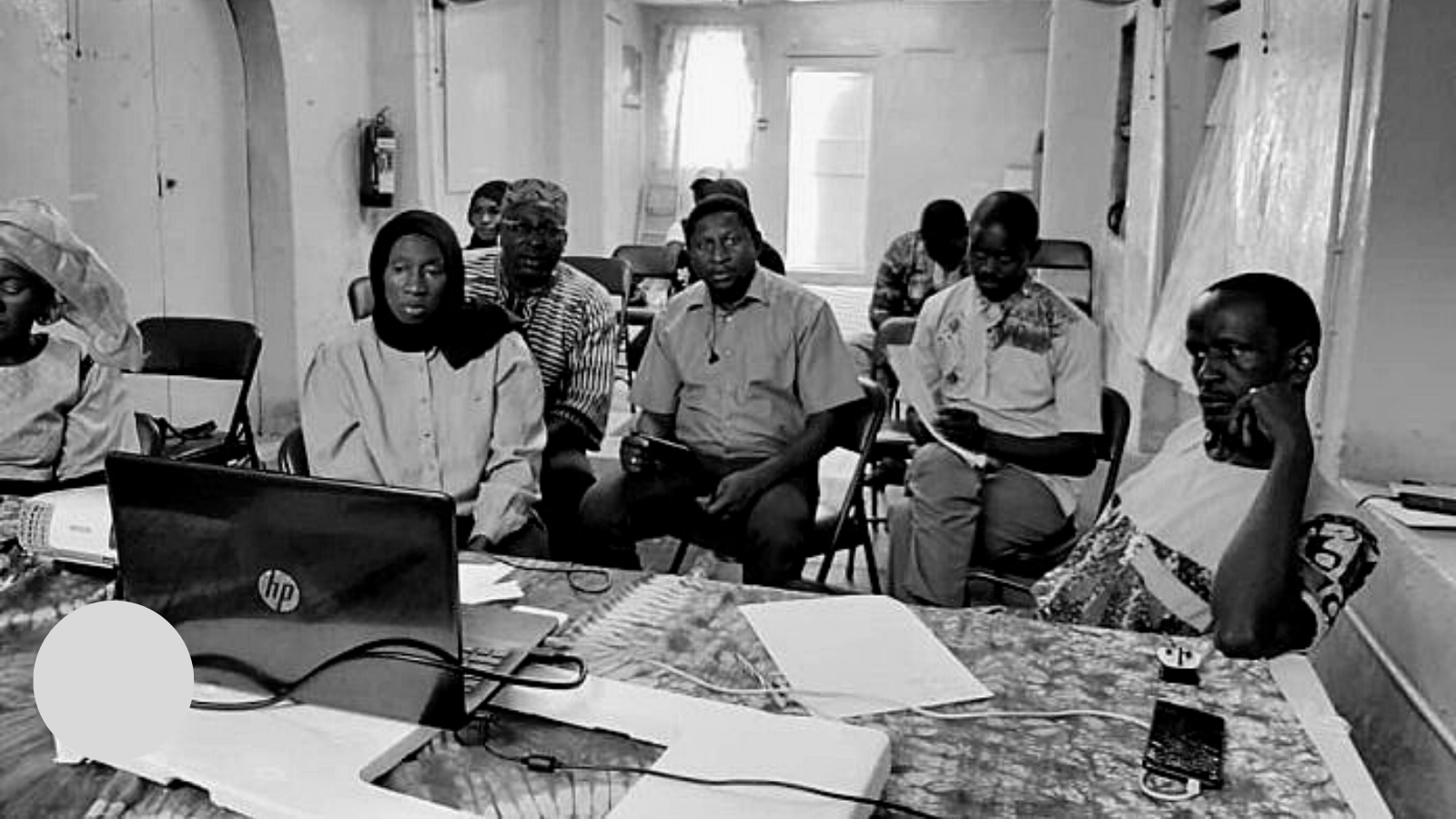
On World African Heritage Day, the Heritage Management Organization is happy to announce that 41 heritage and cultural managers in Banjul, Barra and Janjanbureh attended its 3-day “Engaging Communities in Cultural Heritage” workshops.
“This workshop addresses the needs of the country’s heritage organizations and local groups as they themselves set them out in a survey we conducted to establish the sector’s specific training needs. As a result, we are delighted to be offering this workshop and to be working with multiple and very diverse stakeholders including the NCAC, Banjul, Janjanbureh, Lower Niumi, and Basse local communities, as well as the festival committees of Barra and Janjanbureh, tour guide groups and local heritage-related business managers,” said Evangelos Kyriakidis, the Heritage Organization’s Director.
The workshops, which are held online, are part of the Heritage Management Organization’s “HerMaP Gambia” program, which aims to develop the business skills of heritage and cultural managers working for civil society organizations in The Gambia. The aim is to enable them to establish and better support heritage and cultural enterprises. It is hoped that supporting enterprise-building based on the Gambia’s cultural heritage will promote greater community solidarity and eventually provide opportunities that will help reduce the number of people being lost to The Gambia through brain drain.
“The HerMaP project is a unique opportunity for us to engage with the incredibly diverse heritage sector of the Gambia, a country extremely rich in traditions, oral history, poetry, song, and dance among others. It is extremely encouraging to see the engagement of the Gambian stakeholders who ultimately will have ownership of this program. It is here important to thank all stakeholders in this program, and the European Commission for making it possible,” Kyriakidis added.
During the workshop, which was held online, participants familiarized themselves with the context of community engagement through heritage, the importance of values in community initiatives, discussed methodologies based on ethnography and oral history, and engaged in practical exercises aimed at understanding the communities they work with and producing multimedia content with the guidance of the instructors.
“We need to redouble our efforts at proper management of our cultural heritage. This will enable our younger generation to benefit from it since it will also promote tourism’’, said Saloum Sheriff Janko program manager Artists in Alliance for Arts and Culture.
The project is co-funded by the European Union with some funding partly matched by the UN Economic Commission for Africa. It is being realized in partnership with the National Centre for Arts and Culture.

HerMaP Gambia: the project so far

“HerMaP Gambia” aims to strengthen CSOs as partners and stakeholders in promoting social development, inclusive and sustainable growth in the cultural and creative industries and develop the business skills of heritage and cultural managers in order to achieve greater community solidarity and reduce the number of people being “lost” through ‘irregular migration’.
In order to address the potential for The Gambia’s cultural heritage to support social and economic development to foster job creation and mitigate irregular migration, the Action is focusing on building the skills and capacities of local partners through a program of training for Gambian cultural heritage professionals and others delivered by international experts, supported by the training of these professionals to act as trainers so that this knowledge transfer can then be replicated and delivered across the country and to the local level.
This will lead to more engagement with the importance, and techniques of cultural heritage management, and this will be specifically applied to develop support for a sustainable cultural tourism industry. Activities delivered under the Action will not only encourage, but actively require the development of new partnerships to share responsibilities between community organizations, SMEs, CSOs, local authorities and municipalities in the promotion of inclusive and sustainable economic growth.
The whole project intends to support adaptive engagement with heritage which can generate various spill- over benefits not only on the architecture or revalorization of these sites but also at management, operational and, possibly, cultural production level (e.g. when organizing festivals). Whilst local specificities of Gambian heritage sites will be enhanced through training, the project will also explore adaptive engagement by encouraging participatory approaches within heritage – such as direct links to heritage handicrafts, music and sport – specifically Gambian wrestling, which is as much a cultural activity as it is a sport.
The Action will be delivered over 48 months (September 2020 – August 2024).
During the first year HERITΛGE in collaboration with local stakeholders and partners are devoted to undertake a Heritage Workforce Mapping exercise, and its results are expected to be gathered and evaluated by the end of summer 2021. This useful information will help the detailed planning and development of the training curriculum for The Gambia.
The project is co-funded by the European Union.
Closing the back way – Heritage management and migration in The Gambia
The case
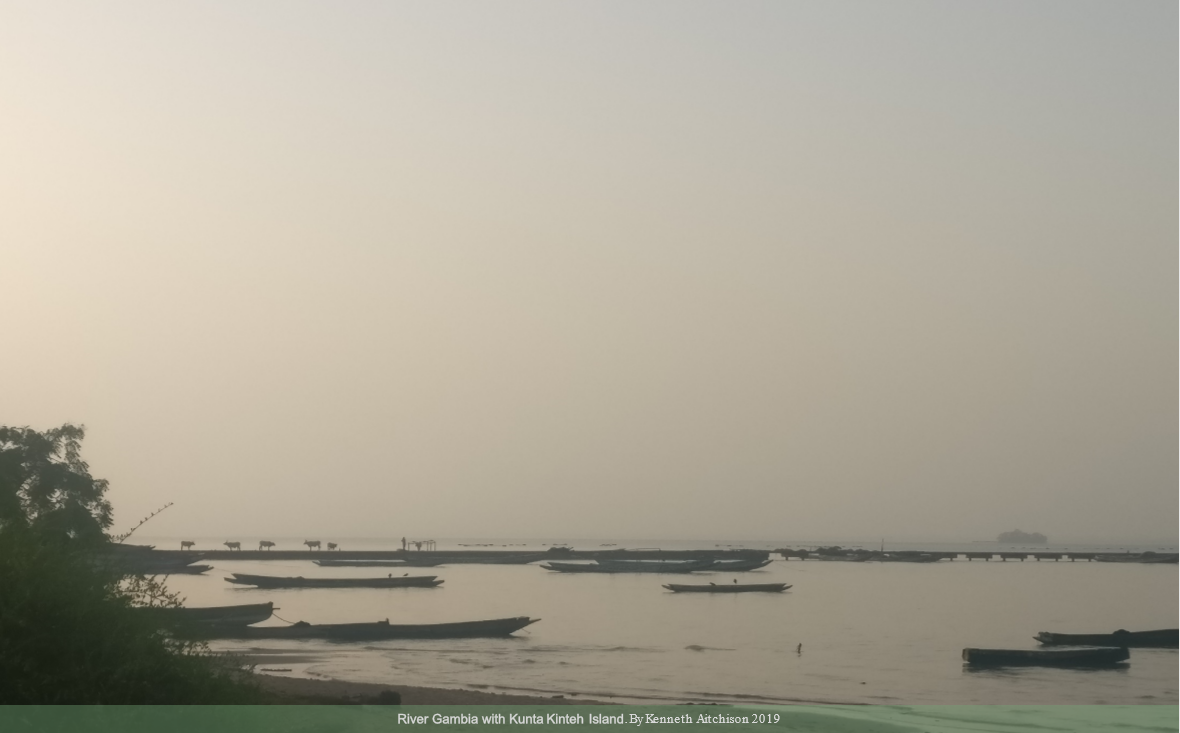
There are currently no professional archaeologists in The Gambia. By area, it is the smallest country in mainland Africa, less than 50km wide at its widest point and extending 320km from the Atlantic ocean along the River Gambia, and surrounded on three sides by Senegal.The country’s economy relies heavily on tourism, and most tourists travel to, and stay at, beachside hotels in the area of the capital, greater Banjul, with few exploring the country up-river.

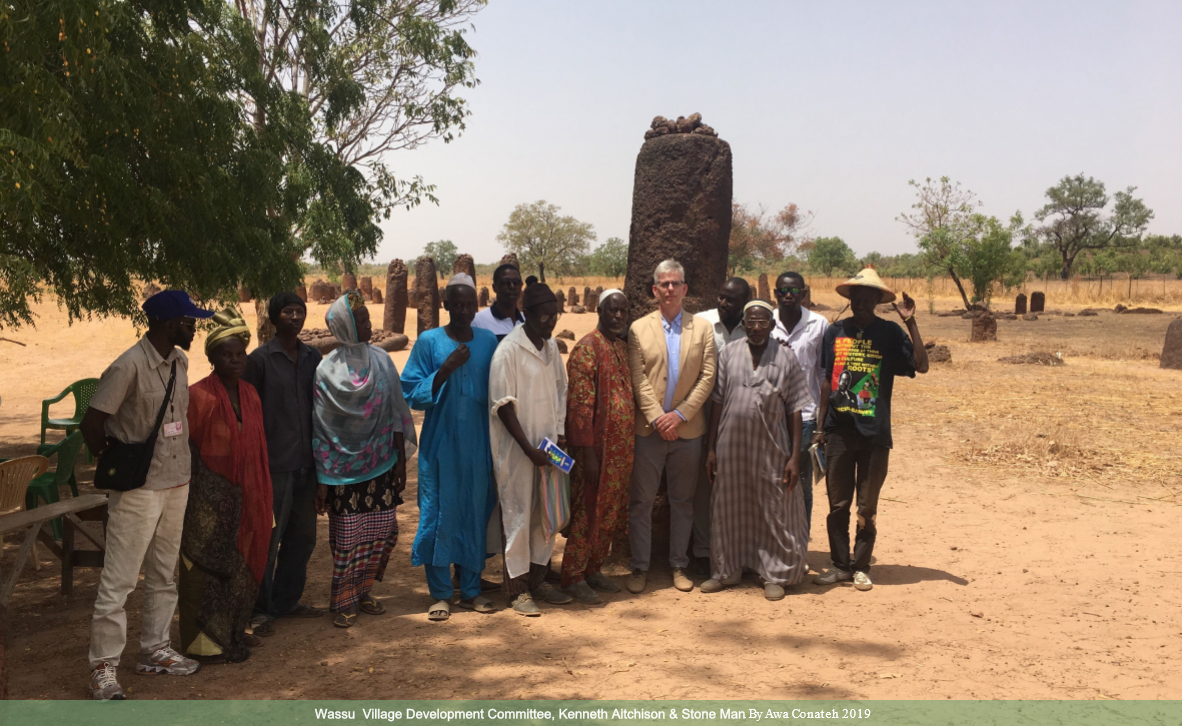
There are two World Heritage Sites in The Gambia; Kunta Kinteh island and related sites, whose significance derives from their role in the Atlantic slave trade (and its abolition), and the Stone Circles of Senegambia. For a time, there was significant heritage-focussed tourism in The Gambia relating to human enslavement – this followed the 1976 publication of Roots by Alex Haley; the protagonist of the book, Kunta Kinteh, was a young man in The Gambia when he was enslaved. In the 21st century, this has declined as a driver of tourism. Typically, heritage sites and attractions are run by local village development committees, and are not managed to maximise economic or social value.
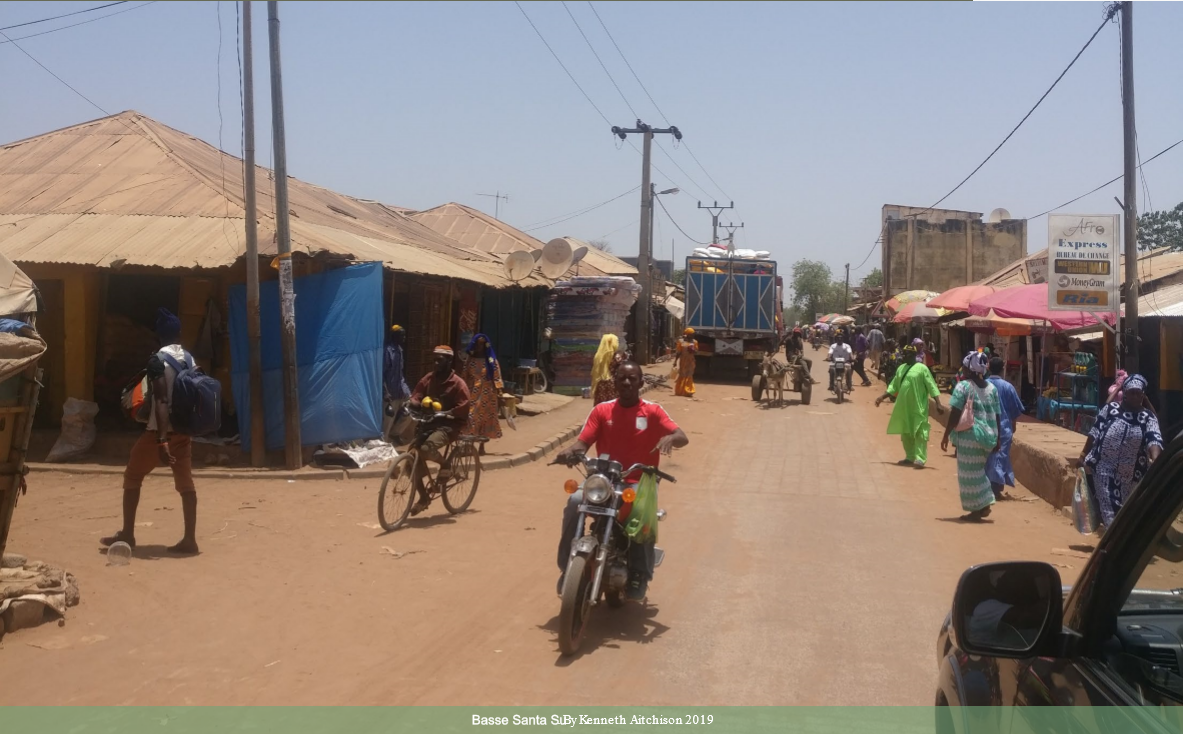
Basse Santa Su is the most easterly significant town (furthest up river) in The Gambia, a day’s drive from Banjul. Three bus companies in Basse Santa Su compete to sell tickets on international buses. The bus to Ouagadougou, in Burkina Faso, takes about four days, and costs 60,000 Dalasi (the equivalent of nearly £1,000). That is more than twice the average national salary.
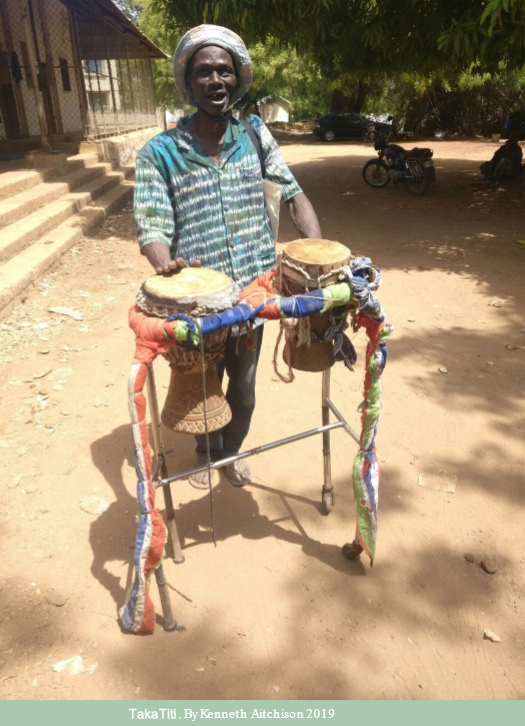
Heritage management in The Gambia is rarely delivered through an Authorised Heritage Discourse – it comes from many individual or group voices; Taka Tiki is a teller of stories, legends and tall tales in the town of Janjanbureh, while Jaliba Kuyateh is the world’s greatest kora player. Both can be considered to be griots, repositories of oral traditions and intangible heritage.

Before 2011, remittances from Gambians working in other countries – primarily young men working in the oil fields in Libya – were a significant component in the Gambian economy. But that was brought to an end by the 2011 Libyan civil war. Tourism remained a significant economic driver in The Gambia, but the 2014 Ebola outbreak in Guinea / Sierra Leone / Liberia affected Gambian tourism badly (despite there being no cases of Ebola in The Gambia, and the outbreak areas in Guinea being hundreds of kilometres away).
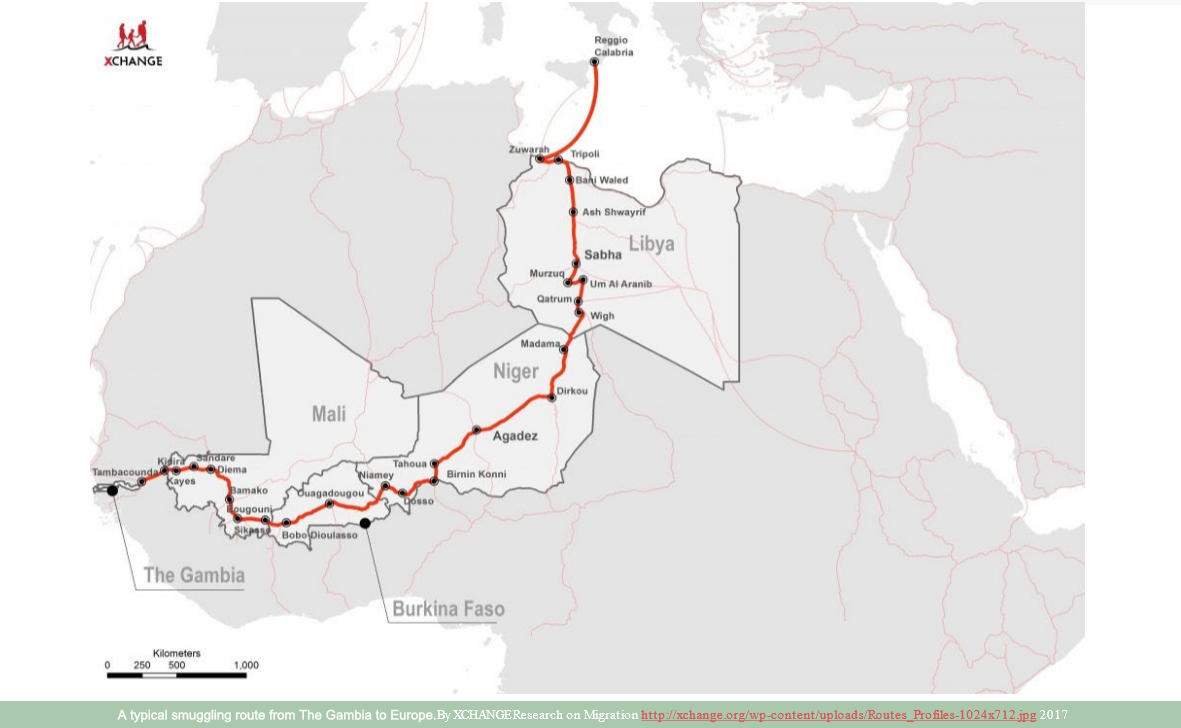
And so many people turned to the back way. Some villages lost a third of their population (almost all young people, particularly but not exclusively young men). And a quarter of those trying to go the back way died.
The political context also has affected the economic decisions people have made. From independence, President Jawara led the country from 1970-1994. He was deposed in a bloodless coup by Colonel Jammeh 1994, who suspended or suppressed democratic institutions and then ruled as President Jammeh from 1996-2017.

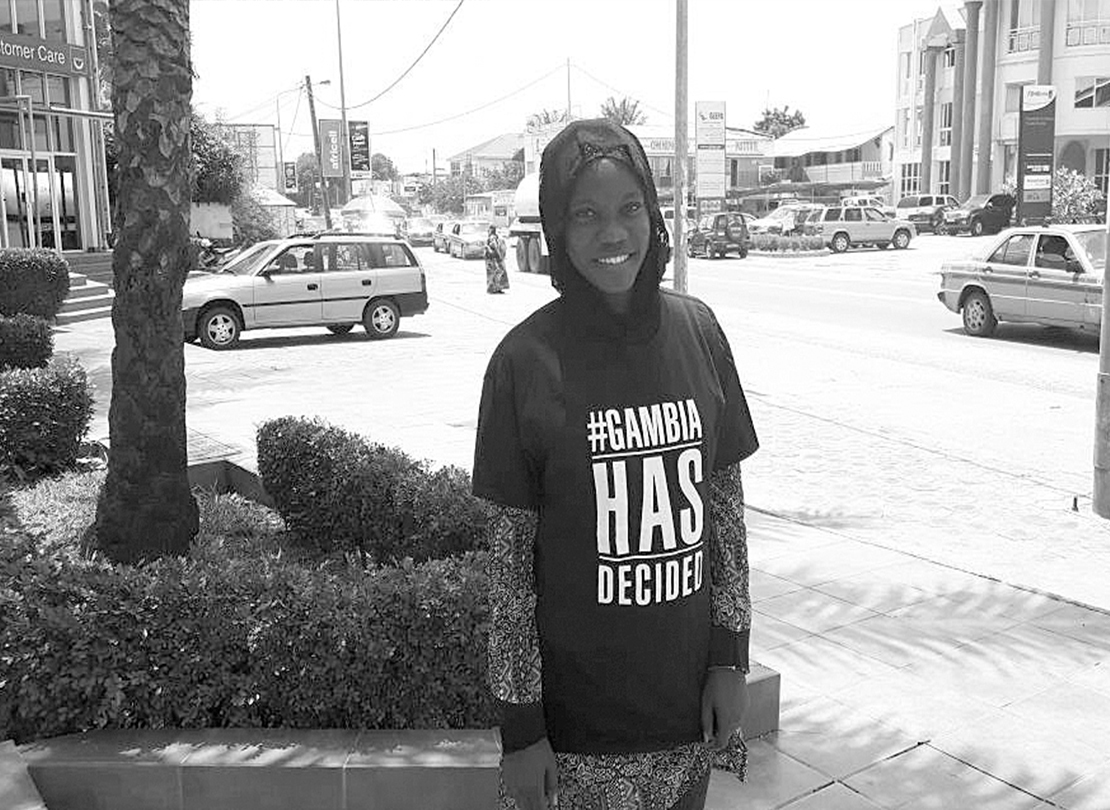
But presidential elections were still held – and Jammeh unexpectedly lost the election in 2016, and reluctantly left power (and the country) in 2017 – #Gambiahasdecided was the hashtag that commemorated the election of President Barrow.
The project
With the return to democracy, the European Union is able to actively engage with the Gambian government, and to work with them to support to actively promote ways to create better economic opportunities, especially outside Greater Banjul (where there is tourism).
HERITΛGE, the Heritage Management Organization, Kent’s School of European Culture and Languages’ Impact Project, have been informed that will get funding from the European Commission’s EuropeAid Fund to carry out work in The Gambia. The European Commission’s funding will cover 75% of the project costs, with the expectation that this will then be able to leverage support from other sources.
The project intends to develop the business skills of heritage and cultural managers working for civil society organisations in The Gambia, outside of the capital Banjul, to establish and support better heritage and cultural enterprises that result in greater community solidarity and by doing so reducing the number of people being lost to The Gambia through ‘irregular migration’.
The project will also deliver training in business & management skills for heritage and traditional cultural workers – in areas where there are distinctively Gambian traditions, such as weaving, leatherwork, music or even wrestling.
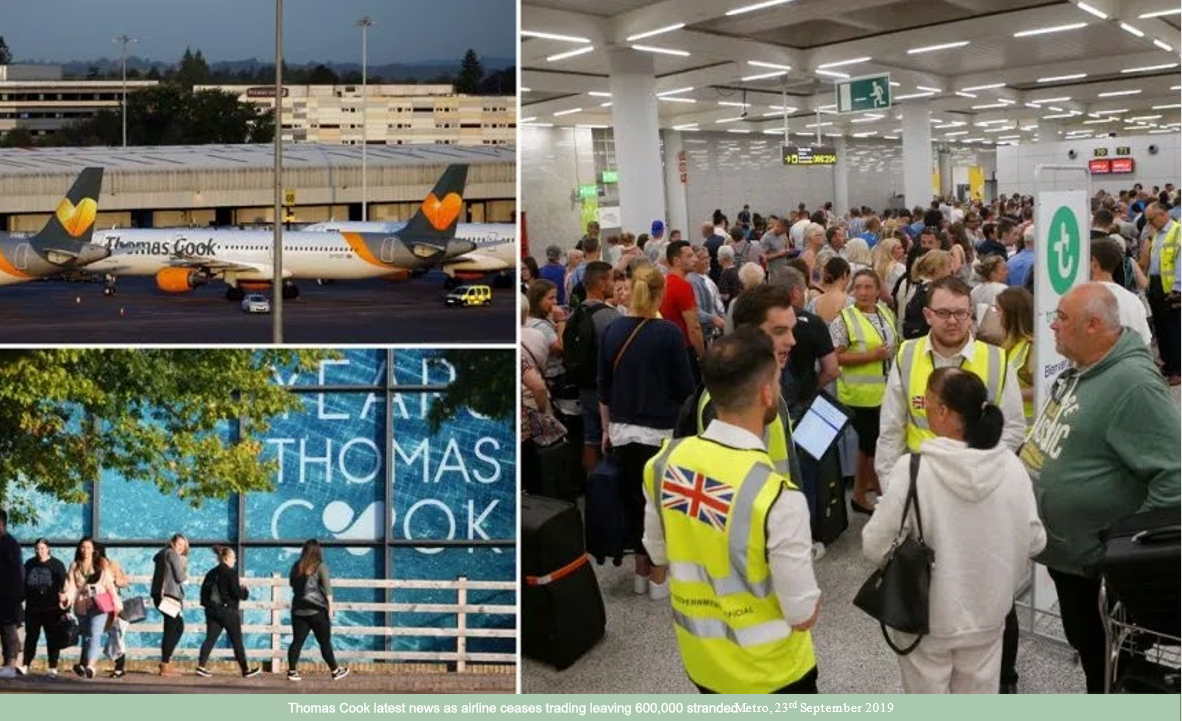
After the project proposal had been received by the European Commission, there was another blow to the Gambian economy. Thomas Cook had brought in 40-45% of tourists to The Gambia. With tourism contributes 20% of GDP, Thomas Cook therefore brought in 8-9% of GDP – and the company collapsed just at the end of the rains and the start of the tourist season.
*The project is co-funded by the European Union.