
: News
Celebrating European Heritage Days at the RCH launch in Marseille
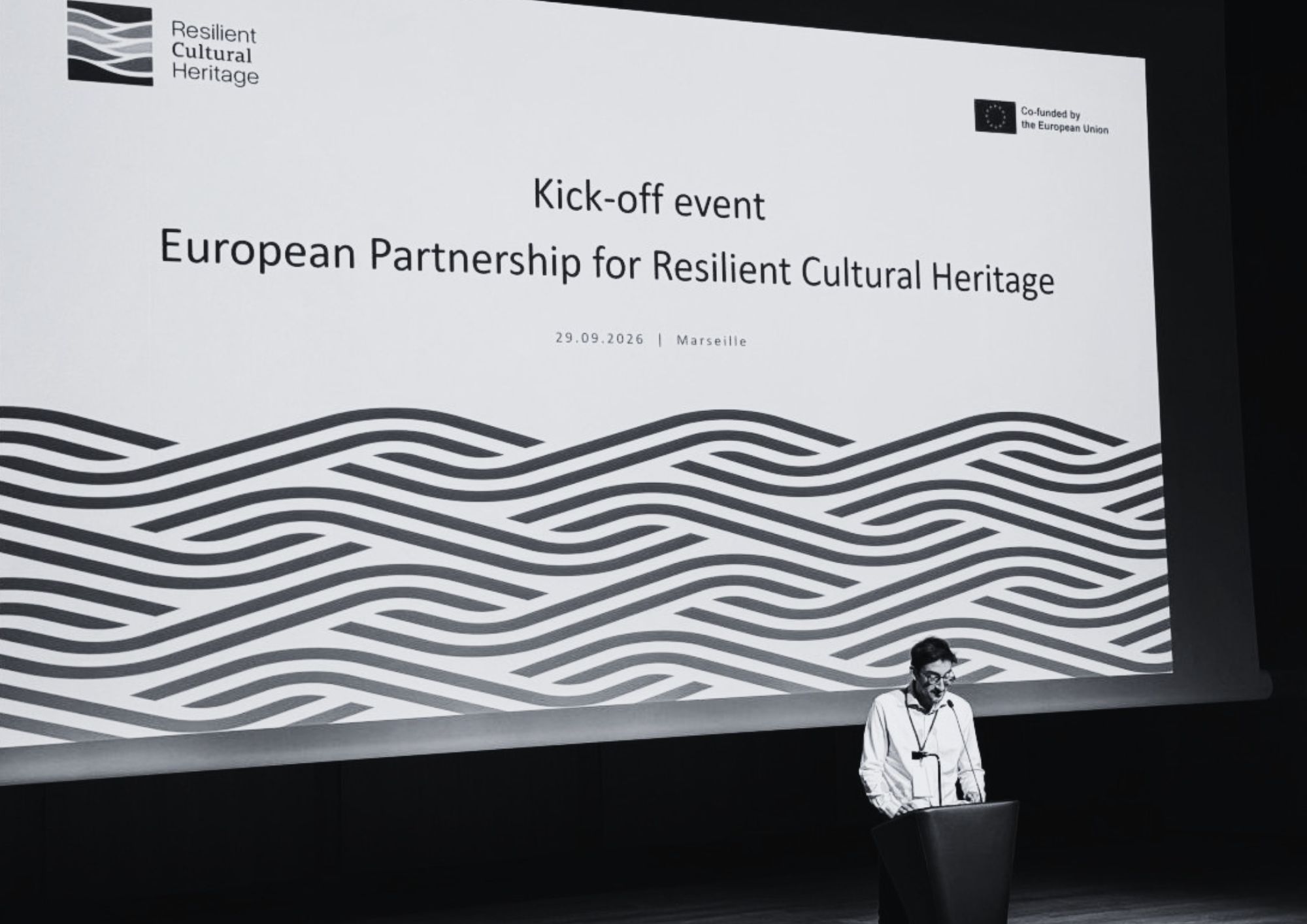
Alexandre Causse from RCH Co-ordinator FSP declaring the opening of the Kick off event
The Heritage Management Organization (HERITΛGE) marked this year’s European Heritage Days by joining our fellow consortium partners and hundreds of cultural heritage and climate professionals, researchers, policymakers and other stakeholders from around the world for the launch of the European Partnership for Resilient Cultural Heritage (RCH) in Marseille, France. RCH is co-funded by the European Union.
With the 2026 European Heritage Days theme, “Heritage at Risk: Revive, Resist, Reimagine,” the gathering offered a timely opportunity to turn attention towards the future of heritage in a changing climate—and the role heritage itself can play in helping communities adapt.
The successful kick-off event, organised by RCH coordinators Fondation des sciences du patrimoine on 29 September 2026, brought together participants in Marseille and online to explore RCH’s ambitions and opportunities for collaboration. Alongside the public launch, meetings of the RCH Executive Board and Partnership Assembly provided opportunities for consortium members to advance their shared work and help shape the initiative’s next steps.
The Kick off event took place at Musée des civilisations de l’Europe et de la Méditerranée (Mucem) and the neighbouring Cosquer Méditerranée which hosted the panels. We extend our warm thanks to both venues, Mucem for organising the event, and the team at Cosquer Méditerranée for stepping in on the day of the launch when disruption caused by strike action in France required additional support. Their responsiveness and hospitality helped make the event a success. The Partnership Assembly came together at the Pharo Campus of the Aix Marseille University with which RCH signed an MoU for cooperation.
HERITΛGE was represented by its Director, Dr. Evangelos Kyriakidis, our Communications Lead, Maria Kagkelidou and Roula Gika, our Chief Administrative Officer.
Co-funded by the European Union, RCH brings together more than 90 partners from 30 countries in a ten-year collaboration connecting cultural heritage and climate research. It will support transnational research, strengthen cooperation and help translate knowledge into practical responses to climate change. Its ambition encompasses both protecting heritage from climate impacts and understanding how heritage, traditional knowledge and communities can contribute to adaptation.
HERITΛGE leads the Partnership’s communication, dissemination and exploitation efforts, helping its activities, findings and opportunities reach the people and organisations who can use them. We also contribute to mapping activities and to the development of the Partnership’s capacity-building programme for the coming decade.
That work is swiftly moving from discussion to delivery with the first RCH Seasonal School being delivered by HERITΛGE in Athens and online from 5 to 15 October 2026. Titled Heritage Adaptation to Climate Change, the School will bring together 15 participants in person and more than 100 online for an intensive programme connecting climate science with cultural heritage management. It is the culmination of HERITΛGE’s long standing commitment to climate change adaptation and mitigation for cultural and natural heritage and is led by Dr. Kyriakidis, Professor Peter Brimblecombe, and Dr. Jenny Richards. Through lectures, workshops, field visits and project-based learning, participants will explore climate-related risks and develop approaches to adapting heritage to a changing environment.
We thank our partners from around the world for joining us for the launch of RCH and supporting this major initiative as well as the Seasonal School.
A visit to Red Rock Centre in Rwanda
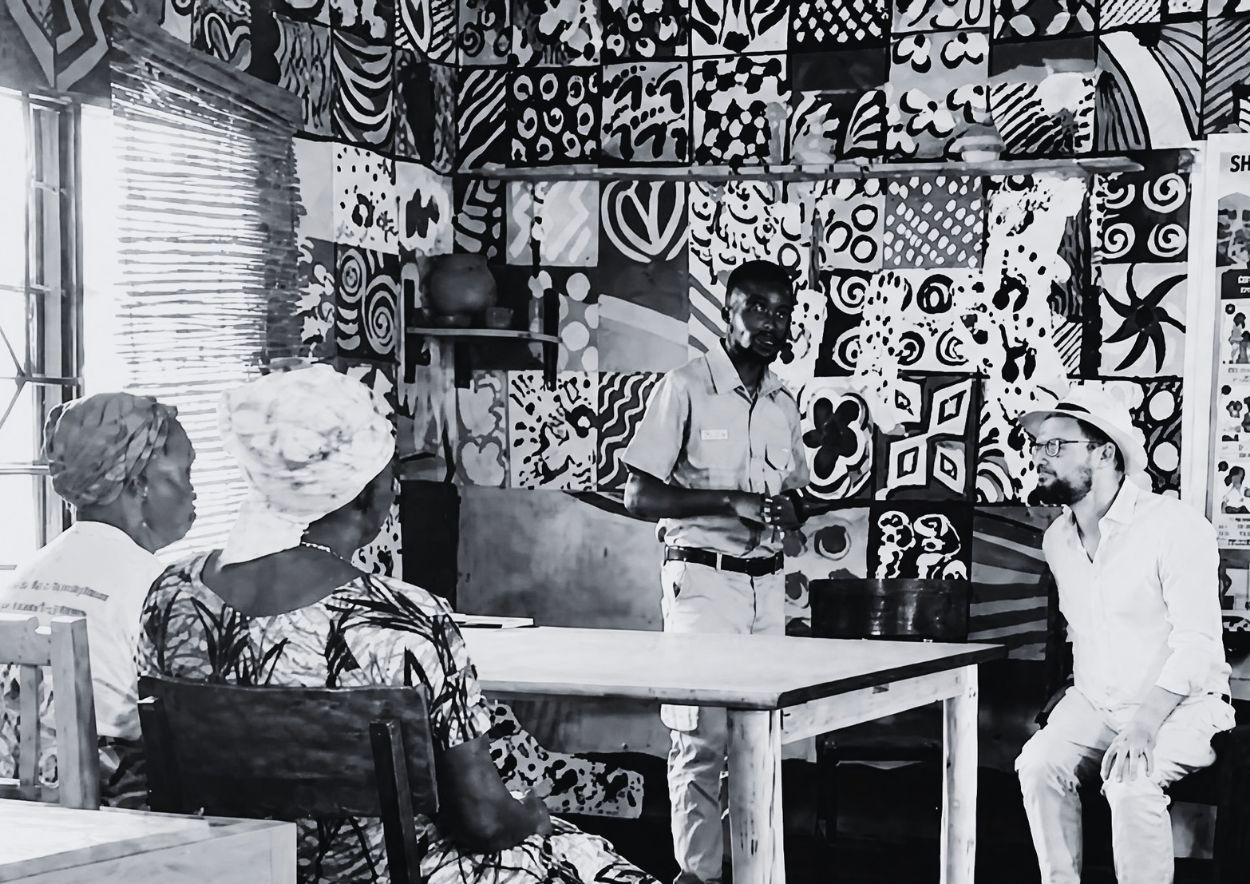
Mark chatting to community members in the Red Rocks centre.
By Mark Goldstone*
Ochre burnt-orange dust, which for convenience we call red, covers both the outside and the inside of my 4×4. Everything is a hill in Rwanda, and my trip today takes me up a thousand hills and down a thousand more. Power takes me up and gravity takes me down like a marble in a marble run.
My destination is the Red Rocks Intercultural Exchange Centre in Rwanda’s highlands outside the city of Musanze. The journey is hard and I arrive tired and dusty, but within five minutes every member of staff knows my name. This is the kind of welcome you can expect at Red Rocks, a community-based initiative working with communities living alongside protected areas and important natural ecosystems that has received one of HERITΛGE’s small grants for African projects and is also the recipient of another grant, fiscally sponsored by HERITΛGE.
The Musanze project combines accommodation with a cultural centre where local people ply traditional crafts, selling their wares in the onsite shop. There is basket weaving, a traditional kitchen serving vegetables grown in the onsite garden. Drums beat the dusk, reminding us that the end of the day is near.
Proofing dough takes patience, you just have to wait till the right texture is achieved; in the Red Rocks kitchen they make everything fresh so some waiting is worthwhile. The Chef comes out to greet me in person and enquires about my tastes. Needless to say, he already knows my name. An hour later the freshly made samosas arrive hot from the kitchen. Too hot to touch, more patience required but eventually the spicy samosas taste of smiles. Love hides in the corners of the food. Love of the craft of cookery, love of the ability to sustain and entertain at once. A cold beer dances with the chilli heat and sleep will not be long.
The next day is the opening ceremony of the Red Rocks Cultural Festival 2026. Many members of the local community leaders have gathered to kick off a week of celebration and dialogue. Much has already been achieved, but that just proves the potential of the Red Rocks approach, marrying community development with sustainable tourism.
As I am here representing HERITΛGE, I am asked for some words. I talk about the 115 heritage projects in 35 African countries that have received small grants through the HerMaP Africa initiative* the Organization’s approach of supporting local action whilst situating the projects within global fellowship networks. I reflect on Rwanda’s extraordinary 9.2% growth in GDP, a young, increasingly educated population and the investment that is flowing into both tourism and the new knowledge economies. Rwanda punches above its weight class for a small nation in the hills.
Lastly I conclude, “Good leaders get things done, great leaders create platforms for other leaders to emerge.” This is what I learn at Red Rocks, a platform in which leadership from the community is able drive change in a sustainable way. Red Rocks founder Greg still has many ambitions for the future.
As I am preparing to leave I hear that the chef has been in an accident with a motorbike. Only once returned to Kigali do I hear the tragic news that our chef did not survive his injuries. This article is dedicated to the memory of Twizeyimana Faustin. Our thoughts and prayers are with his friends and family.
* Mark Goldstone has researched and written HERITΛGE’s forthcoming publication showcasing projects supported through its grant programmes across Africa. This reflection emerged from his visit to Red Rocks Rwanda, one of the organisations featured in the publication.
**Through HerMaP Africa, HERITΛGE has provided 74 small grants for African heritage project and acted as a fiscal sponsor for another 29.
*** HERITΛGE signed an MoU with Red Rocks Rwanda in 2024 and is currently supporting two of the organization’s heritage projects.
Ghanaian Heritage Scholar Named First Graduate of HERITΛGE Memorial Scholarship
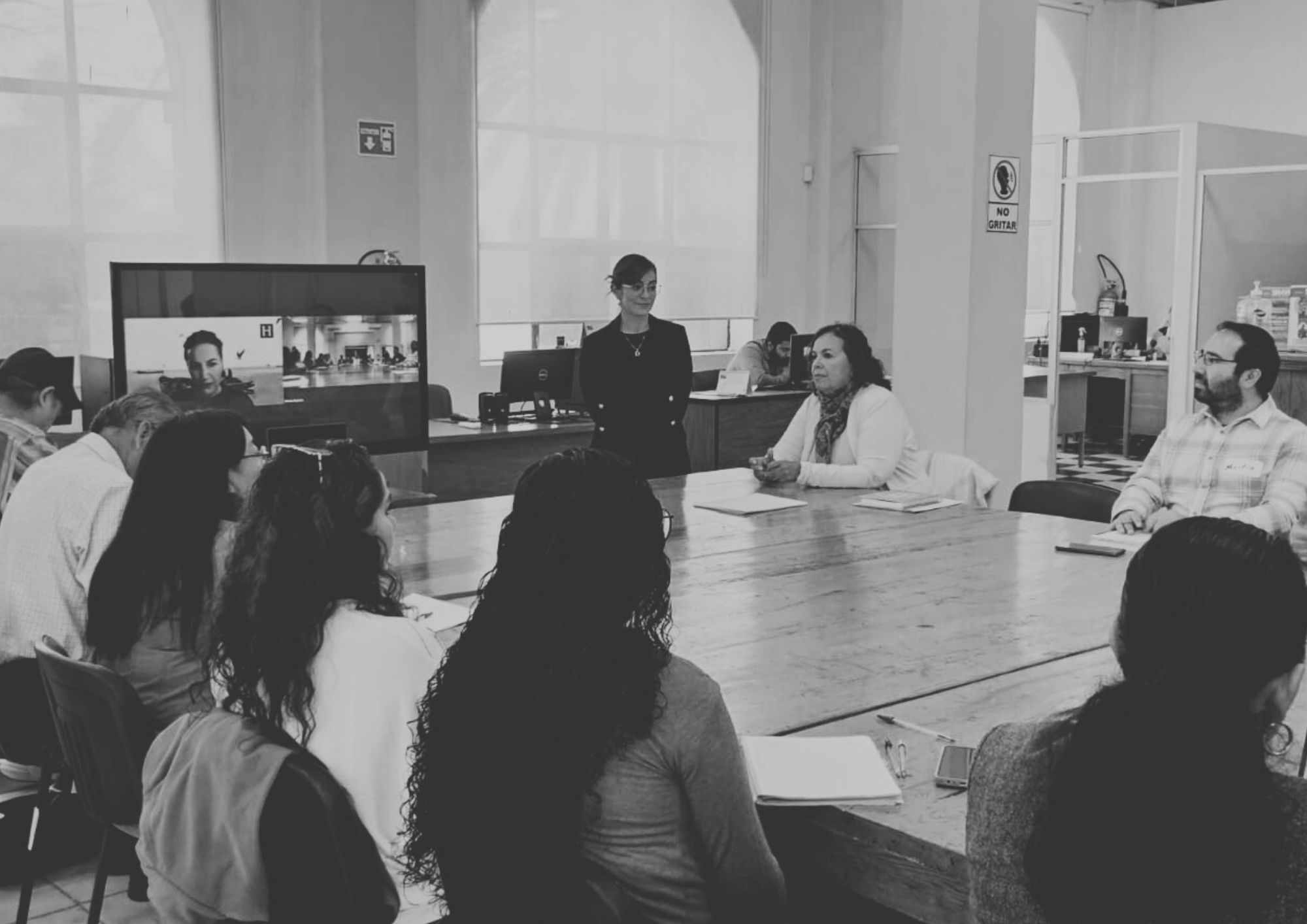 Dr. Emmanuel Banahene Owusu, lecturer in the Department of Architecture at Kwame Nkrumah University of Science and Technology (KNUST) in Kumasi, Ghana, has become the first scholar to graduate under the Angela Bugeja, Molly Hude and Ioanna Thomopoulou Memorial Scholarship. He completed the Certificate in Digital Tools for Heritage Management, a 30 ECTS academic certificate delivered jointly by HERITΛGE (The Heritage Management Organization)
The award commemorates Angela Bugeja of Malta, Molly Hude of the United States, and Ioanna Thomopoulou of Greece, students of the HERITΛGE MA in Heritage Management who passed prematurely on July 3, 2013, at the end of their fieldwork in Belize.
They gave a great deal to HERITΛGE in its early years, and the annual scholarship exists so that their names, and their contribution, are carried forward by other heritage professionals.
About the Angela Bugeja, Molly Hude and Ioanna Thomopoulou Memorial Scholarship
HERITΛGE aims to award one Memorial Scholarship each year. The award covers tuition fees only. It is offered to a student from the developing world, or from one of the three countries of the colleagues it commemorates – Malta, the United States, and Greece. Eligibility and application details are published at heritagemanagement.org.
About the Certificate in Digital Tools for Heritage Management
The certificate is a part-time, 30 ECTS program at EQF level 6, offered jointly by HERITΛGE and HOGENT. It runs over three months of online study followed by supervised fieldwork in Greece, and is aimed at students and young professionals working in archaeology, architecture, conservation, anthropology, geography, and heritage management who need practical command of spatial and digital documentation. Its modules are:
- Surveying methods (4 ECTS) – photogrammetry, laser scanning, and advanced spatial data acquisition
- Land surveying in practice (4 ECTS) – acquisition of photogrammetric and laser scanning data
- Data processing (4 ECTS) – processing acquired data in the relevant software
- International land surveying project (6 ECTS) – integrated fieldwork in Greece
- Cartography and GIS (4 ECTS) – geographic information systems, from basics to advanced use
- Introduction to heritage management 1 and 2 (4 ECTS each)
Full course details are available at the HERITΛGE Digital Tools certificate page.
Roundtable: Heritage as a Driver of Community and Economic Development
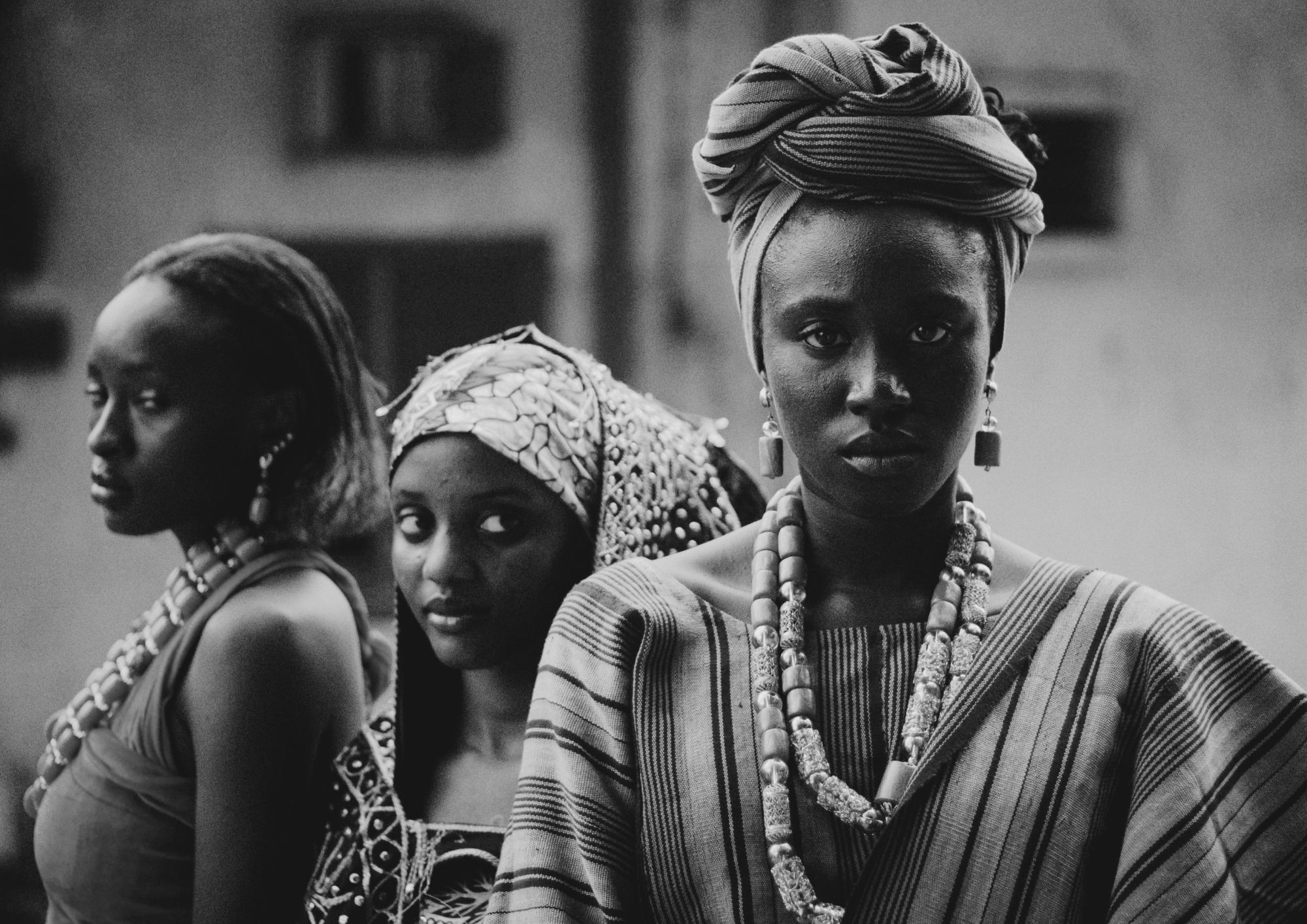
To celebrate the start of a new academic year, HERITΛGE is proud to host a public roundtable bringing together distinguished heritage leaders from five African countries. The discussion will explore how heritage—and its effective management—can serve as a lever for community and economic development, and how this potential is being approached in different national contexts.
The roundtable marks the opening of a special edition of HERITΛGE’s Community and Economic Development workshop for heritage professionals in Africa. Around 30 participants from Ethiopia, The Gambia, Ghana, Kenya and Rwanda will take part in the programme, developing the knowledge and practical tools needed to create sustainable economic and social benefits through heritage.
Joining the roundtable:
Essel Blankson – Executive Director, Ghana Museums & Monuments Board
Dr Fredrick Manthi – Director of Antiquities, Sites and Monuments, National Museums of Kenya
Abebaw Ayalew Gella – Director General, Ethiopian Heritage Authority
Amb. Robert Masozera – Director General, Rwanda Cultural Heritage Academy
Sanna B. Jarju – Director of Literature, Performing and Fine Arts, National Centre for Arts and Culture, The Gambia
Roundtable: Heritage as a Driver of Community and Economic Development
Date: 16 September 2026 | 13:00–14:30 UTC
Register here: The roundtable is open to the public upon registration. Please register here.
The discussion will be moderated by Dr Paul Burtenshaw, the workshop’s lead instructor and an expert in heritage economics, heritage tourism, and the role of cultural heritage in sustainable and community development. Dr Burtenshaw is currently Senior Director of Project Impact at World Monuments Fund.
Cultural heritage managers are increasingly expected both to demonstrate the economic value of heritage and to create tangible benefits for local, regional and national economies. The Community and Economic Development workshop provides participants with a firm understanding of why cultural resources are mobilised for economic benefit, the limits and potential risks of this mobilisation, the different strategies available, and the ways in which economic impacts can be measured and communicated.
Participants are guided through the development of an economic development plan for their own heritage projects or case studies. This includes setting goals, selecting appropriate strategies, assessing economic feasibility, and establishing effective monitoring and evaluation procedures. By the end of the workshop, participants are equipped to implement context-sensitive economic development strategies in their own locations.
HERITΛGE is also currently accepting applications for the next edition of the Community and Economic Development workshop, taking place in November 2026. Heritage professionals interested in strengthening the contribution of their projects and organisations to sustainable local and community development are warmly invited to apply.
Join Us for the Launch of a New Partnership for Resilient Cultural Heritage
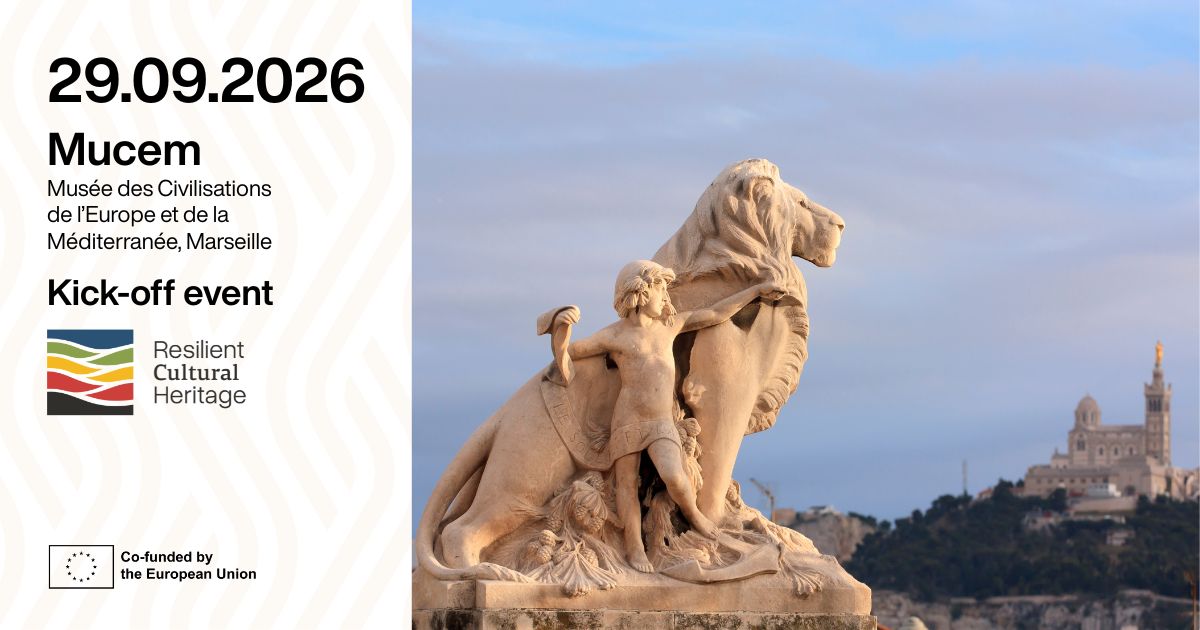
We are delighted to invite our global HERITΛGE community to join us for the official Kick-off Event of the European Partnership for Resilient Cultural Heritage (RCH), taking place on 29 September 2026 at Mucem – Musée des civilisations de l’Europe et de la Méditerranée in Marseille, France, and online.
For us at HERITΛGE, this is far more than the launch of another European project. It marks the beginning of an ambitious, decade-long collaboration that has the potential to transform how Europe—and its international partners—understand, protect and adapt cultural heritage in the face of climate change and how heritage can itself contribute to climate change adaptation.
We are incredibly proud that HERITΛGE is one of the 90 partner organisations from 30 countries shaping this landmark initiative, one of the largest investments ever made in research and innovation connecting cultural heritage and climate action.
Over the next ten years, the Partnership will coordinate transnational research and innovation funding, while building an entire ecosystem of activities to strengthen the heritage sector. These include capacity-building programmes, networking opportunities, impact monitoring, Living Labs, knowledge exchange, and collaborative initiatives that will help translate research into practical action and public policy.
As we contribute to the Partnership’s capacity-building activities, HERITΛGE is especially excited to be working to develop opportunities that will equip professionals, researchers, institutions and communities with the knowledge and skills needed to respond to one of the defining challenges of our time.
Why attend?
Whether you work in cultural heritage, climate science, museums, conservation, archaeology, architecture, policy, education, local government or the creative industries, this event offers an exciting opportunity to become part of the RCH community from the very beginning.
By joining us, you will be able to:
- Learn about the Partnership’s vision, priorities and roadmap for the next decade.
- Discover upcoming transnational funding opportunities for collaborative research and innovation.
- Explore how RCH’s Mapping, Living Labs, Capacity Building and other initiatives can support your work.
- Meet researchers, practitioners, policymakers and organisations working across heritage and climate resilience.
- Join discussions exploring how research can better inform policy, practice and sustainable development.
The programme will feature distinguished speakers from the European Commission, French national and regional institutions, and leading experts from the fields of cultural heritage and climate science. Through keynote lectures, panel discussions and interdisciplinary conversations, participants will explore new ways of working across disciplines, sectors and countries to strengthen the resilience of cultural heritage.
Event Details
Date: 29 September 2026
Venue: Mucem, Marseille, France
Participation: In person or online
️ Cost: Participation is completely free, but registration is required.
We would love to welcome members of the extended HERITΛGE network—from former participants, alumni and trainers to partners, colleagues and friends from around the world. Whether you join us in Marseille or online, your participation will help launch a community that will shape the future of resilient cultural heritage for years to come.
HERITΛGE Annual Report: A Year of Growth, Global Partnerships and Lasting Impact
 How do you measure the impact of heritage? Sometimes in numbers. Often in stories. Always in people.
The Heritage Management Organization (HERITΛGE) is pleased to announce the publication of its 2025 Annual Report, offering a comprehensive overview of a year marked by international collaboration, expanded training opportunities, new partnerships, and a growing global community committed to safeguarding and activating cultural heritage.
In 2025, HERITΛGE continued to strengthen its mission of empowering people and institutions through practical, inclusive, and community-centred heritage management. Across four continents, we worked with universities, governments, museums, NGOs, local communities, and international organisations to develop knowledge, build skills, and create lasting networks.
The report highlights a remarkable year in which HERITΛGE:
- Delivered 44 training programmes and educational activities.
- Trained 1,100 participants from 60 countries.
- Advanced major international projects across Europe, Africa, the Middle East and North America.
- Strengthened collaborations with leading academic institutions, cultural organisations and funding bodies.
- Continued investing in research, innovation and digital approaches to heritage management.
Beyond the figures, the Annual Report celebrates the achievements of our participants, trainers, partners and supporters, whose expertise, enthusiasm and commitment continue to shape the future of heritage management.
Reflecting on the year, said Dr. Evangelos Kyriakidis, HERITΛGE Director:
“Every year reminds us that heritage is ultimately about people. The achievements presented in this report are the result of the dedication of our staff, trainers, partners, supporters and thousands of participants who believe that cultural heritage can contribute to stronger communities and a more sustainable future. We are deeply grateful to everyone who has been part of this journey.”
As HERITΛGE looks ahead, the organisation remains committed to expanding access to high-quality training, supporting communities worldwide, fostering international cooperation, and ensuring that cultural heritage continues to serve as a powerful resource for education, resilience, sustainable development and social impact.
We invite our friends, partners and members of the global heritage community to explore the report and discover the projects, people and partnerships that made 2025 such an important year for HERITΛGE.
Read the 2025 Annual Report and join us as we continue building capacity, connecting communities, and shaping the future of heritage management—together.
