
Tag Archives: Capacity Building
Heritage Interpretation Workshop
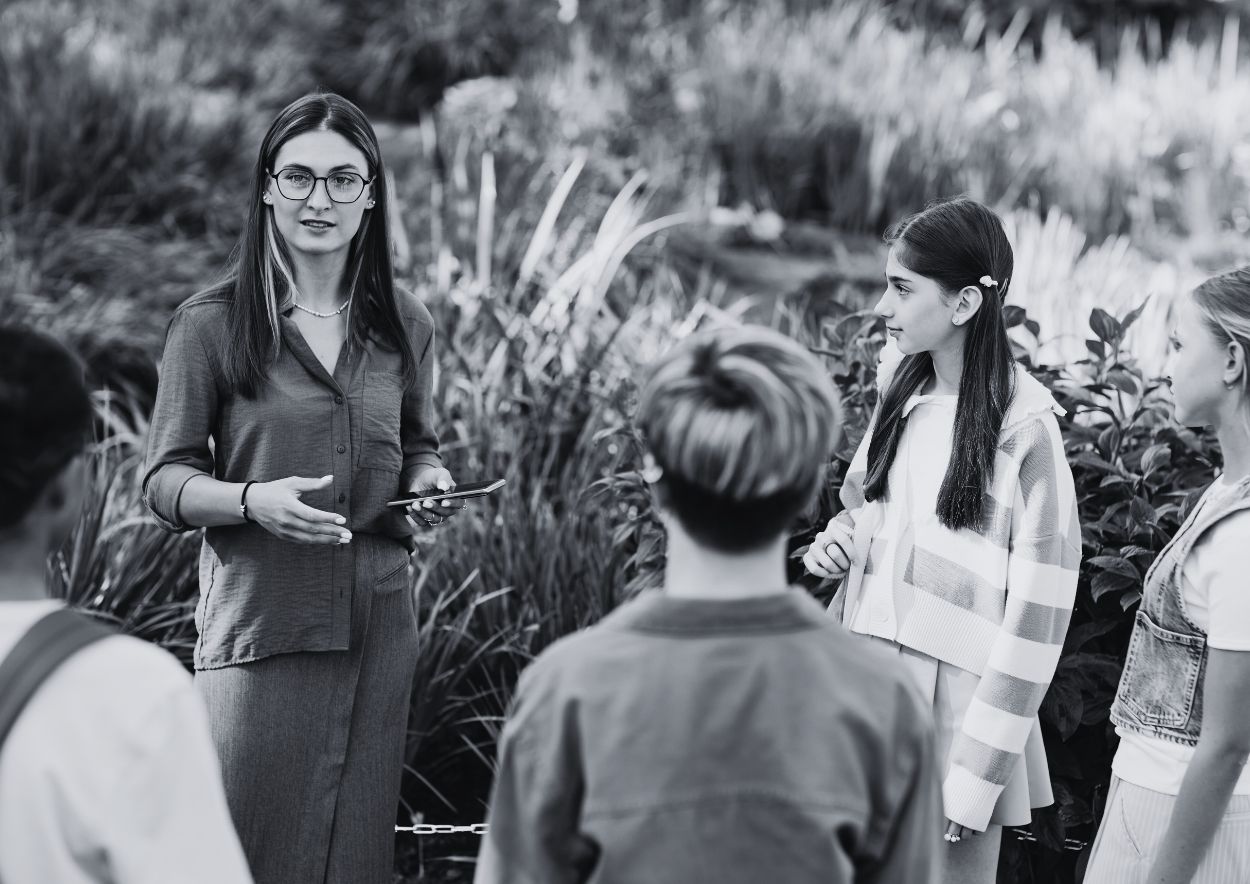 From 13th to 16th October, HERITΛGE delivered an online workshop on Heritage Interpretation, bringing together 22 heritage managers from 17 countries across Africa, Asia, Europe and South America. Through 22 capacity building cases and 22 case studies, participants explored how interpretation can generate meaningful connections between visitors and heritage.
“This is the first time I have taken a course in heritage interpretation. All topics were relevant and sparked my interest.”
Dounama Biri
The workshop was led by interpretation specialist Valya Stergioti who introduced participants to the core principles of heritage interpretation. Sessions highlighted how interpretation moves beyond facts to reveal meanings, provoke reflection and foster stewardship.
Day 1 focused on the foundations of interpretation. Participants shared stories of memorable guides and discussed the qualities that define good interpretation, from sensory engagement to contextual storytelling. They examined Freeman Tilden’s definition of interpretation and reflected on how interpretation as an educational experience should encourage exploration rather than the delivery of isolated facts. The day concluded with an introduction to the interpretive triangle and a practical group activity on applying the four aces to selected heritage phenomena.
Day 2 explored meanings, values and universal concepts. Through an illustrative exercise on the idea of “home”, participants discussed how words carry different meanings across cultures and contexts. The session introduced the theory of frames and highlighted the importance of language in shaping interpretive outcomes. Participants worked in groups to link phenomena with universal concepts and later developed their own sets of open ended questions. These questions were framed around four types: focus, transfer, process and evaluation, each designed to encourage dialogue, reflection and participation.
Days 3 and 4 centred on interpretive themes, interpretive services and the development of participants’ own projects. Participants created themes for personal heritage objects, aligned them with sustainability goals and collaborated in groups to design exhibition concepts such as A Day in the Life of a Fisherman Across the Globe and Legacy of Ancestors. They also examined the strengths of personal and non personal interpretation through a structured debate and discussed the essential role of local communities.
“I became more confident about the educational methods and universal concepts which will help me to interpret my site.”
Habab Idriss Ahmed
The workshop concluded with presentations of individual projects, ranging from Lamu Old Town in Kenya to the Royal Palaces of Abomey in Benin, the Paper Trail of Hand Produced Paper in Assam and the Armero Town Ruins in Colombia. Each participant presented a phenomenon, a theme and the interpretive services they would employ.
By the end of the training, participants had strengthened their skills in crafting themes, engaging audiences and building meaningful interpretive experiences.
Find more information about HERITΛGE’s workshops here or follow us on Facebook, Twitter / X, LinkedIn or Instagram.
HERITΛGE launches HerMaP Mexico
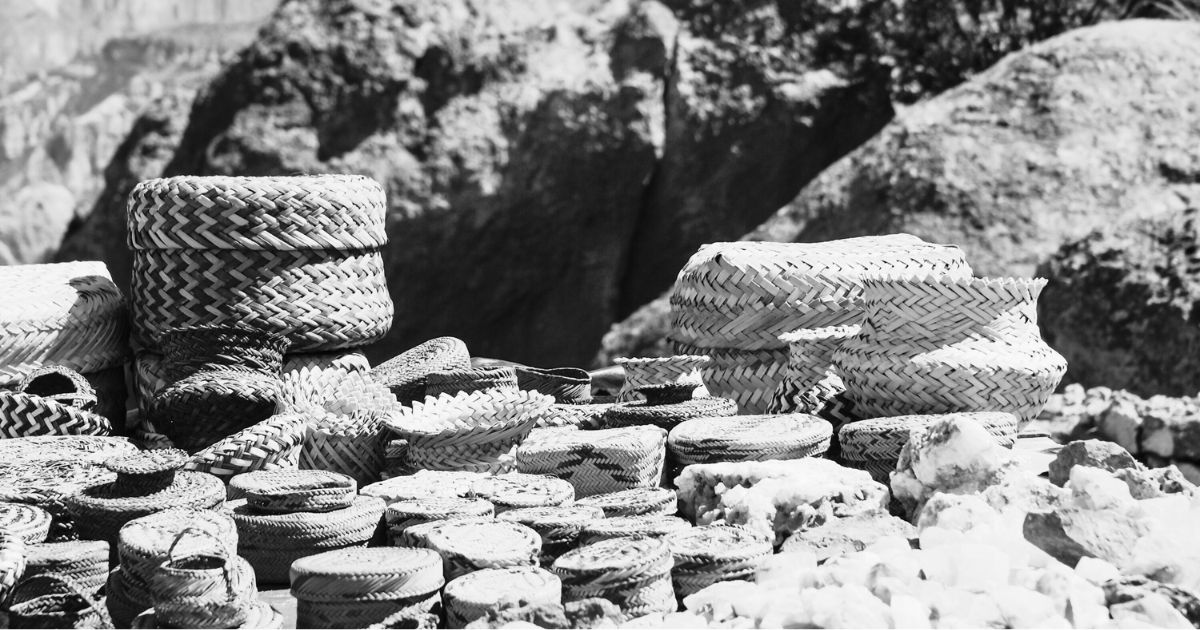
The Heritage Management Organization (HERITΛGE) is proud to announce the launch of HerMaP Mexico, a two-year intervention that will support heritage management initiatives across six Mexican states that share a border with the United States — Baja California, Sonora, Chihuahua, Coahuila, Nuevo León, and Tamaulipas — and empower local communities to harness their cultural heritage as a source of identity, learning, and sustainable development.
Building on the success of HERITΛGE’s international programs, this new project represents a major milestone in the organization’s growing engagement in North America. It will bring together heritage professionals, community organizations, and cultural leaders from across the region to map heritage ecosystems, build capacity, and support community-led projects.
“We see HerMaP Mexico as a transformative initiative — both for the organization and for heritage professionals across Mexico’s border states,” said HERITΛGE’s Denise Navarro Becerra, HerMaP Mexico Project Manager. “With the Mellon Foundation’s generous support, we aim to connect and empower those heritage managers and stewards in one of the world’s most dynamic cultural regions.”
A Four-Pillar Approach to Strengthening Heritage
HerMaP Mexico’s activities are structured around four key pillars:
- Mapping: Identifying actors, capacities, infrastructure, and gaps in heritage management across the six states.
- Capacity Building: Delivering targeted heritage management training programs adapted to and inspired by the local contexts through in-person and online sessions.
- Networking: Organizing regional networking events to connect local, national, and international actors in heritage management.
- Re-granting: Distributing small grants to community-focused heritage projects.
These activities will engage a wide range of stakeholders and topics in cultural heritage management, highlighting the richness and diversity of the border region’s cultural heritage. The program will run until September 2027, combining in-person activities with digital learning resources available through HERITΛGE’s Training Platform.
HERITΛGE visit to The Gambia – Meeting with heritage sector beneficiaries and stakeholders & Executive Leadership Workshop

The Heritage Management Organization (HERITΛGE) completed an in-person visit to The Gambia for the HerMaP Gambia program on 17th – 24th August to build on and develop the program’s capacity mapping and building functions for the heritage sector.
The team, headed by Project Manager Mina Morou, held meetings with The Gambia’s Vice President, Badara Alieu Joof and key heritage beneficiaries and stakeholders as well as training sessions with local heritage managers.
“We are happy to be in The Gambia after the lifting of the pandemic restrictions to further implement the HerMap Gambia program which serves as a springboard to develop the capacity of the country’s heritage sector, empowering local communities to grow sustainably by building on their culture, history, and traditions,” said Morou.
Morou, along with expert educator and trainer of trainers (ToT) Iordanis Paschalidis, and ethnomusicologist Stella Paschalidou, delivered an executive leadership workshop on Capacity Development: Strategies and Best Practices, attended by 25 cultural managers from Barra, Wassu, Janjanbureh, Juffureh and Albreda, and Banjul and its greater area.
HERITΛGE is grateful to The Gambia’s National Centre for the Art and Culture (NCAC) and its General Director, Hassoum Ceesay, for introducing and hosting the workshop as well as supporting our mission throughout its visit.
About HerMaP Gambia: The program is aimed at developing the business skills of heritage and cultural managers to enable them to establish and better support heritage and cultural enterprises. Supporting The Gambia’s heritage sector will promote community solidarity and provide high-quality employment opportunities for local talent.
The worskshop was funded by the European Union with funding partly matched by the UN Economic Commission for Africa. The HerMaP Gambia in co-funded by the European Union.