
Legacy Builders: Elif Aydin
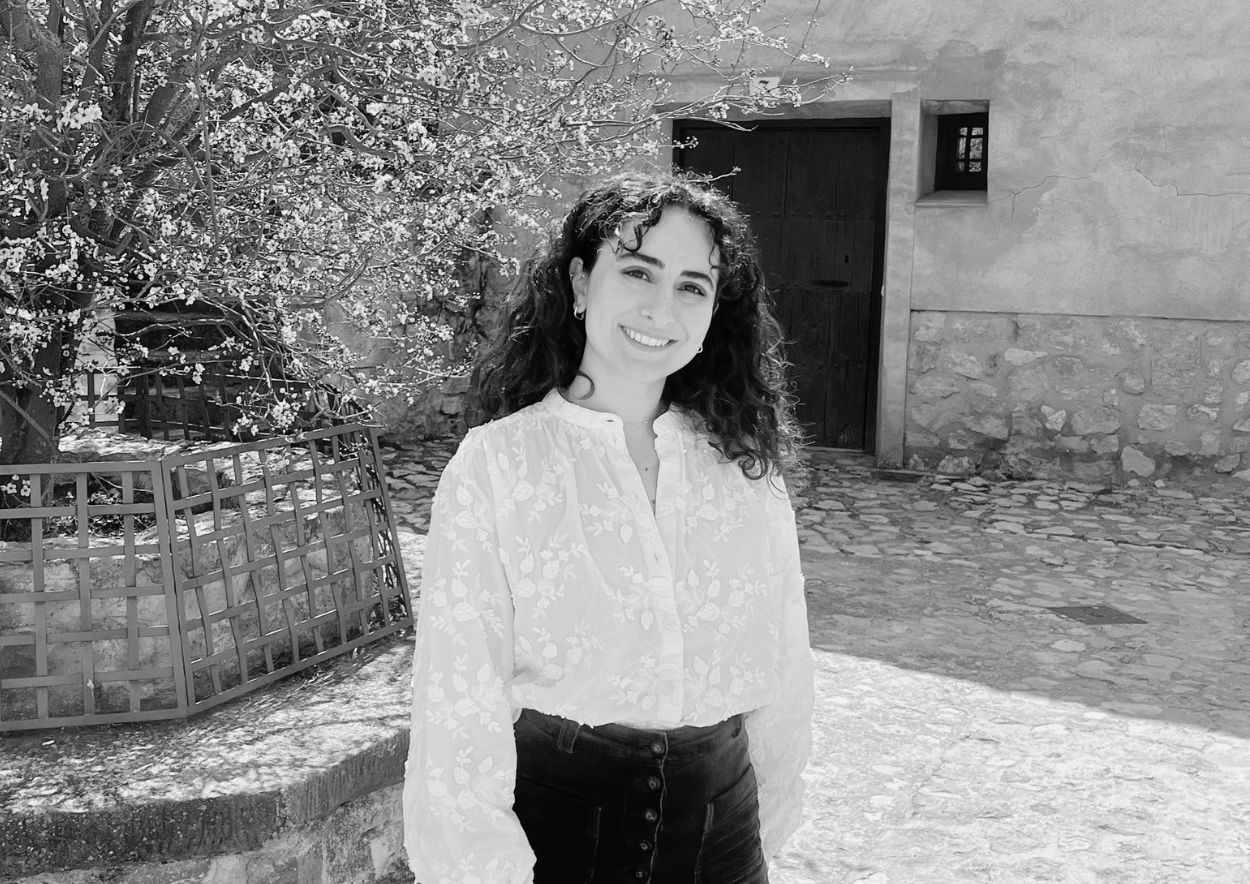
Elif Aydin | PhD Researcher & Cultural Heritage Professional | Belgium
Which HERITΛGE training did you attend?
The Engaging Communities for Cultural Heritage Summer Field School in Paros, in 2024.
Was the training an opportunity to enhance your connection with your peers?
Very much. Both as young professionals and as friends, we had the opportunity to discover different aspects of project management in the heritage sector together. We were working in groups, but not in a way that separated us (rather, as groups that were constantly sharing, exchanging, and discovering together). The workshop itself is designed for you to explore as a group but ultimately digest the experience as one.
In that sense, spending that whole time together naturally creates a bond, as you develop your skills side by side. Also, since everyone comes from diverse backgrounds (both culturally and in terms of professional fields) it kind of builds a network that goes beyond our own circles, that allowing us to connect more broadly.
Has the training contributed towards the improvement of your career?
Indirectly, in many ways. I can’t say that having this certificate directly led me to a specific job, but I do think it has shaped my perspective and the way I approach my work. Especially when it comes to community engagement, it helped me develop a mindset where I can question and evaluate whether what we are doing truly reflects that concept. In that sense, by improving how I assess and approach my work, I think it has definitely contributed to increasing the overall quality of what I do.
Do you feel that your ability to perform relevant tasks has improved?
Apart from general research skills, I think it was really helpful to learn more about project management. Especially in terms of how to stay organised throughout the whole process (following proper archiving and documentation practices), and also staying connected with the community itself. Including them in the process and building things on a more equal level was an important part of it. I feel like I’ve improved in delivering these kinds of tasks and managing them more confidently.
Following the completion of the training, has your project benefited? How?
Yes, directly. Especially in terms of the relationships we build with communities (learning how to approach them and how to structure the questions we ask) I can clearly see the benefits in my own research project. Working closely with a community, on a one-to-one level, is very different from working in a more corporate or institutional setting. And because we don’t really experience this kind of engagement in education or in the office, it’s something we don’t easily develop, which can later become problematic. But as Aris and Lena describe it, this is a process of “deep hanging out.” It’s about genuinely becoming part of the community and understanding that this is not something you plan and execute from an office, but something that evolves together with the community. Realising this aspect has really helped me rethink and improve my project, and in turn the project itself gain more accepetance.
Would you recommend this training to others?
Definitely, I always say that it’s a great opportunity, not just for young professionals, but also for anyone who is genuinely interested in research, project management, and community engagement. The summer school really offers something for everyone, creating space to explore, learn, and discover new things.