
Trainees explore Community Engagement
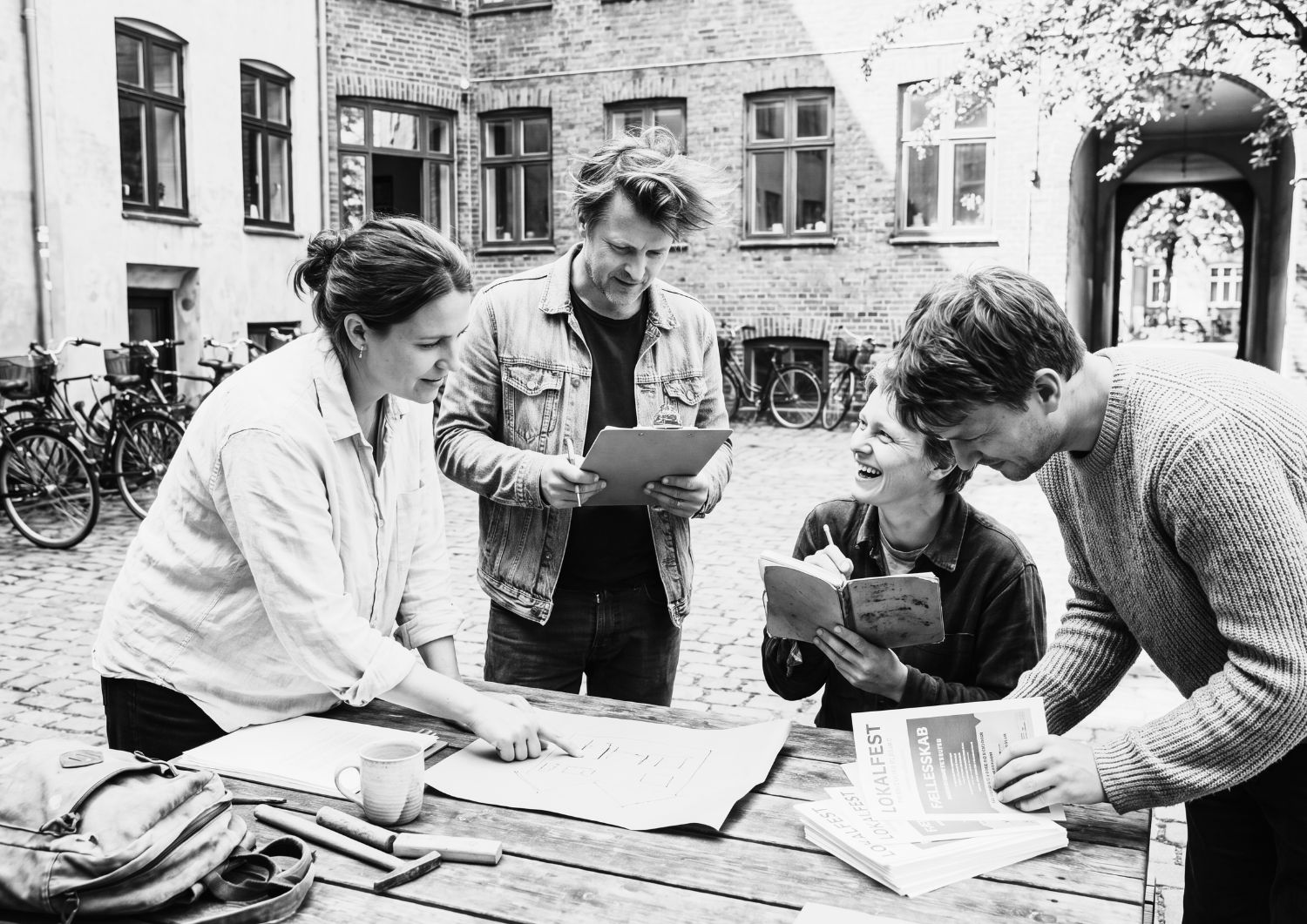
How can heritage practitioners create meaningful opportunities for communities to shape the ways their heritage is understood, cared for and shared? This question guided HERITΛGE’s recent four-day online workshop, Engaging Communities in Cultural Heritage, which brought together 23 participants from 18 countries.
Participants joined from Poland, Lebanon, Italy, Iraq, Albania, Greece, Armenia, Rwanda, Serbia, Latvia, Mauritius, India, Egypt, Iran, South Africa, Kenya, Palestine and Nepal to explore
The programme examined different understandings of community, identity, belonging and relationships with heritage, while emphasising the importance of positionality, research, inclusion, accessibility and meaningful participation.
Participants were introduced to approaches including Asset-Based Community Development, asset mapping and ethnographic research, exploring how community assets, knowledge, relationships and networks can inform the design and implementation of engagement activities.
Through collaborative exercises and practical discussions, they considered how engagement strategies can respond to different community contexts, needs and perspectives, while addressing issues such as trust, representation, internal dynamics, sustainability and informed consent.
The workshop also addressed the methodological and ethical dimensions of oral history, with a focus on interview preparation, questioning techniques, memory, documentation, consent and the responsibilities of researchers when working with sensitive narratives and communities.
Participants explored how oral testimonies can be documented, analysed and contextualised, while reflecting on the relationship between the interviewer, the narrator and the resulting historical record.
The programme was delivered by , Dr Aris Anagnostopoulos, HERITΛGE Public Director, and Dr Lena Stefanou Archaeologist-Museologist and Visiting Lecturer for Museum Studies ad the University of Bologna. It concluded with a guest lecture by Elijah Vanderpuye Cunnison, Cultural Officer at Ghana’s National Commission on Culture and a Theatre Studies graduate, who shared insights from his professional experience on Ghanaian culture and heritage, community engagement, oral history, heritage interpretation and community-based heritage initiatives.
His contribution broadened the discussion to issues including community consent, heritage education, benefit sharing and intellectual property, as well as the wider connections between heritage and education, gender, climate change, human rights, sustainable development, tourism, science and technology, disaster management, media and intercultural competence.