
: HerMaP Africa
Fifth Online Networking Convening of Africa Grantees
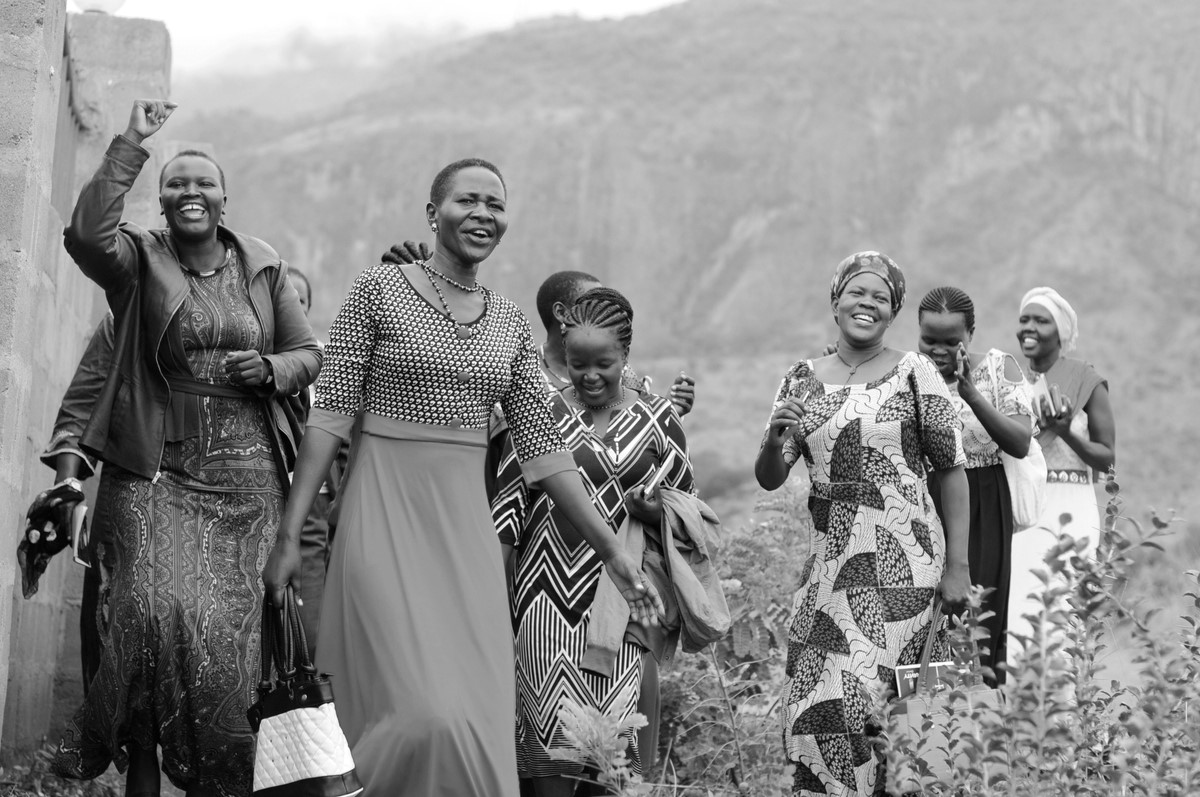
Building Peace Across Borders in East Africa. Members of women’s forums are enjoying their newfound voice and role in cross border peace building. USAID’s PEACE III supports key actors, including local leaders, women and youth in the targeted cross-border cluster areas to deepen and broaden transformative social reconciliation processes.
More:
Photo Credit: Tine Frank /USAID East Africa Regional. Original public domain image from Flickr
On 29 October 2025, the HERITΛGE Africa Grants Team hosted its fifth network convening bringing together grantees, HERITΛGE staff, Re-granting Committee members, representatives from the Mellon Foundation, and other African donors. 65 people attended the meeting. The convening differed from previous ones as it included simultaneous interpretation to accommodate Francophone speakers, who represented the majority of presenters, which was valuable.
The session opened with welcoming remarks from Richard A. Brown, with eleven grantees then presenting their work. These covered projects in Guinea, Benin, Burkina Faso, the Democratic Republic of Congo, Niger, Cameroon, Uganda, Nigeria, Egypt, and Côte d’Ivoire. Projects ranged from mapping and documenting cultural heritage in Guinea to the restoration of cultural sites and the promotion of sustainable tourism and heritage museums across Africa.*
Following the presentations, participants joined breakout rooms organised by project type. These smaller groups facilitated discussions on challenges faced during project implementation, opportunities for collaboration, and strategies for engaging local communities and governments. Participants shared experiences, best practices, and networking contacts, highlighting the value of HERITΛGE workshops and the importance of training in areas such as heritage marketing, documentation, and sustainable tourism.
This fifth convening reinforced the importance of these gatherings as spaces for knowledge exchange, peer learning, and fostering collaboration across diverse heritage projects. It also highlighted the need to maintain inclusive practices, such as interpretation services, to ensure all grantees can actively participate. HERITΛGE will continue to provide support and explore structured plans for future in-person and virtual engagements.
*Lansana Keita, Guinea: ‘Mapping and documenting cultural heritage of Guinée Forestière’
Franck Serge Wouantègnon Alokpowanou, Benin: ‘Renovation and innovative management of the Ondo sacred forest of Pobe’
Louis Hermann Tinwende Nikiema, Burkina Faso: ‘Restoration of Cultural Heritage’ (‘Restauration du Patrimonie Culturel’)
Katalay Katy Bumba Jean-Paul, Democratic Republic of Congo: ‘Transformation of the colonial residence in a tourism and community center’
Adiza Amadou, Niger: ‘Preserving the Tradition of Handweaving in Niger’
Dr Loumpet Germain, Cameroon: ‘Conservation and Enhancement of a Biodiversity Site Among the Pygmies (Sauvegarde, valorisation un site de biodiversité chez les Pygmées)’
Mfitundinda Herbert, Uganda: ‘Enhancing Indigenous Batwa Livelihood Through Cultural Heritage Experiences in Uganda’
Geofrey Junior Waako, Uganda: ‘Cultural Oasis: Jinja’s Sustainable Heritage Hub’
Adeoluwa Onamade, Nigeria: ‘Sustainable Project to strengthen Bilikisu-Sungbo heritage’
Hassan Refaat Hassan Badawy, Egypt: ‘Documentation and Marketing of El- Quseir’s ICH for Sustainable Community Development’
Edi Ako Victorien Constant, Cote d’Ivoire: ‘Cooperative Training in the Animation of a Community Agricultural Museum in Agboville: The MCAA Project’ (‘Formation coopérative à l’animation d’un Musée Communautaire Agricole à Agboville : Le Projet MCAA’)
This was the fifth out of six planned events aimed at showcasing projects funded through our Small Grants for African Heritage Projects initiative, made possible through generous funding by the Mellon Foundation. 75 projects have received around $1million in funding. You can read more about the specific projects on our Africa Grants page which is continually being updated.
HERITΛGE Grantee Wins 2025 UNESCO–Japan Prize on Education for Sustainable Development
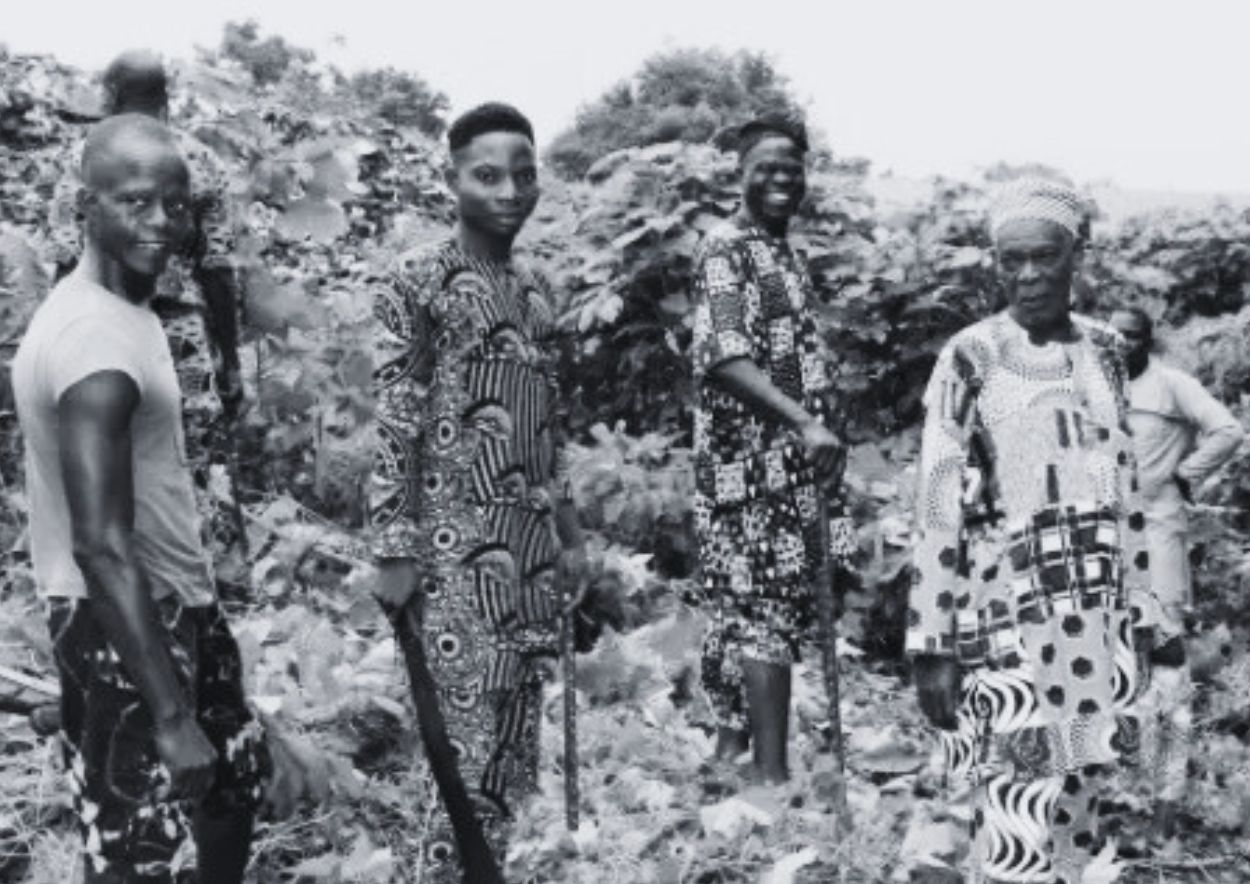 HERITΛGE is proud to announce that one of the projects funded through our Small Grants for Africa initiative—made possible with support from the Mellon Foundation’s Humanities in Place program—has been selected as a laureate of the 2025 UNESCO–Japan Prize on Education for Sustainable Development (ESD). This global recognition celebrates outstanding and transformative initiatives advancing sustainability through education and community engagement.
Selected from 120 nominations worldwide, Culture at the Heart of Development (CACD-NGO) from Benin received the award for its innovative project, “Restoration and Innovative Management of the Ookpo Sacred Forest in Pobè.” The prize was awarded during a ceremony at UNESCO Headquarters in Paris on 20 November 2025, with each laureate receiving US $50,000.
A Model of Sustainability Rooted in Cultural Heritage
Launched in 2019, the project focuses on safeguarding the Ookpo Sacred Forest, dedicated to the Ondo (Oranyan) deity. Supported by HERITΛGE’s Small Grants for Africa program, the initiative showcases how cultural heritage can serve as a powerful platform for sustainable development.
CACD-NGO’s work integrates traditional knowledge with modern tools—including digital outreach, heritage education, and ecotourism development—to create a transformative model of Education for Sustainable Development that:
- Revitalizes sacred forest heritage
- Strengthens climate resilience through conservation
- Engages youth and community members in sustainable practices
- Combines cultural knowledge with digital innovation
- Supports nature-based economic development and job creation
An independent international jury praised the project for its “outstanding contribution to transforming local communities through its effective blend of cultural revitalization, digital innovation, and nature-based economic development.” The initiative’s social impact—spanning environmental protection, youth empowerment, and livelihood creation—was central to its selection as a 2025 laureate.
HERITΛGE celebrates this achievement as a profound affirmation of the leadership and creativity of African heritage organizations working at the intersection of culture, sustainability, and community well-being. We are honored to have supported CACD-NGO and proud to see their work recognized on the global stage.
“We extend our warmest congratulations to CACD-NGO on this remarkable achievement and look forward to the continued growth and impact of their work. This is excellent news, and we are so proud that this work is being recognised internationally” said HERITΛGE Director Dr. Evangelos Kyriakidis.
Project manager Franck Serge W. Alokpowanou contacted HERITΛGE to share the news.
“We are delighted to share this distinction with you and to express our sincere gratitude for your support and partnership, which made this achievement possible,” he said.
The success of this project underscores HERITΛGE’s commitment—supported by the Mellon Foundation—to advancing heritage-centered approaches to sustainable development across Africa. Through the Small Grants for Africa program, we continue to empower local organizations that are preserving heritage, fostering resilience, and driving positive social transformation.
Read more about the Awards and all three laureates here.
Fourth Online Networking Convening of Africa Grantees
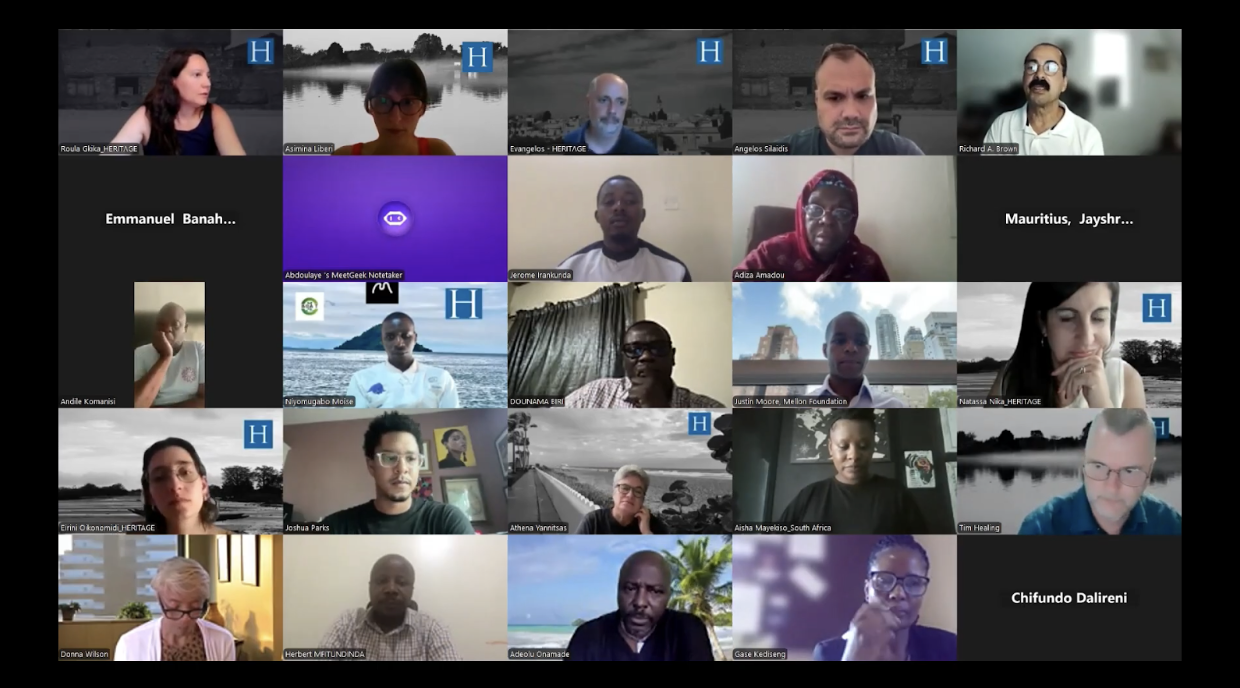
On 3 September 2025, the HERITΛGE Africa Grants Team held the fourth online networking convening for grantees awarded in 2024. The meeting brought together grantees, Heritage staff, committee members, Mellon Foundation representatives, and other African donors, with 76 attendees.
After welcoming remarks by Richard A. Brown and an introduction to the day’s agenda by HERITΛGE Director, Evangelos Kyriakidis, eleven grantees shared their projects. These ranged from protecting Ethiopia’s Azwa Maryam Monastery to revitalizing Namibia’s Oshikulu Cultural Village, and from creating inclusive museum spaces in South Africa to empowering community-based tourism in Rwanda.
“What we are learning, we are impacting our communities and our leadership to say that this is what we are, where we are going and all of these have been made possible just because we are part of this fellowship”
Moses Mkumpha, Malawi
Following the presentations, the conversation turned to capacity-building and HERITΛGE’s training programmes. Past participants shared how these courses had strengthened their projects, expanded their professional networks, and provided practical skills in fundraising, project management, and heritage conservation. Grantees from Sudan, Nigeria, Malawi, Botswana, Zambia, Ethiopia, South Africa, and Namibia* described how the trainings had been transformative, enabling them to achieve higher success in proposal writing, project implementation, and community engagement, while also inspiring leadership and innovation. The breakout discussions allowed participants to continue sharing experiences and reflect on how these opportunities enhanced their work and impact.
The fourth convening highlighted the value of combining financial support with professional development, reinforcing HERITΛGE’s commitment to strengthening heritage initiatives across Africa and fostering a growing community of heritage professionals. The session left participants energised and motivated to apply their learnings, collaborate across borders, and continue advancing the preservation and promotion of African heritage.
The participants and projects featured were:
Getaneh Addis Tessema, Ethiopia: ‘Protection and Promotion of Azwa Maryam Monastery’
Francis Kwarayire, Ghana: ‘Re-use of Old Cocoa Shed Building as a Contemporary Art Museum’
Aisha Pearl Mayekiso, South Africa: ‘Creating inclusive museum spaces, products, and services for all’
Adebunmi Akinbo, Nigeria: ‘Restoring Ilukwe House – A research center promoting Nigerian heritage’
Gasenone Kediseng, Botswana: ‘Khama III Memorial Museum Kitchen and Restaurant’
Dounama Biri, Niger: ‘Art Culture and Heritage of the Women of Boubon Niger’
Foday Dampha, The Gambia: ‘Rehabilitation of Genieri Community Museum and Building of Human Capacities’
Ahmed Magem, Nigeria: ‘Restoration, Preservation and Protection of Tangale Culture and Heritage’
Ursha Faal, The Gambia: ‘Fulani Heritage Haven’
Greg Bacunzi, Rwanda: ‘Empowering Youth and Women in Community-based Tourism’
Serak S O Shidhudhu, Namibia: ‘Oshikulu Cultural Village – Revitalizing Cultural Roots: Safeguarding Heritage, Empowering Communities’
This was the fourth out of six planned events aimed at showcasing projects funded through our Small Grants for African Heritage Projects initiative, made possible through generous funding by the Mellon Foundation. 75 projects have received around $1million in funding. You can read more about the specific projects on our Africa Grants page.
How HERITΛGE is using Generative AI to improve cultural heritage funding
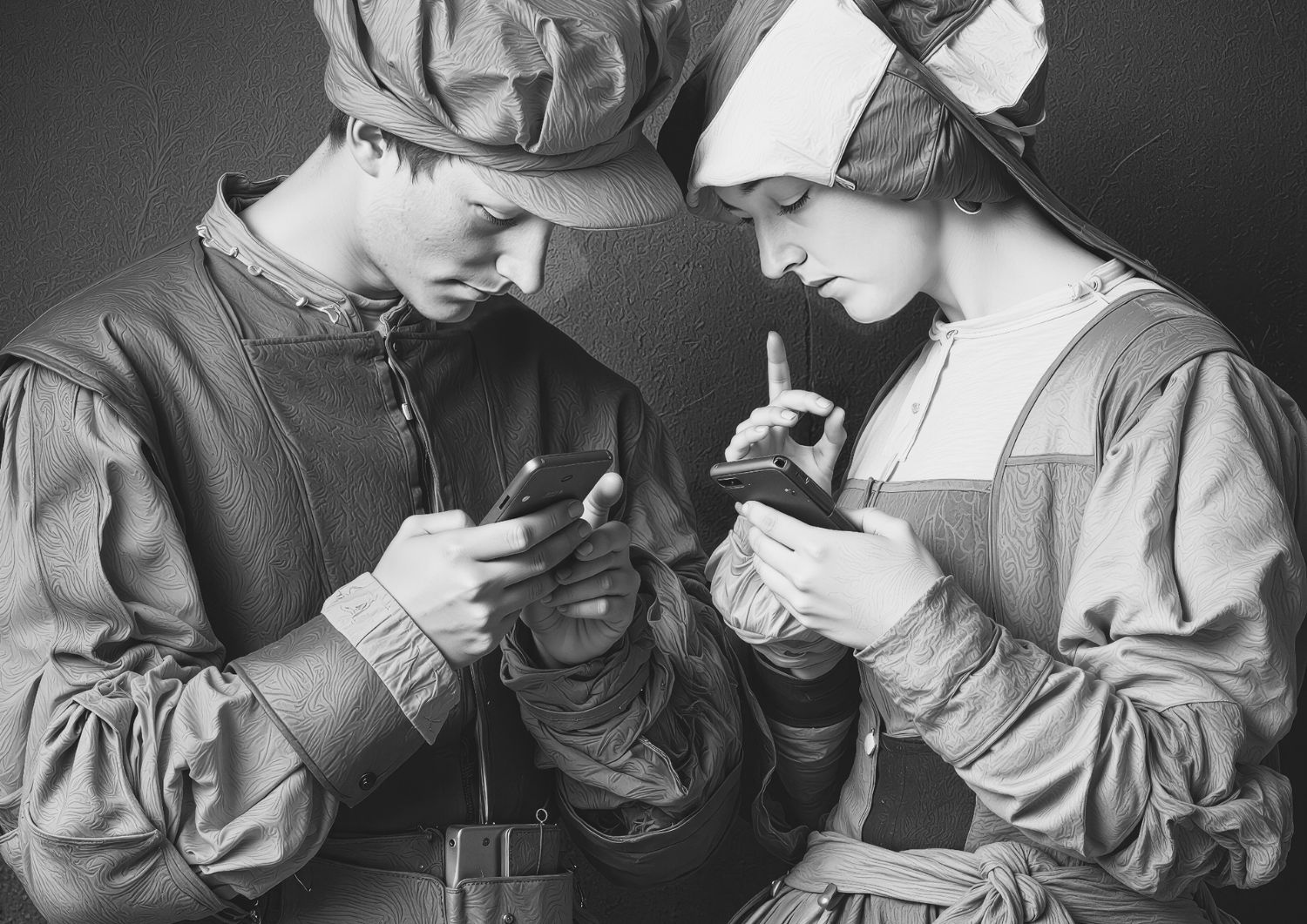
AI-generated image sourced from Canva
Generative Artificial Intelligence (GenAI) has taken the world by storm — transforming the way we write, design, and make decisions. But at HERITΛGE, we’re exploring how it can achieve something even more meaningful: help us understand, evaluate, and support community-led cultural heritage projects.
In 2023 HERITΛGE launched a call inviting and receiving hundreds of proposals from organizations, communities, and individuals in Africa to apply for small grants for Africa heritage projects — from traditional crafts and oral histories to sustainable tourism and cultural education. This was part of our HerMaP Africa initiative, supported by the Mellon Foundation.
The response was phenomenal. We received an unprecedented number of proposals from around the continent, over 1,700. A committee of experts was set up to examine them and decide which projects would be funded – no easy task!
To ensure that our funding decisions were fair, transparent, and data-driven, following the completion of the committee’s work, we joined forces with researchers from the Technical University of Munich (TUM) and Institute of Computer Science, Foundation for Research and Technology – Hellas (FORTH) – also our partners in the EU-funded SHIFT project, and the Group on Language, Audio, and Music (GLAM), at Imperial College London. Together, we set out to answer a simple but powerful question:
Can open, ethical AI help us make smarter and more equitable funding decisions?
The researchers, including HERITΛGE director, Dr. Evangelos Kyriakidis,introduced a framework that developed a new framework to analyze large collections of project proposals in the cultural heritage field — using a mix of established methods and the latest artificial intelligence (AI).
Our goal was to understand what themes and priorities appeared most often in proposals, and what factors might influenced their success.
To do this, we combined traditional topic modeling tools (which find recurring themes in texts) with large language models (LLMs) — the same kind of advanced AI behind tools like ChatGPT.
First, the traditional models identified broad topics across more than 1,700 project proposals focused on protecting and promoting heritage in Africa. Then, newer AI models refined these themes, helping us define them more precisely and in ways that make sense for the heritage field.
We also looked at how language was used in the proposals — for example, how complex the writing was, what tone it used (positive or negative), and whether certain patterns in language might influence how proposals are received.
This approach helped uncover hidden insights about how funding is distributed and what kinds of projects tend to succeed. Ultimately, the aim is to support more transparent and equitable funding decisions and to help cultural heritage organizations better tailor their proposals for impact.
Putting Ethics and Privacy First
While many people are familiar with AI tools like ChatGPT, these are proprietary systems that store data on external servers. When dealing with sensitive information such as grant proposals, that’s a serious concern.
Instead of sending data to the cloud, we used an open-source AI model (LLaMA3) and ran it entirely on our own secure systems. This ensured that all proposal data remained private and compliant with our ethical standards.
Finding Meaning in 1,700 Proposals
Our analysis identified 25 meaningful categories reflecting heritage priorities and emerging trends in real work on the ground in Africa— from agricultural heritage to sustainable crafts and inclusive education.
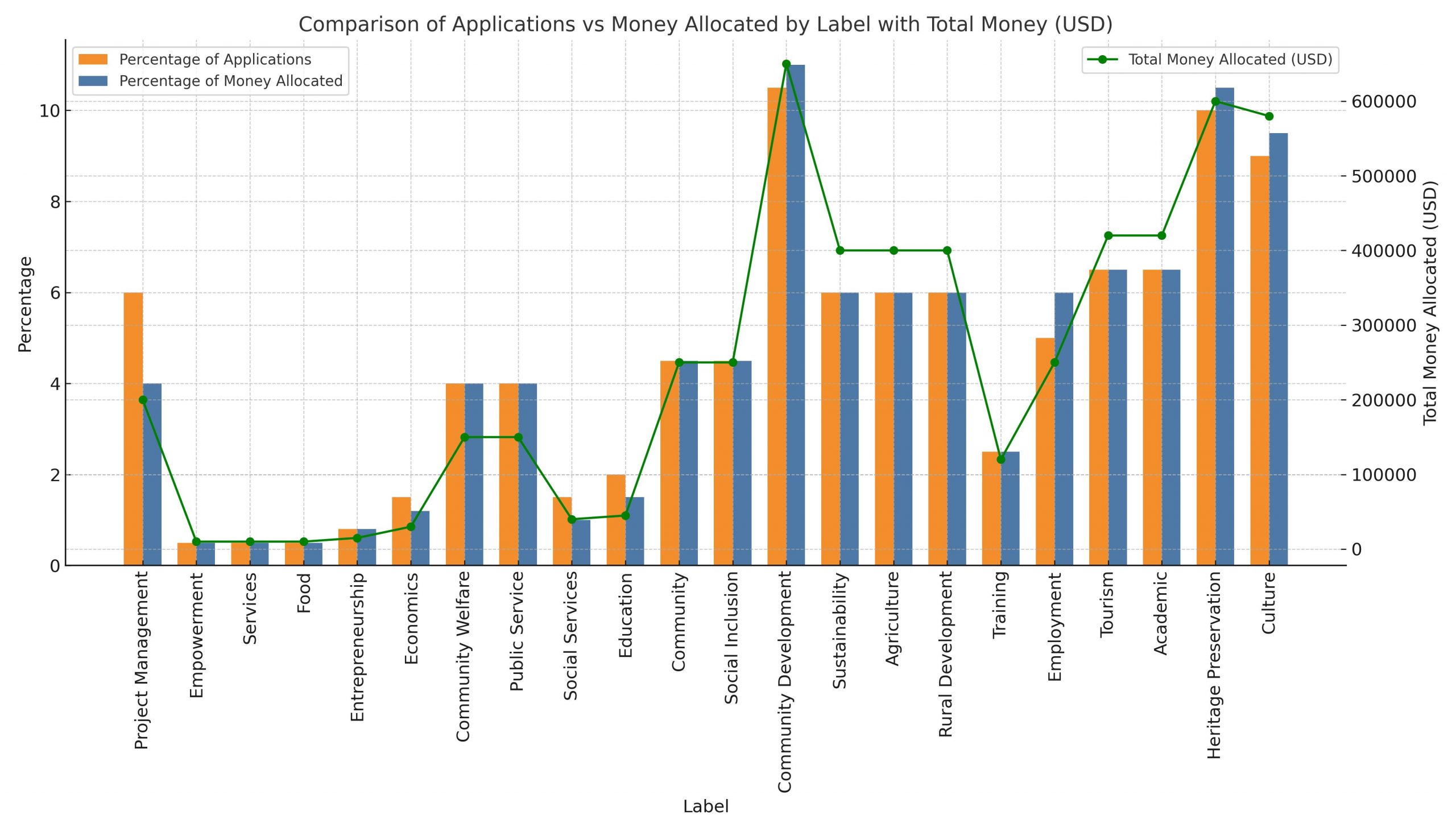 What we learnt was that Community Development, Heritage Preservation, and Culture emerged as the most common and well-funded themes. The figure below depicts how over $1 million of total allocations was apportioned among the 25 refined topics. Three leading categories—Community Development, Heritage Preservation, and Culture—each received close to $600,000. Meanwhile, areas like Social Services and Education fell below $50,000, indicating potential gaps in support.
Interestingly, Tourism and Academic work secured comparatively large allocations despite a smaller share of total applications, highlighting a more targeted focus in these areas. Keep in mind here that applicants had to demonstrate that their project has a lasting impact, develops capacity, builds networks, strengthens local skills, and has a strong, measurable impact for the protection of heritage and the benefit of local people.
Some topics tended to appear together. Our analysis showed that strong overlaps emerged among Community Development, Culture, and Heritage Preservation, implying that community-driven initiatives often intersect with preserving local culture. Similarly, Sustainability, Conservation, and Agriculture frequently clustered, reflecting an expanding emphasis on environmentally responsible heritage initiatives. By contrast, topics like Training, Business, and Economics tended to appear in isolation—suggesting room for more integrated, cross-cutting proposals (e.g. heritage based social enterprises).
We also used sentiment analysis, readability measures, and inclusivity keywords to study the “linguistic fingerprint” of each proposal: we found that sentiment, readabilitty and inclusivity all mattered. Accepted proposals scored higher in positivity, suggesting that evaluators respond well to an upbeat, confident tone. Both successful and unsuccessful proposals were typically quite technical, indicating that complexity alone isn’t a deal-breaker. However, a moderate level of clarity—i.e., avoiding overly dense jargon—tended to correlate with better outcomes. Terms like “diversity” and “accessibility,” as well as a moderate usage of gendered pronouns, appeared more frequently in awarded projects. This underscores the value placed on inclusivity and social impact within cultural heritage funding.
In plain terms, AI confirmed that trojects using positive and inclusive language tended to perform better with evaluators, showing that tone and clarity influence evaluation outcomes. These insights can guide future applicants toward stronger, more effective proposals.
Why It Matters
By uncovering patterns in both what applicants propose and how they articulate their projects, we can provide clearer guidance for future calls and better ensure that funding reaches impactful cultural heritage initiatives.
This study shows that AI, when used ethically, can help cultural heritage professionals make funding processes more transparent, efficient, and fair. It’s not about replacing human judgment but enhancing it with better data and insights — ensuring that resources reach the initiatives with the greatest impact.
HERITΛGE and its partners will continue refining this approach as a new call for proposals for heritage projects in Mexico will soon be published, under our recently launched HerMaP Mexico initiative.
You can find the study and more information on the TUM website.
From Nyamasheke to Kigali: Empowering Communities Through Cultural Heritage in Rwanda
By Eirini Oikonomidi, Rwanda Projects Manager
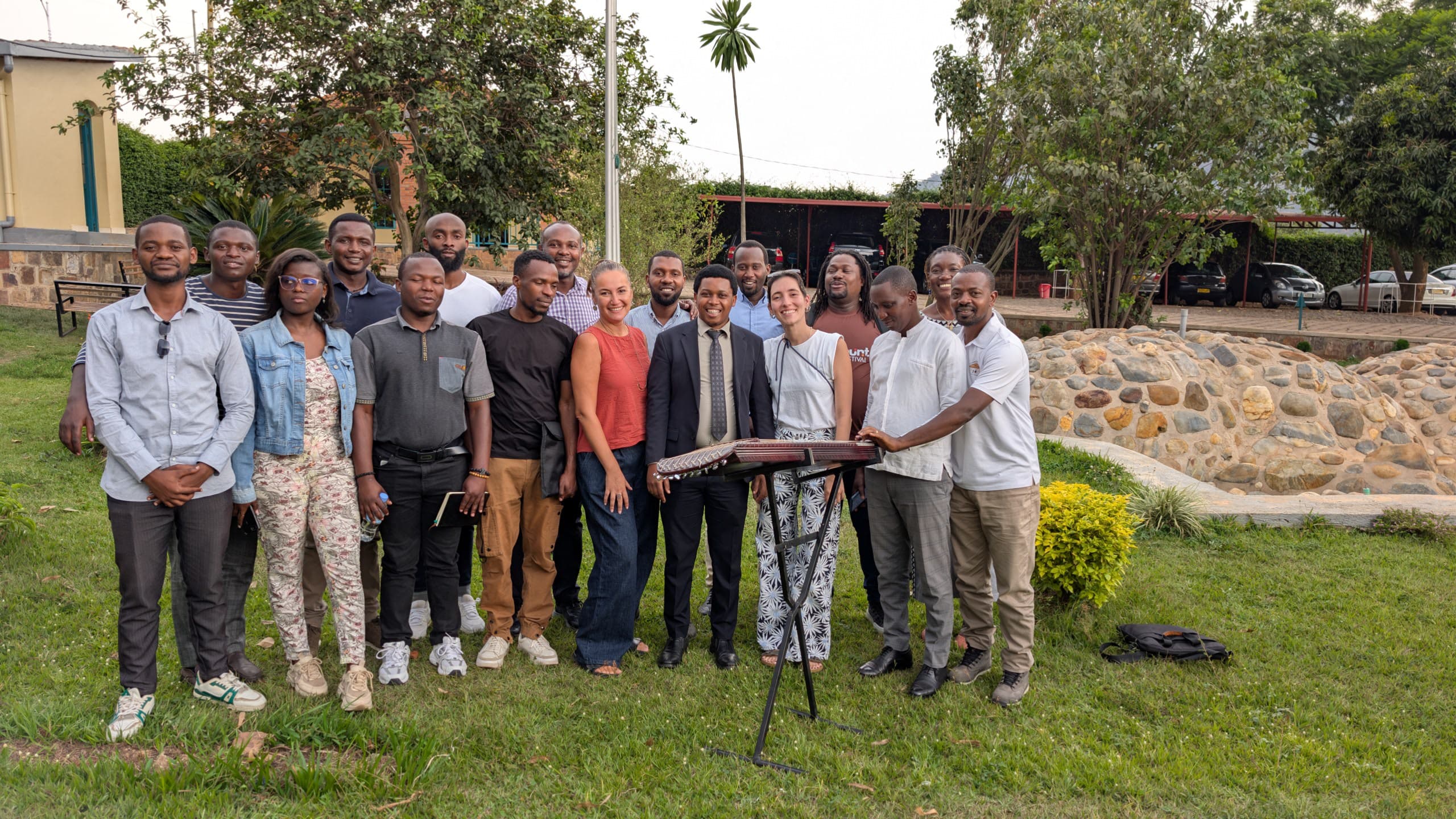
During the recent, nearly month-long visit to Rwanda, two successful and highly engaged workshops were conducted under the theme: “Engaging Communities in Cultural Heritage.” The training gathered 37 heritage practitioners who offered valuable insights, exchanged knowledge, and shared on-the-ground experience.
The workshops were led by Lena Stefanou and Aris Anagnostopoulos, whose expertise guided participants through practical strategies for community involvement.
The first workshop took place in the southwestern region of Rwanda, in Nyamasheke. This location was strategically chosen because the area is considerably more remote from Kigali, marking a significant step in expanding our programme’s on-site presence. Partnering with IVOMO, who provided crucial organisation and coordination support, the workshop focused intensely on local needs and specific challenges faced by communities in the Great Lakes region. The week spent in this tropical landscape underscored the importance of reaching remote areas to ensure a broad national impact.
Following the Nyamasheke session, the second workshop was hosted in Kigali, the capital of the country. This session broadened the discussion to encompass a wider range of stakeholders, organisations, and dynamic national applications. Our essential partner, the Rwanda Cultural Heritage Academy (RCHA), as always, provided excellent logistical support, including the necessary room and materials at the Kandt House Museum.
Ultimately, both intensive workshops provided fertile ground for the exchange of knowledge, the development of strategies, and the reinforcement of the role of local communities in the protection, preservation, and utilisation of cultural heritage as a driver for sustainable development.
Field Visits and Strategic Engagement
Following the successful completion of the workshops, the remaining weeks of the mission were dedicated to crucial field visits and high-level stakeholder meetings across Rwanda. As the Country Manager, I embarked on an extensive schedule to personally visit projects on the ground, covering a significant geographical expanse—from the tranquil shores of Lake Kivu in the west, across to the Ngoma District in the east, and down into the Southern Province.
This commitment to comprehensive on-the-ground presence yielded two vital outcomes for both our organisation and our local partners.
First, for me, the visits provided a vastly improved and granular understanding of the actual situation. Observing the projects firsthand allowed me to gain immediate clarity on their evolution, their current state, the specific difficulties local teams face, and their overall trajectory. This practical insight is indispensable for effective strategic planning.
Second, the impact on our local partners and the communities themselves was equally profound. By prioritising this on-site presence, we achieved a deeper connection that served to empower the local teams significantly. Our physical presence demonstrated a genuine interest and commitment, signaling the high value we place on their efforts and achievements. We had the opportunity to meet the dedicated individuals face-to-face, fostering stronger personal and professional relationships that reinforce the communities’ sense of ownership and dedication to the long-term sustainability of their cultural heritage work.
In short, these field visits transformed our theoretical understanding into tangible knowledge, strengthening both our project oversight and the foundational local partnerships necessary for lasting impact in Rwanda.
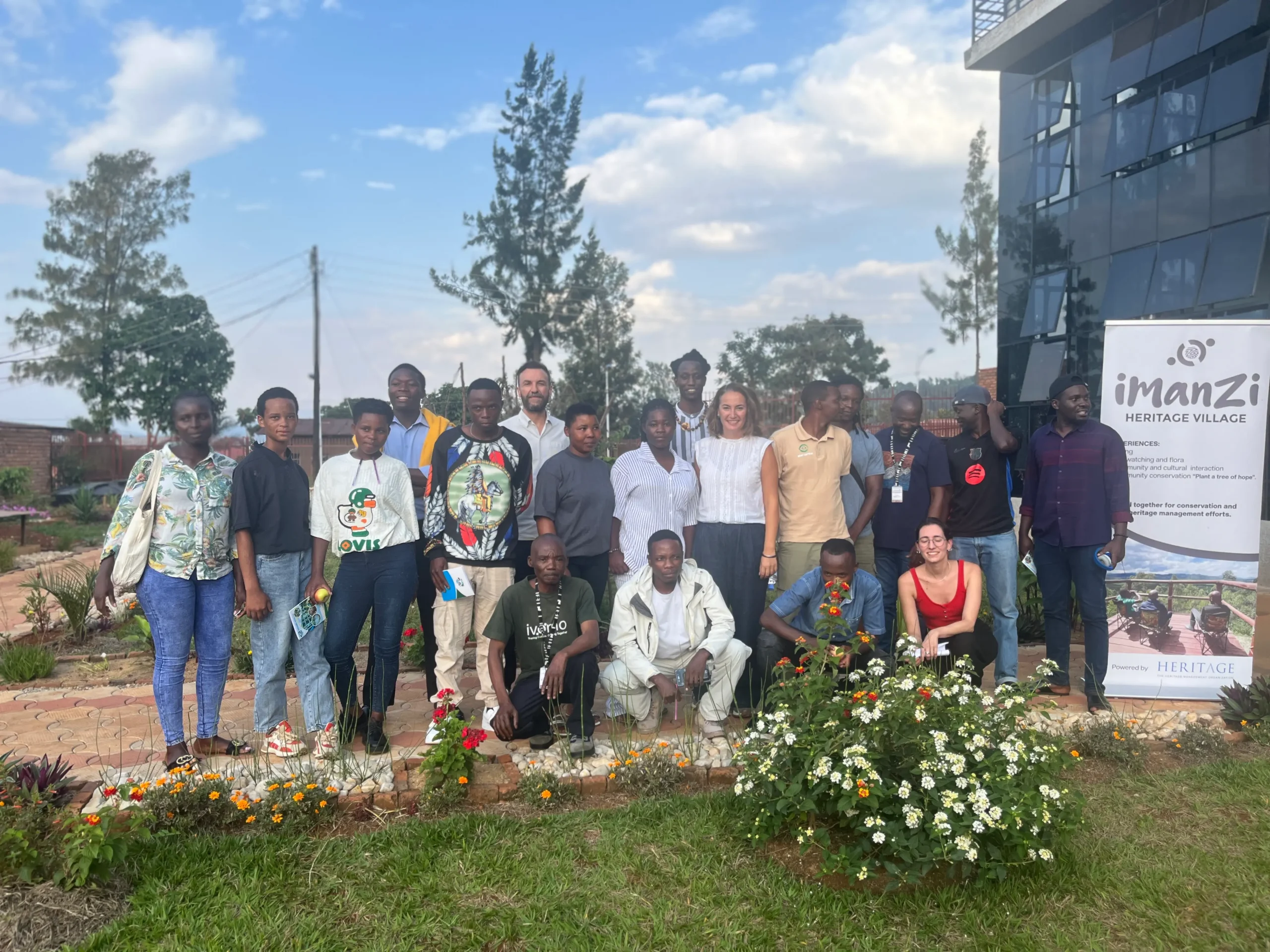
*** The visit and workshops are part of HERITΛGE’s HerMaP Africa initiative, generously supported by the Mellon Foundation.
Fisher Child launches its immersive heritage experience
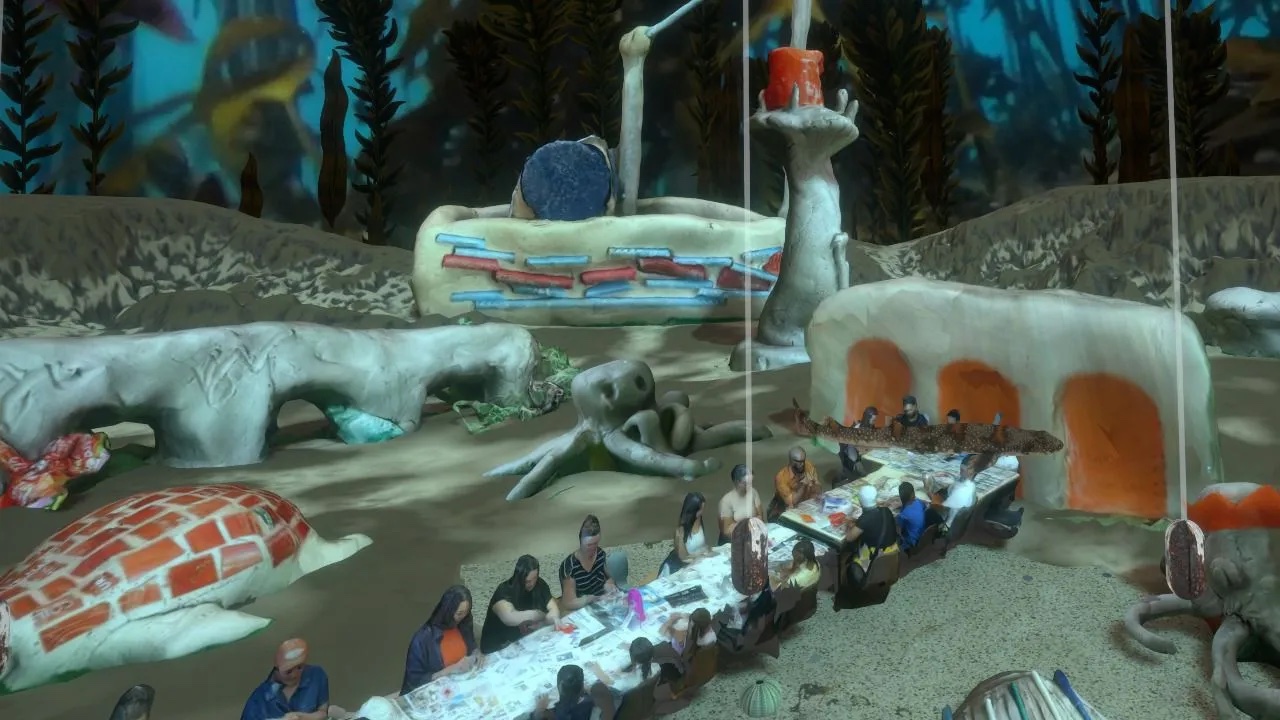
We are happy to share that TraciKwai’s Fisher Child VR Experience, one of the 75 projects funded by our Small Grants for Africa, an initiative generously supported by the Mellon Foundation, had its official launch on June 21st.
Project Fisher Child is a multidisciplinary storytelling experience that weaves together VR, AR, and QR technologies. Each element offers a unique narrative that intersects and overlaps with the others, creating a rich, immersive journey. Whether you are engaging on-site or from wherever you are, the stories remain accessible and impactful.
The launch event was a great success and was attended by 100 people who gathered at the small community hall in Kalk Bay.The guests came from both the local fishing community and the wider Cape Town area and queued in front of each of the two-by-two marked out squares, patiently waiting for their turn to experience the Virtual Reality, Living Museum of stories and images housed inside a 3D world; a repository of archival material including images, old photographs and the ancient sound of the Poedjies unique to the area.
A multi-sensory experience of sight and sound combined with the flavours and aromas of fresh indigenous food: “viskop sop”, smoor snoek en gebakte brood (fish head soup, fish stew and freshly baked bread) topped with home made preserves and spicy tea.
Community members were brought to tears as they heard the voices of old friends and family members who were no longer there and young voices gave them a sense of hope and pride and belonging.
The VR experience made them feel as though they were immersed under the sea and created feelings of nostalgia and they were able to share those memories with us after.
Age was no barrier. This experience was enjoyed by five year olds and eighty five year olds alike.
The Augmented Reality Museum Jars were also a big success, with quite a few sold on the day. Participants were so engrossed in the experience that many needed gentle encouragement to exit!
All in all a very successful community event!
Experience some of the exhibits yourself here.
