
: Projects
Preserving Europe’s Musical Heritage Through Technology: the First MusicSphere Use Case Meeting
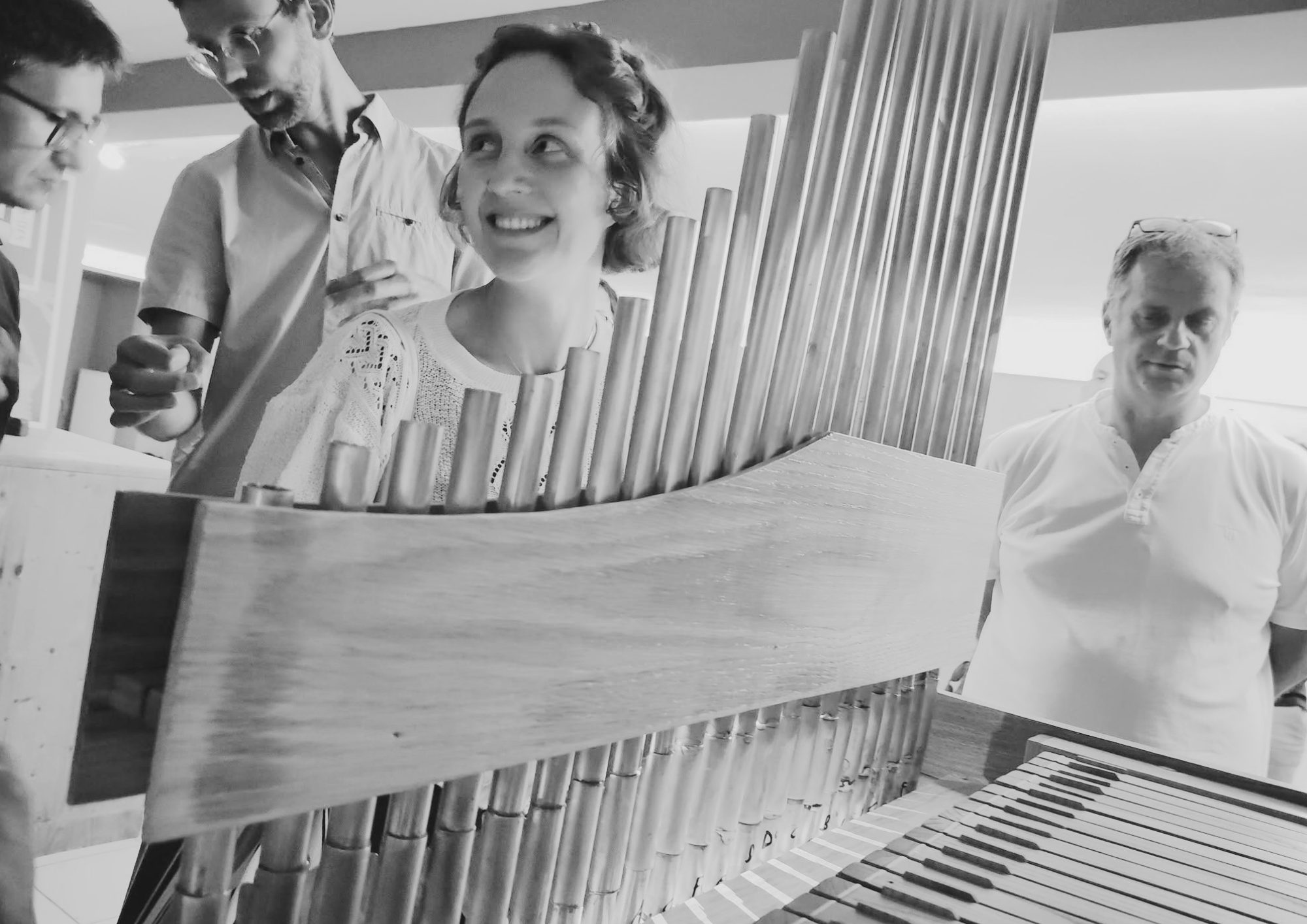 HERITΛGE is proud to be a partner in MusicSphere, a Horizon Europe-funded project and part of the wider European Cultural Heritage Cloud ecosystem being developed through the ECHOES initiative. Bringing together experts in cultural heritage, musicology, conservation, artificial intelligence, digital technologies, and immersive experiences, MusicSphere seeks to transform the way traditional musical instruments are documented, studied, preserved, and experienced.
The project focuses particularly on traditional musical organs and other historically significant instruments, combining advanced 3D technologies, acoustic analysis, artificial intelligence, digital twins, and immersive virtual and augmented reality experiences. By capturing not only the physical form of these instruments, but also their internal structure, mechanical behaviour, sound production, craftsmanship, and interaction with their architectural environment, MusicSphere aims to preserve both the tangible and intangible dimensions of Europe’s rich musical heritage.
On 2–3 June 2026, representatives of the MusicSphere consortium gathered in Thessaloniki, Greece, for the project’s first Use Case Meeting. Hosted by the International Hellenic University (IHU) and LUTHIEROS, the event brought together project partners to review progress, strengthen collaboration, and explore the cultural heritage that lies at the heart of MusicSphere’s research and innovation activities.
HERITΛGE was represented by Dr Aris Anagnostopoulos, who joined fellow consortium members for two days of discussions, cultural visits, and technical exchanges.
Exploring Organ Heritage: From Ancient Innovation to Living Traditions
The first day focused on cultural visits connected to MusicSphere’s first use case, which examines the Hydraulis of Dion within the broader context of Europe’s organ heritage.
Partners travelled to Katerini to visit the Greek Evangelical Church, home to the largest pipe organ installed in a church in Greece. Built by Weigle and installed in 1980, the instrument features 22 registers and a fully mechanical action system. The visit offered valuable insights into the preservation, operation, and cultural significance of pipe organs, which represent one of the project’s primary areas of focus.
The consortium then visited the Archaeological Museum of Dion, where participants explored the remains of the Hydraulis of Dion, the oldest surviving pipe organ ever discovered and the earliest known keyboard instrument in history. Invented in Alexandria during the 3rd century BCE, the Hydraulis is widely regarded as the technological ancestor of the modern pipe organ and an important milestone in the development of musical instruments.
Although only fragments of the original instrument survive, the Hydraulis provides a fascinating opportunity to investigate the origins of organ technology. As part of MusicSphere’s first use case, partners are exploring how advanced digital technologies can help reconstruct and better understand this remarkable instrument.
The day concluded with a visit to the SEIKILO Museum of Ancient Music in Thessaloniki, including a guided tour and live concert. Managed by MusicSphere partner LUTHIEROS, SEIKILO is the world’s first interactive museum dedicated to ancient music. Visitors can hear, touch, and play reconstructed ancient Greek instruments while exploring the sounds and musical traditions of the ancient world.
Developing Digital Twins for Musical Heritage
A central objective of MusicSphere is the creation of advanced digital representations of traditional musical instruments that capture far more than their physical appearance.
Through the integration of 3D scanning, digital reconstruction, acoustic modelling, artificial intelligence, and immersive technologies, the project seeks to recreate not only the instruments themselves but also their soundscapes, performance characteristics, and cultural contexts. These digital twins will help researchers, conservators, musicians, and the wider public explore and experience instruments that may be fragile, inaccessible, or partially lost.
For the Hydraulis of Dion, this approach offers a way to reconstruct missing components and explore how the instrument may originally have functioned and sounded, despite the fragmented nature of the surviving remains.
Reviewing Progress Across the Project
The second day was dedicated to consortium meetings hosted by the International Hellenic University.
Partners reviewed progress across multiple work packages and discussed upcoming milestones, deliverables, and technical developments. Discussions focused on artificial intelligence algorithms, toolkit architecture, digitisation activities, dataset preparation, acoustic analysis methodologies, and the development of the project’s advanced technological infrastructure.
The International Hellenic University also presented the latest 3D reconstruction of the Hydraulis of Dion, demonstrating ongoing work towards its digital restoration and integration into the project’s Digital Twin framework.
Dedicated technical sessions allowed partners to align requirements, exchange expertise, and coordinate future implementation activities.
SHIFT project pilots: an update
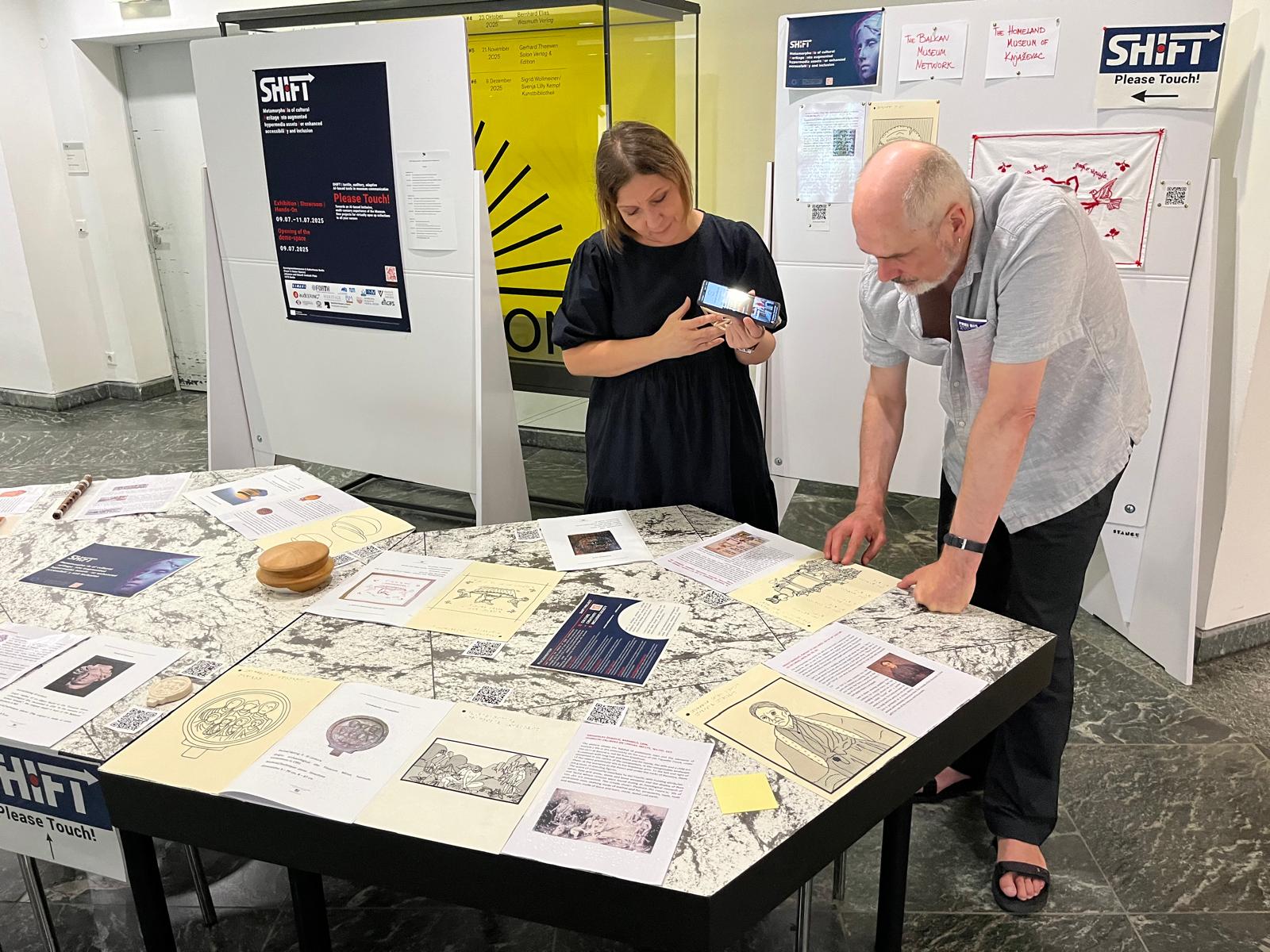
Over the past year, the SHIFT project has held a series of pilot events across Europe. Each pilot has tested innovative digital tools designed to make cultural heritage more inclusive and engaging for everyone. From Romania to Hungary, Germany to Serbia, the pilots have demonstrated how artificial intelligence (AI), virtual reality (VR), haptic technology and multimodal storytelling can open new doors for audiences, particularly those with disabilities.
Romania
The first pilot was launched in April during the ANBPR National Conference, BiblioNEXT 2025, in Sibiu. Titled Romanian History and Customs Explained to Digital Natives, it explored how libraries can use technology to make cultural heritage accessible to younger audiences. Rare books, photographs and archival recordings were enhanced with tools such as image-to-video animation, text-to-speech narration, real-time translation and automatic labelling.
The event placed a strong emphasis on inclusion, and a feedback session with participants from vulnerable groups helped identify strengths and areas for improvement, ensuring that the tools are refined to meet diverse needs.
Budapest
The second pilot followed in May at the Semmelweis Museum of the History of Medicine in Budapest. Over four days, visitors tested the VR-Haptic tool created by FORTH, which allows users to experience historic objects through touch in a virtual environment.
Participants, including people with hearing and visual impairments and those on the autism spectrum, were invited to explore a reconstruction of a 19th-century surgical procedure. Feedback was overwhelmingly positive, with users stressing how much such tools could enrich museum visits. A public event on 30 May gave wider audiences the chance to see behind the scenes, learn about the development process and ask questions directly to the technical teams.
Berlin
In July, the State Museums of Berlin hosted SHIFT’s third pilot, Please Touch! Towards an AI-based inclusive, multisensory experience of the Museum. Over three days, visitors engaged with iconic objects such as the Pergamon Altar using VR headsets and haptic gloves. These devices allowed people, particularly those with visual impairments, to sense textures, shapes and even the perceived temperature of sculptures.
Other innovations on display included soundscapes that bring digitised paintings to life, tools that convert images into spoken descriptions, and AI-supported storytelling techniques. Workshops explored how such technologies can be integrated into museum practice, encouraging curators to think beyond the visual and design experiences that speak to all the senses.
Serbia
The fourth pilot took place at the end of July at the Homeland Museum of Knjaževac in Serbia. Around 30 participants, from cultural professionals to representatives of disability groups, gathered to test SHIFT’s authoring tools, gesture recognition technologies and the main project platform.
The museum also presented its own tactile exhibition, featuring 3D replicas of artefacts, audio and video guides and sign language interpretation. A highlight of the event was the dialogue between Serbian and German associations of blind and partially sighted people, reinforcing the importance of international cooperation in developing accessible solutions.
Back to Romania!
The series continues this autumn with a second Romanian pilot on 17 September at the “I.H. Rădulescu” County Library in Târgoviște. Once again under the theme Romanian History and Customs Explained to Digital Natives, the event will present new features, including automatic text summaries, multimodal storytelling, affective text-to-speech voices adapted for different audiences, and innovative tools that transform still images into short videos.
Around 40 participants are expected, including librarians, academics, students, entrepreneurs and local officials, all exploring how libraries can embrace digital technologies to widen access to culture.
SHIFT (MetamorphoSis of cultural Heritage Into augmented hypermedia assets For enhanced accessibiliTy and inclusion) supports the adoption of digital transformation strategies and the uptake of tools within the creative and cultural industries (CCI), where progress has been lagging. Read more here. It is funded by the European Union’s Horizon Europe program.
AHEAD Multiplier Event in Athens
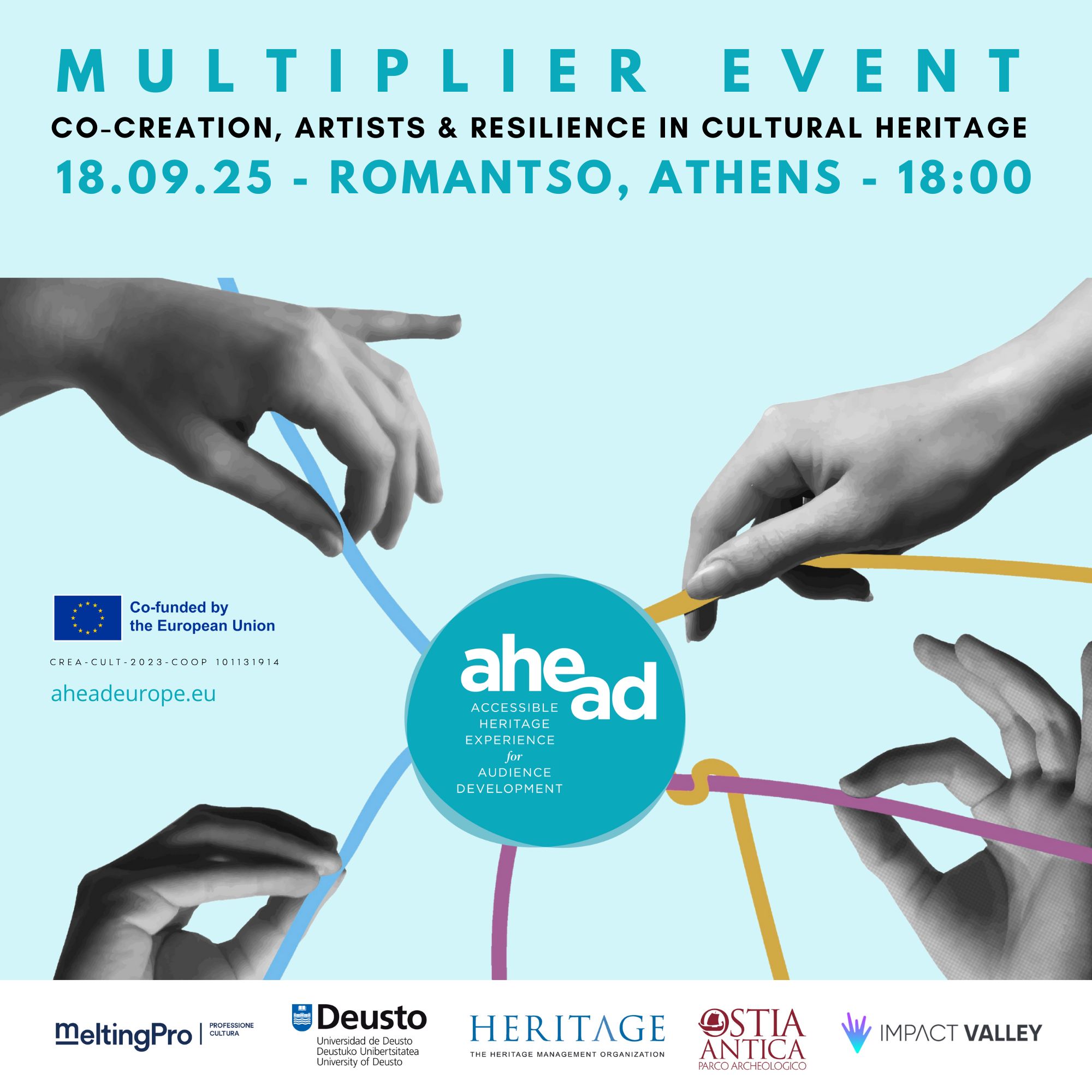
As we enter the concluding weeks of this inspiring project, the multiplier event will be an opportunity to share results, reflect on lessons learned, and celebrate achievements with the community. Over the past two years, HERITΛGE has worked with AHEAD’s Greek hub, the Archaeological Museum of Messara in Crete, on a wide range of activities — including labs, talks, and the development of prototype experiential museum experiences. An artist with ties to the location, Elektra Angelopoulou, was selected to co-create an experience with the local community and offer innovative insights.Through these collaborations, AHEAD explored innovative ways to engage local audiences and make heritage more inclusive, accessible, and participatory, with the dual aim of reaching new audiences and equipping cultural heritage managers with the skills to sustain them.
The evening will open with a presentation of the AHEAD project, its outcomes, and the use of design thinking for the development of cultural heritage audiences. Elektra Angelopoulou, will highlight the artistic dimension of the project, sharing insights into her co-creation work with local communities.
Participants will be invited to take part in an informal networking session over drinks and snacks — a chance to exchange ideas and forge new connections.
The AHEAD Multiplier Event will bring together cultural professionals, institutions, creative SMEs, NGOs, policymakers, and community members to discuss how heritage can become more accessible and relevant to diverse audiences.
We are delighted to celebrate the culmination of this important journey and to share AHEAD’s results with you, our partners, stakeholders, and the public.
Romantso Event Hall, Anaxagora 3, Athens
18 September 2025 | 18:00–19:30
Celebrating Cultural Heritage in Lahore
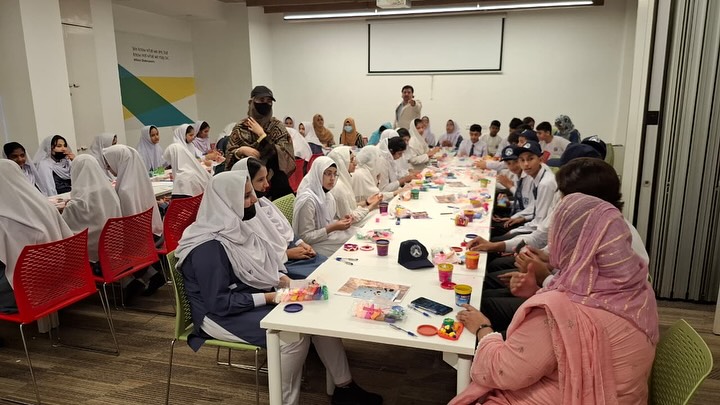
In August 2025, Lahore hosted two events that celebrated Pakistan’s rich heritage and explored innovative approaches to its preservation with the participation of our Preservation of Buddhist Rock Reliefs in the Swat Valley project.
At the British Council Library in Lahore, school students from across the city took part in an interactive session designed to introduce them to the Gandhara civilisation and its artistic legacy. Organised under the project “Preservation of the Buddhist Rock Reliefs in the Swat Valley: Digital Documentation, First-Aid Conservation, and Climate Change Adaptation,” the initiative forms part of the British Council’s Cultural Protection Fund (CPF) and was implemented in collaboration with national and international partners, including the Directorate of Archaeology and Museums, Khyber Pakhtunkhwa, the Italian Archaeological Mission to Pakistan, The Heritage Management Organization, and Essanoor Associates.
During the session, students engaged in creative workshops that encouraged exploration of heritage, history, and environmental awareness. They painted tote bags inspired by Gandharan motifs and crafted clay replicas of artefacts. The programme successfully combined artistic expression with educational enrichment, fostering both appreciation and curiosity for cultural preservation.
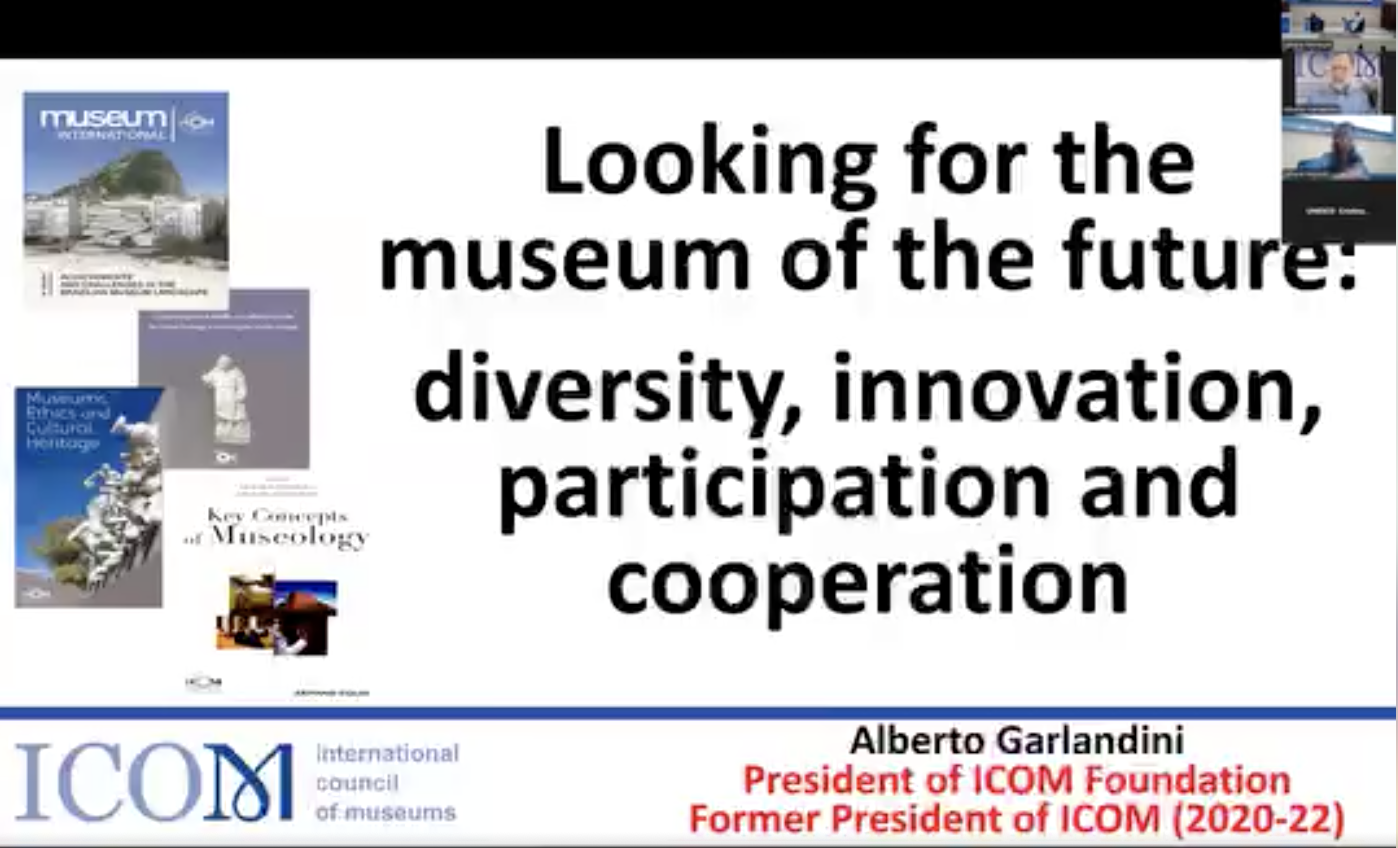
On the same day, the Lahore Museum hosted an International Panel Discussion entitled “The Future Museum: Technology, Heritage Conservation, and Inclusive Innovation.” The event was supported by ICOM, UNESCO, Essanoor Associates, the Heritage Management Organization, and the Tourism, Archaeology and Museum Department, and featured experts including Dr. Cristina Mengazzi (UNESCO), Alberto Garlandini (ICOM Foundation), Ar. Kashif Essa, and Malik Magsood, with moderation by Zainab Sabri, the Museum Education Officer. The panel examined the evolving role of museums, highlighting how technological advancements, innovative curation strategies, and inclusive practices can make cultural institutions more accessible and sustainable. Discussions also addressed local challenges and opportunities, bridging international perspectives with Pakistan’s heritage context. Th recording is available on Lahore Museum’s Facebook page.
Both were fantastic initiatives which illustrated Lahore’s multi-faceted approach to cultural engagement, demonstrating how hands-on educational programmes for young learners can complement professional dialogues on innovation and preservation.
Παρουσίαση του έργου AHEAD στην Αθήνα
Καθώς το έργο πλησιάζει στην ολοκλήρωσή του, η εκδήλωση θα αποτελέσει μια ευκαιρία να παρουσιαστούν τα αποτελέσματα, να αναλογιστούμε όσα αποκομίσαμε και να γιορτάσουμε τα επιτεύγματα του AHEAD μαζί με την κοινότητα της πολιτιστικής κληρονομιάς της χώρας μας.
Τα τελευταία δύο χρόνια, ο οργανισμός HERITΛGE συνεργάστηκε με τον ελληνικό κόμβο του AHEAD, το Αρχαιολογικό Μουσείο Μεσαράς στην Κρήτη, για την υλοποίηση μιας σειράς δράσεων του έργου — εργαστήρια, ομιλίες και ανάπτυξη πρωτοτύπων βιωματικών εμπειριών για μουσεία. Μια καλλιτέχνις με δεσμούς με την περιοχή, η Ηλέκτρα Αγγελοπούλου, επιλέχθηκε να συν-δημιουργήσει μια εμπειρία με την τοπική κοινότητα και να προσφέρει καινοτόμες προσεγγίσεις. Μέσα από αυτές τις συνεργασίες, το AHEAD διερεύνησε νέους τρόπους ενεργοποίησης του κοινού, με διπλό στόχο: την ανάπτυξη νέων κοινοτήτων και την ενδυνάμωση των διαχειριστών πολιτιστικής κληρονομιάς με τις απαραίτητες δεξιότητες για τη διατήρησή τους.
Η βραδιά θα ξεκινήσει με μια παρουσίαση του έργου AHEAD, των αποτελεσμάτων του και της μεθοδολογίας design thinking για την ανάπτυξη κοινού στον χώρο της πολιτιστικής κληρονομιάς. Η Ηλέκτρα Αγγελοπούλου θα μοιραστεί εμπειρίες από τη συν-δημιουργία με την τοπική κοινότητα, αναδεικνύοντας την καλλιτεχνική διάσταση του έργου.
Η εκδήλωση θα κλείσει με μια χαλαρή συνεδρία δικτύωσης, όπου θα προσφερθούν σνακ και ποτά, δίνοντας στους παριστάμενους την ευκαιρία για ανταλλαγή ιδεών και απόψεων.
Θα χαρούμε να σας καλωσορίσουμε, να μοιραστούμε τις δράσεις του AHEAD και να γιορτάσουμε την ολοκλήρωση αυτού του σημαντικού ταξιδιού μαζί με εσάς — τους εταίρους, τους συνεργάτες και το κοινό μας.
Romantso, Αναξαγόρα 3, Αθήνα
18 Σεπτεμβρίου 2025 | 18:00–19:30
Reflections on a year of Architectural Heritage Preservation in Times of War: The Ukrainian Model
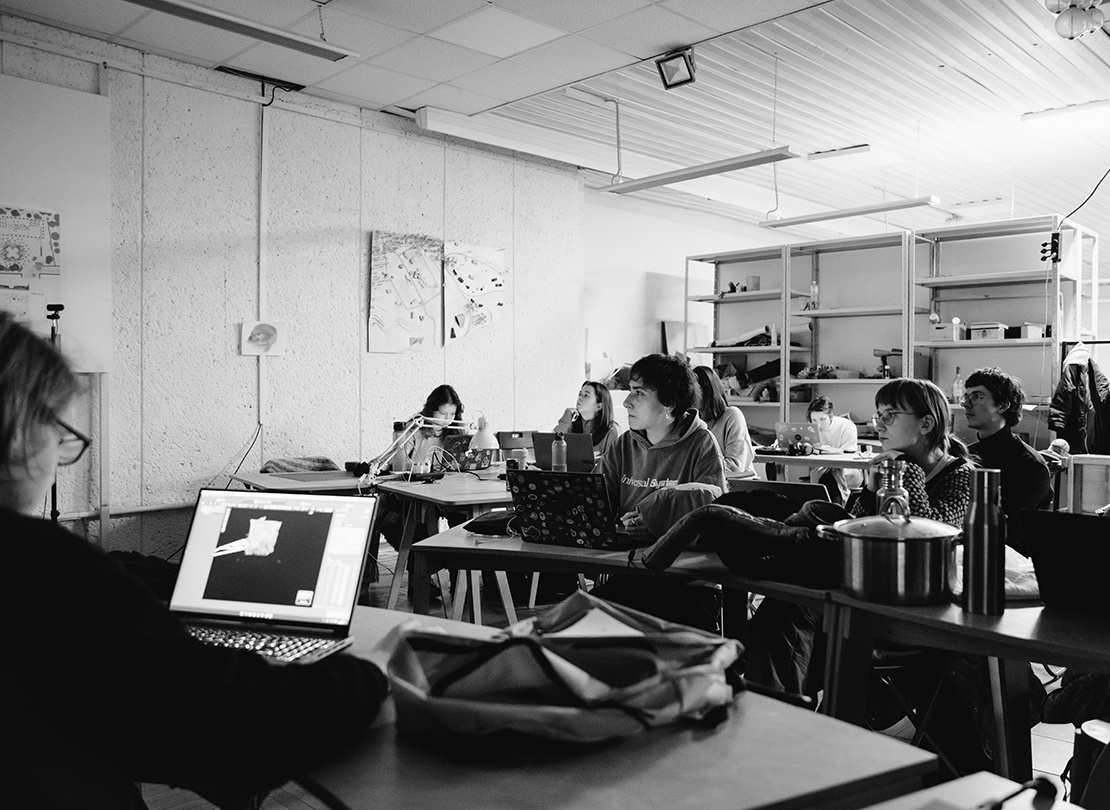
In times of war, when destruction seems to rewrite the physical and cultural landscape of a nation, a different kind of architecture emerges – one built from knowledge, skill, and an unyielding commitment to protect memory. The project “Architectural Heritage Preservation in Times of War: The Ukrainian Model” stands as a powerful example of what can be accomplished when education, resilience, and international collaboration converge with urgency.
Launched in September 2024 by HERITΛGE in collaboration with the Kharkiv School of Architecture (operating from Lviv) and 3D documentation experts of Skeiron, this project set out to train a new generation of heritage architects and educators equipped with the technical and ethical tools needed to preserve Ukraine’s imperiled architectural heritage.
Building knowledge amid collapse
As buildings fall and monuments come under attack, the project focused on something less visible but deeply enduring: education. Over the course of the academic year, it reached 30 students and 10 educators from across Ukraine – Chernivtsi, Dnipro, Kharkiv, Kherson, Poltava, Zaporizhzhia, Kyiv, Odesa, Lviv and Vinnytsia regions – through an intensive curriculum that merged theory with fieldwork. Topics ranged from cutting-edge techniques like photogrammetry and 3D laser scanning to international conservation standards and legal frameworks.
Field internships in Western Ukraine led by Skeiron gave students hands-on experience in documenting heritage sites. They produced high-resolution digital scans and architectural records that now serve both as tools for future conservation efforts and as acts of cultural preservation in their own right.
In parallel, the programme’s educator training combined online learning with in-person workshops coordinated and hosted by the Kharkiv School of Architecture and practical exercises. This dual approach enabled participating teachers to develop their own heritage-focused curricula – tailored to their institutions – and expand the reach of conservation education across the country.
The urgency of this work is echoed in the April 2025 report “The Ukrainian Cultural Sector in Wartimes: Emergencies – Needs – Measures”, which highlights a critical shortage of qualified professionals in conservation, restoration, and heritage protection. The report calls for systemic investment in education, especially in frontline regions where remote-only instruction has left gaps in competencies. Against this backdrop, the project addressed not just a wartime emergency, but a long-standing structural need for enhanced education in architectural heritage conservation.
The project’s broader legacy
Though limited to one academic year, the project’s impact far outstrips its timeline. It catalysed the development of a reproducible curriculum, created a set of digital documentation of 15 heritage sites, and introduced conservation methodologies to institutions that previously had limited access to such tools. Perhaps most importantly, it demonstrated how cultural preservation can be reframed as a form of resistance and recovery.
A series of public webinars and lectures – featuring experts from Ukraine and abroad – helped bridge gaps in knowledge and connect students and instructors with global heritage preservation communities. The programme didn’t just train students; it helped cultivate a network of professionals who carry forward the mission of architectural conservation with firsthand experience and shared purpose.
A call to sustain what was started
Despite its success, the project ended in 2025 due to funding limitations. Its early closure is a sobering reminder of the fragility of cultural preservation efforts in conflict zones. Yet it also underscores a core truth: the preservation of architectural heritage is not a one-off intervention. It is a long-term commitment that demands sustained investment, institutional backing, and policy support.
The tools have been built. The knowledge has been shared. What remains is the will to continue – through new programs, policy reform, and the support of international allies.
Final thoughts
In Ukraine today, every carved facade, every war-scarred cornice tells a story – not only of destruction but of survival. The “Architectural Heritage Preservation in Times of War” project ensured that these stories are not lost. As Ukraine continues its path through war toward recovery, the architects trained through this programme will stand among its quiet heroes – those who understand that rebuilding is not just about walls, but about the memory those walls hold.
Now, more than ever, we must ask: what kind of future do we build if we let the past be erased?
Find out more about our projects here.