
: HerMaP Africa
Project Management Workshop in Rwanda
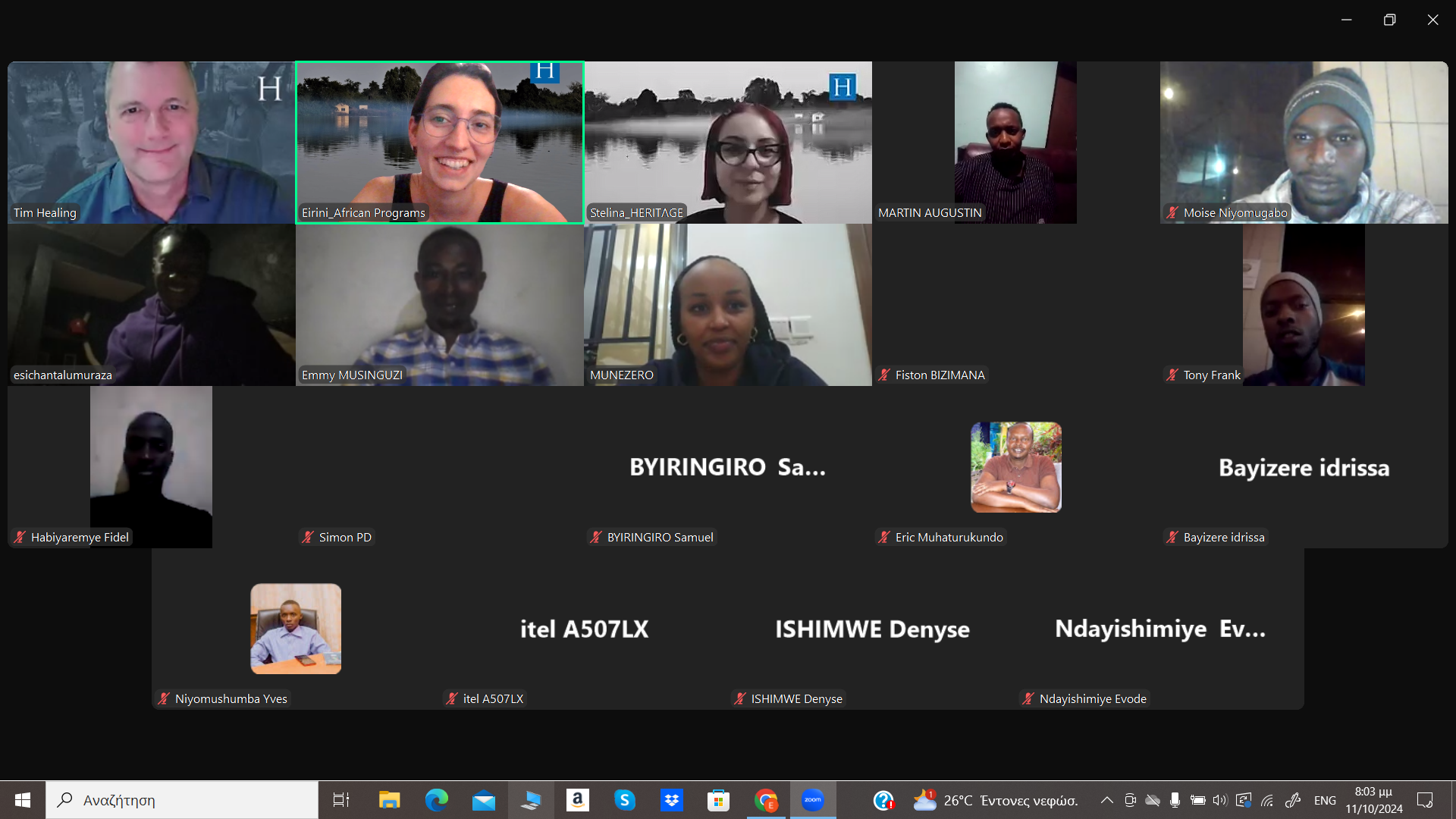
In October, heritage managers from fifteen institutions across Rwanda joined us online for our Project Management for Heritage Managers Workshop. The course aims to help stakeholders build a better understanding of how to effectively run heritage projects from inception to closure, including evaluation.
HERITΛGE’s Tim Healing started the programme by introducing the basic principles and tools of project management using four case studies from Ghana, South Africa, Niger and Sudan. Participants then focused on specific skills including budget planning, risk management, monitoring and grant writing in the planning and implementation phases of projects. Instructions were then given for the requirements of the final project which will be submitted in groups.
The 22 participants included officials from the Ministry of National Unity and Civic Engagement (MINUBUMWE), the Rwanda Cultural Heritage Academy, the Rwanda Metereology Agency, Kigali Independent University, Rwanda Queen’s Museum, Mfura foundation, the Rwanda Digital Cultural Archive and Rwanda History Archives (Heritage Hub), Amatha Tech/ Rwanda Digital Heritage Platform, RWANDA cultural Library, NZIZA NGO, Golden Class Travel Agency, Art & Travel Ltd, Bwishyura Kivu Boat Cooperative, and Marti’s public secretariat Ltd.
The course was well received and participants showed great interest in how to manage a project and attract potential funders.
The workshop’s focus on real-life case studies also provided actionable insights, which I can implement in ongoing projects.
“Learning how to balance heritage conservation with sustainable development, while involving local communities, was particularly valuable. The workshop’s focus on real-life case studies also provided actionable insights, which I can implement in ongoing projects.” said Aime Ntyonagize, Founder and Director of Amatha Tech/ Rwanda Digital Heritage Platform.
Personally, I liked how very experienced the instructor is in Project Management.
“Personally, I liked the way the instructor is very experienced in Project Management, impressive topics, facilitations and explanations from the trainers etc. To be precise and concise, what I liked most is the project management skills and qualities of a good project manager that I gained from the instructors and facilitators during the course. It was so impressive and fantastic,” said Emmy MUSINGUZI, Genocide Memorials & Site management Officer / Bisesero memorial site
Tim Healing is our interim director of African Grants, and capacity development officer helping small heritage organizations in Africa develop an application and ensure they manage their grant efficiently. Tim has over thirty years’ experience working as a project manager and has a professional background in project management, community and NGO development.
For more information about HERITΛGE’s workshops, go to our open courses page, or follow us on Facebook, Twitter / X, LinkedIn or Instagram.
Yahode Festival: Beacon for peace, reconciliation, and renewal in Ethiopia
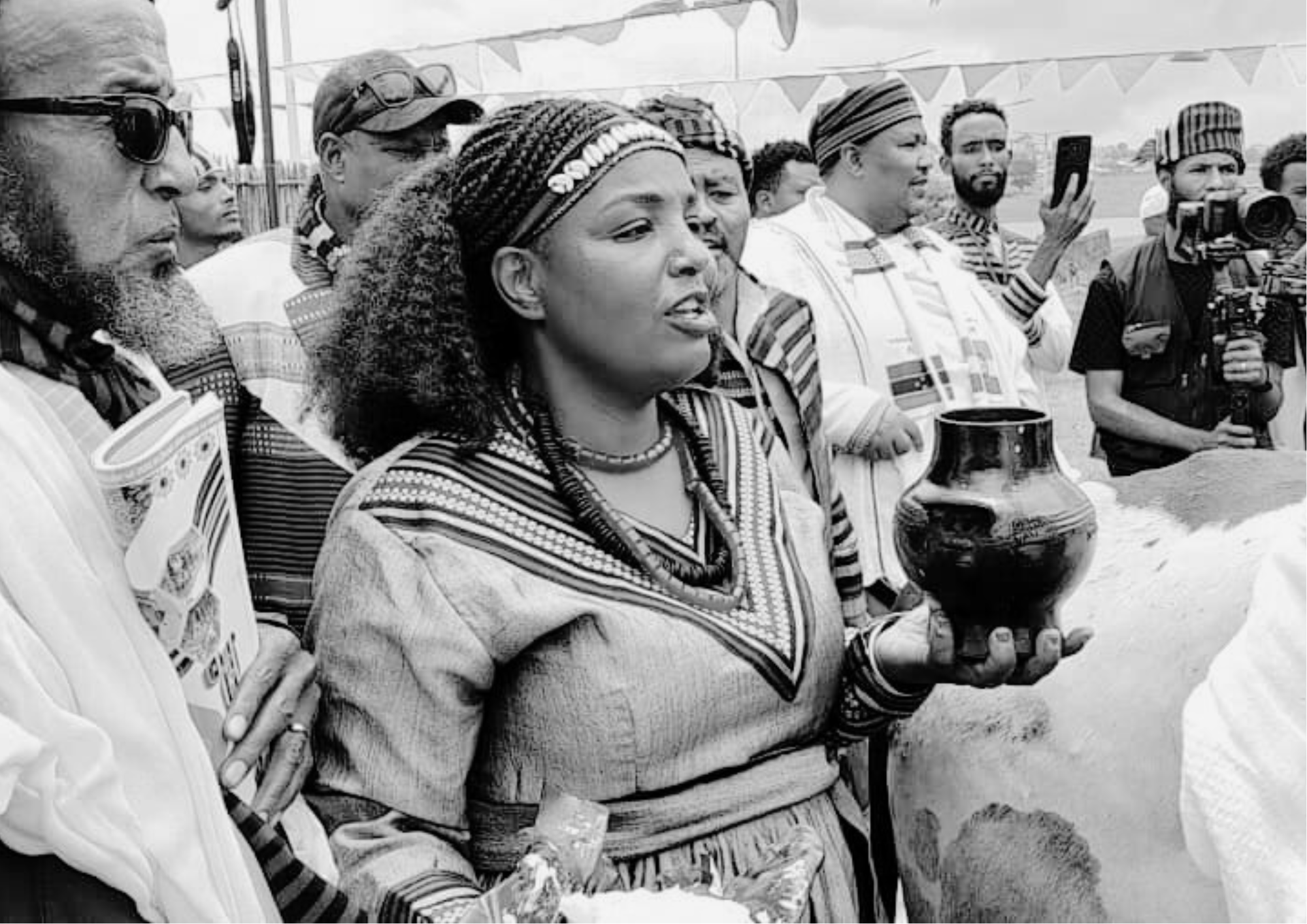
Written by: Habtamu Gizawu Tola & Xanthippi Kontogianni
Ethiopia’s rich cultural landscape is a testament to its diverse heritage, and the Yahode festival stands as one of the most vibrant expressions of this legacy. Celebrated annually by the Hadiya people in the Central region, Yahode marks the New Year and is a significant Thanksgiving event, embodying the values of peace, reconciliation, and renewal. More than just a cultural celebration, Yahode offers organizations like the Heritage Management Organization a unique opportunity to forge connections with local stakeholders, assess the needs of Ethiopia’s heritage sector, and enhance heritage management capabilities in a meaningful way.
At the heart of Yahode is a powerful transition—from the darkness of the old year to the brightness of the new—imbued with forgiveness, gratitude, and the promise of fresh beginnings. This festival is a living symbol of unity and social cohesion, critical to the preservation of cultural heritage and the promotion of sustainable development. It showcases both the tangible and intangible aspects of Hadiya culture, from intricately decorated clothing and traditional cuisine to ritual prayers, conflict resolution systems, and dynamic performances of traditional songs. Yahode encapsulates the essence of living heritage, offering a snapshot of the values and practices that define the Hadiya community.
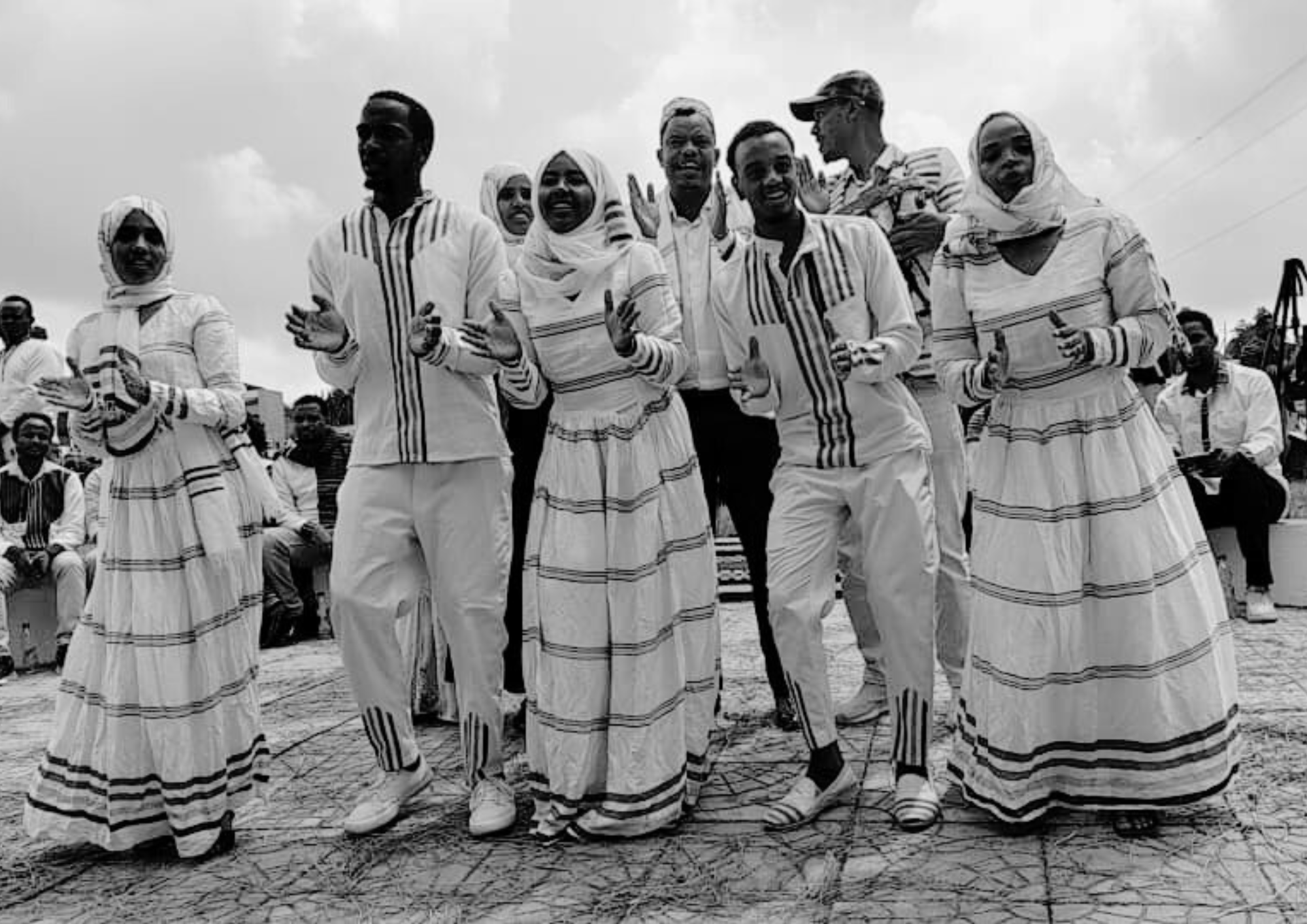
The festival begins with “Atakana Night,” a symbolic eve of transformation marked by cultural bazaars, panel discussions, community dialogues, and fashion shows. This gathering involves a broad spectrum of participants, from local community members and cultural organizations to government stakeholders, all contributing to the festival’s dynamic atmosphere. Following the eve, the main day of Yahode unfolds with a solemn blessing and prayer ceremony led by elders, giving thanks for the past year and seeking peace and unity for the year ahead. Traditional songs and dances performed by youth groups, alongside the Damara (Tomora) ceremony—where decorated firewood is blessed and burned to symbolize new beginnings—enrich the celebration. The day culminates in the ceremonial slaughtering of a specially selected ox, its meat shared among participants, reinforcing community unity and collective celebration.
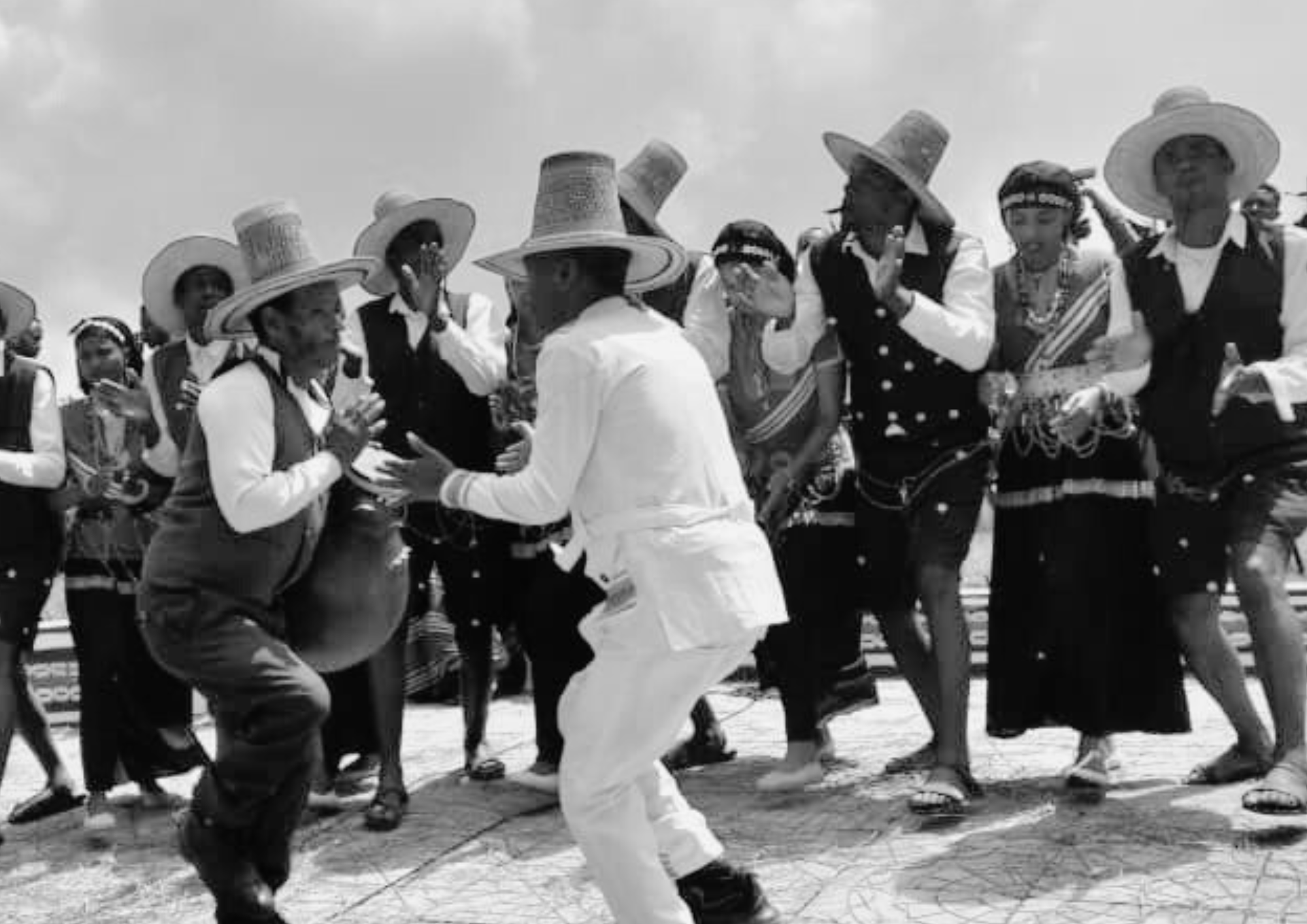
The Yahode festival represents far more than a celebration of heritage; it is a microcosm of the social, economic, and spiritual fabric of the Hadiya people. The active participation of the Heritage Management Organization, represented by Habtamu Gizawu Tola (focal person of HERITΛGE in Ethiopia), at the Yahode festival on September 27-28, 2024, provided an invaluable platform for achieving two key objectives: building robust networks with stakeholders and gaining a deeper understanding of the local heritage sector’s strengths and needs. Engaging in such cultural events is crucial for organizations seeking to not only preserve heritage but also integrate it into broader developmental goals. By embedding itself in the cultural life of Ethiopia’s communities, the Heritage Management Organization can play a transformative role in ensuring that Ethiopia’s rich heritage continues to drive social and economic progress, fostering a future where cultural legacy and modern development walk hand in hand.
*Habtamu Gizawu Tola is HERITΛGE’s focal representative in Ethiopia and has also taken the photos featured here. Xanthippi Kontogianni is the organization’s Ethiopia Heritage Manager.
HERITΛGE in the News

Our teams are working around the world to fulfill the HERITΛGE mission. Here is how some of our work has been featured in the press in the last few months.
Heritage Threatened by Conflict
HERITΛGE has launched a new project to safeguard Ukraine’s cultural heritage. Architectural Heritage Preservation in Times of War: The Ukrainian Model is being realized in cooperation with the Kharkiv School of Architecture and Skeiron, with generous support from the U.S. Embassy’s Public Diplomacy Section in Ukraine. The project has been featured in the latest issue of Popular Archaeology as well as in Ukrainian media.
HerMaP Gambia
The Gambia’s National Assembly’s Committee for Culture and Tourism recently embarked on a Parliamentary Study Tour in Thessaloniki. This visit, conducted as part of the HerMaP Gambia program co-funded by the European Union, was widely covered in the Gambian media, including prominent news programs and The Voice newspaper.
Watch the QTV bulletin (start at 14:18) or read the article in The Voice.
HERITΛGE also delivered workshops in The Gambia on various aspects of cultural management, including Festival Management, which was covered by The Voice.
African Heritage Grants
HERITΛGE’s small grants for African heritage initiative, supported by the Mellon Foundation, recently funded Restoring Ilukwe House, a project by the NGO Legacy to restore a historic building in Lagos’ railway compound. Coverage of this initiative appeared in Nigeria’s The Guardian.
The Republic, a Nigeria-based magazine and platform of socio-economic and political commentary, criticism and cultural discourse, has received a substantial grant from the Mellon Foundation to support its mission to establish itself as a regional, leading hub/platform for Black and Africa-focused ideas and critical perspectives; and to further connect Africa and the African diaspora on critical issues, with the help of HERITΛGE.
Greek Living Heritage Network
As a founding member of the Living Heritage Network in Greece, HERITΛGE continues to support and celebrate Greece’s living heritage. Theodosia Maroutsi recently discussed the Network on NaMaste, a cultural program on Greece’s national broadcaster ERA2.
Greek speakers can listen to the show here.
Heritage Interpretation In Rwanda
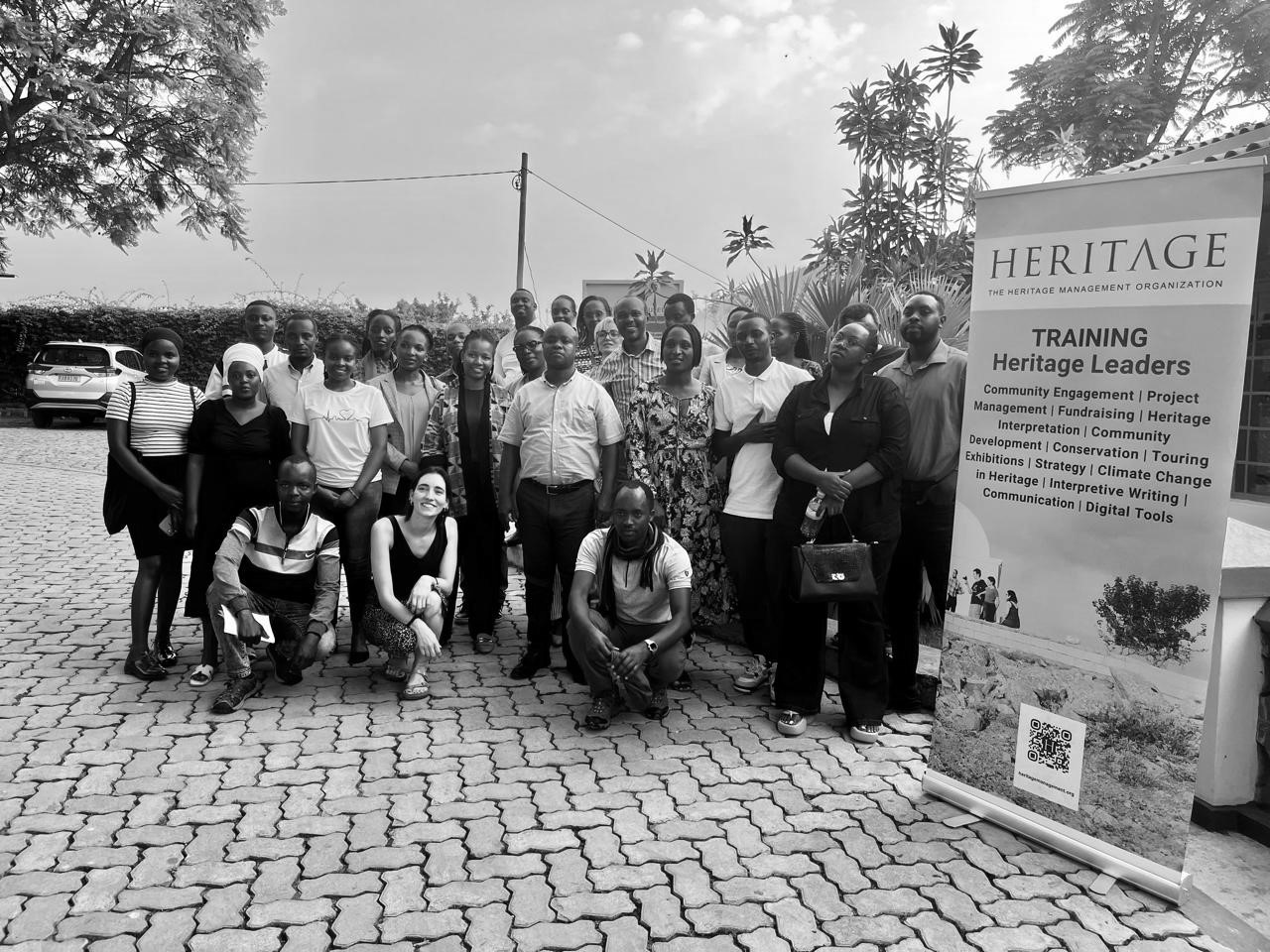
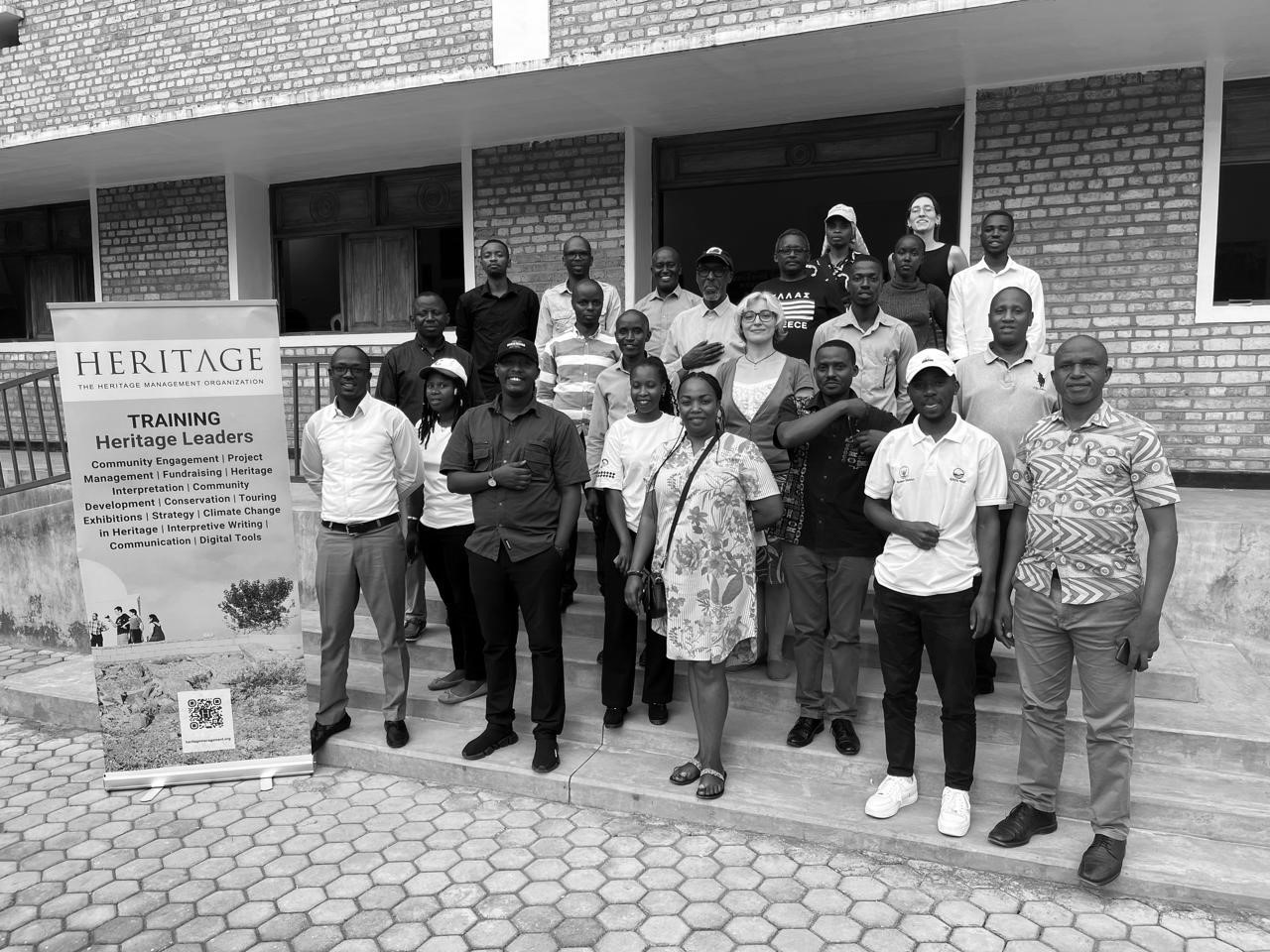
49 heritage professionals from Rwanda took part in two recent Introduction to Heritage Interpretation Workshops, led by HERITΛGE’s Valia Stergioti. The participants included officials from educational institutions, heritage sites, tourist businesses, local communities and NGOs.
During the workshop, which was led in person by HERITΛGE’s Valya Stergioti, they were introduced to the skills that allow heritage managers to transform mere phenomena into captivating experiences. They learned how to evoke a deep resonance within visitors at heritage sites of natural and/or cultural significance, guiding them towards profound insights and nurturing an appreciation for all aspects of heritage. Additionally, participants developed the ability to provide and receive constructive feedback to and from their peers.
The first of the two workshops was delivered in cooperation with the Rwanda Cultural Heritage Academy to 26 heritage and tourism professionals and took place on 24-26 July at the Rwanda Heritage Hub and the Kandt House Museum in Kigali.
“I learned to connect our participants to the site, which will help to increase our visitors satisfaction” said Esther Kakuze, Managing Director of ImuHira Ecotourism Rwanda who took part in the workshops.
“My project and institution will benefit through my professional practice,paying attention to all details related to heritage Management and community engagement,” said Wilhelm Mugiramahoro, Operations Officer for the Rwanda Cultural Heritage Academy.
The second workshop was delivered in cooperation with Nyanza District to 23 heritage and tourism professionals in the Nyanza District’s Visitor Centre.
“I have gained new skills as the heritage interpretation workshop was a new subject to me. I will use them so my visitors can enjoy our site and be our ambassadors, ” siad Sandrine Uwambayinkindi from the Girampuhwe Visitor Centre.
Both workshops are part of our HerMaP Africa program which is realised with the generous support of the Mellon Foundation’s Humanities in Place program.
26 new recipients of small grants for Africa
 HERITΛGE is very pleased to announce another 26 recipients of our HerMaP Africa small grants for organizations, groups, and individuals working with heritage in Africa. The small grants initiative is generously supported by the Mellon Foundation’s Humanities in Place program.
In this second round of the program, over $333,000 has been awarded to projects that focus on the protection and promotion of local cultural and natural heritage and aim to contribute to the socio-economic development of local communities and beyond. HERITΛGE disbursed over $220,000 to 19 heritage projects in the first round of the small grants initiative earlier this year. By the end of 2024, a total of $1 million will have been awarded in small grants to African heritage projects.
“We are extremely pleased to announce this second round of small grant awards for African projects. We are already seeing what the scheme is doing to unlock the potential of heritage in Africa and make a difference for the development of local communities through the work undertaken by the first 19 grantees,” said HERITΛGE Director, Dr. Evangelos Kyriakidis. “Heritage has the ability to empower and we are already seeing local communities using our grants, in partnership with local organizations, to support sustainable development and safeguard local heritage for generations to come.”
The list of newly approved grants includes heritage projects from Algeria, Benin, Burkina Faso, Cameroon, the Democratic Republic of Congo, Ethiopia, The Gambia, Ghana, Kenya, Niger, Nigeria, South Africa, Sudan, Tanzania, Togo, Uganda, and Zambia.
To receive a small grant from the HerMaP Africa program, applicants have to demonstrate that their project has a lasting impact, develops capacity, builds networks, strengthens local skills, and has a strong, measurable impact for the protection of heritage and the benefit of local people.
A full list of the projects that have been awarded small grants can be found here.
Applications are still being accepted for the next round of small grants for heritage projects. To find out more and apply, visit our website: https://heritagemanagement.org/
About HerMaP-Africa: Made possible by a $5 million grant from the Mellon Foundation’s Humanities in Place program, HerMaP Africa aims to strengthen HERITΛGE’s Africa programs, fund initiatives that link heritage with socio-economic impact, develop the capacity of local organizations, and help them preserve African heritage and culture.
About The Andrew W. Mellon Foundation: The Andrew W. Mellon Foundation is the largest supporter of the arts and humanities in the United States. Since 1969, the Foundation has been guided by its core belief that the humanities and arts are essential to human understanding. The Foundation believes that the arts and humanities are where we express our complex humanity and that everyone deserves the beauty, transcendence, and freedom that can be found there. Through its grants, it seeks to build just communities enriched by meaning and empowered by critical thinking, where ideas and imagination can thrive. Learn more at mellon.org
Community Engagement: second workshop in Ethiopia
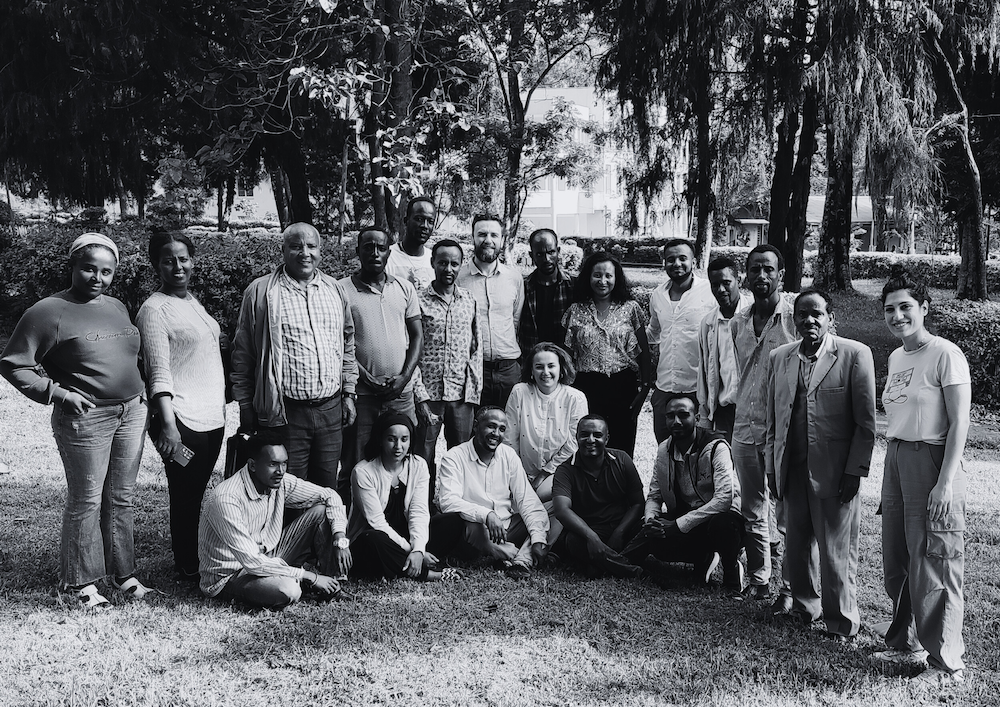 HERITΛGE traveled to Ethiopia for a series of training activities in April, including a 3-day workshop on Engaging Communities in Cultural Heritage, delivered in person to 22 heritage caretakers in Hawassa, a regional city in the Sidama Region. We held the workshop in Hawassa to improve accessibility and inclusion for people living outside the capital, Addis Ababa. The workshop was delivered in collaboration with Hawassa University which provided the premises of the Wondo Genet campus, 37 km from Hawassa’s town centre.
Led by Drs. Lena Stefanou and Aris Anagnostopoulos, the workshop focused on community engagement as one of the key strategies for preserving Ethiopia’s rich cultural heritage.
Participants included academics from Hawassa, officials from the Sidama and the Central Ethiopia Culture and Tourism Bureaux, and heritage managers from the Wako Gutu Foundation and a local private museum.
During the first day of the workshop, participants were introduced to the rationale for creating a community engagement plan. Participants were divided into working groups where they brought their real-life projects as examples for the exercises and the discussion, through our facilitation and guidance with specific questions and tasks.
On the second day of the workshop, we focused on the topic of audience development and audience segmentation. The last day of the workshop was dedicated to the oral history methods and techniques.
“The workshop provided invaluable insights and practical skills for enhancing my teaching, research, and professional practice,” said Abrham Fentaw Ketema, Head of the Ecotourism and Cultural Heritage Management Department, at Hawassa University. “Moving forward, I am eager to participate in similar training programs and collaborative projects from the HERITAGE organization. I believe that these opportunities not only enrich our skills but also contribute to the collective growth and sustainability of heritage preservation efforts.”
The training is part our HERITΛGE’s HerMaP Africa program that is generously supported by the Mellon Foundation’s Humanities in Place program.