
Heritage Professionals Explore Strategic Planning
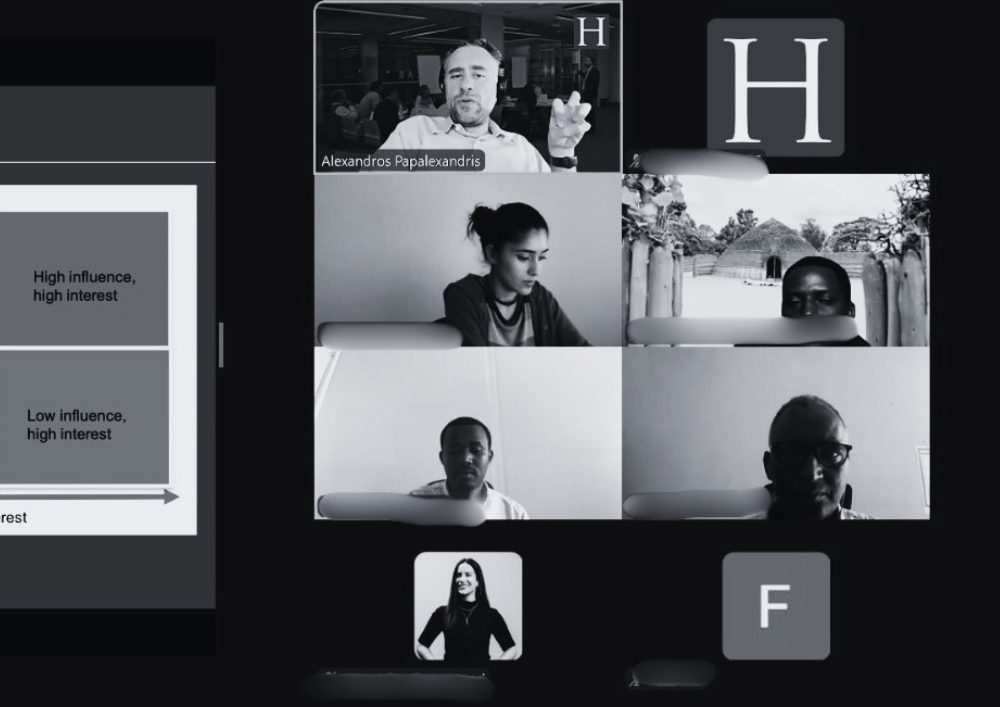 Professionals from across the global heritage and cultural sectors came together this May for HERITΛGE’s Strategic Planning Workshop, an intensive training programme designed to strengthen strategic thinking, organisational resilience, and long-term sustainability within the heritage field.
The workshop took place over two sessions, on 14–15 May and 21–22 May 2026, bringing together 18 participants from Greece, Rwanda, Malawi, Puerto Rico, the Democratic Republic of the Congo, Kenya, Ethiopia, Jordan, Turkey, Zimbabwe, and Botswana.
Led by Dr. Alexandros Papalexandris, the HERITΛGE strategy workshop offers a dynamic introduction to the core principles of strategic management and its critical role in shaping successful individuals and organizations. Participants explore how strategy is formed and applied, gaining insight into organizational vision, mission, and values, as well as how to translate them into clear, actionable strategic goals while effectively navigating change. A strong emphasis is placed on understanding stakeholders and aligning strategies with their expectations.
The program also develops participants’ ability to scan the external environment and industry landscape, using key analytical tools to identify opportunities and market segments. In addition, it highlights the foundations of competitive advantage, essential organizational resources and capabilities, and the key success factors behind effective strategy execution, including the basics of feasibility studies and business planning.
“The Strategic Planning Workshop aims to provide heritage professionals with practical tools and critical perspectives to help them navigate increasingly complex and uncertain environments,” said Foteini Giannoulidi, Educational Programs Manager at HERITΛGE. “What made this workshop particularly valuable was the diversity of experiences and perspectives brought by participants from different regions of the world. The discussions demonstrated how strategic thinking, collaboration, and adaptability are becoming essential skills for safeguarding and sustainably managing heritage today. It was also a great honour to welcome Ivan Verbytskyi, Deputy Minister of Culture and Strategic Communications of Ukraine, whose insights into managing culture and heritage during times of crisis offered participants an inspiring and deeply important perspective on resilience, leadership, and adaptability.”
The workshop was further enriched by a series of inspiring guest lectures and discussions on cultural resilience and leadership in times of uncertainty.
Among the guest speakers was Ivan Verbytskyi, Deputy Minister of Culture and Strategic Communications of Ukraine, who shared powerful insights into the unprecedented challenges faced by Ukraine’s cultural and heritage sector during the ongoing war. His lecture highlighted how heritage managers and cultural institutions can respond effectively during periods of crisis and instability.
One of the key takeaways from his presentation was the importance of flexibility and adaptability in strategic management. In rapidly evolving and unpredictable situations, the ability of managers to adjust quickly and make informed decisions under pressure becomes critical for sustaining institutions and protecting cultural heritage.
Participants also heard from Rafika Mokhtari, architect, co-founder of Izourane Algeria and HERITΛGE fellow. Rafika presented the heritage initiative in Algeria and shared practical lessons from its implementation, including the operational and strategic challenges encountered during the project’s development.
Her presentation offered participants valuable insight into real-world project execution, risk management, collaboration, and the importance of strategic planning in overcoming obstacles within the heritage sector.