
Tag Archives: impact
Legacy Builders: Elif Aydin
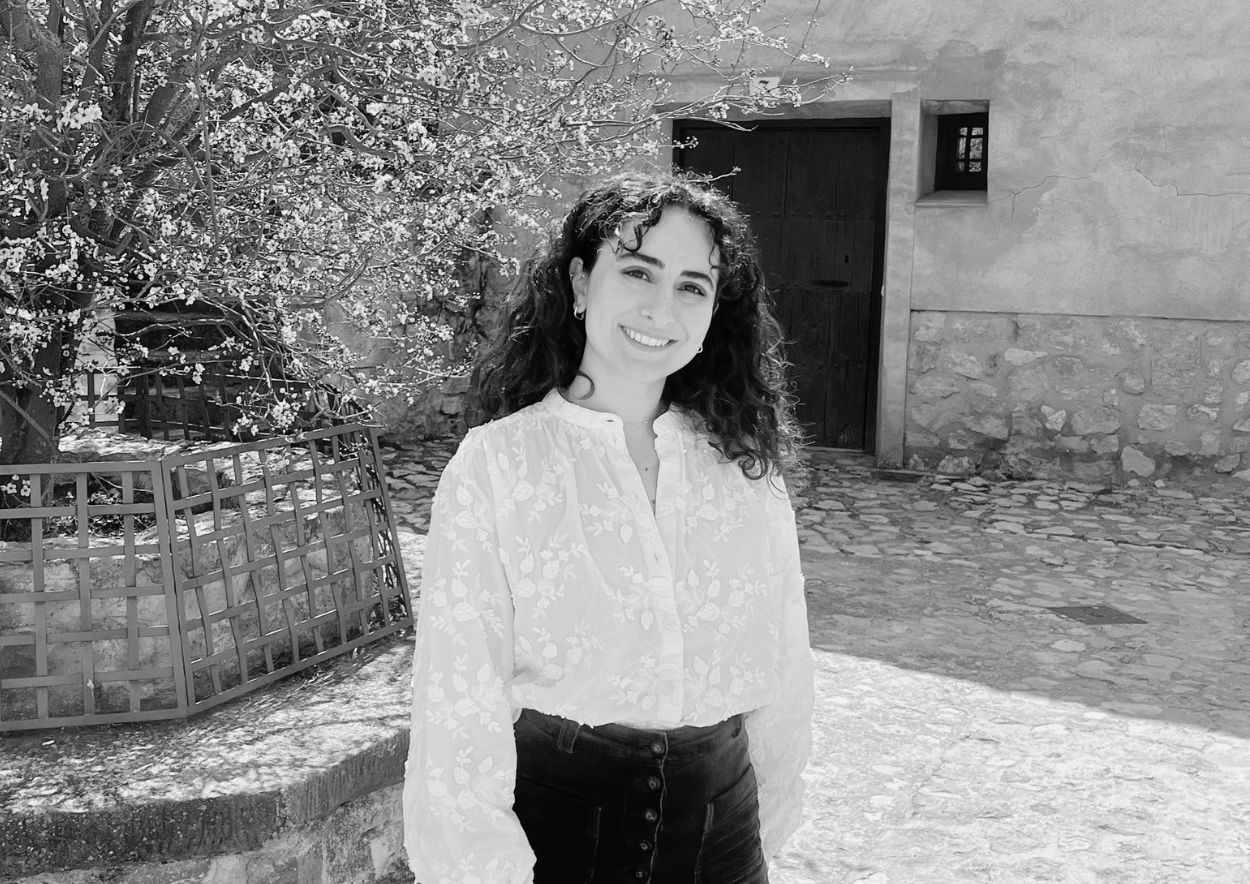
Elif Aydin | PhD Researcher & Cultural Heritage Professional | Belgium
Which HERITΛGE training did you attend?
The Engaging Communities for Cultural Heritage Summer Field School in Paros, in 2024.
Was the training an opportunity to enhance your connection with your peers?
Very much. Both as young professionals and as friends, we had the opportunity to discover different aspects of project management in the heritage sector together. We were working in groups, but not in a way that separated us (rather, as groups that were constantly sharing, exchanging, and discovering together). The workshop itself is designed for you to explore as a group but ultimately digest the experience as one.
In that sense, spending that whole time together naturally creates a bond, as you develop your skills side by side. Also, since everyone comes from diverse backgrounds (both culturally and in terms of professional fields) it kind of builds a network that goes beyond our own circles, that allowing us to connect more broadly.
Has the training contributed towards the improvement of your career?
Indirectly, in many ways. I can’t say that having this certificate directly led me to a specific job, but I do think it has shaped my perspective and the way I approach my work. Especially when it comes to community engagement, it helped me develop a mindset where I can question and evaluate whether what we are doing truly reflects that concept. In that sense, by improving how I assess and approach my work, I think it has definitely contributed to increasing the overall quality of what I do.
Do you feel that your ability to perform relevant tasks has improved?
Apart from general research skills, I think it was really helpful to learn more about project management. Especially in terms of how to stay organised throughout the whole process (following proper archiving and documentation practices), and also staying connected with the community itself. Including them in the process and building things on a more equal level was an important part of it. I feel like I’ve improved in delivering these kinds of tasks and managing them more confidently.
Following the completion of the training, has your project benefited? How?
Yes, directly. Especially in terms of the relationships we build with communities (learning how to approach them and how to structure the questions we ask) I can clearly see the benefits in my own research project. Working closely with a community, on a one-to-one level, is very different from working in a more corporate or institutional setting. And because we don’t really experience this kind of engagement in education or in the office, it’s something we don’t easily develop, which can later become problematic. But as Aris and Lena describe it, this is a process of “deep hanging out.” It’s about genuinely becoming part of the community and understanding that this is not something you plan and execute from an office, but something that evolves together with the community. Realising this aspect has really helped me rethink and improve my project, and in turn the project itself gain more accepetance.
Would you recommend this training to others?
Definitely, I always say that it’s a great opportunity, not just for young professionals, but also for anyone who is genuinely interested in research, project management, and community engagement. The summer school really offers something for everyone, creating space to explore, learn, and discover new things.
Legacy Builders: Anthony Bou Kabalan Geagea
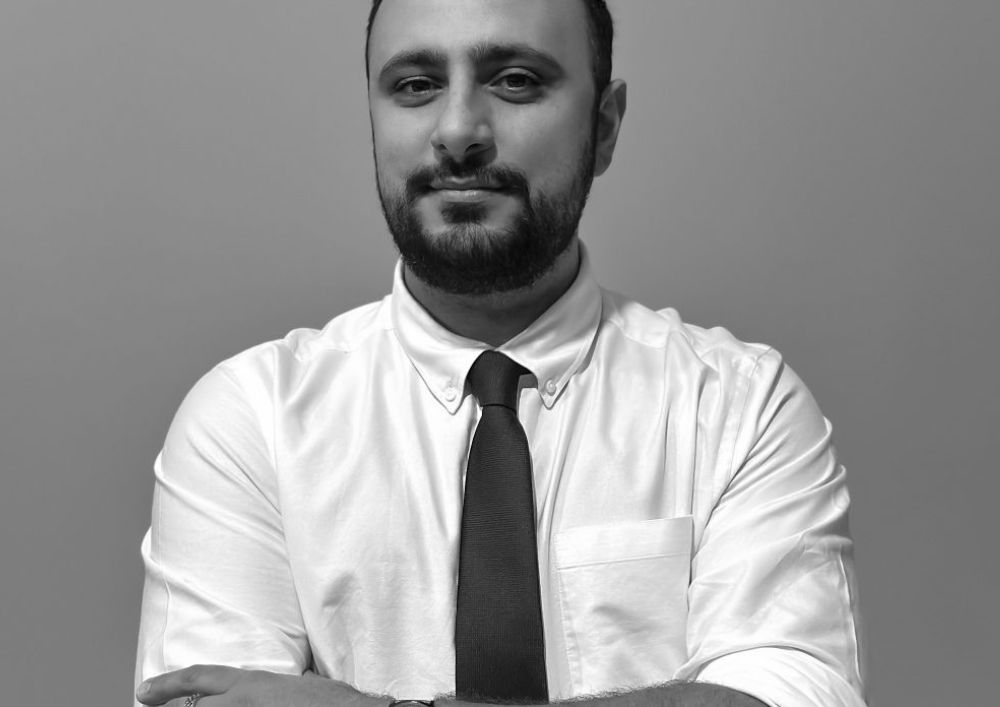
Anthony Bou Kabalan Geagea | Conservation Architect | DGA Inventory Officer, Lebanon
Which workshops did you attend?
I participated in the summer school program “Digital Tools for Cultural Heritage Management, 2025” focused on QGIS, laser scanning, and photogrammetry; a combination of tools essential for heritage documentation and spatial data analysis. When I first enrolled, I expected to gain technical knowledge and practical skills. What I didn’t expect was how transformative the experience would be, not only for my projects but also for my personal and professional growth.
Was the training an opportunity to enhance your connection with your peers?
Absolutely. One of the most enriching aspects of the program was the diversity of its participants. Coming from different disciplines and countries, we brought varied perspectives to the table, fostering dynamic discussions and collaborative learning. These interactions extended well beyond the classroom and helped create a network of peers with whom I continue to exchange ideas and expertise.
Has the training contributed towards the improvement of your career?
Without a doubt, the training was exceptionally well designed and directly aligned with the needs of my field. As someone working in heritage documentation, the sessions on GIS tools, 3D modeling, and field-based data collection were immediately applicable to my day-to-day responsibilities. The curriculum struck an effective balance between theoretical foundations and hands-on practice, strengthening my professional profile and deepening my technical expertise.
The skills and knowledge I gained through the summer school have been especially valuable in my current role as Inventory Officer at the Directorate General of Antiquities (DGA) in Lebanon. In this position, I support the research and integration of geographic data and heritage descriptions into a comprehensive geospatial inventory of endangered sites in South Lebanon, many of which are currently at risk due to the ongoing war in the region. The use of QGIS, central to both the training and my present work, plays a crucial role in enabling the DGA to maintain an up-to-date, accurate, and accessible database of the region’s vulnerable cultural heritage assets.
Do you feel that your ability to perform relevant tasks has improved?
Yes. My ability to handle spatial data, conduct field surveys, and perform digital documentation tasks has improved significantly. Thanks to the course, I now confidently apply advanced QGIS techniques and photogrammetric workflows in my professional practice. What made this particularly impactful was the dedication of Dr. Cornelis, whose passion and continuous availability ensured that every participant gained clarity and support throughout the entire program.
Following the completion of the training, has your project benefited? How?
My current work involves documenting and managing cultural heritage assets using digital tools and spatial analysis. Since completing the training, the improvements in my workflow have been substantial.
- Field sites that were once captured using basic documentation methods are now rendered with much higher precision.
- The enhanced accuracy and detail have improved analysis, interpretation, and communication with stakeholders.
- Whether for internal reports, presentations, or long-term archiving, the quality of my project outputs has increased noticeably.
This training has directly strengthened the reliability and depth of the heritage documentation work I produce, ultimately benefiting the organizations and communities that depend on this data.
Would you recommend this training to others?
I totally recommend this program to heritage professionals, archaeologists, and anyone involved in spatial analysis or digital documentation. The training is rigorous, practical, and deeply relevant, offering not just technical skills but also a supportive and inspiring learning community. It is a meaningful opportunity to grow both professionally and personally while contributing to the preservation and understanding of our shared cultural heritage.
Legacy Builders: Peter Adewale Jegede
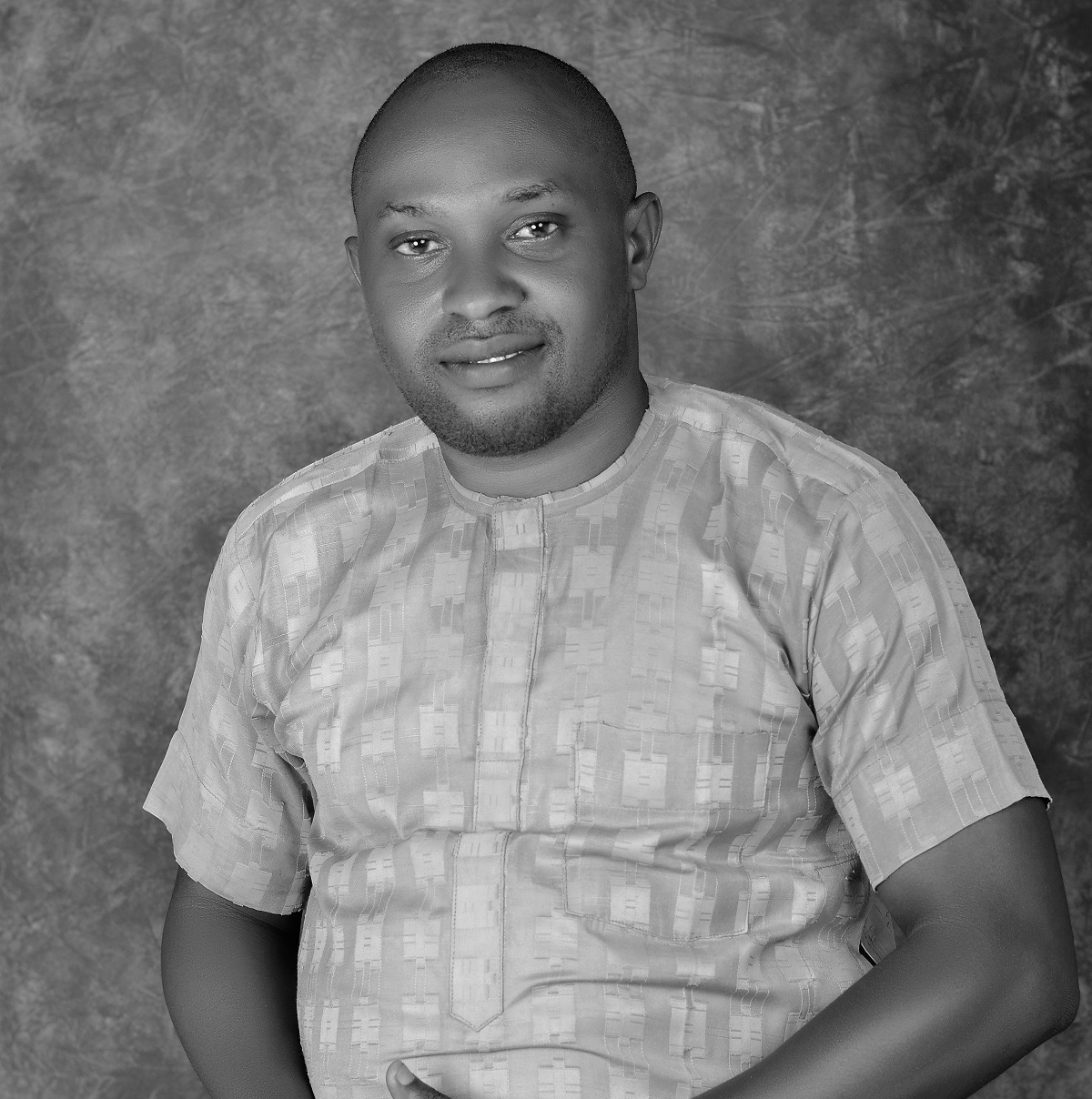
Peter Adewale Jegede | Consultant Curator and Heritage Researcher, Olusegun Obasanjo Presidential Library, Nigeria & 4th Cohort of Case Study Researcher, Open Restitution Africa
Which workshop(s) did you attend?
I have participated in several HERITΛGE programmes, including Engaging Communities in Cultural Heritage, Temporary Exhibition and Touring Strategies, Conservation I, Conservation II, and I will complete Conservation III in November.
Was the training an opportunity to enhance your connection with your peers?
Yes. The workshops created a space where practitioners across Africa and beyond could exchange ideas and challenges. These connections have proved valuable in my ongoing work with communities affected by restitution.
Has the training contributed towards the improvement of your career?
Absolutely.The courses strengthened my curatorial and research practice, especially in community engagement, preventive conservation, and exhibition development. They also expanded my professional visibility in discussions around restitution in Nigeria.
Do you feel that your ability to perform relevant tasks has improved?
Yes. I now approach community-focused heritage work with clearer methods and greater confidence. The HERITΛGE training refined my skills in co-creation, documentation, and culturally sensitive interpretation, all of which I apply directly in my restitution engagements.
Following the completion of the training, has your project benefited? How?
My work at the Olusegun Obasanjo Presidential Library, Open Restitution Africa and my broader engagements in Nigeria and beyond have benefited significantly. The training has helped me design community-centred dialogues following restitution, such as the Restitution 101 Screening and Case Study Discussions that attracted about ninety participants. It shaped the way I facilitated conversations with descendant communities, allowing them to reflect on memory, trauma, and healing from their own perspective.
It has also strengthened my collaboration with communities in Ile-Ife, who are now exploring opportunities for a similar programme. The knowledge gained from HERITΛGE directly informed how I approached these discussions, ensuring that community voices remain central in post-restitution interpretation and planning.
Would you recommend this training to others?
Yes, without hesitation. The workshops are practical, engaging, and transformative. Anyone working in heritage, particularly those involved in archaeological work, preservation of heritage sites, collection management, exhibition, restitution or community engagement, will find them invaluable.
Legacy Builders: Srishti Jauhri
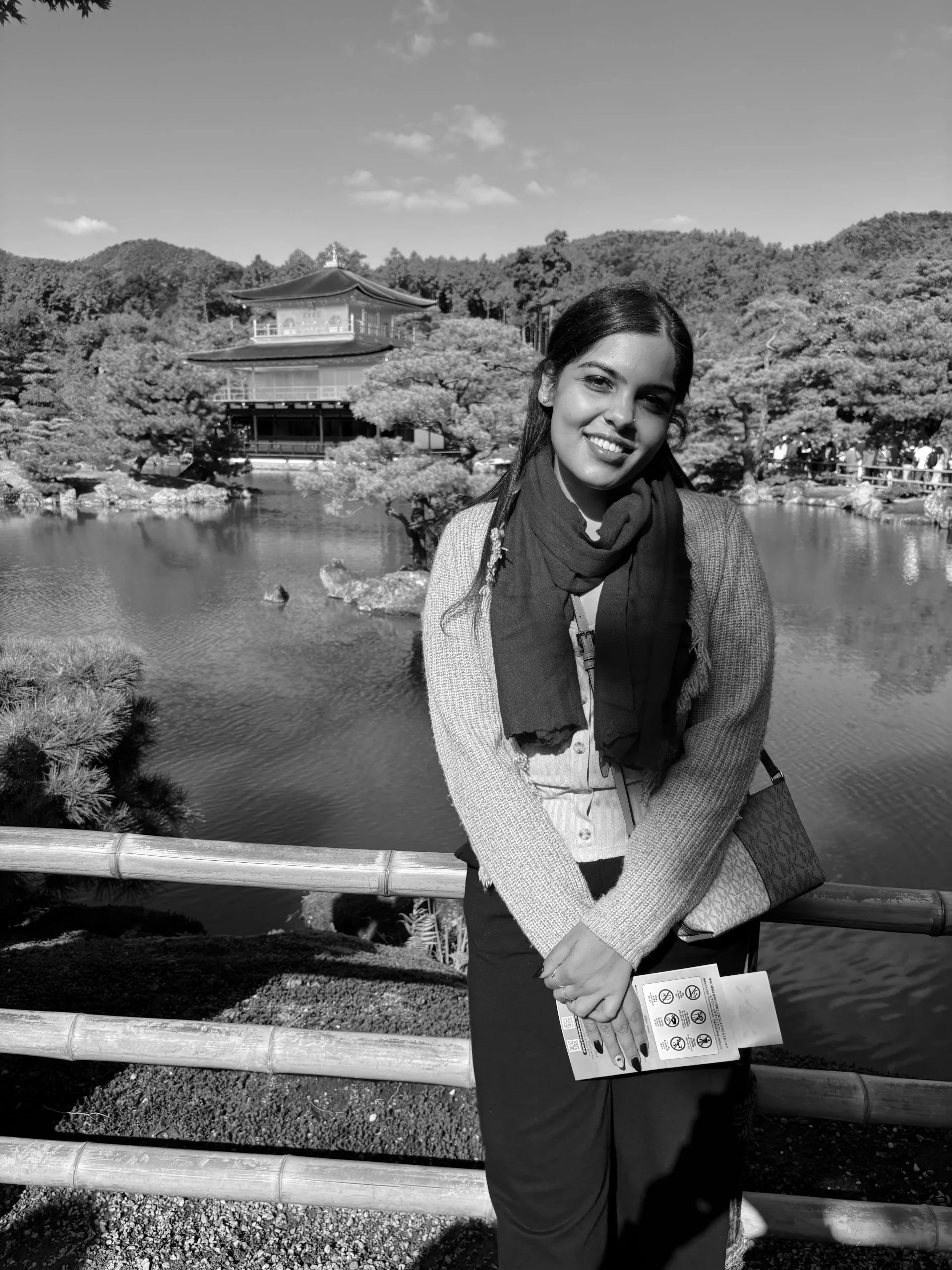
Srishti Jauhri | Heritage Expert, Development and Research Organisation for Nature, Arts and Heritage (DRONAH), India
Which workshop(s) did you attend?
I attended the Interpretive Writing for Natural and Cultural Heritage online workshop in November 2024. Over the course of the workshop, we explored the foundations of interpretive writing and practiced crafting compelling narratives that can help visitors connect more deeply with heritage.
Was the training an opportunity to enhance your connection with your peers?
Absolutely. The workshop fostered a highly interactive environment through breakout discussions and collaborative exercises. I had the opportunity to work and exchange ideas with peers from across the world – including heritage practitioners from Africa, Europe, and Asia.
This was especially enriching because it highlighted how people interpret heritage differently based on their backgrounds. Understanding these varied perspectives helped me deepen my own interpretive approach and build a small but meaningful global network of colleagues.
Has the training contributed towards the improvement of your career?
Yes, very much so. Interpretation is central to my work and this training significantly strengthened my expertise in this domain. It boosted my confidence in writing for diverse audiences and helped me refine a skill set that is now directly supporting projects related to heritage interpretation and audio-visual storytelling.
The experience also added credibility to my professional profile, as interpretive writing is a critical yet specialized role in the heritage sector.
Do you feel that your ability to perform relevant tasks has improved?
Yes — in several practical ways. The training helped me:
• Learn how to develop clear interpretive themes
• Transform plain descriptive information into engaging narratives
• Structure text differently depending on the medium (panels, scripts, audio guides, etc.)
• Create catchy titles and key messages that hold attention
• Critically assess readability and engagement in interpretive writing
This shift in mindset — from “informing audiences” to “connecting with audiences” — has now become core to my interpretive writing approach.
Following the completion of the training, has your project benefited? How? (please briefly explain what your project/ organization is about and how it benefited from your training.
Yes — I applied my learnings directly to our project on the development of an interpretation centre for a monument of national importance in the south of India – the Kailasanathar Temple in Kanchipuram. After completing the workshop, I applied the methods learnt to draft audio guide scripts, write narrative content for the website, design the structure for an audiovisual presentation in the centre, and begin shaping the text and key messaging for physical interpretive panels. The training helped me establish strong interpretive themes and translate complex architectural and religious concepts into accessible, engaging storytelling that invites curiosity and emotional connection. These skills have strengthened the foundation for creating a visitor experience that is both informative and meaningfully immersive. The centre is still under development, and I am excited to see how our interpretive content shapes visitor experiences on the site!
Would you recommend this training to others?
Absolutely. I would highly recommend this workshop to heritage interpreters, museum professionals, and anyone engaged in public-facing heritage communication. It offers practical tools and thoughtful guidance that greatly enhance one’s ability to communicate heritage values in compelling, visitor-focused ways!
Legacy Builders: Khaulah Abdulkadir
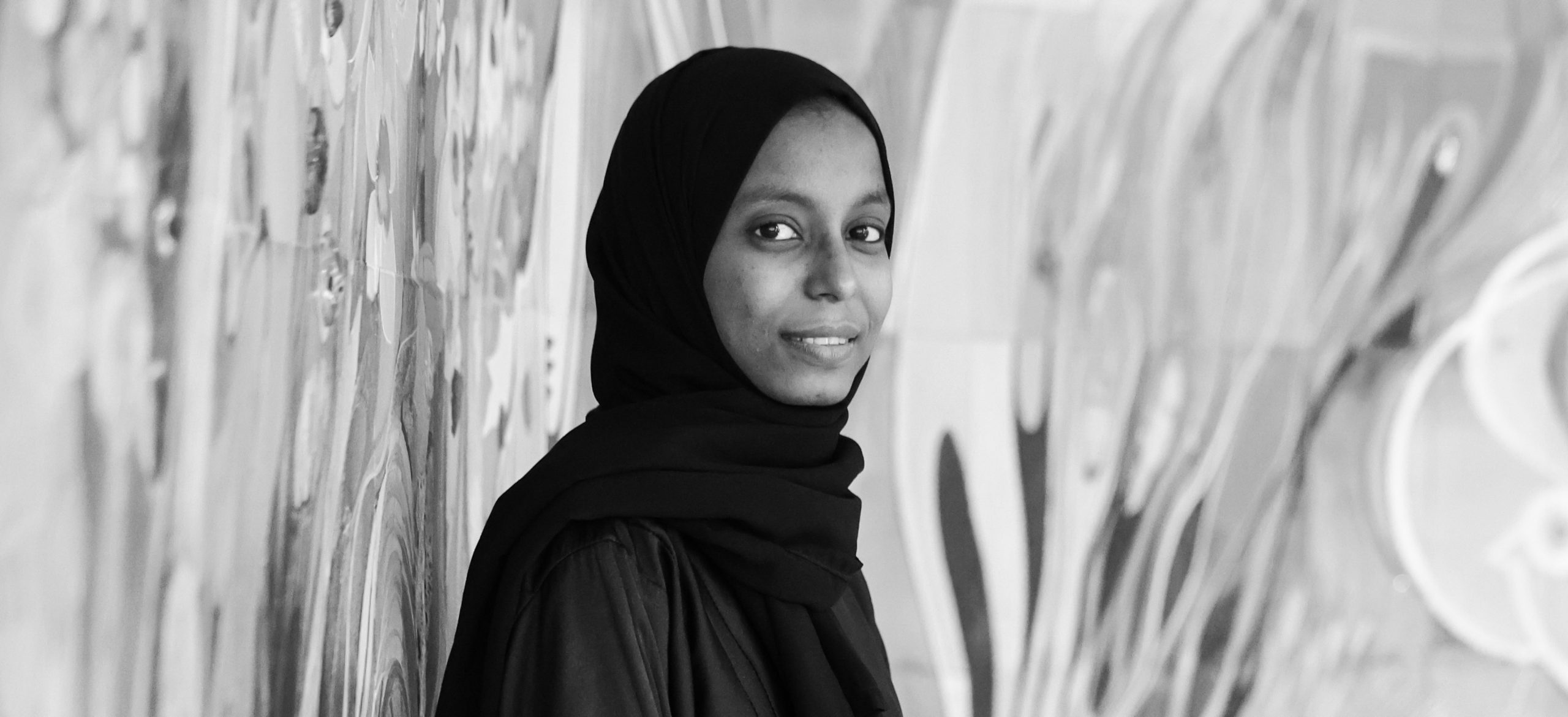
Khaulah Abdulkadir | Project Coordinator: The Urban Heritage Regeneration Accelerator, Kenya
Which workshop(s) did you attend?
Conservation Workshop I & II, and Digital Tools for Heritage Management.
Was the training an opportunity to enhance your connection with your peers?
Yes. I met inspiring professionals who not only guided me throughout the course discussions but also introduced me to membership in key heritage organizations I hadn’t known about before. I also built lasting bonds, a professional with restoration experience will visit Lamu [island in Kenya]soon to support my project. He has been instrumental in amplifying my work and helping me refine my research writing.
Has the training contributed towards the improvement of your career?
The conservation training taught me to frame a clear restoration mission, highlight Lamu Old Town’s significance, and communicate its conservation infrastructure effectively. With the guidance and trust of my team, I successfully applied to and was selected for the Urban Heritage Regeneration Accelerator initiative, which I now coordinate. I am also honored to be selected for support from the Stavros Niarchos Foundation Scholarship Program for Heritage Managers in Africa, through which I hope to continue learning and achieve even greater impact in heritage conservation.
Do you feel that your ability to perform relevant tasks has improved?
Yes. I gained skills in assessing and articulating heritage values & significance, addressing authenticity issues, aligning with international charters, and developing a documentation strategy for Lamu’s buildings. Presenting my project during the workshops, and receiving strong peer support and selection as a case study, greatly boosted my confidence. This encouragement motivated me to explore the historic urban landscape approach further, which strengthened my case study presentation at the UNESCO Headquarters and enabled meaningful engagement in the forum.
Following the completion of the training, has your project benefited?
Absolutely yes. The final assignment of Conservation I provided the framework to clearly communicate the project’s mission, global significance and the urgent need to conserve the Lamu Old Town, which I believe contributed to its selection into the Accelerator initiative. Furthermore, it has helped me and my team in identifying the necessary kind of resources for its success and is now seeking support for that. It also helped me identify the most suitable communication strategies and the right organizations to partner with, strengthening support.
Would you recommend this training to others?
Definitely! The trainings are ideal for emerging professionals seeking foundational knowledge and opportunities to grow in the heritage field. Engaging sessions and supportive lecturers and organizers further fuel passion, build expertise, and deepen understanding of heritage conservation practices.
Legacy Builders: Vitalice Ochieng
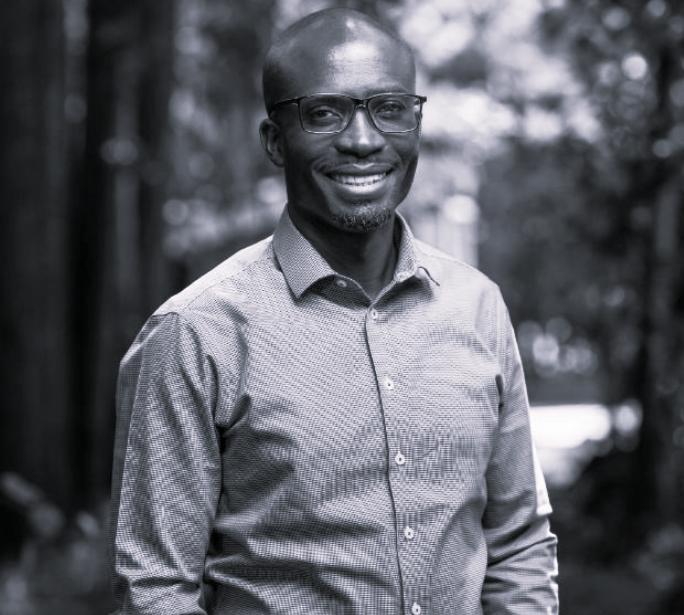
Vitalice Ochieng | Senior Programme Manager -TICAH (Trust for Indigenous Culture and Health), Kenya
Which workshop did you attend?
I have attended the following courses:
1. Successful Fundraising for Heritage Managers: Strategies and Best Practices
2. Communication Strategy and Strategic Marketing for Cultural Organizations
3. Interpretive Writing for Natural and Cultural Heritage
4. Project Management for Heritage Managers
5. Engaging Communities in Cultural Heritage
6. Community and Economic Development
7. Impact Assessment
Was the training an opportunity to enhance your connection with your peers?
Yes, the courses have been a wonderful opportunity to meet peers and make friends across borders. I have many friends from other countries with whom I can discuss my projects and even personal issues. Every course connected me with at least one new friend.
Has the training contributed towards the improvement of your career?
A lot. Even though I am still at TICAH, it has reinforced my leadership and the standing of my programme. The training has also enabled me to learn from other projects in different contexts, giving me valuable insights and different strategies for approaching my own projects. The opportunity to share my projects with peers during the training has also strengthened my belief in my own strategies and initiatives. Receiving feedback and appreciation when I share makes me more confident in my approaches.
Do you feel that your ability to perform relevant tasks has improved?
Yes. My understanding of community engagement, fundraising for heritage, communication, and heritage management has grown significantly.
Following the completion of the training, has your project benefited?
Yes. One of my projects, which entails the promotion of the cultural heritage of the Mijikenda community in Kenya, has benefited greatly from this training. For instance, the idea to support the community in strengthening their cultural tourism was shaped by the training on Economic Development. We were able to support the community in producing cultural dresses and costumes to celebrate the Rabai Cultural Festival in 2024.
Would you recommend this training to others?
Yes, most definitely. There are not many opportunities available for people to learn heritage management. Apart from people like me with a background in Anthropology or Cultural Studies, there are also other professionals such as managers, architects, and scientists who are in charge of heritage but may not have a cultural understanding of its management. Likewise, there are people with a background in cultural studies who may lack skills such as fundraising, communication, or project management. This training is very important for anyone working in a field where heritage, both natural and cultural, is involved.
*** Vitalice is part of the Promotion and Conservation of the Kaya Forests project that has received funding through our Small Grants for African Heritage Initiative, generously supported by the Mellon Foundation’s Humanities in Place program.
- 1
- 2