
Tag Archives: workshops
Communication Strategy and Strategic Marketing for Cultural Organisations Workshop in Rwanda
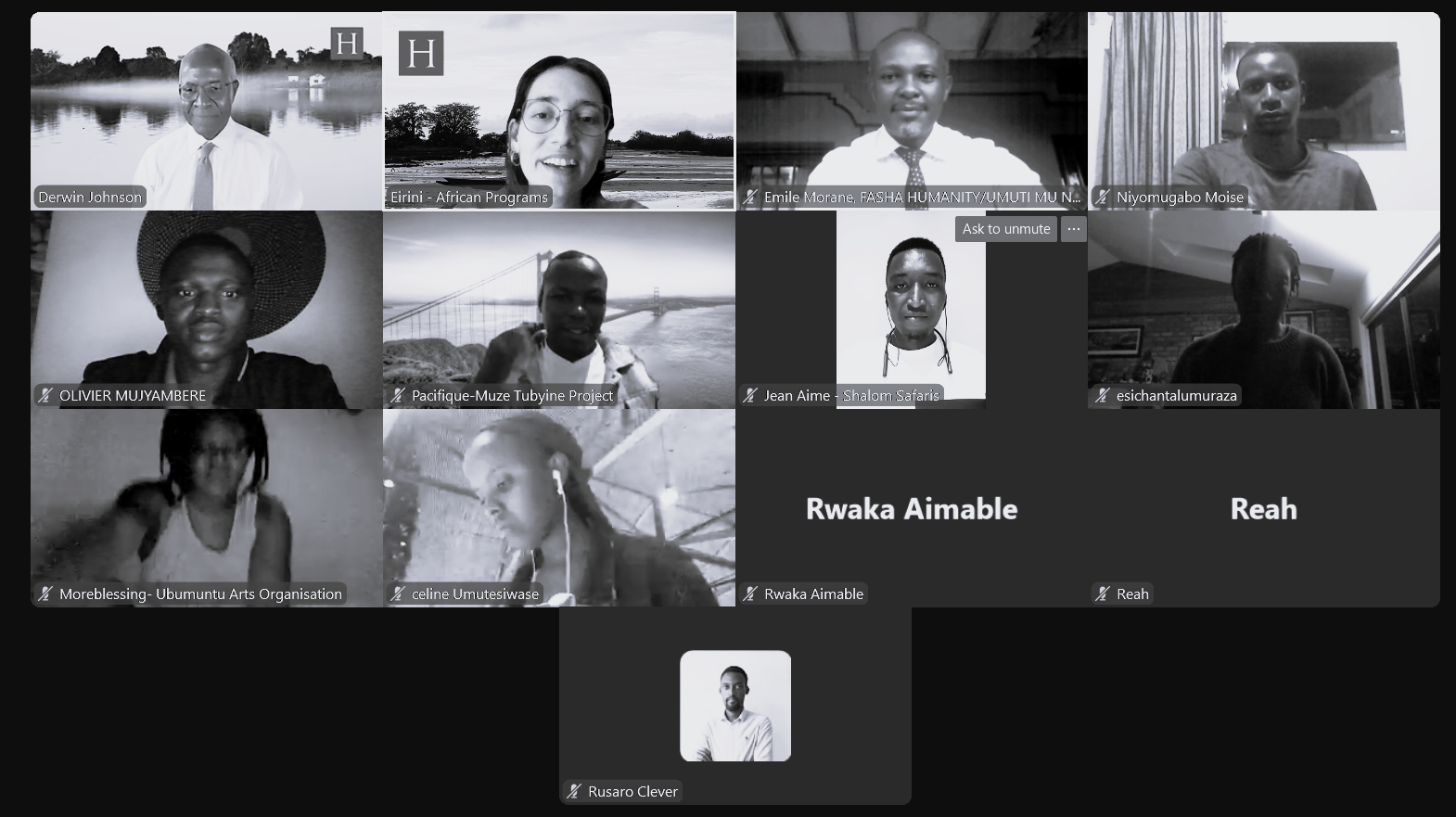
From 19 to 21 May 2025, HERITΛGE hosted an online workshop on communication strategy and strategic marketing for cultural heritage professionals in Rwanda. The workshop formed part of HerMaP Africa, an initiative supported by the Mellon Foundation.
Led by media professional Derwin Johnson, the training brought together 15 heritage and tourism practitioners from across Rwanda to strengthen communication practices, improve audience engagement, and support the long-term sustainability of their institutions.
Participants represented ten organisations involved in cultural preservation and tourism, including Shalom Safaris Rwanda, Red Rocks Rwanda, Ubumuntu Arts Organisation, and others.* The workshop created an opportunity for professionals to share experiences and gain practical knowledge in areas relevant to their work.
“Time keeping, interactive, appropriate to our environment and sectors, with a nice mood and feeling – the live session felt as if it was on site.”
Esi Chantal Umuraza – Art & Travel Ltd – Founder
Over three days, the group explored a range of topics related to communication planning and outreach. The first day focused on storytelling techniques and media writing. Participants worked on developing clear and compelling messages for different audiences, including journalists and the general public.
The second day covered digital communication, with an emphasis on social media strategies. Sessions addressed how organisations can use various platforms to reach wider audiences, plan and manage content, and evaluate the effectiveness of their online communication efforts.
“I mostly like how our invigilator communicated on time. The instructor helped us during this course. He’s very professional in terms of providing learning methodology, and we wish we could have more days, as the more we get deep, the more we like and become familiar with the course.”
Jean Aime Nisingizwe – Shalom Safaris Rwanda – Chief of operations officer
The final day dealt with communication during times of crisis. Participants learned how to prepare for and respond to difficult situations in a clear and professional manner. A practical simulation, including a mock interview and press conference, gave participants the chance to apply these skills in a realistic scenario.
The workshop was designed to be interactive and practical, with small group activities and hands-on exercises throughout. Project Manager Eirini Oikonomidi said “I really enjoyed the interaction among the participants, both with each other and with the trainer. The group exercises were very effective and enjoyable for everyone involved.”
For more information about HERITΛGE’s workshops, go to our open courses page, or follow us on Facebook, Twitter / X, LinkedIn or Instagram.
Legacy Builders: Vitalice Ochieng
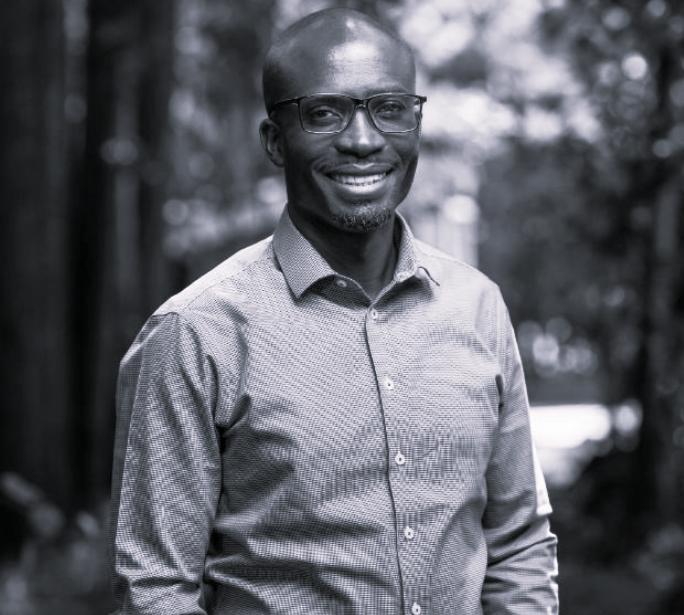
Vitalice Ochieng | Senior Programme Manager -TICAH (Trust for Indigenous Culture and Health), Kenya
Which workshop did you attend?
I have attended the following courses:
1. Successful Fundraising for Heritage Managers: Strategies and Best Practices
2. Communication Strategy and Strategic Marketing for Cultural Organizations
3. Interpretive Writing for Natural and Cultural Heritage
4. Project Management for Heritage Managers
5. Engaging Communities in Cultural Heritage
6. Community and Economic Development
7. Impact Assessment
Was the training an opportunity to enhance your connection with your peers?
Yes, the courses have been a wonderful opportunity to meet peers and make friends across borders. I have many friends from other countries with whom I can discuss my projects and even personal issues. Every course connected me with at least one new friend.
Has the training contributed towards the improvement of your career?
A lot. Even though I am still at TICAH, it has reinforced my leadership and the standing of my programme. The training has also enabled me to learn from other projects in different contexts, giving me valuable insights and different strategies for approaching my own projects. The opportunity to share my projects with peers during the training has also strengthened my belief in my own strategies and initiatives. Receiving feedback and appreciation when I share makes me more confident in my approaches.
Do you feel that your ability to perform relevant tasks has improved?
Yes. My understanding of community engagement, fundraising for heritage, communication, and heritage management has grown significantly.
Following the completion of the training, has your project benefited?
Yes. One of my projects, which entails the promotion of the cultural heritage of the Mijikenda community in Kenya, has benefited greatly from this training. For instance, the idea to support the community in strengthening their cultural tourism was shaped by the training on Economic Development. We were able to support the community in producing cultural dresses and costumes to celebrate the Rabai Cultural Festival in 2024.
Would you recommend this training to others?
Yes, most definitely. There are not many opportunities available for people to learn heritage management. Apart from people like me with a background in Anthropology or Cultural Studies, there are also other professionals such as managers, architects, and scientists who are in charge of heritage but may not have a cultural understanding of its management. Likewise, there are people with a background in cultural studies who may lack skills such as fundraising, communication, or project management. This training is very important for anyone working in a field where heritage, both natural and cultural, is involved.
*** Vitalice is part of the Promotion and Conservation of the Kaya Forests project that has received funding through our Small Grants for African Heritage Initiative, generously supported by the Mellon Foundation’s Humanities in Place program.
Successful Fundraising for Heritage Managers: Strategies and Best Practices Workshop
From 28th to 30th March HERITΛGE welcomed 23 heritage professionals from 15 countries across four continents to the Successful Fundraising for Heritage Managers: Strategies and Best Practices online workshop. Over three days, participants explored practical strategies to strengthen fundraising for cultural heritage projects.
The workshop was led by fundraising expert, Linda C. Hartley, principal of H2Growth Strategies, and Sue Divine, a nonprofit leader with decades of experience working with organisations including the American Friends of the Louvre and the British Museum. Together, they provided participants with practical strategies and real-world insights into fundraising within the cultural sector.
Through this course, I learned about new information and online resources that we can utilize for effective fundraising. This stood out for me. My project will definitely benefit from new skills and resources for fundraising, thus will be positioned to mobilize more resources for activities implementation.
Didas Mwachila Mzirai, CEO at Mucho Mangoes Farmers CBO
The workshop began with a pitching exercise, where participants presented their projects in three minutes, having prepared in advance with a video on pitching techniques. They voted for the most compelling projects, which were later used in simulation activities. Participants then explored fundraising fundamentals and best practices through lectures and group storytelling. Linda introduced key concepts such as donor trends and long-term engagement, while Sue emphasised crafting impact-driven cases for support. Examples from Uganda and Ukraine highlighted the real-world relevance of these principles.
On the second day, selected participants presented their full cases for support, featuring projects from Italy, India, Ukraine, and Uganda. These presentations received detailed feedback from both peers and instructors. Sue then introduced donor research techniques, and participants used GrantStation to identify prospects and begin drafting a Letter of Inquiry.
This course will significantly enhance the strategic development and impact of my project. The opportunity to learn best practices, network with like-minded professionals, and receive expert feedback directly informed the design and sustainability of my current and future programs. What I appreciated most was the balance between practical tools and reflective discussions. The course not only provided frameworks that I can immediately apply to my work but also created a safe space to exchange ideas, challenges, and solutions with peers from diverse backgrounds.
Iryna Shevchuk, CEO at NGO Nachynnya
The final day focused on donor engagement and solicitation. Participants were offered guidance on preparing for donor meetings, followed by a simulation activity where participants role-played funding pitches. The workshop concluded with a Q&A session and participants were presented with their final task; composing a Letter of Inquiry (LOI), which could be sent directly to a prospect of their choosing after review.
The blend of expert advice, feedback, and collaboration made for a highlight successful workshop, and by the end, the group had sharpened their fundraising skills and built a strong network of peers.
To read more about our upcoming workshops, click here.
Communication Strategy and Strategic Marketing for Cultural Organisations Online Training Programme
22 participants joined us in March for the Communication Strategy and Strategic Marketing for Cultural Organizations training programme. The course was led by Derwin Johnson, an independent senior communication consultant with more than 30 years experience as a journalist, communication executive and educator. Derwin guided participants through the three day course which covered crafting effective communication messages, developing communication toolkits, managing media relations, and conducting crisis simulations.
Day one kicked off with a comprehensive introduction to content management. The instructor outlined key objectives such as crafting impactful messages, managing media relations, and preparing for crisis communication. Participants explored their organisations’ core identities, drafted mission statements, and developed key messages. Through presentations and personalised feedback, they learned how to tailor their communication to resonate with target audiences.
The most compelling aspect of this Heritage Communication course was its emphasis on the dynamic interplay between cultural heritage and modern communication strategies. The course effectively bridged theoretical foundations with practical applications, highlighting the role of digital media, community engagement, and policy frameworks in preserving and promoting heritage.
~Mohammad Idrees Tahiri, PM Senior Conservation Architect at Turquoise Mountain
On day two, the focus shifted to storytelling and media engagement. Participants were instructed how to think like journalists, considering news angles, timing, and audience relevance. They practised pitching stories via simulated phone calls, received guidance on writing letters to the editor, and explored traditional and digital PR tactics. The session concluded with the creation of communication maps to guide audience engagement across a range of platforms.
The final day concentrated on crisis communication. Participants learned how to respond effectively under pressure, developing clear, key messages reinforced by strong evidence. A crisis simulation exercise brought the theory to life, as teams navigated a mock media storm, fielding questions from the instructor in the role of journalist. The recorded sessions provided valuable feedback, strengthening their confidence and strategic thinking.
The instructor made the content easy to digest and online learning (over the weekend) manageable.
~Martha Mosha, Research assistant at Commission for Archaeology of Non European Cultures KAAK
The level of engagement throughout the workshop was excellent and it was great to see the enthusiasm displayed by participants. We look forward to seeing how these skills are put to use in heritage organisations throughout Africa, Asia and Europe.*
Read more about our upcoming workshops here.
*Afghanistan, Albania, Botswana, Cameroon, Ethiopia, Germany, Ghana, Iraq, Italy, Lesotho, Nigeria, Rwanda, South Africa, Uganda, United Kingdom
Project Management Workshop: 20 participants from 18 countries
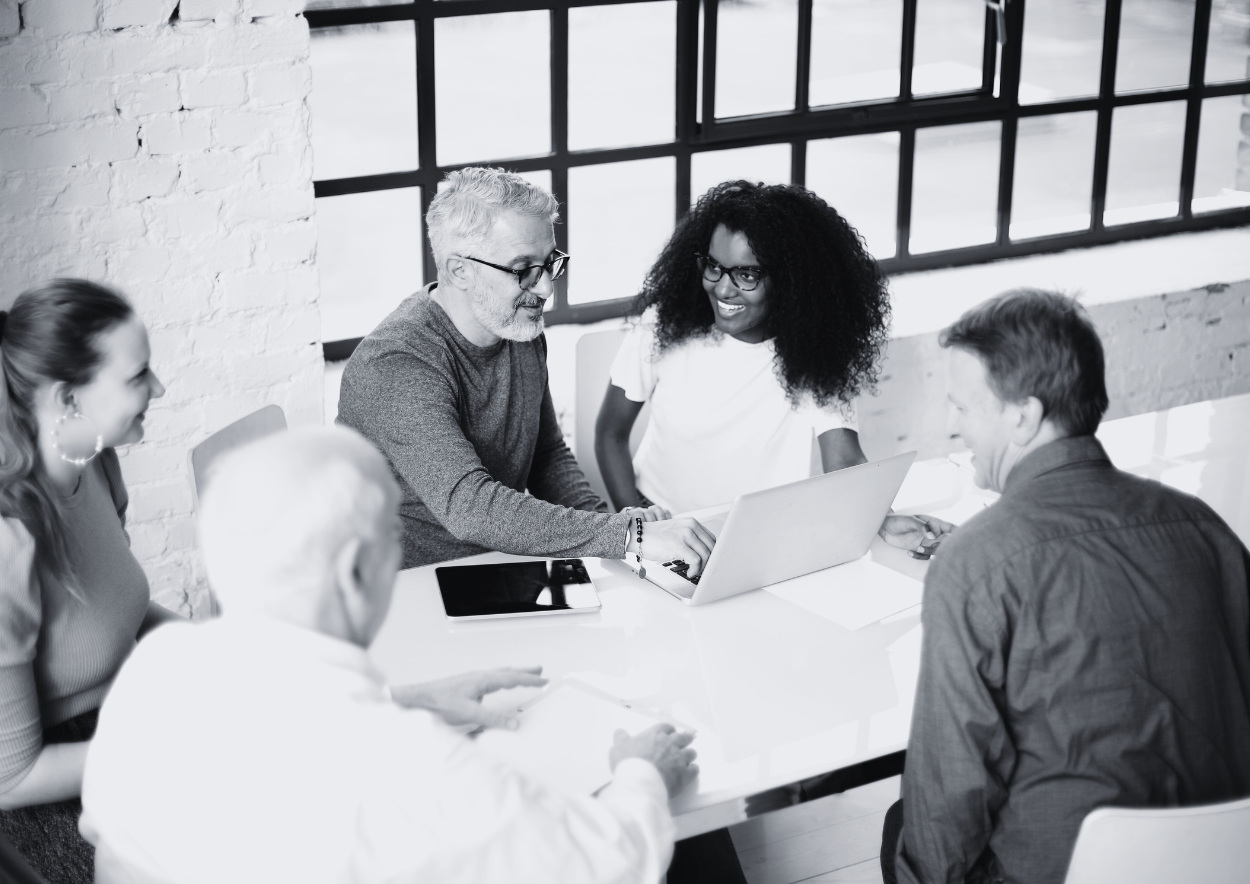
In December 2024, 20 participants from 18 countries joined HERITΛGE for the Project Management for Heritage Managers workshop. This 3-day online course aims to equip attendees with essential project management skills, guiding them through the entire project lifecycle.
The course instructor, Tim Healing, started day one with a discussion on the concept of a project, how it differs from everyday tasks and the key qualities of an effective manager. He then outlined the project manager’s responsibilities and essential skills before going over common pitfalls to avoid, equipping participants to recognise and address these issues early. These skills were then put into practice with a group analysis of a case study. The teams used this example to employ the project cycle framework and identify and resolve challenges, before drafting their own proposals.
The projects will be well planned, organized and with clear budgets to attract donor funding. The projects will also be evaluated and risks clearly assessed to have greater impact to the intended beneficiaries.
Walugembe Muzaphalu, Executive Director at Kanungu Empowerment and Support Organization
On the second day, training focused on the need for a structured agenda, with task outlines and risk identification the priority. Tim also introduced the Work Breakdown Structure (WBS), Critical Path Diagram and the SPECTRES risk assessment tool. Participants then worked on the Niger Restoration Project case study, ranking risks, proposing solutions, and identifying which risks should be mitigated before starting the project, applying the risk management techniques and SPECTRES framework already outlined.
I have found good insights in how to manage my project already in progress and it benefits to improve the rest of my project activities.
Rediat Messele, Lecturer in Archaeology and Heritage Management at Aksum University
The final day began with a session on developing project budgets, explaining direct and indirect costs through a publication case study. Participants worked in groups on the Sudan Museum Project case study, identifying monitoring concerns and strategies to stay on track, followed by group presentations and feedback.
The discussions remained lively to the end, and it was clear that participants had gained skills which they felt confident in applying in their own careers.
Participants were from Albania, Botswana, Czech Republic, Ethiopia, France, Germany, Greece, India, Lesotho, Mexico, Netherlands, Nigeria, Pakistan, Palestine, Portugal, Puerto Rico, Uganda, and the United States.
Read more about our upcoming workshops here.
Legacy Builders: Dr Habab Idriss Ahmed
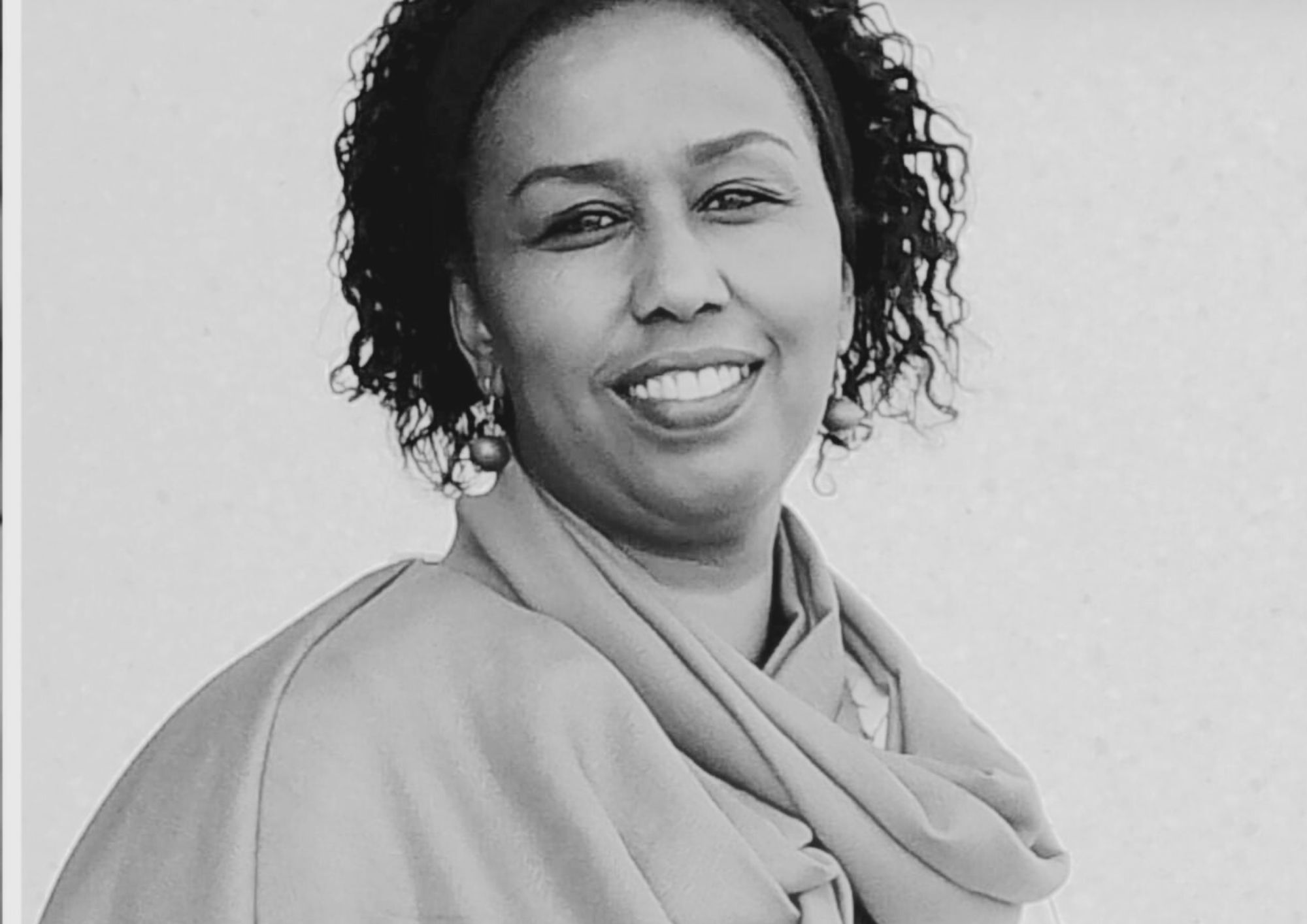
Dr Habab Idriss Ahmed | Senior Archaeologist Inspector, National Corporation for Antiquities and Museums, Sudan
What workshops did you attend?
The Successful Fundraising for Heritage Managers: Strategies and Best Practices workshop in 2023 and the Conservation I and II workshops in 2024 (Introduction to the General Principles of Cultural Heritage Conservation and First Aid for Finds)
Were the workshops an opportunity to connect with and learn from peers?
The workshops were great opportunities to meet colleagues from different backgrounds and share knowledge and experiences in cultural heritage. We discussed the topics and the issues that arose in the workshops from different perspectives which helped me to broaden my knowledge about cultural heritage in different countries and the perspectives others have when it comes to this heritage and its management.
“The training I received has improved my skills and knowledge in conservation and documentation and in exchanging ideas.”
What knowledge and abilities did you gain?
Having completed the fundraising workshop, I now know how to support my project financially but more than this, the training I received has improved my skills and knowledge in conservation and documentation and in exchanging ideas, all of which is being reflected in my work.
“My project has benefited from sharing ideas and details and even more so by being used as case study”
Following of your training, have your projects benefited?
No doubt my project has benefited: it has benefited from sharing ideas and details and even more so by being used as case study. Sharing my project with colleagues who were working on similar projects and exchanging ideas and practices has allowed me to add new ideas in its documentation and conservation phases. I have also improved the quality of my project overall by applying new ideas and discussing details of each step of the project with colleagues.